Since the dawn of time, a presence has been lurking in the shadows. One who personifies temptation, rebellion, forbidden desire, the dark side. Our better angels tell us that something wicked this way comes and yet… the diabolical force can intrigue us. As folklore tells it, the devil can be charming, cultured, glamorous, inviting; so much so that one can be quite easily seduced. So let’s dance with the devil in the pale moon light, shall we?
Napa Valley Cabs are traditionally well-structured with a lush mouth feel. Like a delicate dance, hot days ripen the berries followed by cool nights that preserve the acidity and tannin structure. Regional volcanic soils typically give these wines a dusty, mineral character with rich black cherry vibes. Grapes cultivated on hillside have a higher acidity, notes of blackberry and rustic tannins.
Other flavors can include: black currant, tobacco, blackberry and mint.
Tasting Notes: Devil’s Well is a spirited example of many Napa Cabs. The color is a deep, dark almost opaque garnet. Flavors and essences of succulent black cherry, brooding blackberry draws you in as you swirl. With age, hints of smoke, cedar, graphite, espresso, warm leather and spice emerge.
The richness of Napa Cabs demand decanting (> 2 hours) and rich, flavorful foods.
Pairs well with: herb-encrusted grilled meats, old aged cheeses such as cheddar, gouda and blue cheese. Deviled eggs (!) and hearty stews simmered for hours create a devilishly good pairing as nights get cooler and shadows grown long.
Price Point: $21.99
The devil you say? Yes! Give in to temptation and pour yourself a glass and slowly savor. Just say the devil made you do it. 😈
Originally referred to as ‘Chardonnet’ – its earliest known origins date back to the 1600’s. Grown and cultivated in the Saone-et-Loire between Dijon and Lyon, the ‘grand dame’ of white grapes quickly became one of the more prolific wine varietals in the centuries to come.
The resilient Chard grape makes delightful wines in regions of varying climates from cool to hot. These regions also determine the kaleidoscope of flavors that we enjoy. Cool regions such as Chablis offer flavors of green apple or pear, and some vegetable notes such as cucumber. Moderate temperature regions (think Burgundy, and the New World) produce Chard with flavors of white peach, citrus and wisps of melon. Hotter climates – Maconnaise, Pouilly-Fuissé also New world locations such as California, Australia/New Zealand, South America and South Africa produce wines with tropical vibes like banana, pineapple, mango. Yum!
These flavors, along with the unique winemaking process has set Chard apart from many other white wines. While many shy away because of the heavy, smoky-oaky reputation, this isn’t true of all Chard. The creamy, buttery flavors are bi-products of malolactic fermentationused to soften any harsh acids. The lees ( dead yeast cells left behind after fermentation) are often mixed through the wine to add that creamy texture and savory flavors. Essences like toast, vanilla and coconut are provided by exposure to oak in barrels. Chardonnay is alsoone of thekey components of that fizzy funmeister, Champagne.🍾🥂
Chard that has been aged away from oak barrels, in stainless steel vats, or concrete amphora can be beautifully delicate yet crisply flavorful. Chablis is a great example because of the purity of the fruit with no oak. Overall, Chardonnay is lush and full-bodied with a weighted, creamy, pleasing mouthfeel.
When you look at the label of a French Chardonnay, it is typically labeled according to the region, district, village or vineyard from which the grapes originate, as opposed to the word CHARDONNAY emblazoned across the bottle. Look for Côte de Beaune, Meursault, Puligny-Montrachet, Chablis, Pouilly-Fuissé, et Mâconnaise.
Pairing Chardonnay
Chard plays very well with others especially:
•Mild, buttery creamy dishes -Mac and cheese
•Meaty fish such as halibut, cod, shellfish -crab, scallops, lobster, shrimp
•Baked poultry with butter and herbs
•Veggies such as corn, butternut squash, sweet potatoes, mashed potatoes
Celebrate today responsibly but take time to savor, sip and really enjoy that beautiful Chard. You’ll be glad you did.
Eduardo Galeano once said, “we are all mortal until the first kiss and the second glass of wine”.
The 2022 Don Melchor Cabernetwould be a good example of a wine transporting you from ordinary soul to a beloved immortal.
And it’s not just because you’re tipsy.
Made from vines on the N bank of the Maipo River at the foot of the Andean Mountains, in loamy, well-drained soil, this lush offering is comprised of 95% Cabernet Sauvignon, 5% Cabernet Franc, 1% Merlot and 1% Petit Verdot. It’s aged 15 months in French Oak barrels which adds to its complexity and depth of flavor. Robust notes of blackcurrant, floral, spice and vanilla tickle the nose. Jazzy flavors of blackberry, dark cherry, peppered chocolate and hint of coffee embrace your palate to take you to a magical place.✨
Pairs well with:
• Char-grilled Steak – marbled cuts like Ribeye are buttery, juicy and flavorful, and play well with the wine’s strong tannins and acidity
• Roasted Lamb – w/ rosemary, garlic and salt
• Aged Cheddar – contrasts beautifully with the high tannins of the wine
• Mushroom Risotto – the umami quality of mushroom beautifully juxtaposes the structured tannins of the wine
• Roasted Vegetables – root veggies like beets, carrots, sweet potatoes can bring out the subtle sweetness of the wine
• Dark Chocolate – 70% is best – the slight bitterness of this chocolate pairs beautifully with the fruit-forward qualities of this wine – Yum!
Price Point is a little more on the expensive side, about $150 – $200 ( tho some online shops sell this gem for a little less)
I hope you find this Valentine’s Day filled with the things that bring a little heat and elevate you to an extraordinary place.❤️🔥
Victoria Coleman image via Lobo Wines / John June Lewis image via Woburn Winery
When you think about the history of American winemaking, you must honor the significant contributions of Black Americans. While Thomas Jefferson receives much of the credit for early popularization of winemaking in this country, it was enslaved Black Americans who tended the soil, cultivated the vineyards and helped manufacture the end product. It is a complicated history to be sure but one that bears attention.
The history of Black-owned wineries begins with John June Lewis (1894-1974). In 1919, while serving in WWI among the occupied vineyards of the Rhineland, Lewis learned about, and developed a passion for, viticulture and wine. After he returned to the United States, he inherited from his father 10 acres of land in Clarksville, Virginia. Shortly after the repeal of Prohibitionin April of 1933, Lewis planted his first vineyard. By 1940, he established Woburn Winery, selling his exclusive wines to local residents until his death in 1974. Woburn Winery is the first noted Black American-owned winery in the United States, and the only Virginia winery of its time to produce estate-sourced wines from Labrusca and hybrid grapes. Known as the “Virginia-Carolina Brand”, they were classified as table and dessert wines. This was a significant breakthrough – and Lewis’ resilience, innovation and commitment to excellence has made him the catalyst for Black winemaking’s future.
Over the years, Lewis has galvanized many aspiring Black vintners to persist despite myriad challenges: lack of representation, limited access to capital, and being underestimated as business owners.
Jump forward to the West Coast in 1995, Daneen, David and Coral Brown open Brown Estateon land purchased by their parents in the Chiles Valley AVA. In 1997, Rideau Vineyard in the Santa Ynez Valley launched – the first winery owned by a Black woman, Iris Rideau. Soon after, Vision Cellarsunder Mac McDonald opened its doors, paving the way for future Black winery owners and winemakers.
In 2005, Victoria Coleman (pictured above) became Napa Valley’s first Black female winemaker. Beginning at Stag’s Leap Winery in 1998, first as receptionist, then Production Assistant under Michael Sillacci in 2004, she then enrolled at UC Davis to become their first Black woman wine student. There, she studied with Mario Bazar, eventually becoming his winery’s founding winemaker in 2005. In 2008, she worked with Eric Tourbier at Château Mouton Rothschild in Bordeaux, France, as well as commuting several times a year to Xi’an China at Jade Valley Winery. Today, she is the principal winemaker atLobo Wineryproducing three varietal wines; Chardonnay, Pinot Noir and Cabernet Sauvignon. Victoria is also in charge of both their Atlas Peak and Wolff Vineyards Napa Cabernet and Pinot Noir production.
Out of approximately 11,000 wineries across the US, only 65 are currently Black-owned. But the numbers are beginning to change. As more Black wine enthusiasts become inspired by the influence of Black tastemakers/winemakers/winery owners such as the McBride Sisters, Theodora R Lee at Theopolis Vineyards and Phil Long of Longevity Wines, the Black wine industry will bring more of its own unique flavor to the landscape, while remaining firmly rooted in tradition.
For those starting out there’s no greater advice than from Chrishon Lampley, CEO of Love Corkscrew: “embrace setbacks, work twice as hard, remain authentic, and let perseverance drive success.” Just like John June Lewis.
Here are some additional Black-owned wines and stories for you to check out:
With the news being what it is right now, I try to take solace in peaceful spaces. In Cleveland, there isn’t a place more peaceful to me than the Cleveland Museum of Art. Walking the galleries isn’t so much about distraction as much as it is about finding hope.
Yesterday, my friend Shelly and I went to their fashion exhibit Renaissance to Runway. It was so wonderful to see how history can imprint on the true art of fashion – melding craftsmanship with beauty.
Walking the rest of the museum, we spied the In Vino Veritas (In Wine, Truth) exhibit which was on its second last day. Luckily, we could catch it before it disappeared.🙏
This was a rich meditation on wine through the ages ~ its role in nourishment as well as cultural and religious rituals, myths and celebrations.
The upcoming holidays can be crazy busy (just drive by your local grocery store parking lot try not to shudder). It’s easy to get lost in the frantic chatter permeating so much of where we go and what we do. It’s easy to lose sight of the point.
Is the point to drink wine? Well, in part, yes. Because when you open a great bottle, it’s a like a little meditation. It begins with the twist of the corkscrew (or cap). Next the scent is released, then the gentle cascading pour into your glass sends a signal to the brain that it’s ok to slow down and just be in the moment. You breathe again and delight in the visual of the wine as it settles into the glass – you can get a little lost in its deep ruby color. You swirl, and then sniff – breathing in…and out. Maybe you do this a few more times as the wine opens. All this euphoria and you haven’t even had a drop to drink. Yet. Very meditative indeed.
Part of the fun of holiday wine is in the choosing. So many are out there but not to worry, you’ll find the right one. And even if you don’t, it’s all good. For all the posing that can happen with wine, there really are no wrong answers. Trust yourself.
For this year’s Thanksgiving holiday, we’ve chosen two wines that have been resting a while in our wine rack and now need to be enjoyed.
2021 Summer Dreams Stargazing Pinot Noir – This Pinot was a natural choice (HubbyDoug’s favorite wine style) and a great dinner partner for a traditional Thanksgiving meal. Nurtured in select vineyards from the Western Sonoma Coast, this is a beautifully nuanced, cooler climate wine. Cooler climate wines do not equal ‘meh’ or ‘ho-hum’; far from it. This is where a Pinot’s true beauty is often revealed . The Whole berry fermentationof this wine brings complexity and vivacity to its subtle nature. Flavors of dark fruit and berries, cherry pie and violets, along with a little allspice round out this profile. It’s a great traditional choice.
2014 Caduceus Monastrell– With its bold flavor profile, this could be called an ‘interesting’ choice for Thanksgiving dinner. Some skeptics might say that it’s way too overpowering. Monastrell (also known as Mourverdre) puts the ‘M’ in GSM wines. Typically, this can be considered a heavy hitter of wine; full bodied and tannic with deeply smoky, with flavors of blackberry bramble, tobacco, cocoa, black pepper. It pairs well with foods that reflect that: Barbeque and smoked meats. Think beefy Texan cookout rather than turkey with trimmings.
But part of being a wine student is the experimentation. My holiday table is my lab! And since there are no wrong answers in wine (lol) we’re giving it a try.
We discovered this Caduceus Monastrell on a trip a few years ago to Jerome, Arizona. We loved the rich and bold flavors of this wine and it was cool to try Monastrell on its own. Typically, it’s part of the GSM triumverate, blending beautifully with Grenache and Syrah.
Winemaker Maynard James Keenan, drummer and frontman of thebands Tool, A Perfect Circle and Puscifer, is a very hands-on vineyard owner; selecting the grapes himself and participating in the creation of his wines. His style involves bothopen top(which allows better temperature regulation, builds stronger yeast with more oxygen exposure, and the natural cap from the skins provides protection from outside elements) and submerged cap fermentation. It is thenpuncheon – aged (a larger cask that imparts little flavors from the wood) for 18 months in new and neutral French Oak. This ensures the purest expression of the wine with only the most subtle characteristics from its wooden casing. Powerful vino. I’m excited to taste what happens.
No matter what the outcome of our holiday wine experiment, it’ll be fun! We will meditate on both wines’ qualities and strengths.
The holidays are a wonderful time to reflect, to visit with family and friends; to give thanks and gratitude for the blessings we have.🧡
May you all have a safe and happy holiday season. And be sure to stop, breathe and savor each moment along the way.
According to lore, on a dark and stormy night in 1816, Mary Shelley and a few of her friends (including Lord Byron, natch) set out on a quest to create their own ghost stories. As often happens at parties, when maybe a bit of wine has been consumed, she drew a blank. Yet several nights later, she dreamt about a ‘pale student of unhallowed arts’ kneeling beside his creation — who was a total monster!
And with that her classic gothic novel Frankenstein was unearthed.
For this Halloween, I’d like to suggest a disturbingly dark, yet flavorful, 19 Crimes Frankenstein Cabernet Sauvignon. The fun talking label (scan the QR code to make Frankie come alive) is your invitation to come up to the lab and see what’s on the slab.
Click the video below for some more spooky fun!
As towering in flavor as Frankie is in height, this is a wickedly robust red. Flavors of dark cherry, black currant, and rich chocolate will electrify your taste buds, pulling them out of the doldrums, across the moors and into the light.
Its tannins and medium-high acidity help cleanse the palate, balancing rich or fatty foods. It’s a bold and hearty creature and can deftly handle peppery sauces, marinades, and spices such as turmeric, caraway, and coriander.
Pairs well with: rich grilled meats — beef, lamb, venison, and cheeses such as aged Cheddar, smoked Gouda, Muenster.
Price point: $18.00
So put down your torches and pitchforks and take some time to enjoy this wine for your monster chiller horror night. And when you turn off the lights, you’ll see how the label glows in the dark. Too fun!
To cap award season, I’m spending time with two of Hollywood’s finest: Francis Ford Coppola and Demi Moore. One, a past winner for The Godfather Pt II; the other, a current nominee for her tour de force performance in The Substance.
It’s pretty cool to be up close and personal with the big stars. Well… kind of, sort of. To mark the occasion, I dusted off a bottle of 2015 Director’s Pinot Noir that we purchased on an unforgettable visit to his Coppola Winery. Saving it for a special occasion, it’ll be perfect to enjoy as they hand out the gold hardware.
But before that, I’ll be hunkered down reading Moore’s book, Inside Out – her candid memoir about a life of fame, fortune and stardom amidst immense struggles. I’ve always loved her work and can name so many of her films coinciding with different times in my life. Ghost can still make me cry. Ditto?
So from now until the Oscars on Sunday night, I’ll be off the grid with a good book, then tuning into the broadcast with a great bottle of wine. And once the bottle is empty, I’ll be sure to thank the Academy…
Know what’s been around as long as love? Volcanos. And much like a volcano, love can sit quietly patient until all the elements are in place and then…🌋
When I first saw this 2020 Eruption I was intrigued about the name – that’s some mighty hot stuff for a red blend. I discovered that it’s named for its terroir.
The Struggle is Real
Nuzzling into a remote eastern edge of High Valley, California, not far from a majestic, primordial cinder cone, the Volcano Ridge vineyard is a landscape of spectacular red volcanic soils with steep slopes. Originally planted in 2003 and 2004, the vineyard is home to a large number of varietals, including Cabernet Sauvignon, Syrah, Malbec, Petite Sirah, Mourvèdre, Grenache and Zinfandel. The rich yet coarse volcanic earth creates an environment for an excellent drainage system. Through sandy, pebbly soil, vines must struggle to find their way to water and nutrient sources. When vines struggle this way, the intensity of that struggle is reflected in the fruit’s structure, complexity, and concentration. These elements meld together to produce full-bodied, rich, flavorful wines. Just like creating volcanic wine, love’s struggle, patience and kindness can be an essential element to cultivating true devotion and passion.
Eruption of Flavors
On the nose, this blend has a blackberry | blueberry vibe with hints of lilac and oak spice.
Deep ruby lusciousness cascaded into my glass bringing forth tastes of blackberry jam, stewed blueberry, a little sweet tobacco in the background, and a whisper of spice on the finish. It had that gravitas of a Cab with the jammy playfulness of a lush Zin and Petit Sirah. So much yum!
Conscious Couplings
Best pairings for this blend include: ◦ aged cheeses: gouda, gruyere, cheddar ◦ main attractions: lamb/ pork chops w/ fingerling potatoes, mushrooms ◦ steak, roasted root vegetables
Steer clear of lighter fare such as fish.
Winemaker’s notes – “The fruit for this blend was harvested in the early morning to maximize quality. The various components of our Eruption were fermented separately in small lots to enhance the varietal attributes needed to produce the perfect blend. This blend was then aged on both French and American Oak for 10 months for structure and character.”
No matter whether you’re celebrating Valentine’s, Galentine’s or Palentine’s – enjoy responsibly and let your love, and the wine, flow!
January 31st is National Hot Chocolate Day and I’m celebrating early with a little kick. Choosing mindfulness over a dry January, I’m combining two things that I love: hot chocolate and wine. 🍫🍷
So yesterday, I took a test run to make a rich, delicious treat I could enjoy and savor on the day, and while waiting for the snow to melt.
Cutting right to the chase, below is the yummy Red Wine Hot Chocolate recipe from Wholefully :
Ingredients
2/3 cup semisweet chocolate chips {recommended: Ghiradelli}
2/3 cup dry red wine (merlot, shiraz, cabernet sauvignon)
1/2 cup milk
1/2 cup half and half
2 tablespoons sugar, optional (see notes)
Pinch of salt
1/2 teaspoon vanilla extract
Instructions
Combine the chocolate chips, wine, milk, half, and half and sugar (if using), in a small saucepan over medium-low heat. Heat, stirring constantly, until chocolate chips are melted and the mixture is hot.
Remove from heat and stir in the vanilla and salt. Pour into mugs and serve!☕️☕️
As for the wine, since the recipe called for Merlot, or Shiraz or Cab why not simplify and use a dry red blend? This Dreaming Tree Crush was a perfect combination of everything I enjoy: 59%Merlot, 16% Petit Sirah, 15% Zinfandel, 4% Syrah and… whatever the ‘other’ is… no problem!🍇
Since I find this wine rich but not super sweet, I added a pinch of sugar to taste which helped to balance things out. Stirring the mixture gently became almost meditative. When it was ready, I slowly poured it into my cup, letting it stand for a few moments, allowing it to thicken into a rich, dark and creamy treat.👇
I took my time sipping and savoring watching some of the icicles sluggishly begin to melt. Since they were taking their time, I did too. Pouring myself another cup I leisurely sipped and flipped through a vintage fashion magazine.
The weather might still be a little frightful this week, but it’s so easy and delightful to make yourself a decadent, warm little hug. 🤗
Next week kicks off the official start to the holidays!🦃🎄🥂🍷
And with those celebrations come many traditions. Many that our loved ones might be hard pressed to abandon or change.
Not surprisingly, one of those traditions involves wine. And a very particular type of wine.
Over the years, HubbyDoug has been very ‘stamped-it-no-erasies’ about the centerpiece of our Thanksgiving wine offerings. Without question: Pinot Noir. And I understand why.
Pinot Noir has a beautiful lightness, a subtle yet present mouthfeel, delicate flavors of cherry, raspberry , clove, vanilla and mushroom. Oregon Pinots are a favorite because the cooler climate creates more tartiness in the vibe (Old World Pinots tend to have more earthiness but it’s all a matter of taste). Across the board, Pinot’s bright acidity makes it a great dinner companion – not only for the turkey main attraction but a variety of holiday savory and sweet side dishes. Think green beanand fried onion casserole, candied yams, squash-pecan casserole.
This year I want to break out an option: the beloved Zinfandel. Its bold, fruit forward vibe pumps up the jam along with some nuanced smoky notes. Flavors of blackberry, strawberry, cinnamon, crushed gravel and white pepper give it a lot of depth to play with the myriad flavors present on the table. The juicy fruit, richness of the tannins and smooth, lingering finish is worth popping the cork.
My pick is a 2022 Kunde Family Winery Sonoma Valley Red Zinfandel. I’ve enjoyed this wine during the year paired with roasted chicken, rosemary-garlic mash and charred broccoli with olive oil, and toasted pine nuts. I know it won’t let me down.
Ultimately, these two varietals will coexist in the most lovely way on our holiday table.
So this Thanksgiving, feel free to be a little zinful!😈
No matter what your choice, have gratitude in your heart and the sweetest day.💋♥️
A long time ago I fell in love with vampires. They were elegant, stylish and a little more than dangerous. There was something darkly magical in the way they could materialize from thin air, and change your life forever with one, quick bite. I was intrigued by mysteriousness of their lives that began at sunset; existing only through the deep, dark hours of the night. When the movie of Dracula starring Frank Langella came out, I was mesmerized. That summer I was a young apprentice at the Shaw Festival and had ripped out a poster of the movie to tape to my dressing room mirror. As I applied my makeup for each performance, he looked back at me with dark, smoldering eyes, unblinking, through the mist and fog. It was my first real crush on a sophisticated, elegant man.
Around the same time, I became obsessed with an artist. His name: Edward Gorey. His art was dark and gothic, yet embodied a subtle, ironic humor. I’d first seen his work in the opening credits for the PBS series MYSTERY! and I was in love. The drawings appealed to the dark academia streak in my personality. I wanted to live in those Victorian drawing rooms of black and white, and walk amongst the ancient cemetery relics beyond.
When I discovered that Gorey had designed the sets for the stage production of Dracula (also starring Frank Langella), I wanted to make a beeline for Broadway and immerse myself in that world. Happily, many years later, I discovered that his set drawings had been made into a play theatre set. I could now own a small piece of his toothsome art all for myself!
Click the video below for a fun little journey into the world of Edward Gorey’s Dracula!
The bright acidity, spice and luminescent flavors of this wine did a beautiful job of cutting a swath through the creaminess of the Alfredo sauce I’d made to pair. Add to this a fresh salad of tender greens, and a crusty French stick smothered in home made garlic butter and we had a frightfully good dinner.
This bottle is also lots of fun your Halloween table. You can order the little vampire cape to dress up your wine bottle!
So have fun, my little creatures of the night! 🦇
Enjoy the holiday, be safe and may all your tricks turn into beautiful treats.🎃
Our opinions and attitudes towards alcohol and drinking are often formed from a young age. Watching our parents and relatives’ relationships to alcohol often shapes how we think about, and interact with it throughout our own lives. It may fall anywhere along the spectrum; a casual, occasional drink after work, to extreme party mode where one drink leads to another, then…beyond. Before you know it, some bad decisions are made, followed by deep regret, an Advil, an ice pack, and a solemn pledge to ‘NEVER drink again’ (an oath always made in the harsh light of a hangover).
Society itself has placed drinking in two very clear categories: a main ingredient in having a good time or the potential for serious trouble.
But it doesn’t have to be this extreme.
We know about Dry January & Sober October challenges, which are solid ways to reset after holiday fun, food and drinks. But do we have to go completely dry? It depends…
Mindful drinking takes us to a more meditative place. A place where we can stop and think about not only what we’re drinking but how we’re drinking.
Often drinking becomes almost a default action; one drink tastes like one more and then one more. Mindful drinking allows us to take a breath and a moment to reevaluate our relationship with alcohol; recognizing the reasons for, and consequences of our drinking behavior.
So What Exactly is Mindful Drinking?
Mindful drinking is a shift in consciousness centered between a proactive choice to pursue a healthier lifestyle without having to completely give up drinking. Sober curiosity is another term meaning actively tracking and managing your drinking behavior. More and more attention is being paid to this on social media creating a groundswell of participation and activity. Each sober curious influencer has a story to share. The beer, wine & spirits industry is paying attention: they’re creating more and more lo-alcohol products, and sponsoring a steadily increasing number of dry events. Join the buzz without getting a buzz!
But rather than going cold turkey, mindful drinking is the ability to create space for real change – physically, mentally and financially. It helps pull focus to health and wellness rather than deprivation.
Benefits of Mindful Drinking:
Improved sleep – alcohol can disrupt deep sleep, causing you to wake unrested, and tired. Cutting back, and stopping drinking at least two hours before bedtime can improve your quality of sleep.
Anxiety Reduction – High alcohol consumption causes hormonal imbalances that can increase anxiety. Decreasing about 30% drinking within 30 days can lead to reduced anxiety, and better sleep.
Lower blood pressure – Cutting back to a per day total of 1 drink (for women) and 2 drinks (for men) can help decrease both systolic and diastolic blood pressure.
Healthier liver, healthier brain – modest lower alcohol intake can lower fat build up in the liver, and increase focus and clarity in mental energy, higher cognitive performance and greater motivation.
Weight Management – With an average of 125 calories per drink, a small reduction in alcohol intake can make a big impact.
How to Begin:
Often we find ourselves in social situations where we want to cut back drinking but old habits can die hard. Here are some tips to help keep you on track.
Be kind, yet decline – have a plan and stay with it.Even if you’re offered another drink, politely decline. If you get lots of questions from friends, (and, at first, you will) thank them and redirect the conversation. Drinking is a personal choice, no one should feel ashamed of refusing a drink, even with close friends or family. Keep your goals a priority.
Be aware of triggers for unhealthy drinking – sometimes social or family events can bring on unsettled feelings triggering the need to overindulge. Mindful drinking can help us recognize those triggers so we an be empowered to make conscious choices about our drinking habits even in sticky situations.
Alternate with water – 1:1 ratio – this can become a consistent, positive habit; always having a large glass of water between drinks.
Taste the drink – often, we don’t slow down to truly enjoy what’s in our glass. Take a moment to really see how it looks, smells and tastes. Sip slowly, considering the flavors and nuances of what you are drinking, and enjoy the experience.
Aim for small wins – focus on what you can do. Setting a goal of cutting back one drink per event is attainable rather than setting an unrealistic goal, and then feeling overwhelmed. Slow and steady wins this race. And you might occasionally indulge a bit more than you wanted. It happens. Just be kind to yourself, set your goal for the next event, and don’t give up.
As you head into party season, being mindful of how you drink can help make your holiday celebrations (and the morning after) a little brighter.
One of the best things about having visitors from the North is not only spending time together but the treats they bring! 🍬🍭❣️ • Canadian Smarties are a sweet little taste of childhood; creamy milk chocolate enveloped in crunchy, brightly multi-colored candy shells. What I paired it with might be a little surprising. • Typical pairings for milk chocolate are richer, sweeter wines; tawny ports, Lambrusco,Reciotto della Valpolicella; late-harvest reds such as pinot noir, petit sirah, and shiraz. My pick of this 2022 Gundlach Bundschu DryGerwürstraminer is not a typical pairing. So why would I choose a dry white wine of all things??? Whyyyyyy?? That’s not in the rules!
Well…I like a juxtaposition of flavors, styles and mouthfeel when pairing food and wine. And I was looking for something a little off the typical path. I didn’t want the sweet sensation to become cloying (no one likes a clingy anything). Its flavors of lychee, tangy tangerine, crisp white pear and ginger give more bounce to the ounce on your palate. 🍊🍐🫚 • This was a beautiful balance. A little surprising, I wasn’t sure what to expect at first. But the dryness of the wine played so nicely with the light creaminess of the Smarties and candy shell. Its balanced acidity took just a tiny edge off the creamy; providing bright bursts of flavor to the mix. • Serving notes: Chill overnight, then let it sit just a little – about 55-60F (12-15C) to open up. Then bring on the chocolate Smarties.
This is the weekend of flowers, sparkly things and Momosas (see what I did there?). But sometimes we like to change things up a little. I recently featured Mimosa on my Instagram so…
What if we made a Bellini this year? But first:
What is the difference between Bellini and Mimosa?
Mimosa – originally created in 1921 at Buck’s Club in London. Bartender Pat McGarry mixed two parts orange juice and one part Champagne (and maybe a splash of grenadine).
Jump ahead to 1925; a French version was born at the Hotel Ritz (bartender Frank Meyer) using equal parts orange juice and Champagne. It was named for a pretty yellow flower common in French gardens. 🌼
Over the years, many variations have arisen featuring many sparklers such as Prosecco or Spanish Cava, as well as the addition of Cointreau or Triple Sec for a little kick.
Bellini – an Italian cocktail named for the 15th-century artist Giovanni Bellini. Originally created by Giuseppe Cipriani at Harry’s Bar in Venice, it is sparkling wine with a simple peach purée. Traditionally, Prosecco is in the mix but any sparkler will do the trick.
The beauty of these two is that there are no hard and fast rules; there are so many variations that can please every palate.
This year, I wanted to go with the trad Bellini with a wee twist: sparkling Rosé Prosecco!
The pink bubbles are so pretty in the glass and create a cool glow mixed with the peach puree. And I can tell you that it took a while to find any fresh peaches!
Easy Peasy Rose Peach Bellini:
• 6oz Sparkling Rosé (Prosecco if you’re a purist)
• 1 oz peach puree (blend of fresh, peeled peach, splash of fresh lemon juice & honey)
• Squeeze of fresh lemon juice
Instructions:
• Add peach purée to a flute glass (but any pretty glass will do), squeeze a little lemon juice to taste, then top it off with sparkling rose. Garnish with edible flowers.
• Enjoy!
Pair with brunch or sip all on its own.
Here’s to all the hard-working Moms out there, and to the memories of moms who are no longer with us. We toast you, and hold space in our hearts for you all.💜
It’s suddenly that time of year again, where one’s fancy turns to… cleaning. 🧽🪣
If we don’t often use decanters, we tend to forget about them, and they sit in the back of a cupboard or cabinet. If you’re like me, you might leave them on a countertop where they are exposed to dust, and kitchen grime.
Sure, you can try to blow the dust out of your decanter right before you fill it with wine, but trust me, this is not a good plan. 😶🌫️ Kitchen dust and wine do not mix. The ‘earthy’ vibe that you think will enhance the wine? Nah. Not a chance.
Help is on the way!
Click the video below to see an easy way to clean your decanter before your next wine dinner! 👇
There are a few methods out there but I found the Riedel Bottle Cleaner to be one of the best, natural cleaners.
I had a decanter that had a lot of old wine sediment that water and salt alone couldn’t seem to loosen.
Carefully pouring the little stainless steel balls into the decanter (with water and about 2Tbsp of coarse sea salt) I swished for a full 2 minutes. Like magic, all of the stubborn sediment from the bottom and sides was loosened. After a good rinse, the decanter looked sparkling clean!✨
At $15.99 this cleaner is reusable, non-toxic and very user-friendly.
To be clear, this post is not sponsored content. I just found this was a cool product I purchased few years ago and wanted to share with you.
Every December 31st, many of us resolve to change a few things for the new year. Maybe we’re getting back on the treadmill; maybe it’s the promise to cut back on those indulgences we allowed ourselves over the holidays.
For many, we go cold turkey – cutting out alcohol in all its forms = Dry January. But every so often we reach for a bottle without thinking. It’s automatic. Maybe it’s a part of a nice dinner or celebrating the end of a day.
One of the things I love about wine is its sensual nature. I like the feel of the glass in my hands, the scents on the nose, the complexity of flavors as they caress the palate. The buzz isn’t always the attraction (tho it can be fun).
The challenge with many dealcoholized wines is experiencing the same essences, flavors and mouthfeel of wine with alcohol. It usually just tastes like grape juice. Which is fine but…it just doesn’t have the same vibe. And pairing with food can be even more tricky.
Alcohol is often what gives wine its body and texture, creating that nice bounciness (or solid gravitas) on the tongue.
Dealcoholized wines contain the exact grape varietals as its boozy counterpart. The difference in the processes used to remove the alcohol. This wine is created using the cold-filtration method.
Health Benefits of Dealcoholized Wine:
*Contains resveratrol, the component in red wine that has anti-oxidant properties
*Decreases stroke – promotes HDL (the good cholesterol) and decreases LDL (bad cholesterol)
*Anti-aging
*Anti-inflammatory – protecting cells, especially in the heart and brain from damage
It had a lighter mouthfeel, bright essence of cherry with underlying earthiness that lingered for a bit on the finish. It’s refreshing little vibe is fun with a sweetness that’s not cloying. In the glass it has the clarity and deep ruby color of a Cab. HubbyDoug was fooled! He thought I’d already blown off my dry January pledge! Lol Such little faith.
Most dealcoholized winemakers make it pretty clear that their wine will taste different than what wine drinkers are typically used to. And that’s true. But for the pure enjoyment of a beverage with all the benefits of red wine ( and none of the side effects) it’s a nice change.
So raise a glass to Dry January to all those who participate!
Now I know you’re not going to have just a turkey on your table. But I wanted to keep it simple and spotlight the star of the show (though maybe it’s a featured player, as we all know the real star is you).✨
According to Food and Wine magazine, turkey’s rich flavor profile; light and dark meat, and its juicy texture matches well with a wide variety of wines and traditional side dishes.
Keep in mind that what’s good for the turkey is probably going to be good for the side dishes.
•Dry Riesling– OK… wait a minute, this isn’t the sugar bomb you think it is. Many have the view that riesling always equals cloyingly sweet. But this dry offering is the riesling you never knew you wanted. High acidity and plentiful minerality make this a most agreeable turkey companion.
•Chardonnay – Sometimes chosen because of its name recognition, Chardonnay can be a wonderful pairing with turkey. Crisp acidity, and fuller-bodied vibe make it a pleasure to sip. Old World offerings, particularly from France, are more citrus-forward with a stalwart mineral heart. New World Chards from the US, Australia and South America have a juicier, stone fruit vibe. Hint: Add a little to the turkey as you baste.
•Gamay – The Beaujolais grape, but skip past the Nouveau and head straight for a more mature offering to enjoy. Pleasant high acid, lo tannin, and a satisfying grippy mouthfeel make this wine one of the best pairings with turkey.
•Pinot Noir – A classic, Pinot Noir’s playful flavors of cherry make this a great pairing for both turkey and your favorite sides. Pinots from France have a grounded, earthy, mushroom-y, tart cherry gravitas where New World Pinots brings forth a brighter complex cherry vibe. 🍒
•Viognier – An excellent, but not as well known match, Viognier’s whispers of honey and rich ripe stone fruit essences are wonderful with the tender turkey. Look for amazing offerings from Northern Rhone, South Africa and Australia.
•Zinfandel – Jammy, juicy and fruit forward, this wine is a boss pairing with both light and dark turkey meat, and many traditional Tgiving sides. A big hit on turkey day, you might want to splurge and buy a couple of bottles. 😉
•Champagne – Bubbles and high acidity make this wine a merry treat to cut through the richness of the turkey and all side dishes. And it makes your holiday table scape even more festive and fun! 🥂
When all is said and done, these are simply suggestions to dial back some of the guesswork when picking your wine. In the end, it’s really about sharing time with family and friends. And whatever wine(s) you choose to adorn your Thanksgiving table this year, I hope you have happy and healthy holiday!🧡
It’s a crisp October night. Candles lit, you nestle in with a great horror novel. The moon is full, suddenly there’s the sound of leaves rustling outside. You shake off the sensation of the hairs standing up on the back of your neck. It’s just silly jitters. And then you hear the scratching at the window…
One of my favorite Halloween novels is Stephen King’s Salem’s Lot. I also loved the classic 1979 film version to get my creep on and send shivers down my spine. The freaky glowing eyes, the glimpse of fangs in the moonlight, the creepy little kids wanting to come in and play, the slow creak of the rocking chair in the empty room upstairs. And that house.
Lore tells you never to invite a vampire inside your home. But these two are ok. Let them in.
Organically grown in France’s Loire Valley, this Bloody wine is made from hand-harvested Grolleau grapes. Picking by hand is what can account for a higher price point. This is labour intensive work. Similar to Pinot Noir, this grape variety is thin-skinned, has fewer tannins, and is very susceptible to damage and disease. Extra care must be taken. Whole cluster fermentation is also used to impart more of a fruit forward quality and give a bright acidity on the palate.
The color is a bright, vibrant red as it pours. It seems to levitate just like Danny Glick floating to your window.
On the nose: • blackberry • cherry
Flavor profile: • sour cherry ( a little like a Jolly Rancher) • herbaceous • earthy vibe
Pairs well with: • Red peppers staked with goat cheese • Grilled seasoned chicken • Mild creamy cheeses • Patè
•Eco-wine tour w/ Owen’s Hiking & Adventures @ Vineland Estates
•Ice Wine Cocktail Party
•Lazy Saturday Tasting @ iCellarsEstate Winery
They say you can’t go home again. I’m happy to report that’s not always true. I went home to Niagara this past weekend. And it was wonderful!
Click the video below for more fun!
🗓️Friday – At Vineland Estates, my friend Deb and I got out on the vineyard (and part of the Bruce Trail) with Owen Bjorgan of Owen’s Hiking and Adventures. We learned about the Niagara bench ecosystems, how they affect the vineyards and the resulting wine. It was awesome to taste the wines in the spot they were grown.
Winding our way from the Riesling vineyard through a small nearby forest, Owen explained how the forest, in close proximity, provides numerous ecosystem benefits to vineyards, such as increased whole-farm yield, increased soil water-holding capacity, reduced erosion, cleaner watersheds. With this being a natural agroforest ( it was there first), set a little away from the vines, there is little to no competition for nutrients, resources and light. All the benefits and no fighting.
It was incredible to leisurely hike, enjoy the cool of the forest, and end our tour back in the sunny warmth of the vineyard. It’s very healing spending time in nature… the wine didn’t hurt, either!🍷
Hailed as the ‘event of the summer’ and held at Hiscott House, a private residence in Niagara-on-the-Lake, my friend Steffanie and I enjoyed, of course, fabulous Ice Wine cocktails. 🍸 Add to that a diverse menu of savory and sweet treats, ending the evening with a chocolate Ice Wine shot. It was the place to see and be seen, and was a great evening for great causes. ✨
•
🗓️Saturday – with Friday being so busy, it was great to slow down, chill and have a lazy Saturday. Deb, Shiona and I met for a leisurely wine tasting at iCellars Estate Winery. This is a favorite spot, especially during harvest. We meditated on our flights of Chardonnay, Rose, the Arinna Red Blend, and Cabernet Sauvignon. This year’s pick – the Cab Sauv!
We spent some time after our flights enjoying a glass outside on the patio, gazing out as the golden sun warmed the vineyard.
And as we drove away, I saw a motorcycle with two dogs in goggles in the sidecar. And I know what you’re thinking… what do they put in their wine? I asked Deb if she saw it too. She did.
Luckily, I got a picture.
If you’re in the Niagara region, make a point of experiencing these great wineries. There are so many to choose from, and each with their own unique style.
I love Rosé. I love it in summer. I love it in my picnic basket. But I was looking for a change. I wanted a couple of wines that were light and refreshing but not my usual go to. I circled back to a couple of wines that I’ve not had in a while: Pinot Gris and Beaujolais.
Made from Gamay grapes, this is no Beaujolais Nouveau,which is consumed right after harvest, and of which I’m not generally a fan. It’s way way too young. This wine was light-bodied, fruity and earthily floral. Paired with the Asian ramen salad, it brought out more of the fruit and had a lovely finish that lingered. Often, I find Beaujolais a little too fleeting but this pairing was both lively and light, highlighting the ripe peach flavors in the salad.
I paired the Pinot Gris with both the dill deviled eggs and the grilled cauliflower. While starting out with subtle flavors of white peach, cantaloupe and lemon zest, I liked the brightness and acidity that picked up nuances in the Dijon mustard and seasoning, while cutting a nice little swath through the creamy richness of the dill/egg mixture. With the cauliflower, its subtle vibe melded well with the creamy feta and brought out the heat of the red pepper, especially on the finish. It was like little fireworks on the tongue, an unexpected but nice surprise. It was a totally different wine with this pairing.✨
And I guess that goes to show you; first impressions are not always what they seem. Sometimes circling back can help you discover what you may have missed the first time around.
I think that’s one of the many things I love about wine – the flavors and characteristics they possess on their own, and how that can completely change when paired with food. Textures, protein, fruit, vegetal vibes can bring out so much more depth on both sides of the equation. Food + wine = awesome!
Whatever you choose to pair with your holidays, may they be safe and happy.🏖️🎢🎡
I think we can call it official – summertime is here!😎🥂
And when that mercury starts to climb, we want less heat and more chill in our glass. A clear choice to beat the heat this season is Avaline (ah-vah-leene) Rosé.
Cameron Diazand business partner Katharine Powerbonded over both a glass of wine, and a shared philosophy: to make great quality wines that are purely organic. They partner only with growers who share their commitment; using only natural methods to create wines from 100% certified organic fruit, with zero synthetic pesticides. No artificial colors, refined sugars or additives are present, and transparency in all winemaking, and labeling, is key. Current regulations do not require nutritional/ingredient information on wine labels. Other than the percentage of alcohol and short varietal list, most of us don’t always know what’s in our glass. This is something Diaz and Power wanted to highlight.
With respect to sustainable winemaking, their sourced vineyards are generally lo-irrigation, or they are dry-farmed, relying only on rain water to provide moisture. With water shortages becoming globally prevalent for growers, decreasing fresh water consumption has become a necessity.
Benefits of lo-irrigation and dry-farming are many: it’s an environmentally responsible choice, and produces more intense flavor in the fruit. Like all things, balance is important. Dry- farming is best with well-established vines that have deep root systems. However, it can take years before this happens. Vines that have regular irrigation tend to have more shallow root systems – they don’t have to work as hard to find their water source. To coax the younger vines into strong fruit producers, sometimes low irrigation, only when needed, is essential.
Avaline Rosé, a Vin de France wine, is cultivated in Provence by Famille Negrel wines. Their vineyards are lo-irrigation, adding moisture only when necessary, especially if the crop is in danger. Chickpeas are grown on site to provide vital nitrogen to the vines. Their vineyards are certified organic by ECOCERT.
Sometimes rosés can taste watered down, as though the crop had too much rain at harvest. Others taste as more heavy-handed, trying too hard to be flavorful. This wine, with its blend of Cinsault, Grenache, Cabernet Sauv, Syrah and Caladoc is flavorful, fresh and well-balanced.
Tasting notes:
Flavors of honeydew melon, orange zest, cardamom/ginger spice, and tart white peach lingered gently on the finish. Ethereal and delicious, and possessing a light-bodied, yet lingering mouthfeel.😙
A 5FL OZ pour was 107 calories, 2.6G carbs and zero fat (says so right on the label).
Visiting the Biltmore Estateis like taking a journey back in time. An awesome example of both architecture and design, its esthetic influenced by the great chateaux of France.
Click the video below to tour with me!👇
We’d originally planned this trip with our friends Carl and Deb, in May 2020… and we all know what wasn’t happening then. So it was wonderful to finally have all our schedules reconnect!
When I first researched Biltmore, I was pleasantly surprised to learn about their winery. Documents dating back to 1916 show that George Vanderbilthad begun collecting wines for his cellar. Jump forward to the early 1970’s, William Cecil, George Vanderbilt’s grandson, established vineyards on the property. The first Biltmore wines were made available for sale in 1979 under French winemaster Phillipe Jourdain’s direction. In May 1985, Biltmore Estate Winery opened its doors to the public for tours and tastings. Building on the original French-American hybrid plantings, Jourdain planted additional vinifera varietals to ensure the future of their wine cultivation.
Sharon Fenchakjoined Biltmore in 1999, eventually becoming winemaker in 2003, then head winemaker in 2018, further crafting on the foundations laid out by previous winemakers, Jourdain and Bernard Delille. She now oversees an annual production of approximately 150,000 cases.
Situated in the Blue Ridge Mountains, at an elevation of 2,500 ft, growing conditions in this part of North Carolina can be challenging, especially with rapidly fluctuating temperatures during growing season. Days here are warm yet humid, with cooler nights, a high incidence of rainfall, and risk of late-harvest frost. This combination makes growing more delicate varieties difficult. Heartier varieties flourish here. Polk County, just south of the estate, has a lower elevation and a ‘thermal belt’ micro climate, reducing the risk of damage to the fruit.
Locally sourced wines include robust varietals including Chardonnay, Cabernet Sauvignon, Cabernet Franc, Petit Verdot, and Merlot. Their Biltmore Reserve NC Rosé is a home-grown, balanced blend of heartier Cab Sauv and Cab Franc of both estate and lower elevation North Carolina vineyards.
To produce a wide array of offerings, grapes and juice are sourced from not only North Carolina but California and Washington. Their American Series wines reflect this diversity.
The winery also maintains a commitment to sustainability; using locally sourced water from nearby Long Valley Lake, and recycling their plastic, glass, paper and steel. Adjacent to the Winery, is a nine-acre, 1.7 megawatt system that includes more than 7,000 solar panels to help counterbalance estate energy usage. Grape byproducts such as crushed stems and skins are used for mulch and compost. Retired barrels become planters and used corks are repurposed as wine racks to display their wines in retail stores. Biltmore has also partnered with Cork Reharvest and the Cork Forest Conservation Allianceto reuse corks and help decrease the depletion of cork trees. Visitors are encouraged to drop off used corks at the winery, all estate restaurants, andWhole Foods stores throughout North Carolina.
Out of town? You can mail your used corks to: Biltmore Estate Wine Company Re: Cork Recycling 1 North Pack Square Asheville, NC 28801 👍
We tasted some wonderful wines on our tour but here are the three we took home:
2021 Biltmore Estate Grenache Blanc
My pick: The 2021 Limited ReleaseGrenache Blanc.While it’s not from indigenous grapes, I loved the bright, refreshing and flavorful alternative to Rosé. I’m used to grenache as a lovely red so this was a treat. a nice, bouncy alternative. Tropical flavors of banana, melon, citrusy mandarin, and a light, playful mouthfeel. I can’t wait to pair with some delicate cheeses, fruit or charcuterie.
2020 Biltmore Estate Tempranillo
Dougie’s pick: The 2020 Limited Release Tempranillo. American Appellation with flavors of dark fruit, fig, and nice grippiness from the tannins. Aged 16-20 months in oak.
13% alcohol. $24.00
2020 Biltmore Estate Malbec
Our pick: The 2020 Limited Release Malbec.Something fun for Malbec Mondays! We haven’t had Malbec in some time so this was a nice change from our go to Pinot Noir. Rich blueberry, blackberry and plum with a hint of spice on the finish. Also aged 16-20 months in oak. It’s one to savor slowly and enjoy with maybe a nice beef brisket. Yum!
13% alcohol. $ 22.40
The best part about the trip was finally reconnecting with our friends again, and to take a little step back in time. ♥️
Biltmore is definitely worthy of a place on your bucket list; and the wine makes it even better!
When I first saw this book I thought it might be an easy, breezy trip through wine world. From the first chapter, it’s clear that this is a tenacious, and unforgettable journey.
In Wine Girl, Victoria Jamesshines a graphic spotlight on her struggles rising through the ranks from greasy-spoon diners to Michelin- starred restaurants. Becoming America’s youngest sommelier was not an easy climb. James is remarkably honest about her chaotic early life, her struggles with addiction, and her unwavering determination to carve a place for herself in the world of wine. Incremental wins for her are everything. And they speak to the power of not giving up, even with some scorched hope along the way.
James pulls no punches about life in the wine industry. She paints an honest picture of the rampant misogyny, racism and abuse, not only from entitled guests but many in power positions within the worlds of hospitality, and wine. It can be a harrowing read at times. But it’s an important journey to share. There is light at the end of her story.
Because of her experiences, James co-founded Wine Empowered, with Cynthia Cheng and Amy Zhou. This non-profit provides free wine education, and support of leadership careers in wine world for minorities and women, as well as promoting safe work environments for all.
This is a significant book for everyone, especially those working in and around the world of wine and hospitality.
Bunny is not a book about Easter. Not even close. And it’s not really a story about wine (but there is a wine cocktail reference so, in that sense, it fits nicely into my boozy book review standards). Bunny is a tale of dark academia and the power of loneliness and imagination.
Brief synopsis: Samantha Mackey is an MFA grad student at a prestigious New England college. She has absolutely nothing in common with her privileged writing seminar group who all hug, and express their undying love to each other as they squeal ‘BUNNY!!!’ whenever they meet.
One day, Samantha gets a random invitation to the bunnies’ conclave called ‘Smut Salon’. Well, who wouldn’t be just a little bit curious? On the surface, everything in bunny life is pink mini-cupcakes, fluffy party dresses and mind-altering cocktails. What lies beneath is much more sinister. Or… is it?
The book shines a flashlight on the often fine line between what is and isn’t real. It explores how easily one can fall down a rabbit hole of imagination, while asking the question, “I wonder what those perfect lives must be like?” We accompany Samantha as she enters into this glitter frosted world of privilege, only to find a sordid, inky-dark underbelly. Mona Awad does a deft job of subtly erasing the line between reality and fantasy, and often I found myself asking, “Did that really just happen?”
The cocktail in the book is a French 75 – it’s typically made with gin but I’m not a fan so switched it to vodka. Since a secondary theme includes mini-cupcakes (and one of the characters is nick-named Cupcake), why not add some pink sparkles to the mix?
With the luck o’ the Irish at yer back, may you find health, happiness and a pot of gold. Okay, that’s not really a blessing but a mashup of a few.
St. Patrick’s Day is a sure sign that spring is on its way. And spring is often viewed as a season of magic and alchemy. Wine is also a blend of magic and alchemy. Especially Irish wine.
Growing conditions in the Emerald Isle can pose many challenges to winemaking. And that’s where the magic comes in.
Established in 2002 by fruit alchemist David LLewellyn, Lusca cultivates several varieties of grapes including Cabernet Sauvignon Merlot, Dunkelfelder and Rondo – a grape that can heartily withstand Ireland’s damp, misty weather.
Click the video to learn more about Irish wine and how its made!👇🍀
A few years ago I was determined to find my little pot of gold, and I did. To read more about my search click here. Since then this lucky bottle has remained, relatively undisturbed, in my little cellar wine fridge. I hope it’s been enough to ensure its good condition. All told, it has aged about 9 years. I had many thoughts before opening: has it already peaked? Is it a delightful vinegar? But maybe luck would be on my side.
There was only one way to find out…
Time to release the wine!
To be safe, I decanted for about 2 hours. I wanted to let it open up as fully as possible to make a fair assessment. So how was it?
It didn’t turn to vinegar! I wasn’t as concerned about the wine as my storage. I don’t have a fancy wine cellar, and occasionally had to move the bottle around. I had been worried that after all this time, maybe some oxygen had gotten inside. But I was so happy that all seemed to be well. Magic!
It was a lighter bodied Cab/Merlot. I enjoyed delicate notes of blackberry, dried herbs, and a pleasant, earthy cedar undercurrent. I found myself swirling my glass often to coax out every essence. It had a clear, deep ruby color giving way to a slight brownish rim variation (the outer edge of the wine). This suggests aging of the wine. I didn’t notice any nutty or toffee flavors that indicate an oxidized wine.
As I tasted, I noticed the sun was shining – here in the Cleve we catch it while we can- so I bundled up, sipped my glass outside.
To celebrate International Women’s Day, I popped open this bottle. I toasted all women with a beautiful glass that filled my senses with the scents and flavors of rich blackberry, black cherry, and a hint of chocolate on the finish. But what really intrigued me was the story and vision of this wine company.
As well as producing some pretty incredible wines, their roles as visionaries, innovators, leaders and advocates led to the development of the SHECANWines Fund initiative. It was created to promote the professional advancement of women in the wine industry in an effort to help close the gender and race gap.
To date, the SHE CAN Fund has invested more than $3 million in the professional advancement and career growth of high-potential, professional women, with a specific focus on women of color.
This year’s focus: Women learning and excelling in the business of wine.🎉
A daughter of privilege, Barbe-Nicole Ponsant was expected to live an ornamental existence, yet her life was anything but. Married at age 21 to François Clicquot, then widowed at 27, she continued the wine passion project she and her husband started when they first married. Over time, she immersed herself in the art and science of winemaking, keeping a watch on all aspects from the vineyard to the cellar, to blending and aging the wine, and finally managing the business of champagne both in France and beyond. This was not an easy task in a male dominated industry. She had to work twice as hard to be recognized for her ingenuity and business acumen. Does this sound familiar?
While she did not adore the emperor Napoleon himself, nor many of his policies, under Napoleonic code,widows could assume prominent trade roles within business. Barbe-Nicole was able to use this to her advantage. But the road to prosperity wasn’t as easy as popping a cork. Lean times through the wars created an environment of doubt and anxiety at every turn. International trade embargoes imposed by the British left the first shipments languishing in Amsterdam warehouses, where fluctuating temperatures could ruin the wine. Further restraints against Champagne leveraged by Russia and other countries made international dealings difficult and dangerous.
But she pressed on.
The Year of the Comet Vintage in 1811 proved the stars were aligned to create one the best growing seasons in the Champagne’s history. Conditions were perfect from bud to harvest. Sugar levels that produced both alcohol and bubbles occurred naturally in this vintage. The only thing stopping her was fate. War was raging and threatening to ravage her business.
During this time she bottled her wines, and had the foresight to have the cellar bricked up to seal this vintage from pillagers. This had the added effect of allowing the wine to rest on the lees (the yeast) for longer than usual, creating a spectacularly beautiful, flavorful, and potent sparkler. Her 1811 comet cuvée made her an international celebrity, pushing Moët, who had the largess of the Russian markets, back a few spaces.
Prior to the lifting of international embargoes, she gambled by securing passage of her wines into Russia well before her competitors – a move that could have potentially ruined her, but payed off.
“I didn’t have any hope of doing anything [and] the advance of the Russians over the Rhine was the last straw. And now, out of all the misfortunes came the good business I have had, and I dare to hope for more. We can’t always be unlucky, in my experience. And so, my dear friend: courage, patience, and resignation.”
Barbe-Nicole Clicquot Ponsant
Mazzeo paints a rich, sweeping story from documentation, supposition, and anecdotal reportage. There’s much that she assumes the widow Clicquot must have felt and seen. But this works to create an intriguing tale. This is an engaging and fascinating read about the First Lady of Champagne, and what it means to persevere against all odds.💪🍾
Here’s to all the amazing, strong women in the world: may we know them, may we be them, may we raise them, & may we enjoy their amazing wines! 🥂
I’ve written before about some amazing women winemakers, and a great book that celebrates them.
It’s wonderful to read about their journeys from vine to wine. Each woman has a unique tale to tell. Their stories are not always easy but they’re worth sharing; not just for us but to inspire our daughters, and their daughters, and generations of daughters.
These stories, especially in this current political landscape, are crucial. They show the courage, strength and perseverance that is very much like the struggles of the vine itself.
Visit their sites. Read their stories. If you can, buy their wines. You’ll be glad you did.
From vineyard to table, and everywhere in between, Canadian wine writer Natalie MacLean has seen, done, and drunk it all. On a summer trip to Muskoka, ON, last year, I was looking for my next great dock read. I found this book nestled amongst the shelves at The Owl Pen vintage book store in Bracebridge.
Published in 2006, Red, White, and Drunk All Over takes the reader along on MacLean’s journey discovering the earthy mysteries of the wines of Burgundy in France, helping collect zinfandel grapes in Sonoma Valley, California, working as a novice sommelier, learning how to sell wine at two bi-coastal retail shops, and much more. Along with the wine, it’s the people she meets that make the stories so fascinating. With each experience, MacLean takes us beyond the glass, and deep into the intriguing world of wine. Every new adventure teaches us so much about all aspects of wine; from soil to the grapes, harvest to the cellar, bottle to the glass, first sip to the buzz. Her descriptions are delicious.
With honesty and humour, MacLean illuminates how intimidating wine world can be, even for an accomplished expert. And she keeps it real by reiterating how, with perseverance, and taking a deep breath or two, one can find their groove and truly enjoy the ride.
This is a wonderfully accessible book for anyone interested in wine world; from seasoned oenophile to novice wine enthusiast. It’s a fun and informative read; an excellent reference for those just beginning a career in wine. It would be cool if it was required reading for college wine courses.
I think this quote honestly sums up what attracts many of us to wine,
“But I have to confess, much as I’m drawn to its nuances, I wouldn’t be writing about wine if it weren’t for the buzz. I love the way a glass of wine makes me feel – invigorated and animated, released from my natural shyness. After a couple of glasses, I’m mellow, soothed, contemplative.” Yup.
Good news: You don’t have to make a trek to Muskoka to find this book. Here’s the link.
Eduardo Galeano once wrote, “We are all mortal until the first kiss and the second glass of wine.”
It’s true – that first kiss can make us feel like we’ve had that second glass of wine; dizzy, fizzy, and warm all over. Don’t get me wrong, I love me some chocolate but it doesn’t usually make me feel like that. And chocolate doesn’t always fit in my wine glass.🍫
This year, I wanted to explore a couple of intriguing alternatives to the chocolate covered heart.
Check out the video below for more info about these wines!👇
The label says that it’s the “rosé with a dark secret”. I would like to know what that secret is. Though maybe that’s what the second glass is for.
From E&J Gallo, and cultivated in Central Valley, California, this wine is a beautiful, deep rose-gold color. The classic color of many rosés is a light-medium salmon pink. This is a Grenache, Temperanillo, Pinot Noir,Sangiovese & Carignane blend that created a rich color in the glass. It had a subtle cherry vibe on the nose, and flavors of lush strawberry, ripe raspberry, and a sensual whisper of dark chocolate on the finish. Interlaced all together, it tasted like… more!
Also cool: the label art of swirling roses was designed by tattoo artistSasha Masiuk.
From the growing region of Livermore Valley, California, Longevity is one of the largest Black-ownedwineries in the United States.
Deep, ruby red in color, this Cab was immediately drinkable. I tasted without decanting, and it was flavorful right out of the bottle. Often, a little merlot is blended with cabs to soften the harsh tannins. This was a cab with no harsh edges. Softer tannins made for a smooth and satiny experience, like slipping on a lux pair of silk pajamas. Classic flavors of red plum, black cherry, blackberry swirled together, with a little black licorice lingering on the finish. Together it created a deep, well-structured profile.
Their description of the wine was ‘muscular’, which is very true of most cabs. But no heavy lifting was required to enjoy this wine. This was full-bodied but not overpowering; so nice to slowly sip and savor.
The twist-off cork is genius! Like its sister the screw cap, it made opening the wine a breeze, especially if you’ve forgotten your wine key (corkscrew). It made storing even easier. No leaks!
The label is what first attracted me; a beautiful heart. Take a closer look and you’ll see the intertwining of grapes, hearts and vines. The heart was designed by Longevity’s owner, and winemaker Philip Long’s late wife-and business partner, Debra, who saw the design as an expression of their both their love of wine, and each other.
💰Price Point: $15.99
So whether you’re enjoying à deux or just celebrating you, surrender this Valentine’s to a little decadence. It’s better than chocolate!♥️🍫
In the past, I’ve written about Ice Wine; how it’s harvested, how it’s made, and how it’s enjoyed. Like all remarkable feats of winemaking, it is a delicate balance of weather, timing, and the tenacity of everyone involved to help create it.
I’d been feeling pretty blue that I couldn’t be at The Niagara Ice Wine Festival. For me, the festival was always a place to connect with friends and sample some great wines. But the weather here in the Cleve has been unpredictable, gray and drab. Squalls of snow kept blowing in whenever I could possibly travel. Bah.
But… I had my own bottle of ice wine that I’d been wanting to share. And then I remembered my neighbor, Pam, also had a bottle of ice wine that she wanted to share. Things were looking up. Hey, if I can’t be at the festival, I’ll have a little one of my own. Let the pop-up Ice Wine Fest begin!
I quickly put together some treats to sample with our two wines; then made my way through the frozen Ohio tundra. Ice and snow doggedly lashed at my face. Inch by inch I walked, trudging through glacial molasses, uphill – both ways!
Ok, I only had to walk next door. But it was very yucky and slick outside.
Here’s what we enjoyed:
Pam had a Breitenbach Vidal Blanc that she’d found on a recent visit to Amish Country in Dover, Ohio. I brought a 2015 Jackson-Triggs Vidal Reserve from Niagara, Ontario.
Now, if we were true die-hards we would’ve enjoyed them outside. But it was way too frosty, so we enjoyed them inside Pam’s kitchen.
Starting with:
Breitenbach Vidal Blanc – had a clear, golden blonde color, and with a light syrup mouthfeel. It tasted young but with a blossoming structure. The flavor was most like a pluot. Yes, a pluot. A pluot is a stone fruit hybrid of plum and apricot. It looks like a plum, and it tastes like a plum, yet it has that delicate floral sweetness of ripe apricot. We paired first with a bit of brie – which decreased its sweetness. Salty pistachios neutralized the flavor almost entirely. Shifting back to sweet, milk chocolate ramped up the sweetness, and strawberries fully coaxed out both the sweet, and the fruitiness.
Price point: $43.95
2015 Jackson-Triggs Vidal Reserve– was light amber in color, and was sweet, less fruity, but possessed a robust, full-bodied mouthfeel. It had a honey-like viscosity, but then took a slow curve to a bourbon vibe. Pairing it with a salted chocolate Heath bar, decreased its presence a little. But when we paired it with brie, it became a melt-in-your-mouth butterscotch sensation. Since it was an older vintage, the flavors were more melded and mature, and influenced by some gentle oxidation. But this it gave a delightfully lush taste.
Price Point: the 2015 listed at $72.99 on wine.com but newer vintages: $39.99 at LCBO.
It was a tale of two very different vintages, and I guess it was a little like comparing apples to oranges. Yet the idea wasn’t to evaluate as much as enjoy the wine, noting little elements unique to each.
I think the nicest part was being able to spend some time with a good friend. All too often, as winter settles in, we sometimes see less of our friends and neighbors. This was a sweet, impromptu opportunity to reconnect and catch up.
The Niagara Ice Wine Festival concludes this Sunday, January 29th. The Ohio Ice Wine Festival runs from March 1st-31st, in and around Geneva, OH. Since it’s a little closer to home, I’m hoping to check it out!
The little wine bottle puffer in the cover photo isIceware by Wild Eye Designs. I purchased mine from Amazon.
The last of the holiday treats are gone, and you feel like you need to take a little break. You’ve decided to embraceDry January. Good for you! In your quest, maybe you’ve noticed a few alcohol-removed,dealcoholized or non-alcohol wines on the shelves of your local store.
Although the tipsy factor might not be there, alcohol-removed red wines, like their boozy cousins, contain resveratrol, a powerful anti-oxidant contained in the skins of red wine grapes.
Here are some other health benefits of drinking dealcoholized red wine:
• Decreased risk of cardiovascular disease
• Decreased risk of cancer, inflammation, diabetes
• Decreased blood pressure
• Less calories than regular wine
• Decreased passing out while binge-watching your favorite show and missing the best part
What’s the difference between dealcoholized and the non-alcohol version? Dealcoholized wine has gone through the traditional processes of winemaking: fermentation – which ensures skin contact, and turns grape juice into wine. The alcohol is then removed before bottling. Non-alcohol vino goes straight from juice to the bottle with no fermentation.
Still, it can be a little confusing when you’re searching for these wines. So check the label.
On the front, look for the term ‘alcohol-removed wine’. The back will have a nutrition facts label, and the terms ‘contains less than 0.5% alcohol by volume’ and ‘dealcoholized wine’. Some non-alcohol offerings simply state “wine alternative” which means it is juice that hasn’t been fermented.
So how do you take alcohol out of wine?
Here are three methods:
Spinning Cone Technology:
Freshly fermented wine, made in the traditional way, is poured into the top of a spinning cone column. Rotating cones transform the wine by centrifugal force, and turn it into a thin filmy liquid. Nitrogen gas is then fed into the bottom part of the column to extract flavors and aromas of the wine, and to prevent the wine from oxidation. The remaining liquid is passed through the column again to remove the alcohol. Flavor and aroma essences are then recombined with the dealcoholized wine, and blended with unfermented varietal grape juice to replace any lost volume. This creates a wine with less than 0.5% alcohol by volume. The entire process is done repeatedly and at low temperatures.
Vacuum Distillation:
Similar to spinning cone, traditional winemaking occurs before the alcohol is removed by extracting off the alcohol at a low temperature in a vacuum, keeping the wine’s flavors and aromas intact. Once the alcohol is removed, the essences and flavors are mixed back in.
Reverse Osmosis:
We’ve heard about this for water purification; in winemaking the process is the same. Wine passes through a very fine filter that water and ethanol pass through. The ingredients of wine, such as tannins, and other elements responsible for color, flavor and aroma are left behind.
According to liquor.com, here are some of the more popular alcohol-removed wines:
I tried the Fre Merlot. The consistency is thinner than its traditional counterpart. It tastes sweet, like a natural varietal grape juice. It had a nice, bright mouthfeel, and a beautiful claret color. And the looks you get when you pour a glass at 10:00 am are pretty comical. 😆
If you want to enjoy a dry new year, but still want enjoy the health benefits of red wine, take a closer look at some of these wine options. And let me know what you think in the comments!
We’ve all been there. It’s almost zero hour, almost go time. But wait! You suddenly remember that your primo bottle of bubbly is… still sitting on the counter. At room temperature. Damn. What to do?
If you’ve got 30 minutes, you’ve got it covered!
Your first instinct might be to put your bubbly in the freezer. If you do, make sure to watch your time! The reason? Pressure in the bottle can build up quickly. Any more than 30 minutes in the deep freeze, and you might have some premature poppage, and no one wants that. So maybe try this as a last resort.
And you don’t want to open it warm because you’ll shoot your eye out (or someone else’s). Part of the reason sparkling wine is chilled is to decrease some of the internal pressure; making opening the bottle easier, and less dangerous to everyone around you. Also: who wants to drink warm sparkling wine?
But the clock is ticking, and you don’t have time! Actually, you do. I got you.
The best, quickest, and safest method is an ice water bath.
Click the video below to find out more!👇
Ice Water Bath:
• Fill an ice bucket, pail, deep tray or sink half way with cold water
• Place bottle(s) in the container
• Fill the rest of the way with ice and add some salt.
• Leave 30 minutes (or a little longer if you can). Be sure to turn the bottle occasionally to ensure an all-over chill.
Adding salt to the ice water lowers the freezing point of the water, making the mixture much colder. The ice will melt more slowly because the water’s freezing and melting points have been lowered by the addition of salt. This also helps keep the cold temperature consistent.
When I worked the wine show last fall, we quickly cooled our sparkling wines using ice water baths. It only took about 30 minutes or so to efficiently chill the bottles so they could be opened safely, and were cold enough to drink.
Peppermint has always seemed like a tough pairing with wine. And I guess because brushing your teeth before a wine tasting always makes for a wonky flavor. Maybe it’s a toothpaste thing (heavier concentration of mint, surfactants in toothpaste that maybe coat the tongue) rather than a mint thing?🤷🏼♀️
But since peppermint is an aromatic herb, why not try it with an aromatic white wine or rosé?
•Gewürztraminer – intense floral aromas, grapefruit and lychee. Higher sweetness pairs with sweetness and mint. And just saying Gewürztraminer makes you sound kind of drunk. Don’t believe me? Try it!
•Sauternes – dessert wine from Bordeaux with Botrytis cinerea(which makes it delightfully sweet). Flavors of honey, quince and apricot make it sweet and oh so smooth. 🍯
•Sparkling Rosé – nothing better than bubbles to cut into some of the creaminess of the ice cream. The gentle acidity of the delicate fruity notes play hide and seek with the minty sweetness of the ice cream. 🍨🍾
Combining gingerbread with dates, cloves, allspice and toffee is basically a carnival on your palate!🎪
•Chenin Blanc – sweet golden nectar of pear, yellow apple, chamomile and honey, little more acidic to help carve through the richness of the toffee and cake consistency.
•Riesling – aromatic variety ranging from bone-dry to quite sweet. If you like dry, look for “Trocken” on the label. Anything sweeter: look for “Pradikat” – Kabinett (sweet) , Spatlese (sweeter), Auslese (sweeter still), all the way to Eiswein (sweetie sweet). Flavors range from dried apricot, citrus, green apple, green papaya, jasmine, depending on the growing region. High acidity again cuts into the rich cake.
•Port – Beautiful notes of black plum, chocolate, dries cherry and cinnamon complement this ooey gooey dessert as you nestle deeper into a spicy bliss with each sip.
I always feel a little bad for the nutty fruit cake. It’s so maligned. True, some can be as dense as a brick (and maybe even taste like one). But the combination of the buttery rum cake, rich nuts and dried fruit can be a lovely melt-in-your-mouth experience. Aromatic whites are a terrific pairing but so are some light-medium bodied reds.🍷
•Torrontés – From Argentina, this white wine can smell sweet but is dry and matches well with the spices, and melded aromatic flavors in fruit cake. Flavors of rose petal, geranium and peach round out this interesting wine.
•Cabernet Franc – Flavors of strawberry, raspberry and a hint of chili pepper make this a nice complement to the fruit cake’s nutty vibe.
•Merlot – Merlot is a softer red, and often blended with Cab Sauv soften its harsher nature. Yummy flavors of black cherry, plum and chocolate add to the fun, making that fruit cake the best you’ve ever had.
And if you find yourself overwhelmed, Ice Wine goes with everything!
So there ya go! Sometimes the best pairings are unexpected. Feel free to try your favorite holiday treats with different new, and fun wines.🍷🎄
♥️Thank you so much for stopping by, and supporting my blog. It’s fun to write, and I hope it’s fun to read.♥️
Wishing you all a happy and healthy holiday season, and we’ll see you in the new year for more wine adventures!🥂
The weather had been so grey and damp lately, I’m feeling it in my bones. Because the chill is going so deep, I wanted to find a wine that could warm me to my toes.
The 2021 Unshackled Cabernet Sauvignon was a luscious choice. With its deep pomegranate color, dark chocolate essence on the nose, and creamy mouthfeel, this wine helped me to break free from the cold. At least for a little while.
Soft tannins joined with flavors of black currant and blueberry, much like a dark fruit compote. Warming hints of clove lead my palate to a cozy, buttery smooth finish. Toasty!
“I don’t mind being locked in here, but at least leave me a corkscrew.”
– Natalie MacLean
In her book, Red, White and Drunk All Over, Canadian wine writer Natalie MacLean was referencing Edgar Allan Poe’s short story, The Cask of Amontillado. Essentially, it’s about a guy who gets fed up with a rival always insulting him so he creates a ruse to trap him, literally, in a catacombs cellar in search of a good glass of wine. I can see why the rival might fall for it. But this is a cautionary tale: never go on a drunken hunt for wine, especially if it leads you to a dank, musty, skull-filled cellar, lest you be shackled and bricked into a room. You’ll need more than a corkscrew, my friend.
And so, with the midnight hour close at hand, join me, as we descend into… the catacombs.
I know I left a great vintage down there, somewhere.
Judging by most of Poe’s writings, he seemed to be an eternal pessimist so this is choice is apropos.
A haunting blend of 62% Petit Sirah, 18% Zinfandel, 17% Syrah and 3% Lagrien.
🍇Tasting notes – Hints of black cherry on the nose, deep blood red in color, it tasted of ripe, smoldering fruit compote – rich blueberry, dark raspberry and blackberry. Whispers of spice lingered like an apparition, then evaporated on the finish. When paired with a creamy Brie, the fruity, jammy vibe was coaxed out. With cheddar, the jammyness gave way to a more subdued vibe. It had a rich mouthfeel with substantial legs. 15.2% alc.
Simple, tasty and bewitching, and, though similar, this blend turns the tables on the Pessimist with 70% Zinfandel, 16% Petit Sirah, 10% Syrah and 4% Grenache.
🍇Tasting Notes: Rich, creamy flavors of mocha chocolate, stewed blueberry and raspberry, with hushed whispers of leather, and smoked dark cocoa on the nose. Paired with a simple dish of pasta, olive oil, fresh parmesan and basil, the flavors settled in to a more savory, less fruit forward vibe. The color was deep purple burgundy, and mouthfeel wasn’t quite as full as the Pessimist – it had skeleton legs on the glass. 14.8% alc
$16.99💰
It’s interesting that these two wines, both Paso Robles, both similar in character and flavors, can have subtle, tasty differences.
Both wines had such beautiful, deep purply-red color that I know my teeth are purple.
So…
What is the difference between Petit Sirah and Syrah? According to Wine Spectator’s Dr. Vinny, Petit Sirah and Syrah (Shiraz) are two different types of grapes. Petit grapes are smaller in size than Syrah, and have a more dense skin-to-pulp ratio. This makes their color dark like ink, rich in flavor, and more tannic than Syrah. Small is mighty.
In this haunting season, please tread carefully. Beware the late night drunken scavenger hunt for the elusive vintage. And if anyone mentions a cask of Amontillado, run!
What was the coolest field trip you ever went on in school?
For a wine student like me, this is pretty much the Holy Grail. Where else can you learn about wine, meet people who love it, & sample the product, too?So much fun!
It was a beautifully dry, lush blend of Chardonnay and Pinot Noir giving it a nice, subtle complexity. This would be lovely for a Sunday brunch. But honestly, all of them would!☺️
Click the video below to join me at the festival!
Lots of great sampling to be had and the proceeds go to help many wonderful children!🌈
The Crocker Park Wine Festival continues Sept 17th from 2pm until 10pm.
Dig if you will the picture: you’re in a great restaurant, your sommelier has just opened a wonderful bottle of wine at your table. They pour a bit in your glass. You swirl, then you sniff, then you sip. You nod to the somm that all is well, and the remaining glasses are poured. Easy, right?
But what happens if you get a wine that smells (or tastes) awful? The immediate impulse (aside from spitting it all over the tablecloth) is to just grin and bear it, and pretend that it’s delightful. Don’t make waves, and don’t seem like a wine snob. Wait. You’re paying for that bottle; it should be delightful.
How can you detect the fault in our wine? Start with your nose. Especially with things like cork taint, the nose always knows. Think back to the restaurant example, and the swirl, sniff, sip. This isn’t just fluffy posturing, there is a point to it. If the wine is corked, it’ll smell like wet newspapers, musty cardboard or, yep, a wet dog. We love Fido, but not in our wine.
What to do at a restaurant if you’ve noticed cork taint or another fault? With kindness, send it back. Yes. Send. It. Back. This is precisely why they have you sample the wine before pouring for the rest of the table. Be polite but don’t be shy. Most restaurants want to know if they have a bad bottle. It might not be an isolated situation; the entire case or shipment may be off. You’re paying a lot of money to not drink bad wine.
Please remember to be kind to your server or somm. Any fault isn’t their fault. They are there to help you.♥️
Now, if you’ve opened your wine at home and it’s corked, don’t dump it! Pour the remaining wine back into the bottle and take it back to your place of purchase. Most wine sellers will happily take it back or will offer an exchange. In fact, it’s good to let them know so they can notify their distributor or the winery. Companies need to know if they have a bad batch floating around; their reputation’s on the line.
Some Causes of Faulty Wine:
Cork Taint ~
• Infected cork – caused by chlorine (TCA-Trichloranisole) coming in contact with corks
• TCA compounds may also be present in wood/rubber in the winery (barrels, beams, rubber transfer tubing, etc) – this is why even some screw cap wines can become corked
Also: corkin your wine doesn’t mean your wine is corked. A crumbly cork doesn’t always mean the integrity of the wine is compromised. But be safe and taste the wine before you serve it!
Remedy: to get rid of floating cork bits pour your wine through a fine mesh strainer or coffee filter
Oxidation ~
• Wine (red or white) has a brownish tinge
• Not always bad – sometimes oxidation can be a winemaking choice
• It can be prominent (in a good way) in Sherries or Tawny Port
• Oxidation can happen over time to all wine, white or red, and happens when storage allows too much oxygen into the bottle (e.g. storing bottles upright instead of sideways)
• If you find this in young, light wines, like Pinot Grigio, Pinot Noir, Sauv Blanc, it’s a fault
• Smells like: sharp scents of bruised apples, linseed oil, a nutty or caramel vibe (which is not always a bad thing)
• Ask whether the wine is meant to be oxidized before sending it back⚠️
Brettanomyces ~
• Not technically bad, Brett is a wild yeast that ferments along with wine yeast
• Earthy, rustic aromas permeate the wine which many enjoy, and can be a winemaking choice
• Smells like: bandage (medicinal), sweaty leather or a barnyard ~ and if that’s your thing, it’s not a fault!
Reduction ~
• Occurs when wine doesn’t get enough oxygen during winemaking – balance is everything
• Remedy: Decanting the wine can help (by providing needed oxygen) or stirring your wine with a silver spoon. If it doesn’t help, kindly send it back
Volatile Acidity (VA) ~
• In small amounts, VA can contribute to the complexity of wine, giving it depth, though many people can be very sensitive to this, making it unpleasant to drink
• In larger amounts, it becomes a nice mix for salad dressing
• Having some VA doesn’t make it necessarily a fault, but if it’s not for you, see if you can exchange it for something different
Smells like: nail polish remover, sharp vinegar
Heat | UV Damage ~
• Damage from UV rays doesn’t just happen to skin, it is a serious issue for wine as well.
• Light + heat increase chemical reactions that cause premature aging of wine and heat can cause the bottle to expand a bit, loosening the seal, and letting air in
• ‘Light strike’ happens when wine is exposed to direct light – e.g. if the wine is left in a sunny window
• Wine can also suffer damage when left in a too hot car (even for an hour) or stored in a room that has wide temperature fluctuations or is too hot.
• Many hot climate wineries will not ship their wines in peak heat seasons to avoid heat damage in shipping.
• Sparkling and white, and older wines are the most vulnerable.
• Smells like: not much on the nose, and it tastes ‘cooked’
• Remedy: don’t leave your wine in a hot car or store in sunny window!🥵
Now that you know what to look for, hopefully you feel a little more confident in deciding if your wine should be enjoyed or sent back.
The more you sniff (and taste) the better you’ll get at detecting the faults in your wine.
“The Ladybug wears no disguises. She is just what she advertises. A speckled spectacle of spring, A fashion statement on the wing…. A miniature orange kite. A tiny dot-to-dot delight.”- J. Patrick Lewis
During the busy days of summer, it’s easy to forget the little things; a warm evening breeze, toes in the sand, glass of wine in your hand. If the past two years have taught us nothing else, it’s the simple pleasures that we need to pay attention to. Little things sometimes have the biggest impact.
Farmers and gardeners love the lady bug. According to ThoughtCo.com, the lady bug (beetle) are beneficial predators who munch on many pests of the garden such as scale insects, whiteflies, mites and especially, aphids. Over the course of a day, a lady bug can scarf down 50 aphids, over a lifetime (about a year), they can consume over 5,000. They really are the ladies who lunch.
Too much of a good thing, though, can become a challenge for growers; an overpopulation can mean that many bugs can snuggle up in the fruit. And this can subsequently taint the wine if they’re not sorted out at pressing.
Searching for a nice light wine to pair with my evening chicken stir fry, I discovered this little but mighty gem: 2020 Malivoire Lady Bug. Located in Beamsville, ON, Malivoire is aCertifiedSustainable winery. Made from a blend of 56% Cabernet Franc, 36% Gamay, 8% Pinot Noir, and cultivated especially for this wine, the grapes are harvested when sugars are at 19.5 Brix. The crushed grapes then soak in free-run juice ( juice that runs freely out of the tank by gravity) between two and twelve hours before press. After cold-fermentation and stabilization, the wine is transferred to stainless steel tanks to rest before bottling.
This lady bug had a surprising complexity, revealing different layers of flavor with each sip. Many single varietal roses are good but one-dimensional.
Check out the video below for more summer fun!🏖
Some tasting notes for ya!
• bright berry on the nose – flavors of red raspberry, strawberry,
• cherry, pomegranate – nice burst of tart flavor that sparkled down into a tangy tart that lingered on the finish.
• bouncy mouthfeel makes it great to sip on its own yet it paired beautifully with a gently spiced chicken stir fry with jasmine rice.
A long time ago, when I worked as a bartender, I once served a wine that was orange.
It was not a design choice. It was just bad.
So when I saw that orange wine has been making a big splash, I was a little skeptical. Fool me once…
Orange wine is not made from oranges. It’s also not a rosé. It’s actually a natural white wine that gets its colour and flavor from keeping the white grape skins and seeds in contact with the juice for between 4-30 days. The orange colour comes, in part, from the lignin in grape seeds. The longer the contact, the deeper the colour. Most white wines have little to no skin contact.
In most wine production, seeds get discarded prior to any processing of the juice and fermentation. That’s because seed contact can make wine taste bitter. So how do orange wines stack up? Do they taste sour or bitter? It depends. While technically a white wine, orange wines are very dry and tannic, much like a bold red wine. Flavors are bold and brassy with aromas of honeyed jack fruit, sourdough, juniper (like gin), brazil nut, apricot, orange blossom, and bruised apple. They can be very intense on the palate with a sour vibe much like a fruit based beer.
What is jack fruit? I don’t know jack $&@! about jack fruit so I did a little research. When ripe, jack fruit has a strong aroma and tastes like tropical fruit: mango and pineapple, and banana.
Orange wine is not a new ‘oops’. It is an ancient process dating back roughly 5000 years. All elements were left to ferment for time in large buried clay vessels called quevri (kev-ree).
Check out the video below for a little summer fun!
Pairing:
Bold for bold, orange wines pair well with bold foods like curry and Moroccan dishes, Korean and traditional Japanese cuisine. Because of the high tannin, and hint of almond-like nuttiness, it can pair with beef and fish. This is something you can play around with to find your favorite.
It’s a white wine that thinks it’s a red so the pairings could be really colourful. But be careful of the spice quotient: it will bring out the heat in some dishes.🌶🌶🌶
If you’re looking for ‘grippier’ offerings with increased tannin, look for 30+ days of skin contact; fresher, lighter versions have maybe 4-10 days. Because they’re natural with little to no preservatives, drink within 2-3 days after opening. Store in cool, dark areas (between 50-60F). Serve chilled, at around 55-65F. If it’s too cold, you’ll lose the nuance of the flavors.
Look for wines from Italy, Solvenia, Australia, France, South Africa, Austria, and the US.
I recently tasted a 2021 Bonny Doon Vineyards Le Cigare Orange (California). It is the ‘skin-contact wine of the earth’ (says so right on the bottle) and is made from 10% Grenache, 80% Grenache Blanc and 10% Orange Muscat. It had a hint of orange blossom on the nose, and a sour, almond vibe on the palate with a dry, puckery, yet bouncy mouthfeel. Flavors of white peach, early-ripe apricot and citrus lingered on the finish.
I chose the Field Recordings Skins to share and here’s what we thought:
(Pairing with Thai food)
These orange wines restored my faith that not all orange wine is wine gone bad. And they can be very different than what you might be expecting. But isn’t that half the fun about summer wines ~ trying something new, refreshing and just a little bit different?
• 2 1/2 oz Kinky Pink Liqueur – I used Mango, Passion Fruit + Blood Orange (chilled)
• Prosecco or Sparkling Wine (or no-alcohol sparkler)
• Fresh raspberries
• Lemon twist for garnish
Directions:
Pour tbsp Mathilde Cassis liqueur into a champagne flute (or pretty glass – Mom always deserves a pretty glass). Add Kinky Pink liqueur. Fill rest of glass with your choice of ice cold Prosecco, sparkling wine or favorite no-alcohol option.
Garnish with raspberries and twist of lemon. 🍋
Enjoy!
To all the hard working moms out there, take a some time just for you, and have a very happy Mother’s Day!💖
You’re opening your favorite bottle of wine, you take the sharp cutter blade and begin to cut, scrape or pull the foil capsule off the bottle. Where does it go next? Probably into the trash. Hey, we all do this; I’m guilty as well. And it’s just a little bit of foil, no big. But when you consider that the US alone generates approximately 286 tons of waste per year, much of which ends up in landfill, a little foil can become a big problem.
Click the video below for more info!👇
In days of old, foil capsules were placed on corks because they prevented rodents and cork weevils from getting into the bottle.
Historically, these foils were made from lead, which we now know is poisonous. Lead was phased out by law in many countries beginning in the late 1970’s.
Capsules are now made from polyethylene or aluminum, which can be recycled, but more often than not, ends up in landfill.
Another issue with capsules is that they obscure the cork and fill level in the bottle. This is important – if the fill is not close to the cork, the wine may become oxidized. Which means not-so-great wine for you.
Additionally, there’s a great expense to the winemaker by using capsules, costing approximately $25,000 per year.
Now, there’s a growing movement to eliminate capsulesaltogether. With advances in quality control and cellar management, weevils and rodents aren’t the problem they once were. And with screw caps, there’s no issue at all.
Screw caps have steadily become the preferred choice for bottle closure, with many benefits. According to George Zaboura ofRoyal Park Fine Wines, “screw cap closures are better for the wine. There’s less chance of air getting into the bottle and less chance of the wine being tainted.”
And since they’re made from aluminum, you can recycle your screw caps!
An easy way is to put them back on the empty bottle and place in the recycle bin. You can also collect them in a large can, and once filled, crimp the top and place with your recyclables. This keeps the caps from flying about.
There is still much love, however, for the cork. Cork has, historically, been the preferred wine closure for generations, steeped in tradition. Made from the bark of the cork oak treewhich is grown primarily in Northeast Africa, Portugal, Spain, France, Morocco and Tunisia; one tree’s bark can provide enough cork for hundreds of bottles. The tree remains unharmed during the harvest – the bark is scraped off the surface.The material is a renewable, sustainable and biodegradable which makes it an environmentally friendly bottle closure. Natural corks can be recycled. Find out how to recycle yours here!
Additionally, microscopic pores allow minute amounts of air to contact the wine which is key for proper aging, something the screw cap is lacking. With many reds, some of them investments, sometimes that microscopic bit of air can be the difference between a spectacular sip, and one that’s pretty good.
And where would we be without the ceremony and tradition? Popping a cork is much more romantic and satisfying than twisting off a cap.
You may occasionally notice some bottles are dipped in a wax. This is another way to seal the wine without the capsule but it’s very time consuming and costly for the winemaker. That’s why you’ll probably only see the wax seal on very select, more expensive wines. When I was out looking for wines, I found only three vintages (out of the entire wine shop) that had a wax seal.
Cork has its share of drawbacks – the quality can be variable, the material can be fragile and the cost is up to three times more than a screw caps. As well, there is the issue of cork taint – which can make your wine taste like wet newspaper. No one wants their wine to taste like wet newspaper. That’s nasty!
As with any debate about the environment, there are many points of view. So the choice is yours. With more of a push towards sustainability, reducing waste and recycling, there can be many ways to love our wine and help make a healthier planet. 🌎🌱💚
If you live where there is a regular accumulation of snow, then this winter has been a long one. And if you’ve been a little reluctant to go out right now, and just finished bingeing SuperPumped, The Dropout, or S2 of Bridgerton, here’s a way to unplug, and decompress. And apart from just drinking wine, which is always nice, reading about it can be just as interesting (without the buzz).
Below are two books that helped me get through many a long winter’s journey into night.
Packed with lots of info, and so well-written, they’re like taking a comprehensive, self-directed wine course without the hefty fee and stress-inducing exam at the end.
Check out the video below for a little taste of what you’ll find!
From the #1 ranked wine education site winefolly.com, Wine Folly: Magnum Edition is a culmination of many viewpoints: from wine writers and educators, to wine professionals and scientists.
Madeline Puckette is a wine sommelier, writer and visual designer. Justin Hammack is an entrepreneur, digital strategist and web developer.
This book takes you on a journey through the basics and beyond; how wine is made, facts about drinking wine (and how to avoid that pesky headache), a funny section on wine etiquette, and how to smell wine (to actually detect faults, not just to look fancy). It lays everything out with super cool graphics, and easy to digest descriptions that make learning easy if you’re new to wine, and a great review if you’re an old pro.
Sohm was named 2008 Best Sommelier in the World by the Worldwide Sommelier Association and namesake of the Aldo Sohm Wine Barin New York City. Christine Muhlke is former food editor of the New York Times Magazine, and contributing editor at Bon Appêtit magazine.
Wine Simple also has great depth of information, fun graphics, and cool side bars. An added feature: the main points of each section are highlighted for you, saving you time (and highlighter).
Check out the ‘Wine With Bad Raps” section for a good rundown on pre-conceived wine reputations that might make you go “hmmmm…”. It may have you completely reconsidering your next wine purchase.
There’s also an honest view about boxed, bagged and canned wines (spoiler: they’re not all that bad).
Both books examine wine regions, flavor profiles, practical magic of storing and serving, and much more.
Each have excellent chapters about food and wine pairing, which can be daunting at the best of times. And each have fun graphics, charts and practical info about cooking with wine. Wine Folly has a little pairing exercise that involves potato chips, cheese, honey and a pickle. I am SO going to try this in an upcoming post!
Both books are excellent and make learning accessible, enjoyable, and will have you understanding, pairing and enjoying wine like a pro in no time!
If you read either (or both) let me know what you think in the comments! 👇
With this February being what it is, we probably want to be cozying up under a soft, warm blanket, with a fire or candle glowing and enjoying a glass or two of something nice.
The pickings this year were a little slim in terms of wines marketed specifically to Valentine’s Day. This could be due to the current and pervasive supply chain issues. Whatever the reason, I managed to find a couple that looked fun and holiday ready.
Check out the video I made for a little more info on these fun wines!❣️
Made in the Douro region of Portugal, this is a luscious red blend from Portugal comprised of 35% Touriga Nacional, 35% Touriga Franca, and 30% Tinta Roriz grapes. Hand-picked and quietly left to mature for two years in stainless steel tanks, it is deep in color with an intense dark berry, blueberry vibe with both leathery and hint ‘o’ mint qualities. Younger wines have more of a violet vibe on the nose and they tend to have a dry and grippy mouthfeel due to bolder tannins.
The Douro region has a drier climate, with very warm summers. Because of an unusually dry, warm summer in 2017, harvest was a little early; mid – August, when the fruit was at its peak.
Tasting Notes:
• Deep ruby color – rich and clear – so beautiful in the glass
• Hints of violet (a soft, powdery raspberry vibe on the top) and caramel on the nose
• Dark, rich raspberry and blackberry w/a lush mouthfeel
• Medium tannin and mid-hi alcohol
• Paired beautifully with vegetarian pizza and fresh ripe blackberries
• Decant for at least an hour to open flavors
$19.99
Santero Villa Jolanda I Love You Extra Dry Spumante – This is one of the cutest damn bottles I’ve seen so far. Santero comes up with seasonal cool graphics; Halloween (which always sells out so I can never get my hands on one ), Christmas, and Valentine’s Day.
That’s part of the reason to check it out, and as an affordable sparkler, this is a fun offering. Especially if you’ve spent some of your cash on flowers, chocolate, and dinner, it adds up. Your sparkling wine should never leave you with a negative balance. Some might disagree on that statement. And while it is true, the sky can be the limit on what you can pay for a beautiful sparkling wine, feel free to adjust your Valentine’s budget accordingly.
Tasting Notes:
• Light yellow straw color – lots of pretty bubbles
• Nice acidity, not too sweet
• Flavors of honeydew melon, pear, cream
• Lighter body, refreshing mouthfeel,
• No decanting needed (don’t want to lose those bubbles)
• Serve ice cold
• Pairs: Anything
• $15.99
I hope you all have a happy and safe Valentine’s Day!💝
Please enjoy responsibly, and if you can’t be the with wine you love, love the wine you’re with!🥰
Totally natural. Wild and unfiltered. Just as nature intended. Wine in the raw refers to how some wines are made. It doesn’t mean you have to drink it without your clothes on. But I guess if that’s your thing, by all means.
Circling back to ancient winemaking techniques, natural wines came to prominence again in France and Italy in the 1980’s. And now there is a growing natural wine movement here in North America, dovetailing with farm-to-table philosophy.
So what’s the difference between natural, biodynamic and organic wine?
Biodynamic winemaking embraces a holistic view that everything in the universe is connected; man, the moon, the planets and the stars. Respecting the environment, and ethical, self-sustaining agriculture, it’s more about the processes before harvest; farming, cultivating and tending to the land and fruit.
Like natural wines, no pesticides or unnatural herbicides are used. Ducks, horses, cows and sheep living on the vineyard provide natural fertilizer, and weed management. Discarded grape skins are recycled into compost and spread back onto the land to nourish future vintages.
Biodynamic wines are also cultivated and harvested based on the biodynamic calendar – planting and harvesting on moon cycles and daily tasks broken down into the earth’s four elements. It sounds a little trippy but you have to love the philosophy; great, sustainable wine production that literally gives back to its roots and the environment.
Organicwines are GMO free with no synthetic additives, pesticides or herbicides. Organic winemakers also respect sustainable farming practices and must pass yearly USDAinspection to retain certification. Certification can be seen on the label and is an assurance that what you’re pouring into the glass is 100% organic.
Like Organic and Biodynamic, natural wines use grapes that haven’t been sprayed with herbicides, and only natural predators are used to manage pests. Grapes are hand-picked, and only native or wild yeast is used in fermentation. The wine is unfiltered and there are less than 50ppm sulfite additives, if any. Natural wine can be seen as an excellent display of terroir – the true expression of the wine growing region – since what you pick and cultivate on site is precisely what goes into the bottle.
Many natural winemakers prefer ancient techniques such as fermenting in clay or concrete ‘amorphae’ vessels that impart no flavor to the wine. Oak barrels can sometimes be rejected because of the additional flavors they may add to the wine. But, again, that’s a choice. Many natural winemakers want their wines to taste of the grape, and only of the grape. Some also allow their white wines a little bit of skin contact; just enough to produce an orange hue (more on that in an upcoming post).
Natural wine can have a lower alcohol content and higher acidity. Since it’s unfiltered, it can sometimes look cloudy with natural sediment that floats and then settles at the bottom of the bottle.
Bottle for bottle, natural wines taste…just as lush and lovely as commonly cultivated wines, but not all travel well. As Jake, Wine Steward at Giant Eagle said, “Because they are natural, they don’t always do as well with shipping.Your best bet for natural wines is to buy them directly on site if you can.”
While natural wines can be stored for a few years, it’s best to enjoy them sooner rather than later. They typically require refrigerated storage because of their volatility. The lack of preservatives can make them less able to handle changes in temperature and therefore are more prone to going off.
Be sure to look for the terms ‘minimal intervention’, ‘natural winemaking techniques’ or ‘unfiltered/unfined’ on the label.
I have to admit, it isn’t always easy to find all-natural, unfiltered wines in a local wine shop. I did manage to find one: Newton Unfiltered Chardonnay from Napa Valley, California. And it was one of the last bottles available. When I looked at the bottle, I was expecting to see something cloudy or with sediment resting gently at the bottom like an unshaken snow globe. This wine was crystal clear. During maturation, their winemakers hand-stir the wine, as needed, to re-distribute any sediment. The reason is clear: many people seeing sediment or cloudiness in a wine assume that the wine has gone bad, is tainted or off, and are less likely to purchase a wine that looks this way. In the world of wine, looks can be everything.
Newton Vineyard has a decades long commitment to sustainable winery practices and are Napa Green Certified; held to strict requirements including water | energy conservation, reducing greenhouse gas emissions and the winey’s carbon footprint, pollution prevention, and a commitment to social equity.
Going natural might be a little more expensive to buy but consider the amount of time and care taken to cultivate and produce these wines. Great things sometimes take time. And with the growing numbers of wineries adopting sustainable practices, they’re headed in the right direction.
In these times of growing global environmental awareness and truths, it makes sense to support those who have made a commitment to sustainable wine production.🌱🌿🍇
The general rule of thumb for pairing sparkling wines – fish, cheese, chicken.
But what if you’re not feeling that? What if you’re feeling adventurous and want to be free of all rules?
I say, go for it. For the most part, the sky’s the limit, just keep a few tiny guidelines in mind:
Serve your sparkler well chilled – the bottle opens easier and more safely when it’s cold. Allow a bit of time for the bubbly froth to settle and the delicate aromas to unfold.
Here’s a great chart from bubblysideoflife.com gives the levels of sweetness to look for when choosing. Not all sparklers are the same.
And the answer is usually right on the label!
Sweetness Levels🥂 [Image via Bubbly Side of Life]
From dry to sweet, when pairing all wines, not just sparkling, you want to:
Match Flavor and Texture – For the most part, you don’t want your food to overpower your wine, or vice versa. You want both to compliment each other; bringing out each other’s best. Intensity of food and wine means its weight, which includes things like, salt, sweet, acidity, spiciness, etc. You want balance. For instance, I don’t enjoy a delicate, low tanninPinot Noir with a hearty, fatty, juicy steak. The steak, (especially if served with a smoky or spicy sauce) overpowers the delicate flavours of the Pinot Noir, which doesn’t have enough tannins to cut through the robust fattiness of steak. It’s not that the wine is bad, it just doesn’t match with the weight of the food.
A beefy, hearty Cabernet Sauvignon, with it’s higher tannin and alcohol punches within its weight class, and matches the steak sip for bite.
Likewise, pairing a Cab with a delicate white fish, overpowers the flavor and weight of the fish so all you taste is the Cab.
When pairing sparkling wines with food, the same principles apply. Lighter, brighter effervescent wines provide a delicate acidity, and in the case of Champagne, have some richness and aged flavors that give you a different experience. I’ve paired Prosecco with a rich, creamy buttery orecchietti pasta dish that was amazing. The bright, fruitiness and acidity cut through the heavy cream of the dish, cleansing the palate with each sip. So if you’re craving mac and cheese (with any combination of cheeses), do it! Experiment! See what you like!😍
The key is matching the prominent aspects of the food and the wine.
Traditional Pairings [Image via Glass of Bubbly.com]
Sweet with Heat – To avoid feeling the burn, pair spicy fare with a sparkling wine that has some residual sugar in it. Sugar cools down the heat of your dish, creating balance.
⚠️Avoid pairing spicy foods with wines that have high alcohol. These will ramp up the heat, creating a three alarm blaze in your mouth. 🔥Most of us don’t enjoy sweating our way through dinner. 🥵 Going spicy? Choose a sparkler that has Extra-Dry, Dry, Demi-Sec or even Doux on the label.
Acid with Fat – Fatty or fried foods play well with high acid wines like Champagne. The acidity cuts a swath through the fat and fried, salty goodness; cleansing your palate for the next bite!
Try fried chicken or french fries, or put out a bowl of potato chips and watch them disappear!
Smoke ‘n’ Oak – Pair gently charred foods with sparklers aged in oak. Think traditional method Brut or Extra-Brut. And keep the meat on the lighter side; chicken, shrimp. Grilled foods tame the oak intensity and bring out the fruity aspects of the wine.
Sweet and Salty – If you love Chicago Mix popcorn (cheddar cheese and caramel blend) you know what’s going on here. Pairing salty foods with a sweet or almost sweet wine makes sweet wine more fruity (and less sweet), and salty foods more savoury. Try… corn dogs! Think about it – you have the gentle smokiness of the sausage inside, combined with the subtle sweetness of the corn bread on the outside, deep fried, and the sauce you put on top (dijon mustard, sweet bbq, ketchup) can change the vibe even more.
I like to keep it classy!😉
Sweet for the Sweet – with dessert, pair a wine that’s at least as sweet, if not sweeter. Sweet wines tend to highlight the sweet aspects of food. If your food is sweeter than your wine, the wine will fade, and seem dull. Again, go for sparkling wines that are higher on the sweet list; Dry, Demi-Sec or Doux.
Pair it with leftover Christmas cookies, Kit Kats, ice cream.🍪🍫🍨
Whatever sparkler you choose, whatever glass you have, whatever food you pair it with, please have yourself have a very happy, safe and healthy New Year!🎉🥳🍾
**Don’t forget to join me tomorrow, Thursday, December 30th, 11:00am on 900CHML’s Bill Kelly Show -with guest host Shiona Thompson!🎙
Last time, we did a deep dive into sparkling wines, looked at a few different ones and how they’re made. Today, we’ll take a little look at how to show off those tiny bubbles. 🥂 Which glass is best? Best is a tricky term. It can simply depend on what you have on hand, and what you like. But if you want to showcase your sparkling wine, especially if you’ve made an investment in that sparkling wine, it’s good to know some of the differences. Let’s look at four types:
Coupe Glass
Coupe – This glass is the most classic version of all to showcase your sparkling wines. It’s the glass that typically has a wide bowl and opening. The much-circulated myth that King Louis XVI had the glass fashioned after Marie Antoinette’s breast, is just that, a myth. The glass was actually designed in 1660’s England by a Benedictine monk. While it can be a pretty and very classic way to serve your sparkling wine (and the best way to make a Champagne fountain), its design is not optimal. Because of the wide bowl and opening, both the effervescence and delicate aromas of the wine dissipate and fade very quickly. You want to enjoy the bubbles for a while. The coupe glass doesn’t allow for that. Sorry to burst your bubble.
The Flute
Flute – We’ve all seen and held a Champagne flute at least once in our lives. Long and cylindrical, the flute has a much smaller opening and a higher fill line. This can highlight the bubbles as they escape to the surface. Some even have little etches carved at the bottom creating a beautiful necklace effect as the bubbles travel up the sides of the glass. Gorgeous! This design does keep the bubbles intact for prolonged toasting and your 20th try for your perfect Instagram. That’s a plus. But it’s also a minus because the surface area (and high fill in the glass) doesn’t allow for the wine to aerate, or let the delicate aromas of the sparkler to develop or unfold to its full potential. And if you’ve made an investment purchase, you want to fully taste what you’ve paid so much to enjoy. Also, have you ever tried to get your nose into a Champagne flute? That’s trouble just waiting to happen.
Tulip (Redux) – This glass is ideal for any sparkling wine. It has a round shape that narrows gently at the top. This enables both bubble formation and aromas to fully open allowing for the perfect expression of the wine. And you can get your nose into the glass!
Why do I keep wanting you to stick your nose into the glass? To better appreciate all the aromas and flavors of the wine as you sip!
Tulip /Tapering Glass
Tapering Wine Glass – Similar to the red Burgundy glass, this has a larger bowl than the tulip and a somewhat tapered top. This design allows your sparkler to breathe, and open up; bundling all of the flavors and aromas to your nose and palate, and maximizing the full potential of the wine. And the bubbles still look pretty enough for your selfie.
Whatever style of glass you have, try to make sure it has a stem. I know, stemless is a cool looking trend but sparkling wines are meant to be enjoyed cold. Cold temps keep the fresh, vibrant character of the wine and the bubbles bubbling. The heat from your hand as you hold the stemless glass can warm the wine too quickly, removing the chill and tarnishing some of the sparkle.
Of course, if your wine won’t be in the glass that long, all bets are off – a jelly jar is just fine!😁
Next time – Part 3 – Unique Pairings – What to serve with your sparkler when oysters and fish just aren’t your thing.
*Be sure to join me on 900CHML’s Bill Kelly Show, (w/guest host Shiona Thompson) on Thursday, December 30th at 11:00am!🎙🎉
The perfect ending to a spectacular Monday here in the Cleve (a sunny day right now is always cause for celebrating), my friends, Shelly, Lisa and I attended the February wine dinner at Sarita in Lakewood, OH.
Featuring wines from Dashe Cellars, and presented by Whitney from Vanguard Wines, our evening began with Shrimp Madagascar paired with a 2015 Grenache Blanc. Cool climates and higher elevation help to cultivate this rare varietal. On the nose it made me think of a honey bun; bearing a subtle sweet bread-y scent. The main flavor we tasted was honey but because it was a dry wine, it wasn’t a cloying sweetness. The balanced acidity cut gently into the cream sauce of the shrimp dish.
My favorite wine of the night was the 2016 Chenin Blanc “Black Bart Cuvee”. This wine gets its name, Black Bart, not from the vineyard where it’s grown but the 500 gallon concrete ‘egg’ vessel in which it’s fermented. Concrete helps to highlight the mineral quality of the grapes, and helps to keep the lively freshness. After harvest, the grapes are pressed and fermented four weeks until the desired dryness is realized. This was paired with Scallop Crudo w/ pink grapefruit, avocado and malagueta honey that provided a sweet heat that was incredibly delicious with this wine.
Since 1996, Dashe Cellars, a family-owned winery, has operated in the urban location near Jack London Square in Oakland, CA. Going against convention, and with the conviction that outstanding wines could be found outside the traditional wine route parameter, they use natural winemaking techniques including: small lot fermentation, using indigenous yeasts, and little to no fining/ filtration.
Michael Dashe oversees the harvest and winemaking, and partners with small (including some organic-certified) growers in Mendocino and Sonoma counties to name a few. Working together, they try to achieve a balance of steep hillside vineyards, old vines, and vigor-reduced growing conditions. Steep hillsides force the grapes to struggle a bit and exposes them to better balance of sun, heat and cooling temperatures. Lower yields increase the quality and complexity of the wine. Struggle makes even grapes stronger!
As our evening progressed, we sampled Carignana (similar to Pinot Noir) with braised duck and goat cheese grits; fettuccine, bbq braised ribs (paired with two beloved Zinfandels), and finished it off sampling a selection of dark chocolate truffles and cheeses with a 2014 Late Harvest Zinfandel.
The next wine dinner takes place in April, and I’m really looking forward to experiencing a great selection of different wines, and what Chef Tony Romano will come up with next!
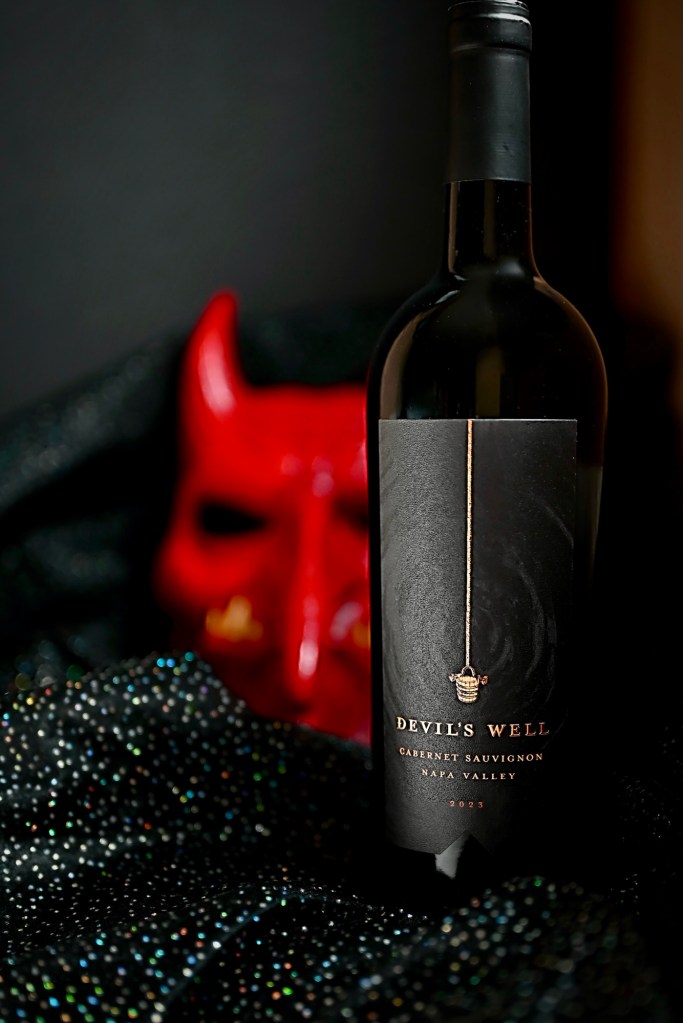

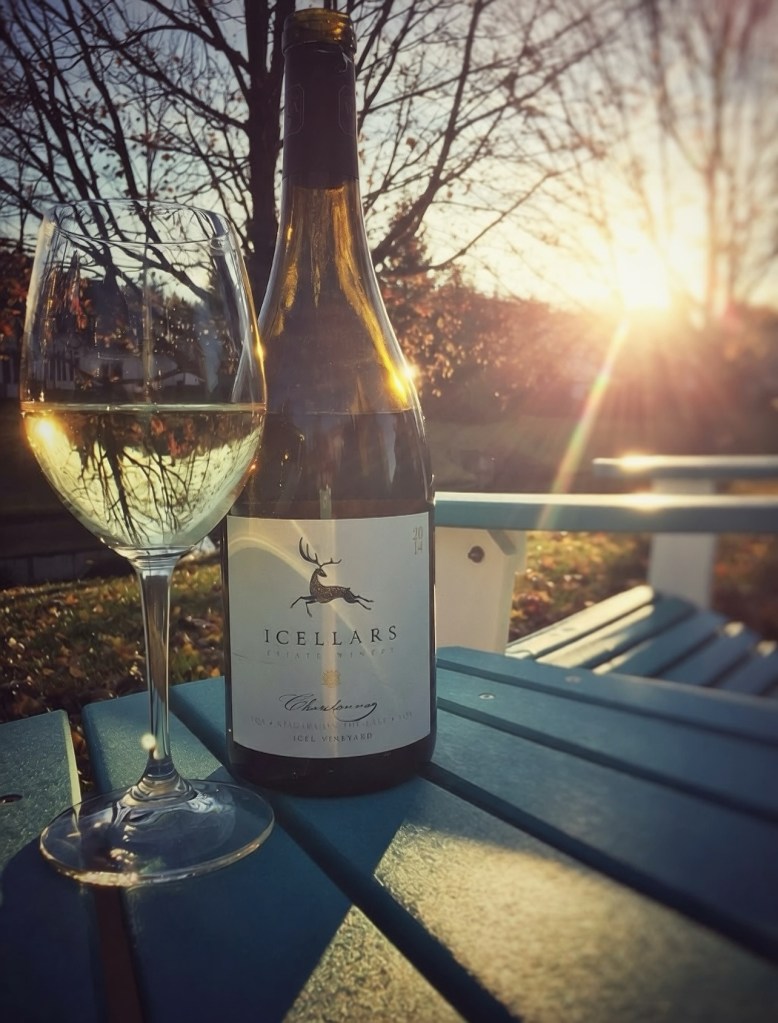

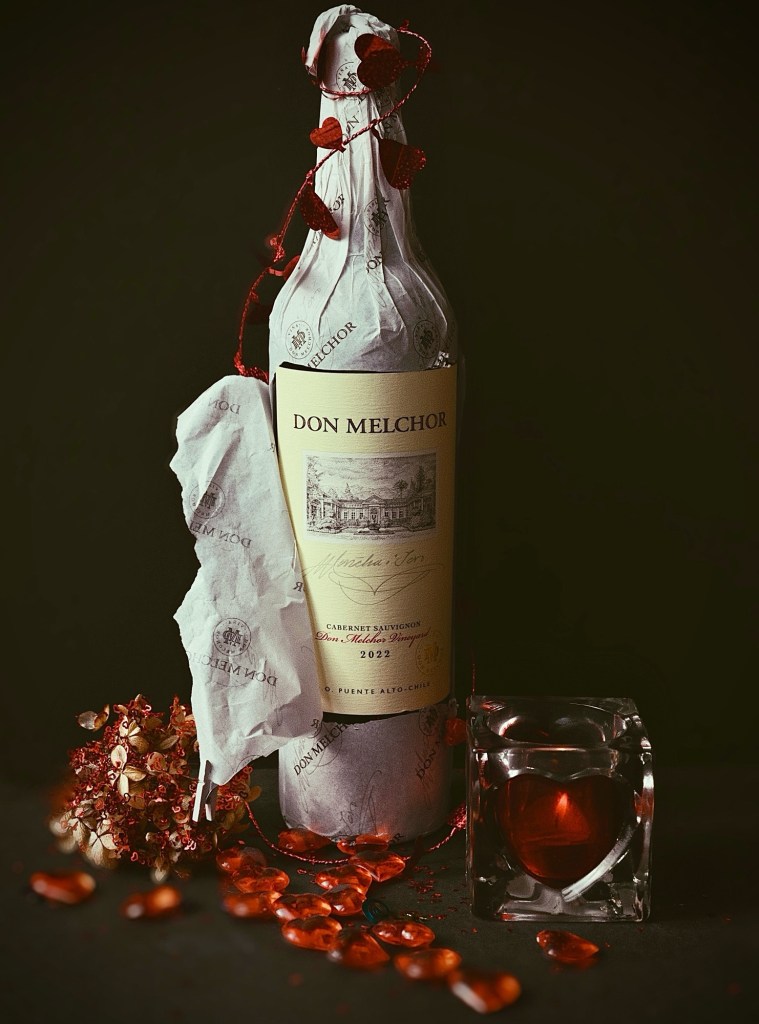

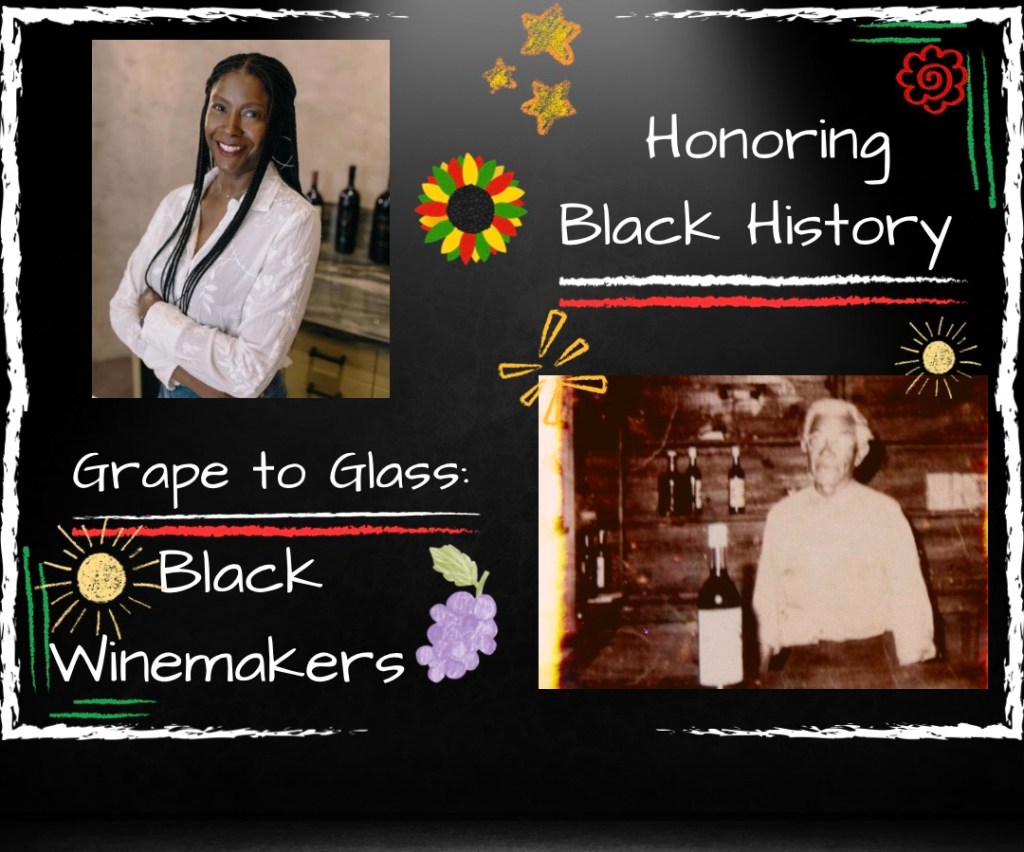


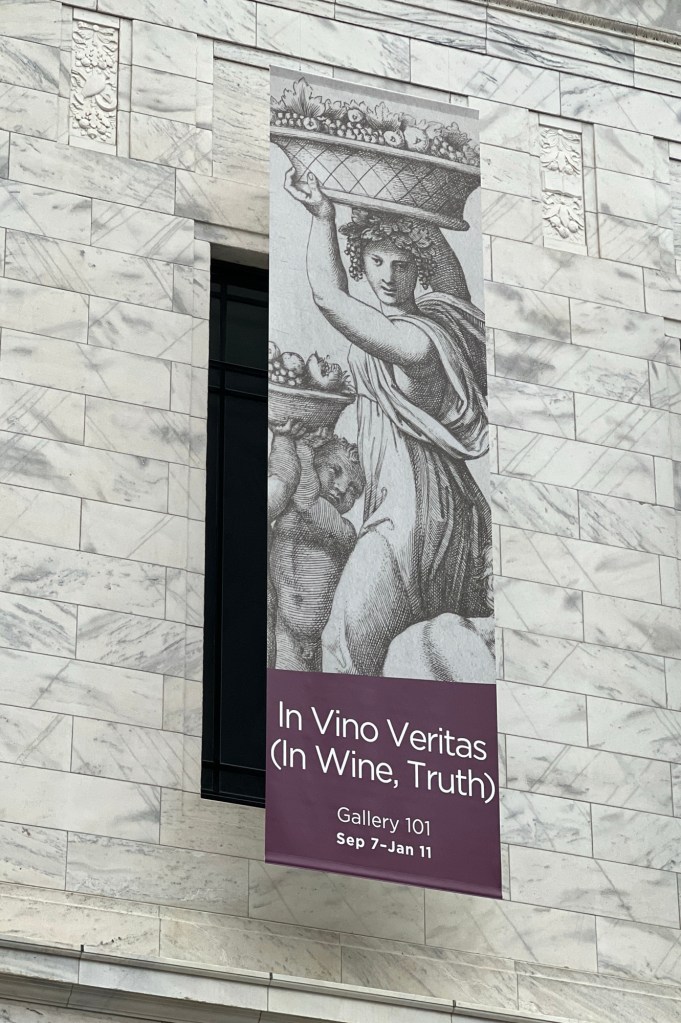
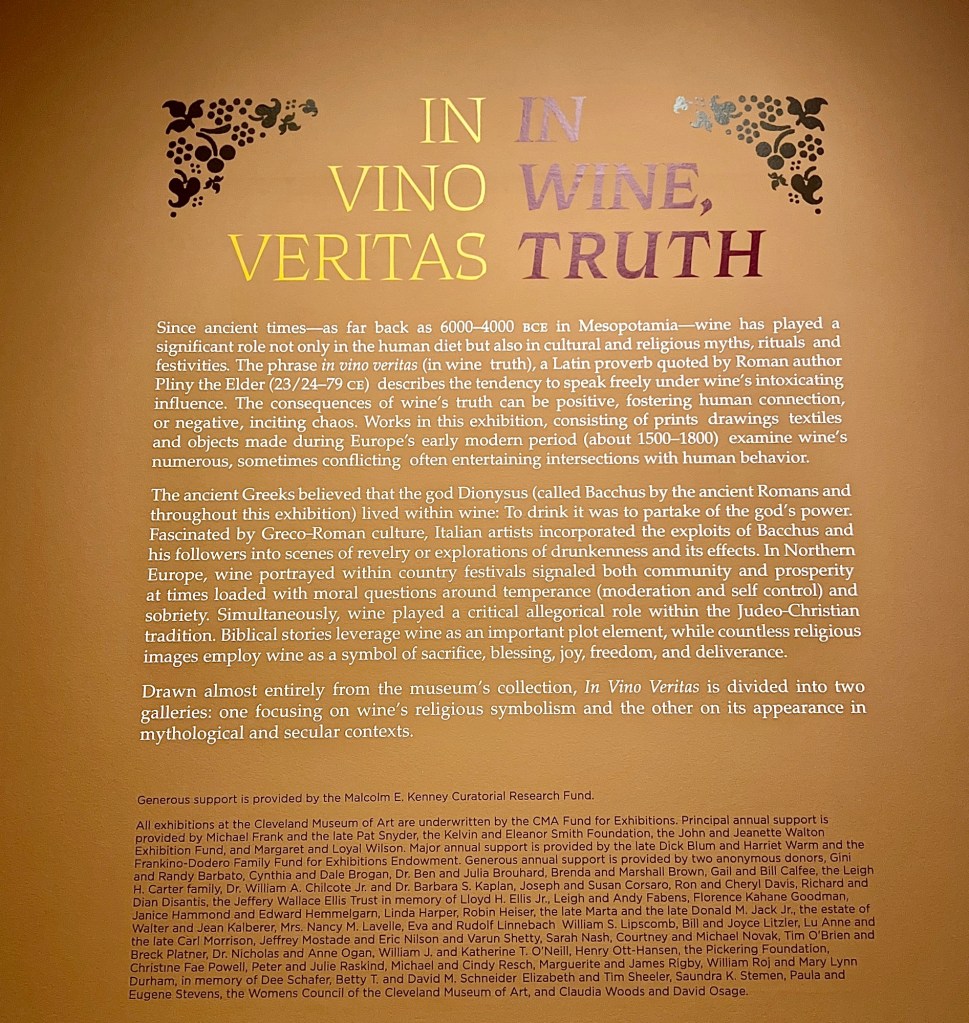
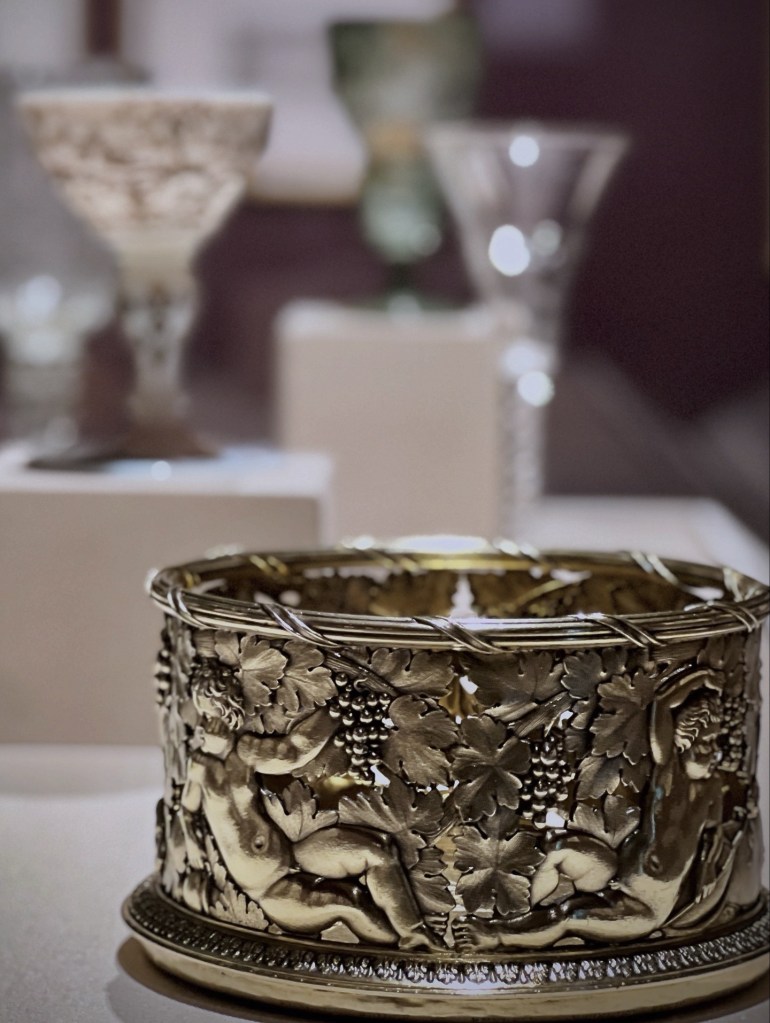
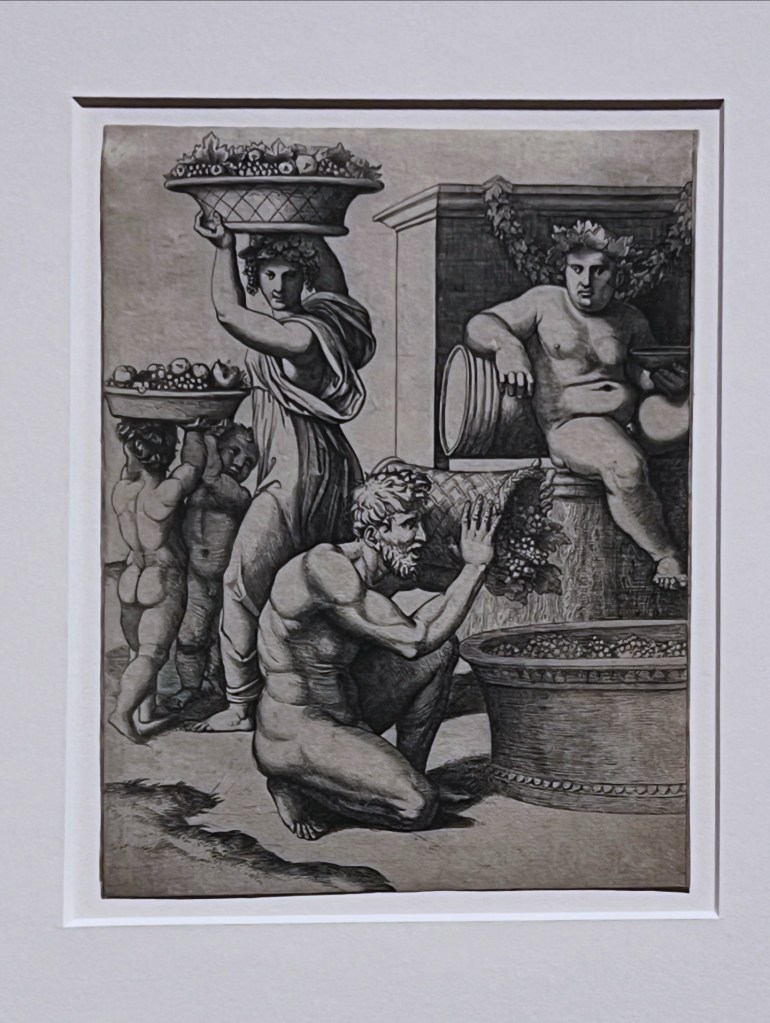
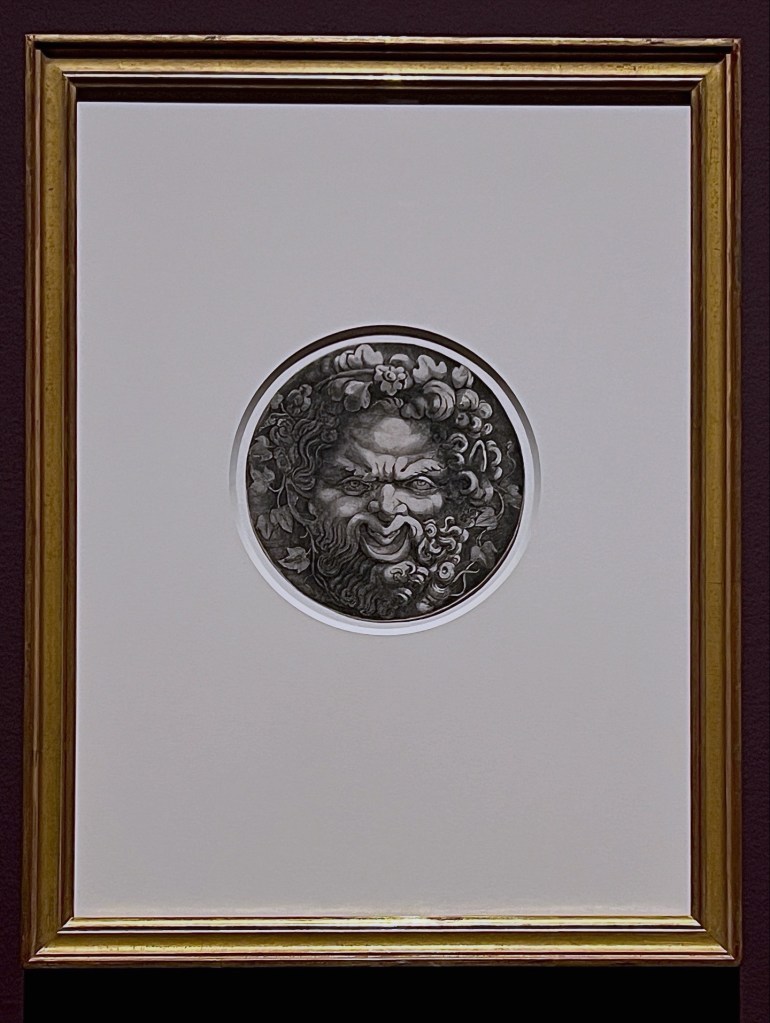


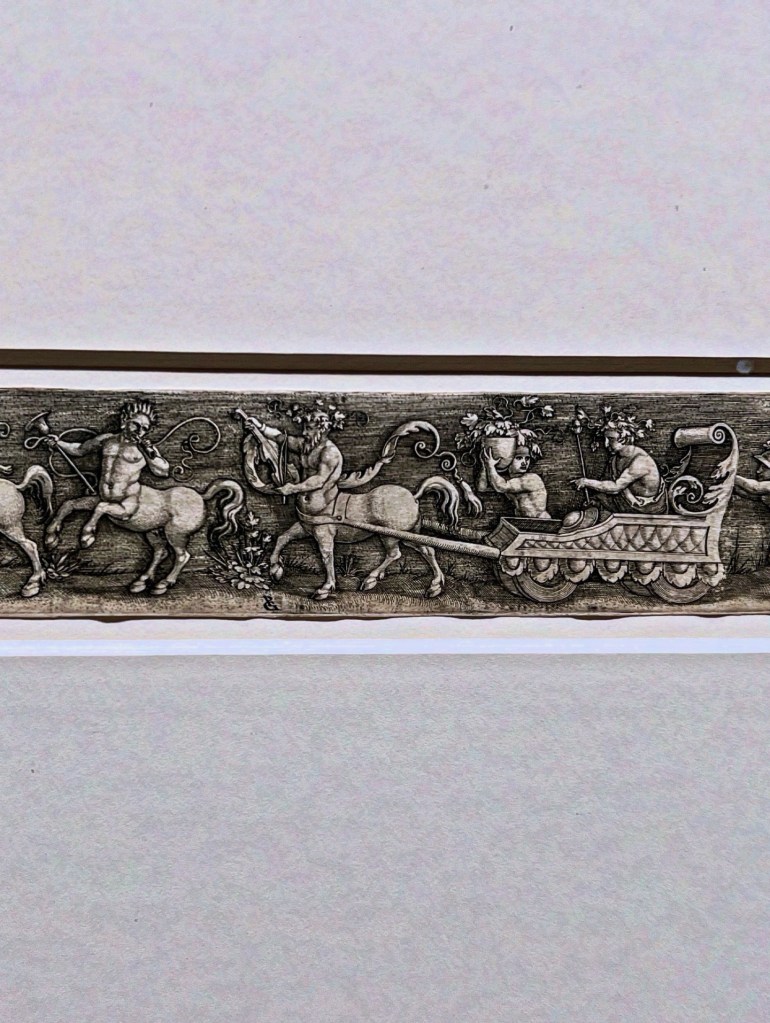


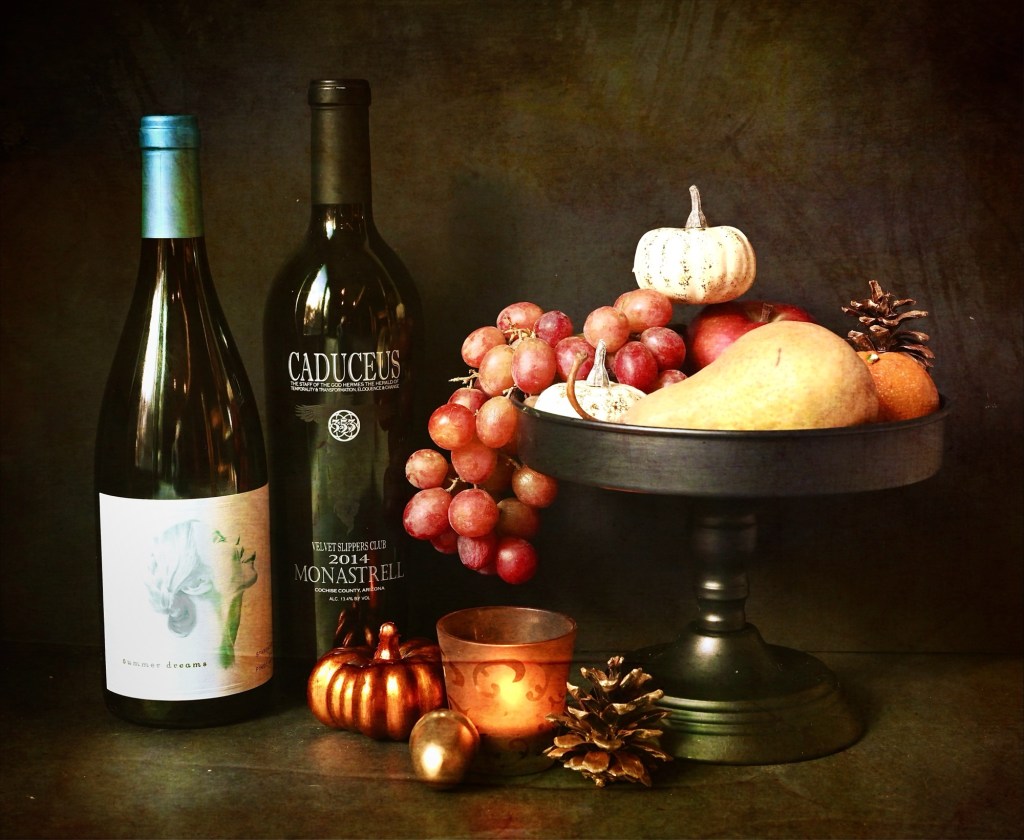
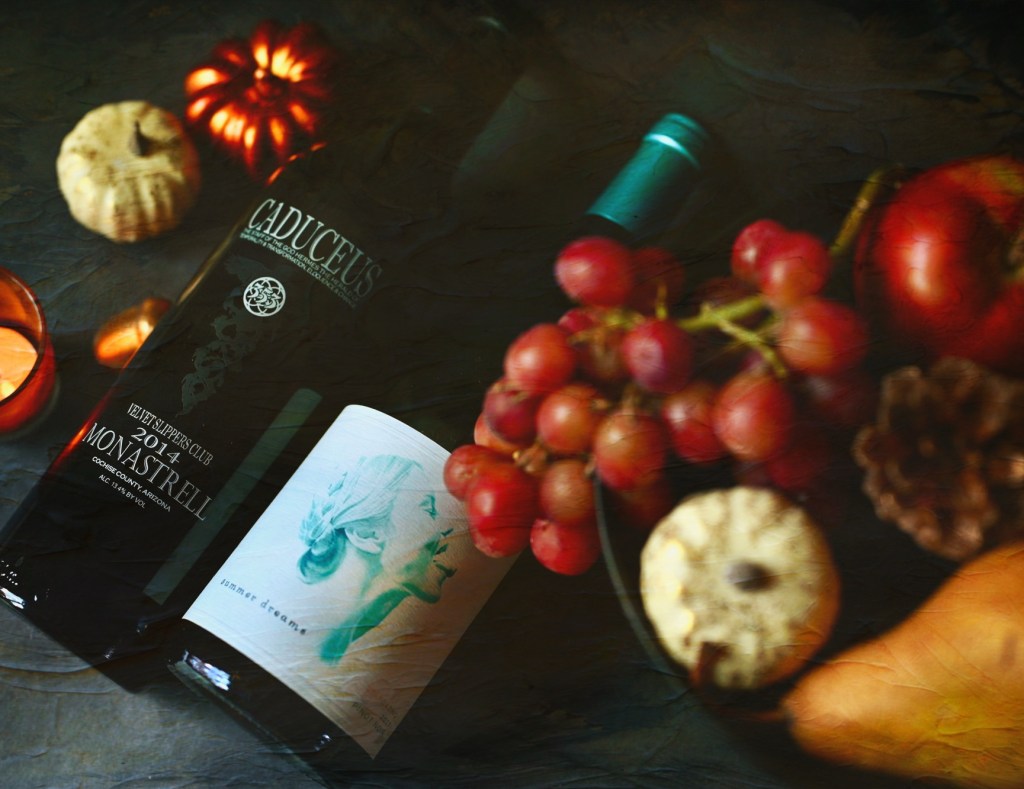

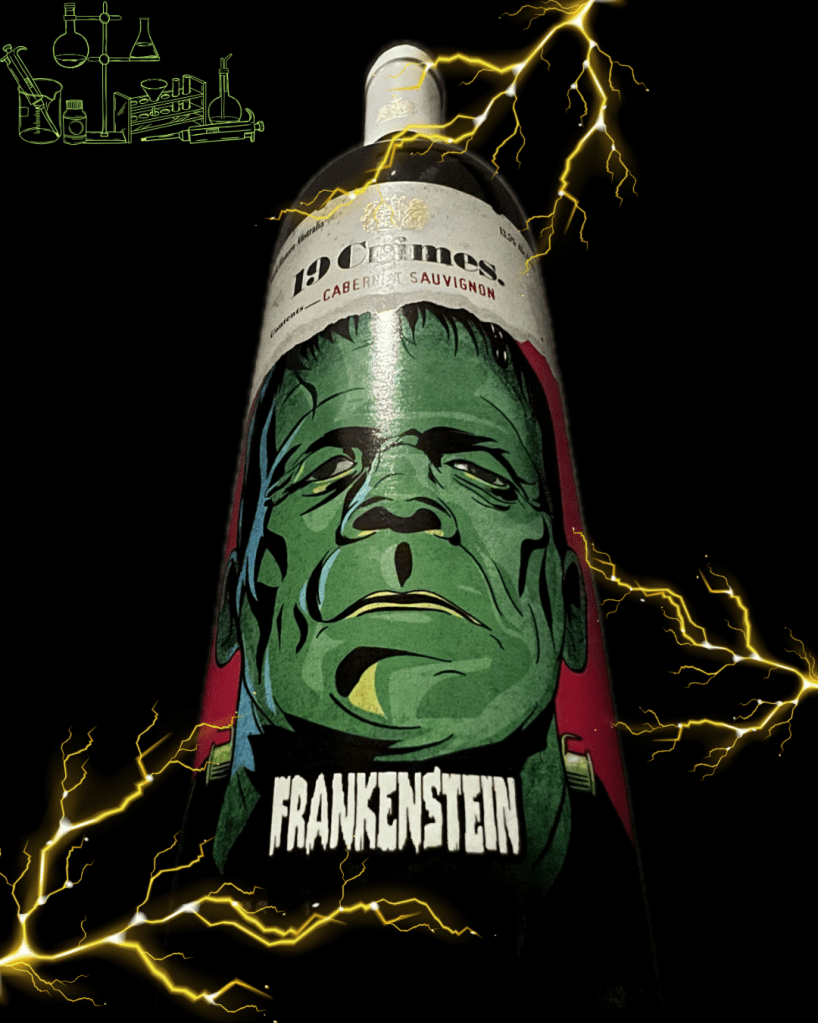

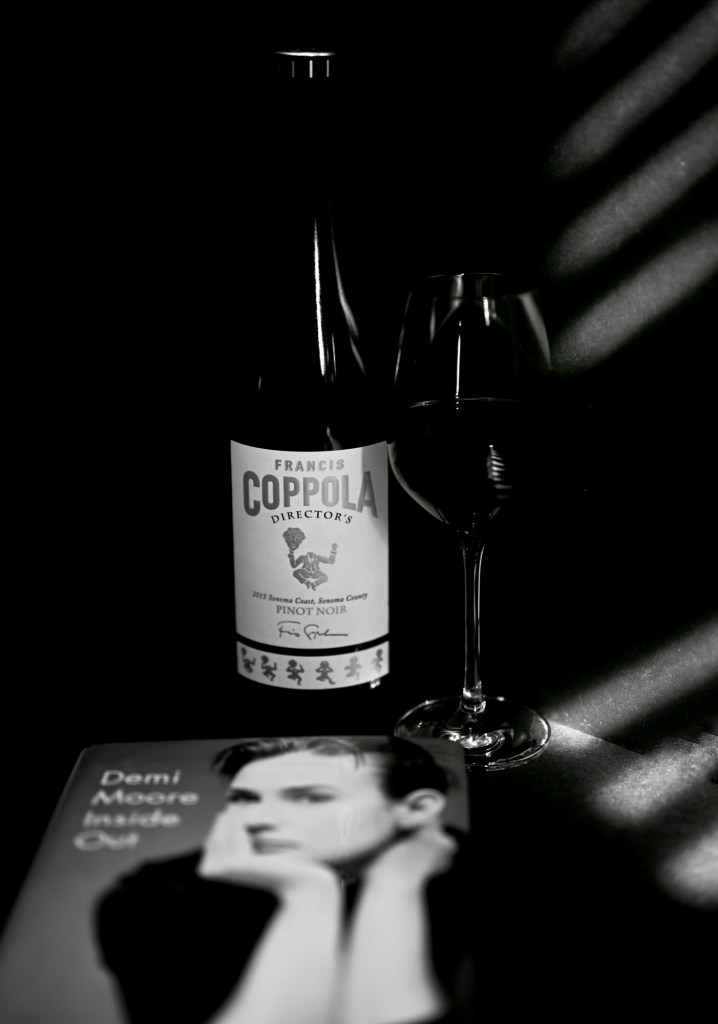

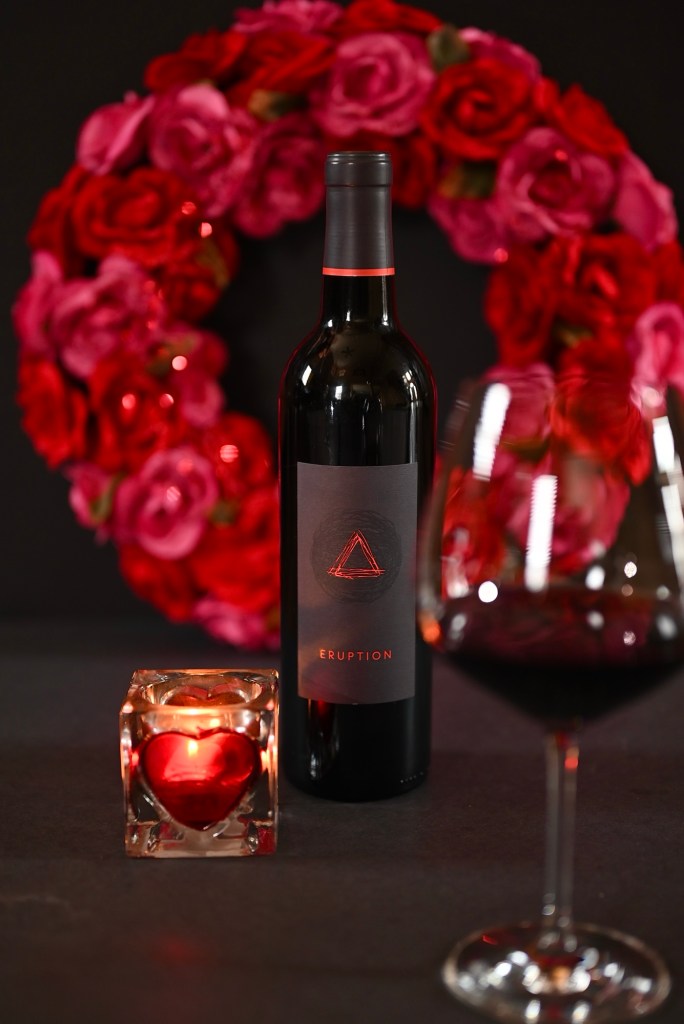

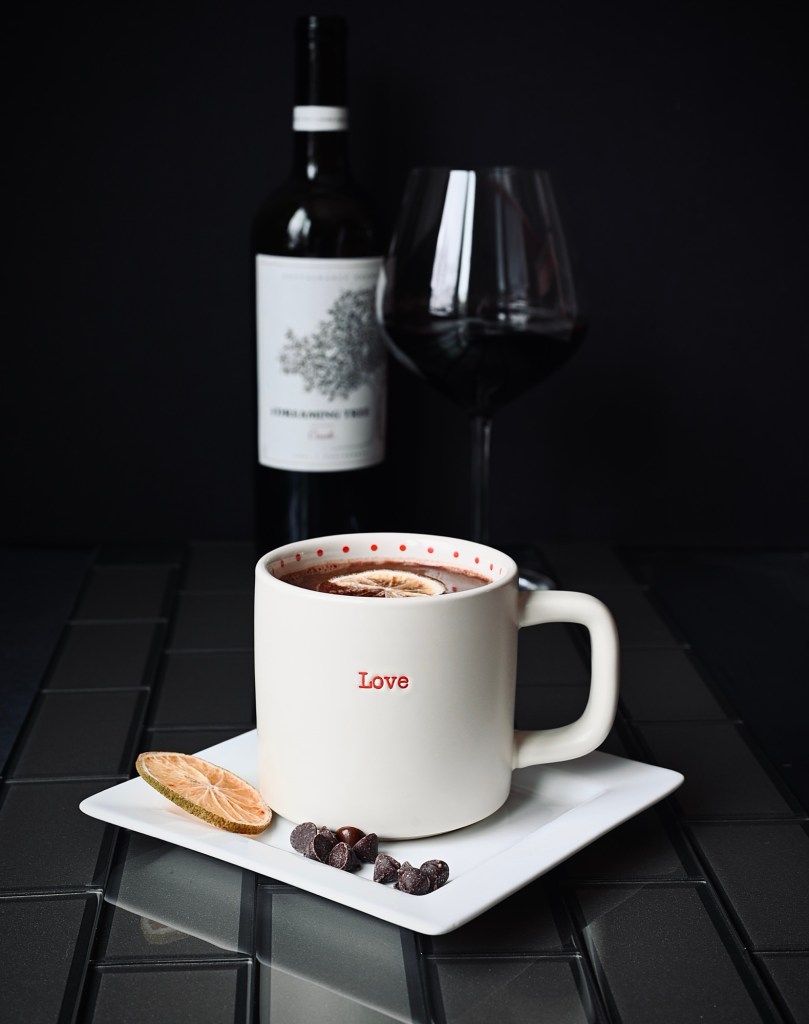

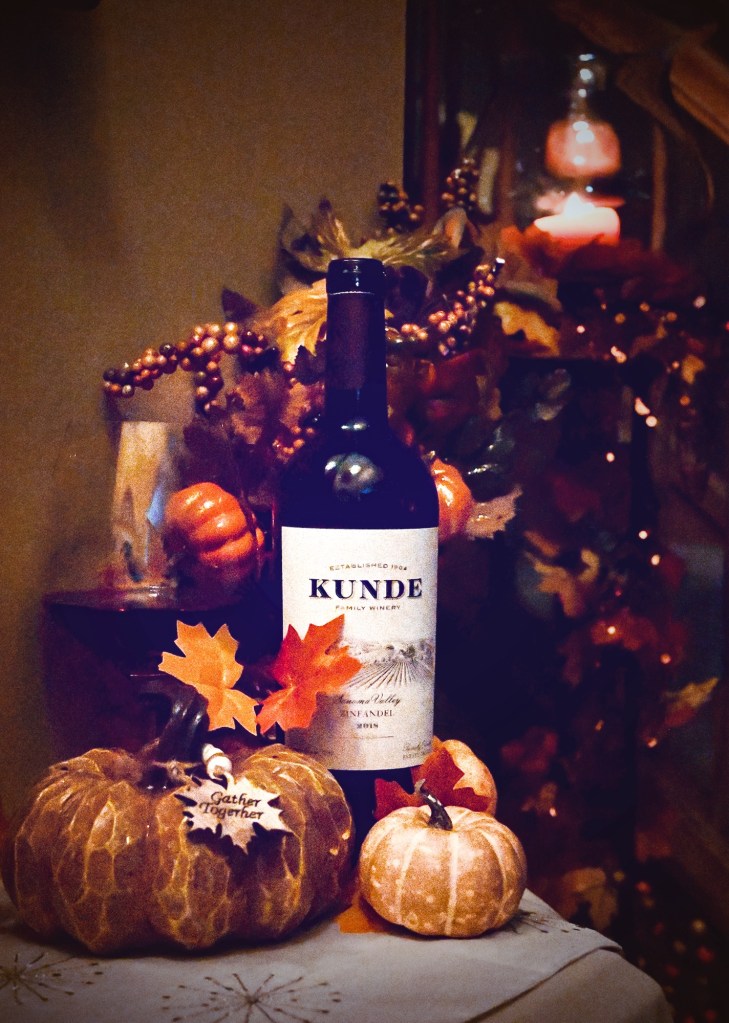

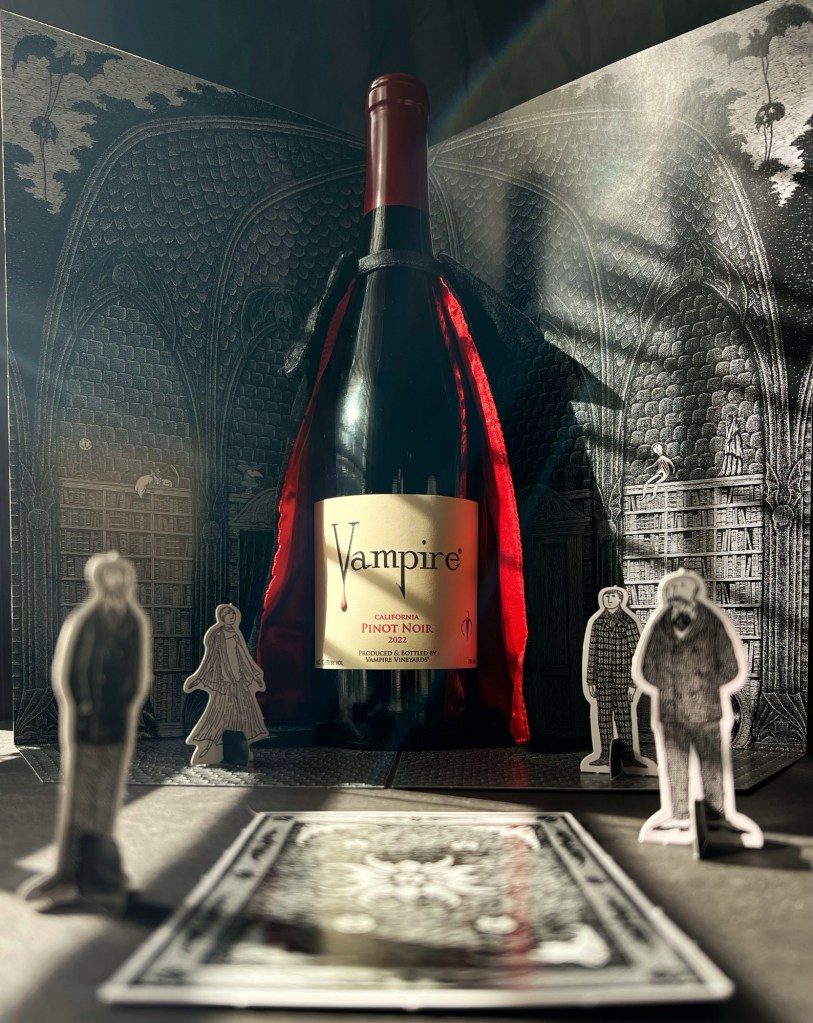




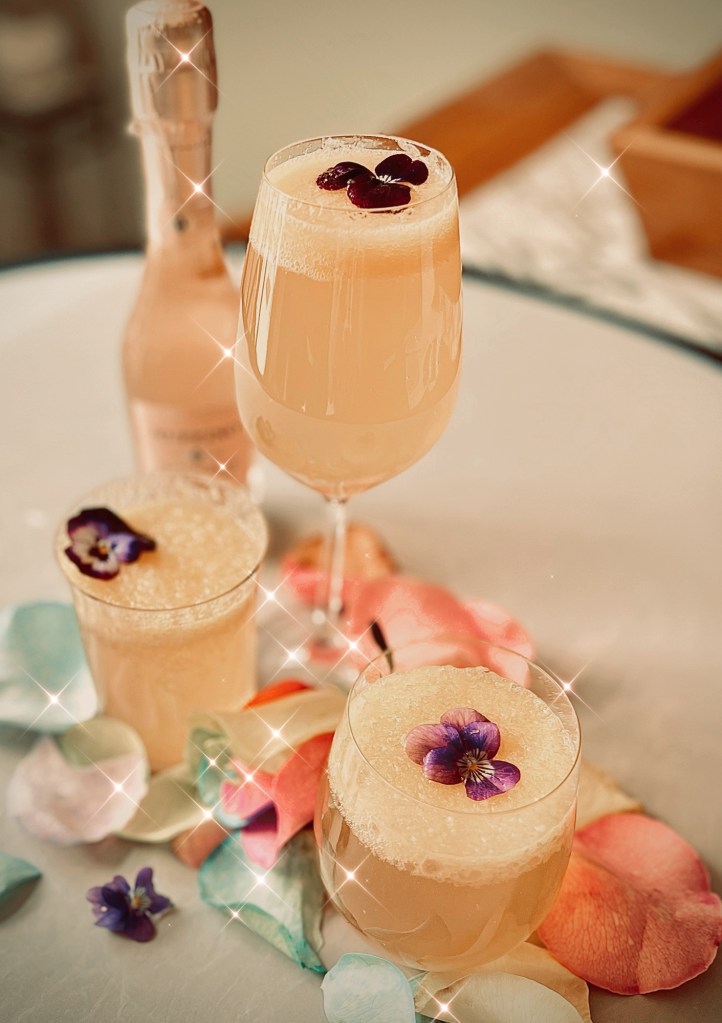

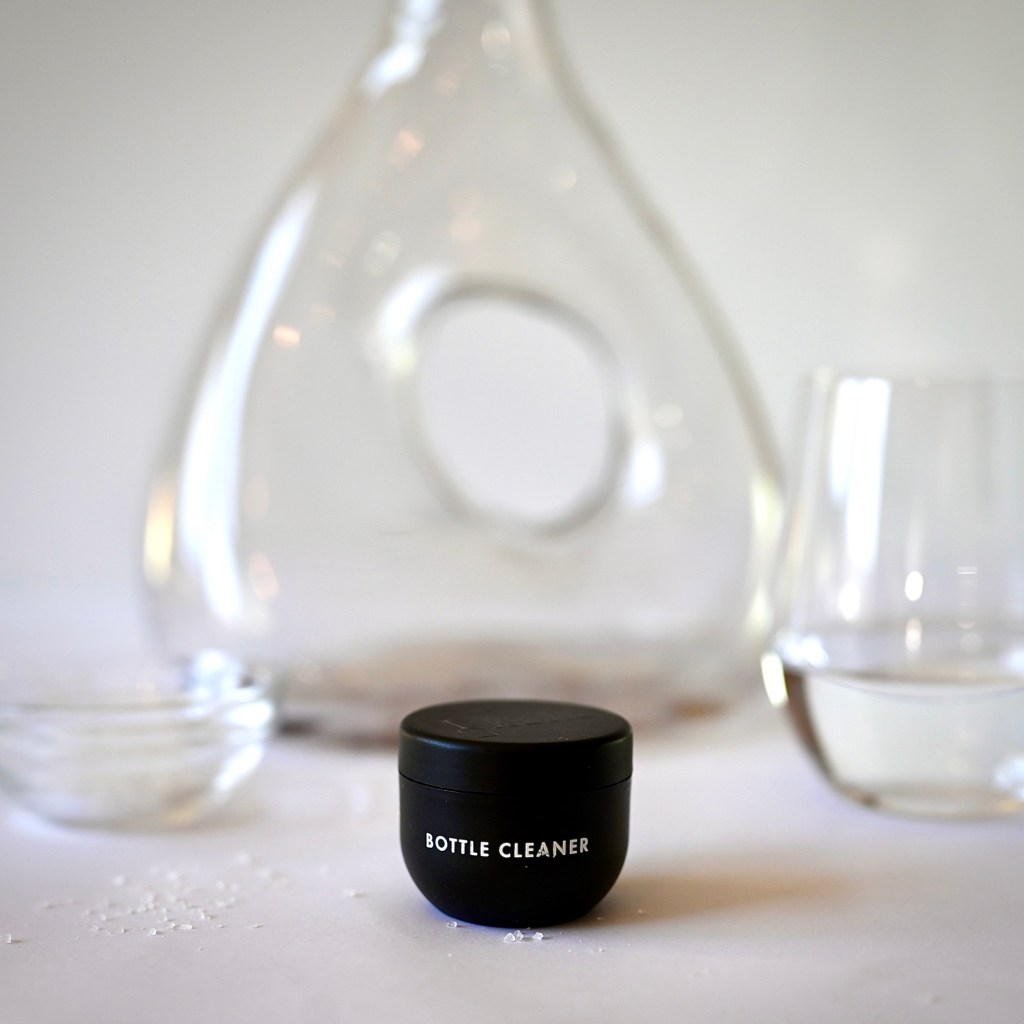

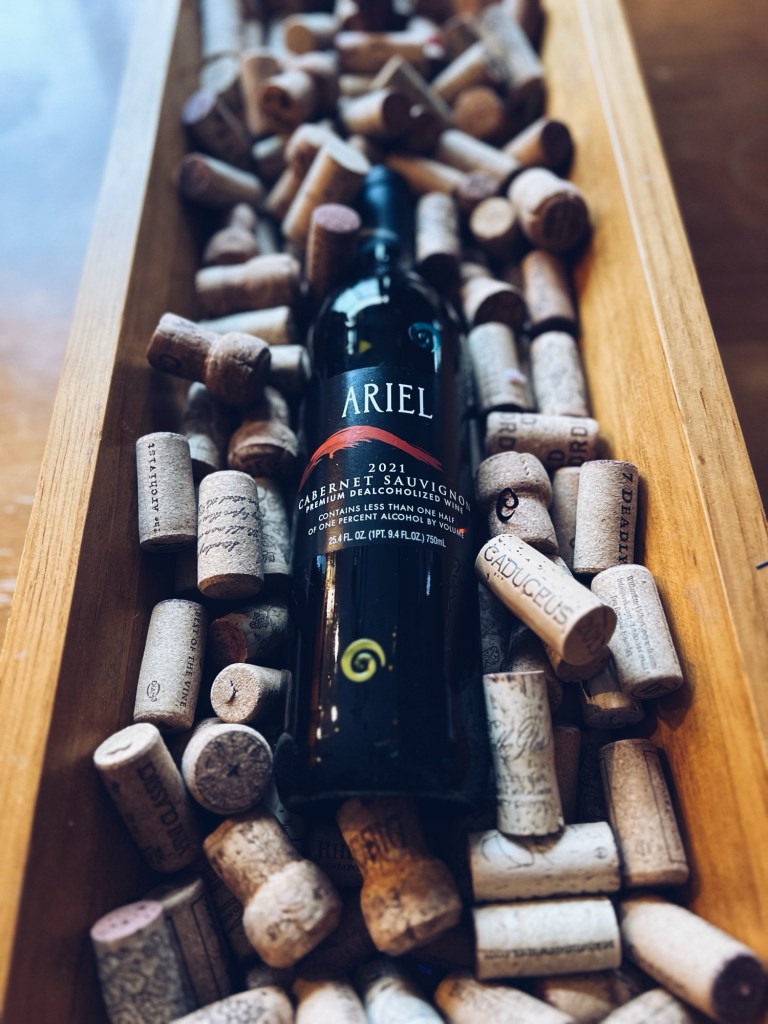

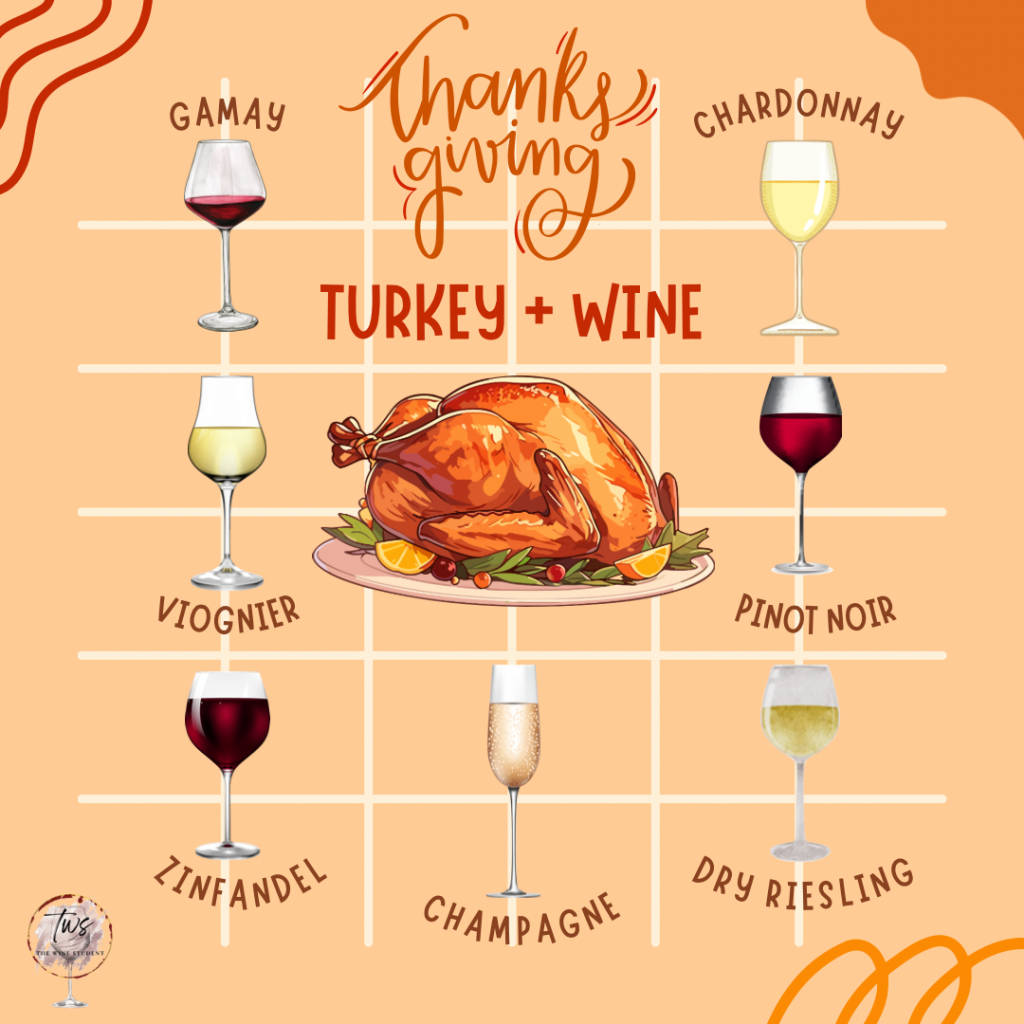


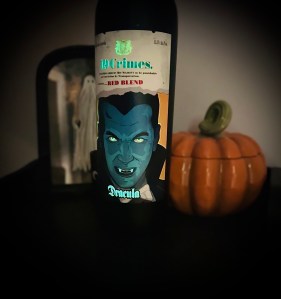
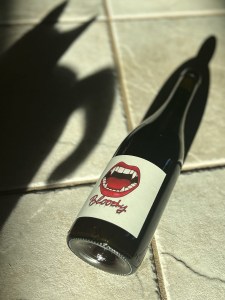


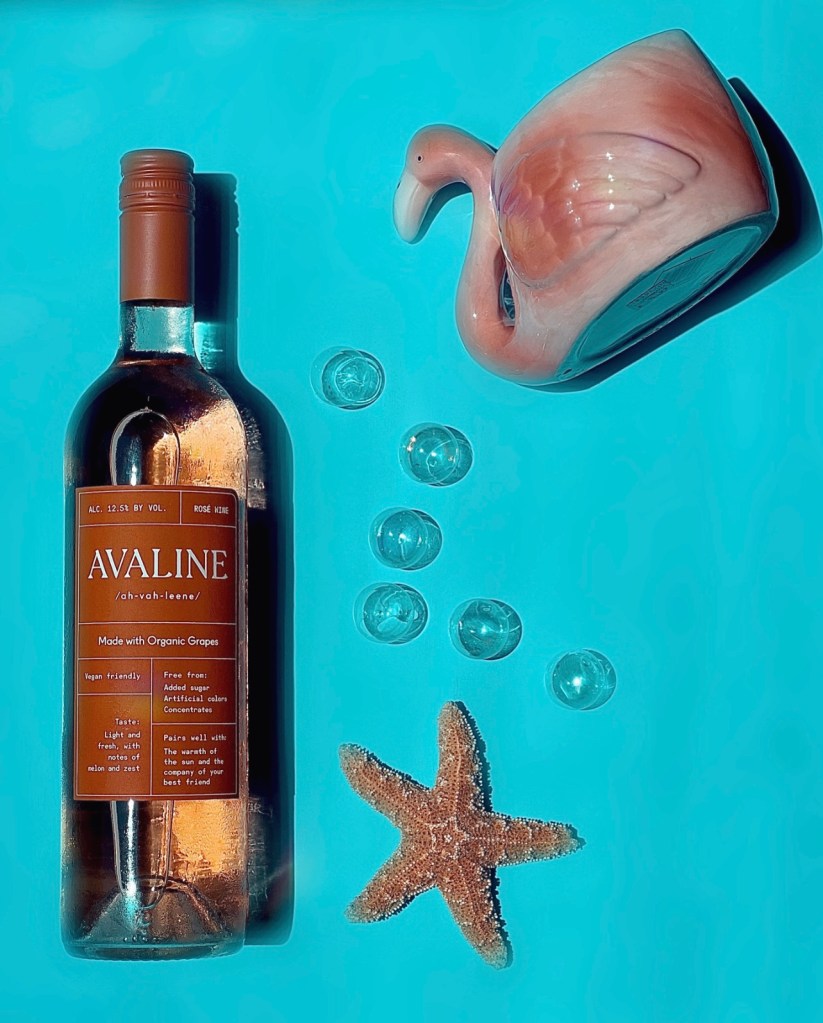


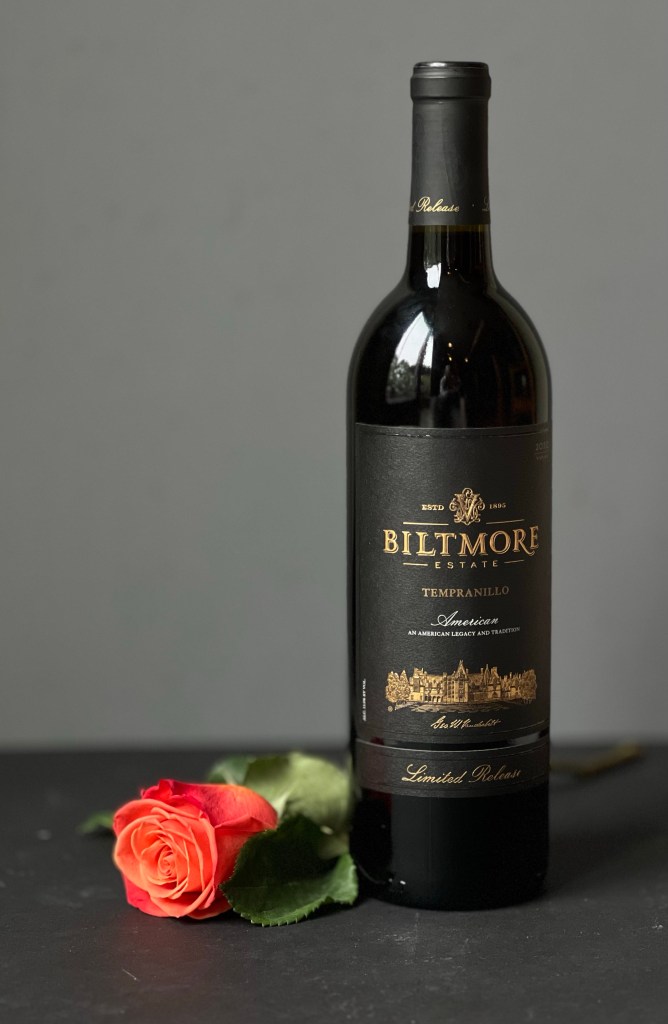
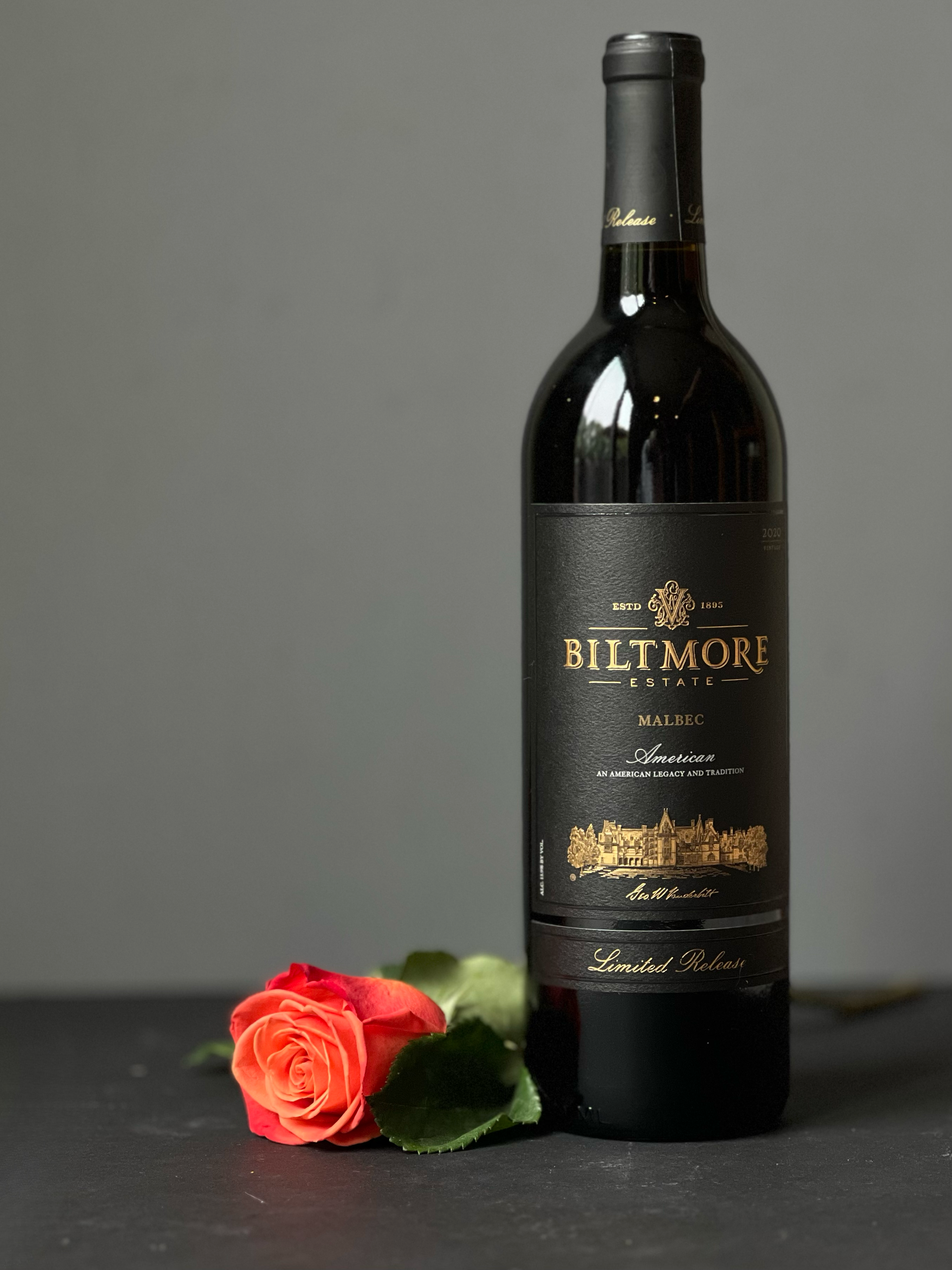






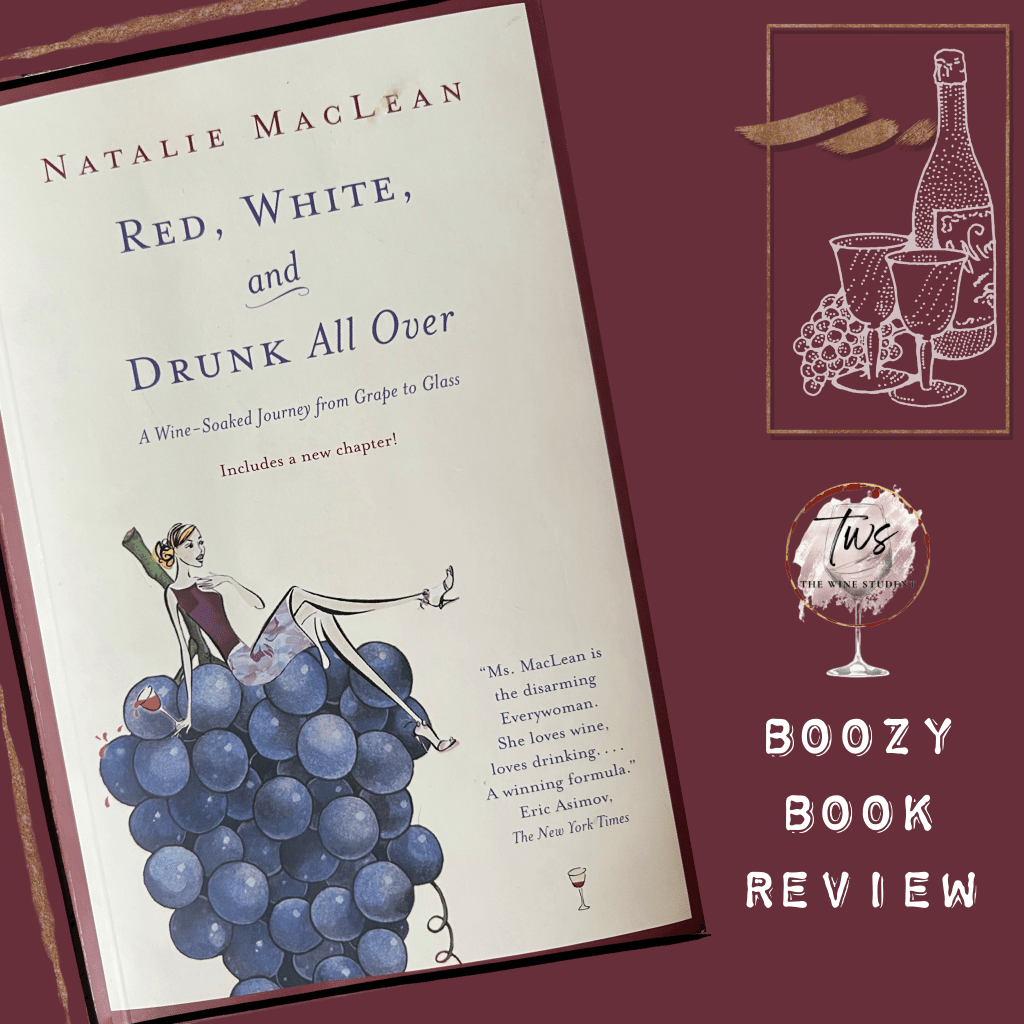

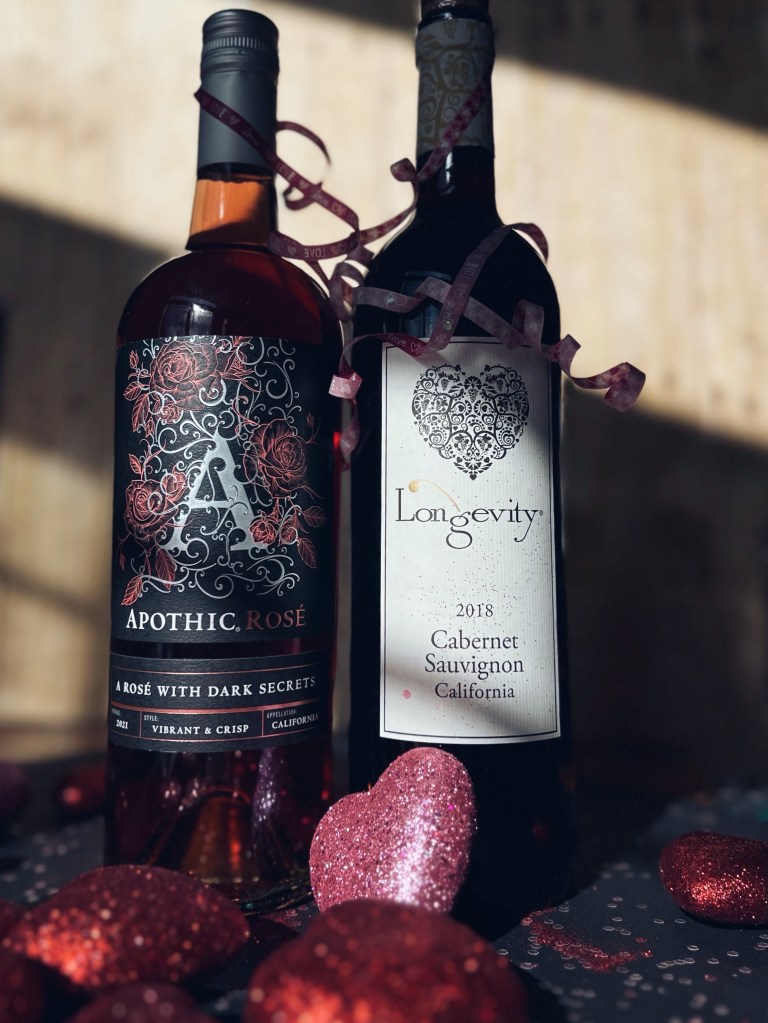


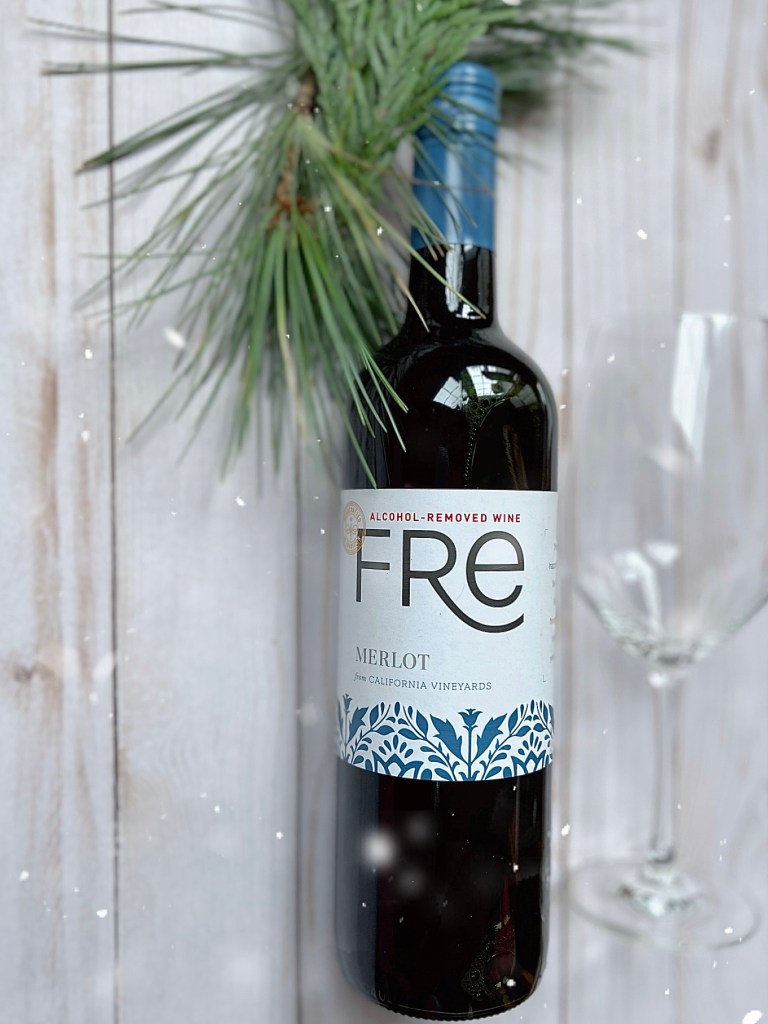
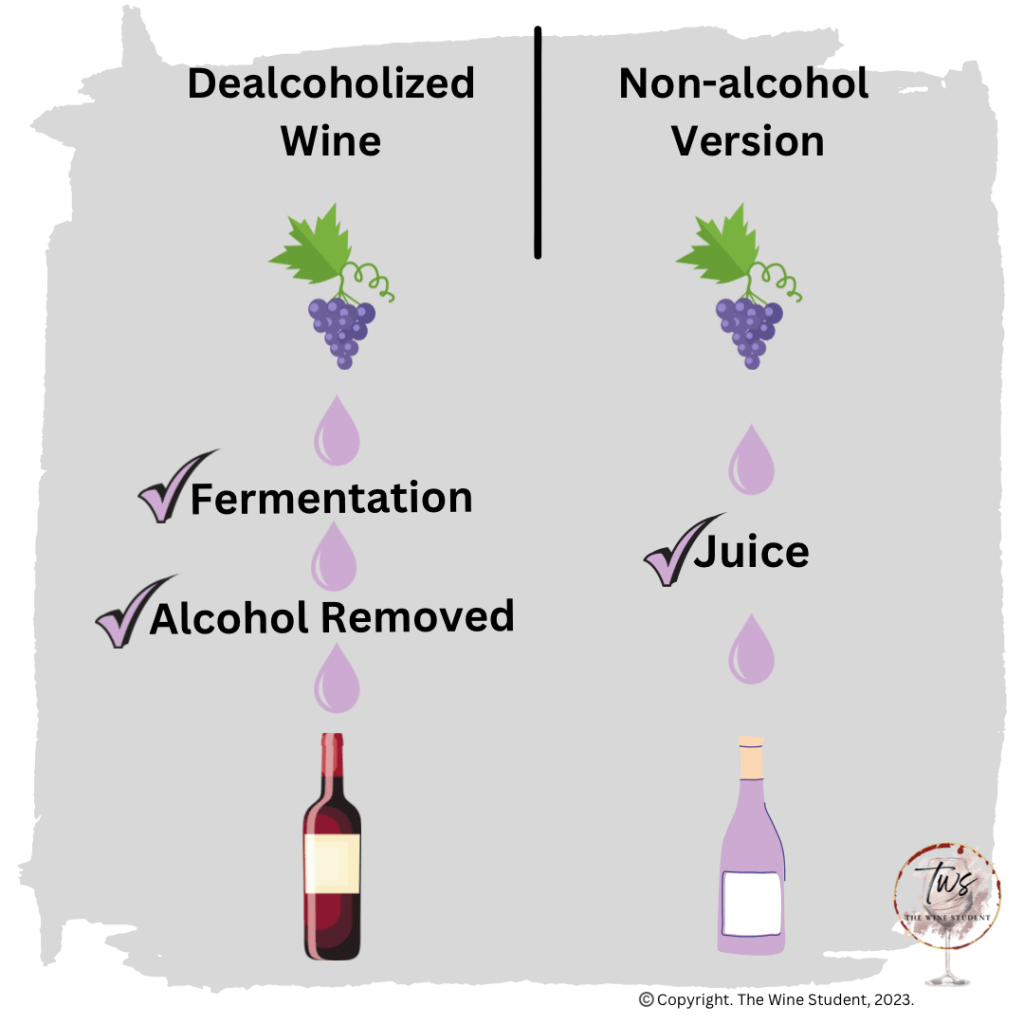




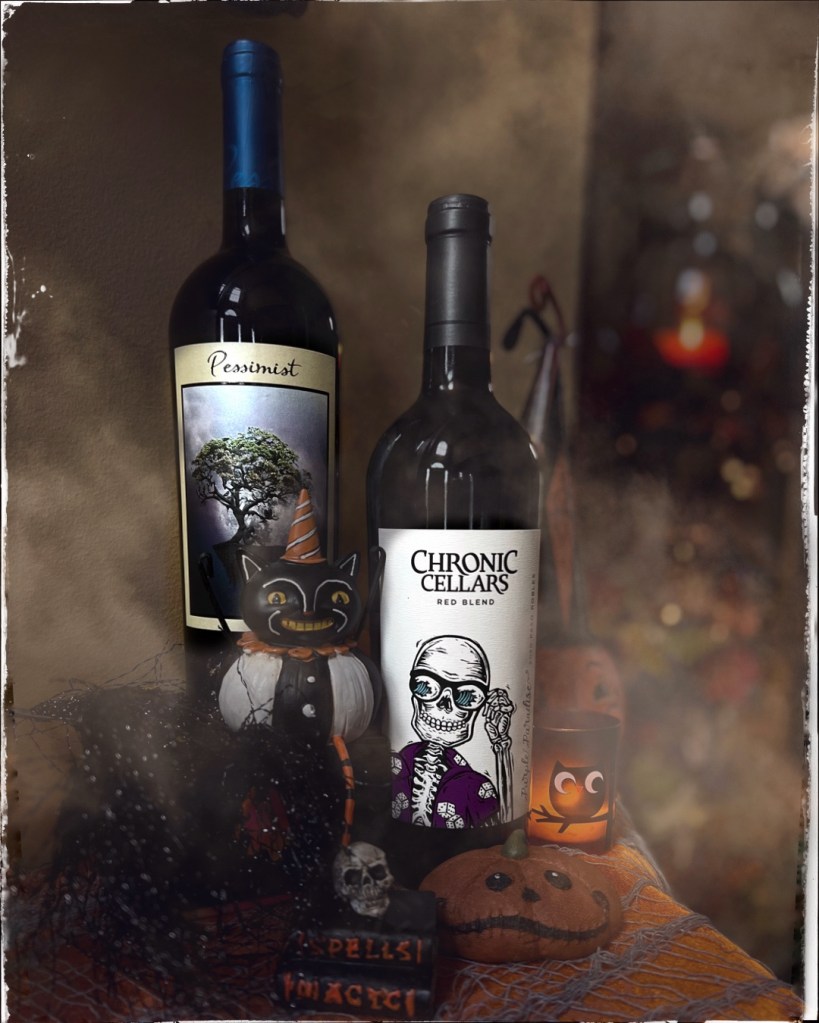


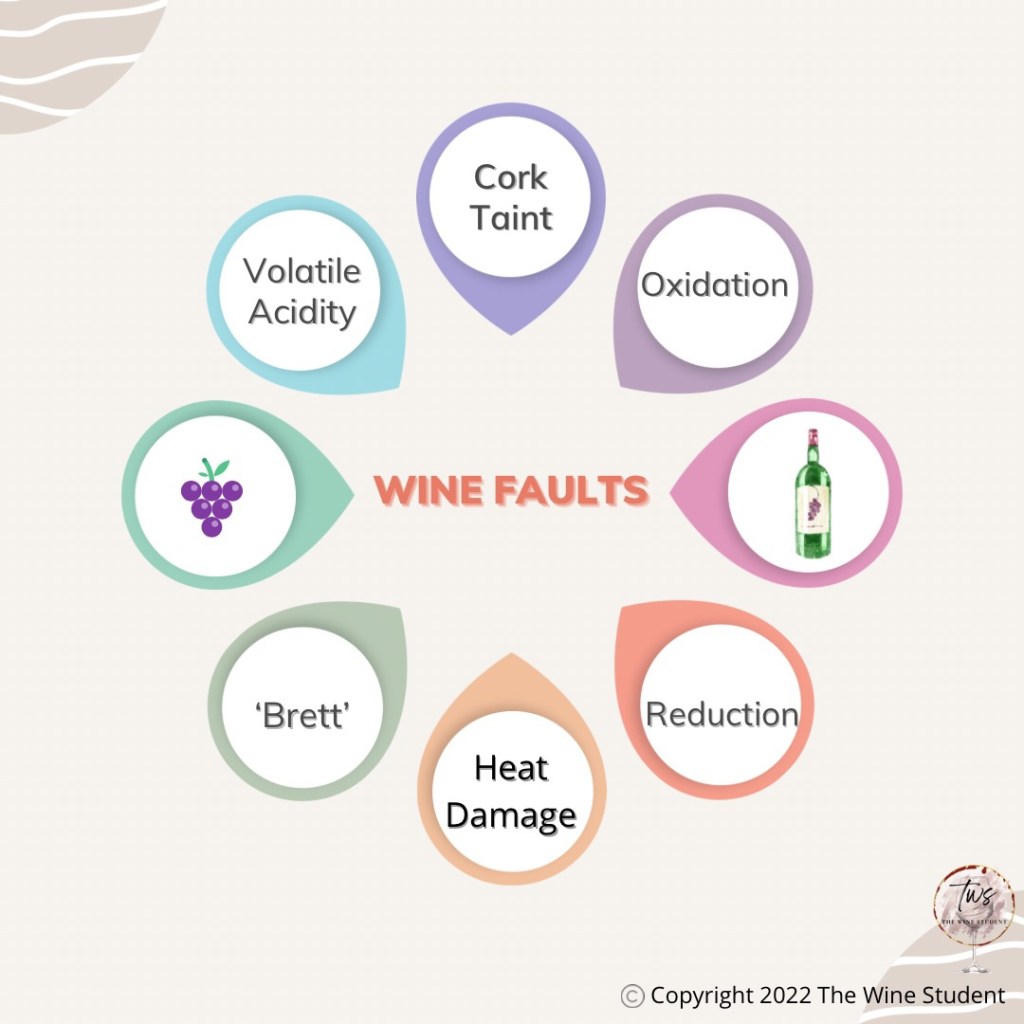


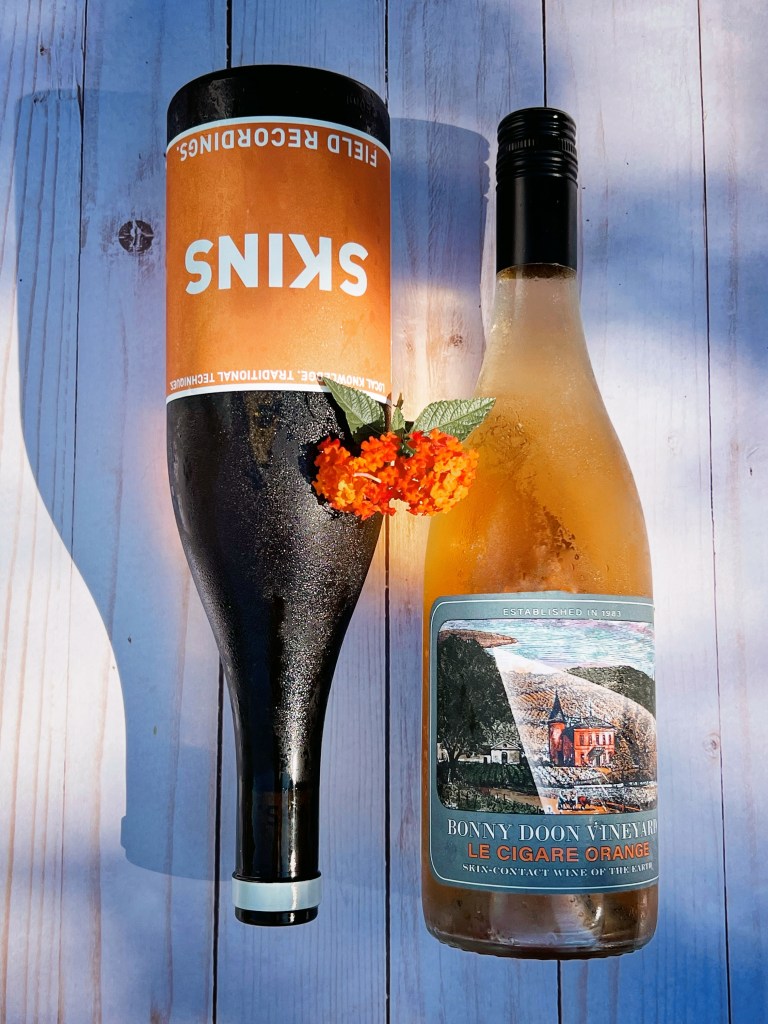
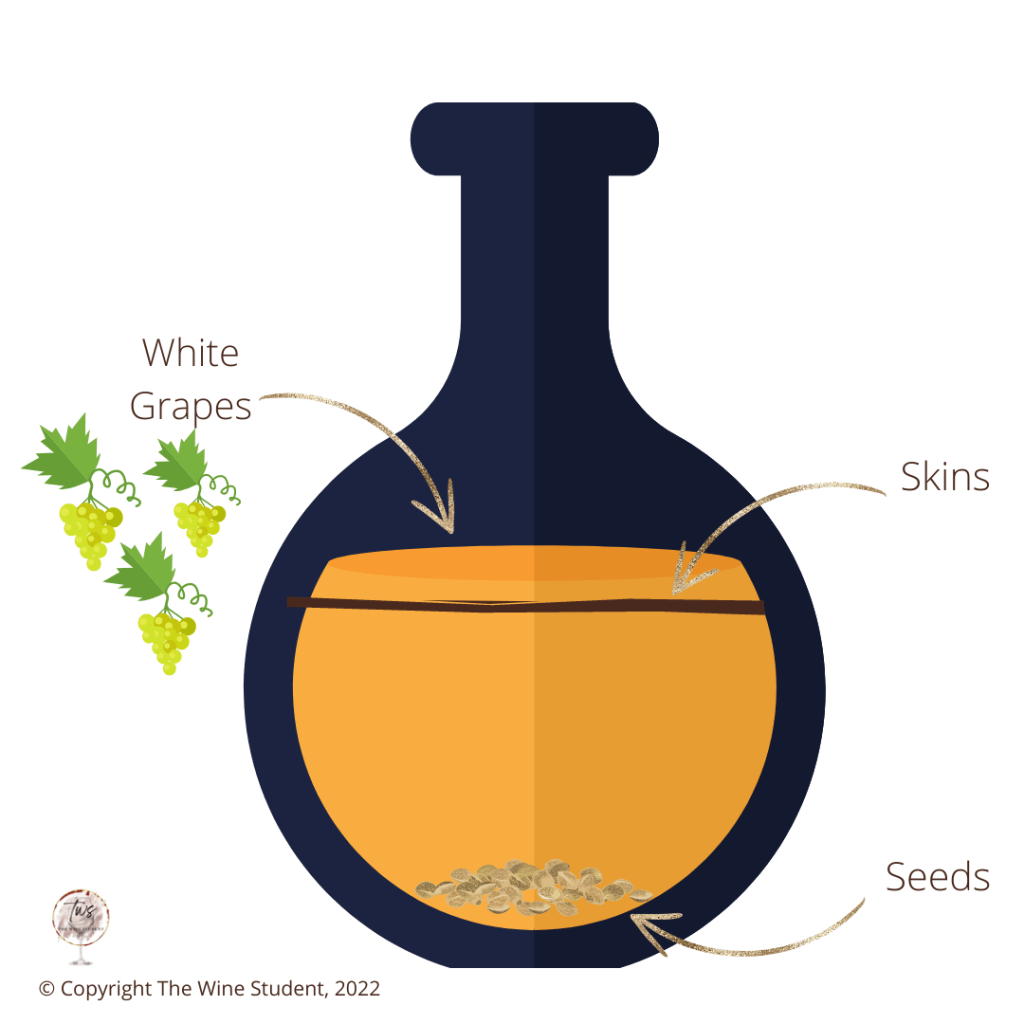





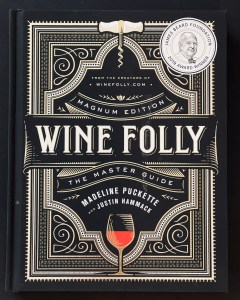
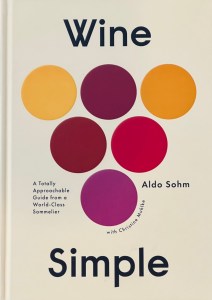


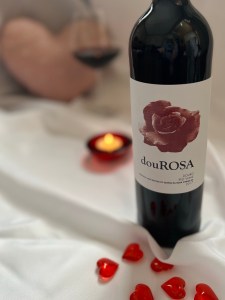
 ), Christmas, and Valentine’s Day.