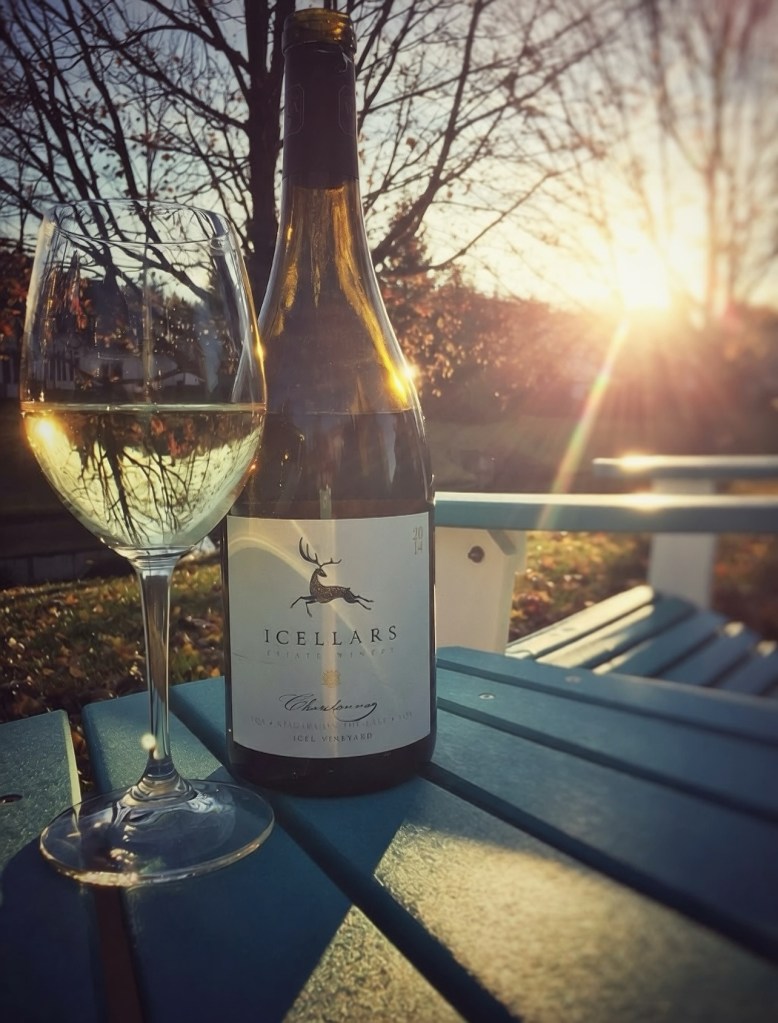
If I hurry I can just make it! Happy World Chardonnay Day!
Originally referred to as ‘Chardonnet’ – its earliest known origins date back to the 1600’s. Grown and cultivated in the Saone-et-Loire between Dijon and Lyon, the ‘grand dame’ of white grapes quickly became one of the more prolific wine varietals in the centuries to come.
The resilient Chard grape makes delightful wines in regions of varying climates from cool to hot. These regions also determine the kaleidoscope of flavors that we enjoy. Cool regions such as Chablis offer flavors of green apple or pear, and some vegetable notes such as cucumber. Moderate temperature regions (think Burgundy, and the New World) produce Chard with flavors of white peach, citrus and wisps of melon. Hotter climates – Maconnaise, Pouilly-Fuissé also New world locations such as California, Australia/New Zealand, South America and South Africa produce wines with tropical vibes like banana, pineapple, mango. Yum!
These flavors, along with the unique winemaking process has set Chard apart from many other white wines. While many shy away because of the heavy, smoky-oaky reputation, this isn’t true of all Chard. The creamy, buttery flavors are bi-products of malolactic fermentation used to soften any harsh acids. The lees ( dead yeast cells left behind after fermentation) are often mixed through the wine to add that creamy texture and savory flavors. Essences like toast, vanilla and coconut are provided by exposure to oak in barrels. Chardonnay is also one of the key components of that fizzy funmeister, Champagne.🍾🥂
Chard that has been aged away from oak barrels, in stainless steel vats, or concrete amphora can be beautifully delicate yet crisply flavorful. Chablis is a great example because of the purity of the fruit with no oak. Overall, Chardonnay is lush and full-bodied with a weighted, creamy, pleasing mouthfeel.
When you look at the label of a French Chardonnay, it is typically labeled according to the region, district, village or vineyard from which the grapes originate, as opposed to the word CHARDONNAY emblazoned across the bottle. Look for Côte de Beaune, Meursault, Puligny-Montrachet, Chablis, Pouilly-Fuissé, et Mâconnaise.
Pairing Chardonnay
Chard plays very well with others especially:
•Mild, buttery creamy dishes -Mac and cheese
•Meaty fish such as halibut, cod, shellfish -crab, scallops, lobster, shrimp
•Baked poultry with butter and herbs
•Veggies such as corn, butternut squash, sweet potatoes, mashed potatoes
Celebrate today responsibly but take time to savor, sip and really enjoy that beautiful Chard. You’ll be glad you did.
Cheers!😙🎉
©️Copyright.The Wine Student. 2026


