Sunday Fun Day!

  
When I went for a run with my girl today, I could feel the change in the air. It didn’t matter that just last week we’d had the best park charcoal barbeque ever, in sweltering heat. What a difference a week makes…

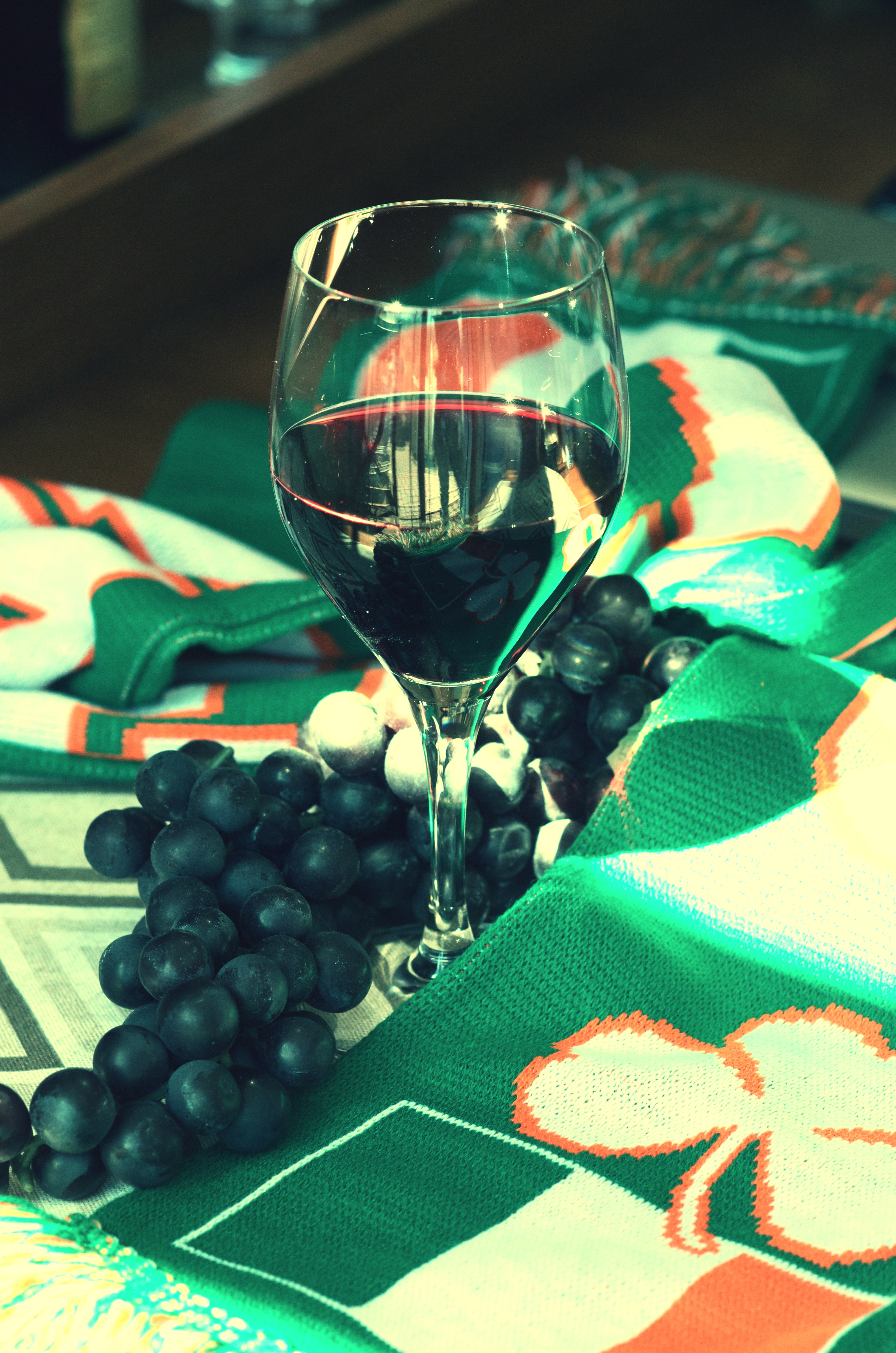
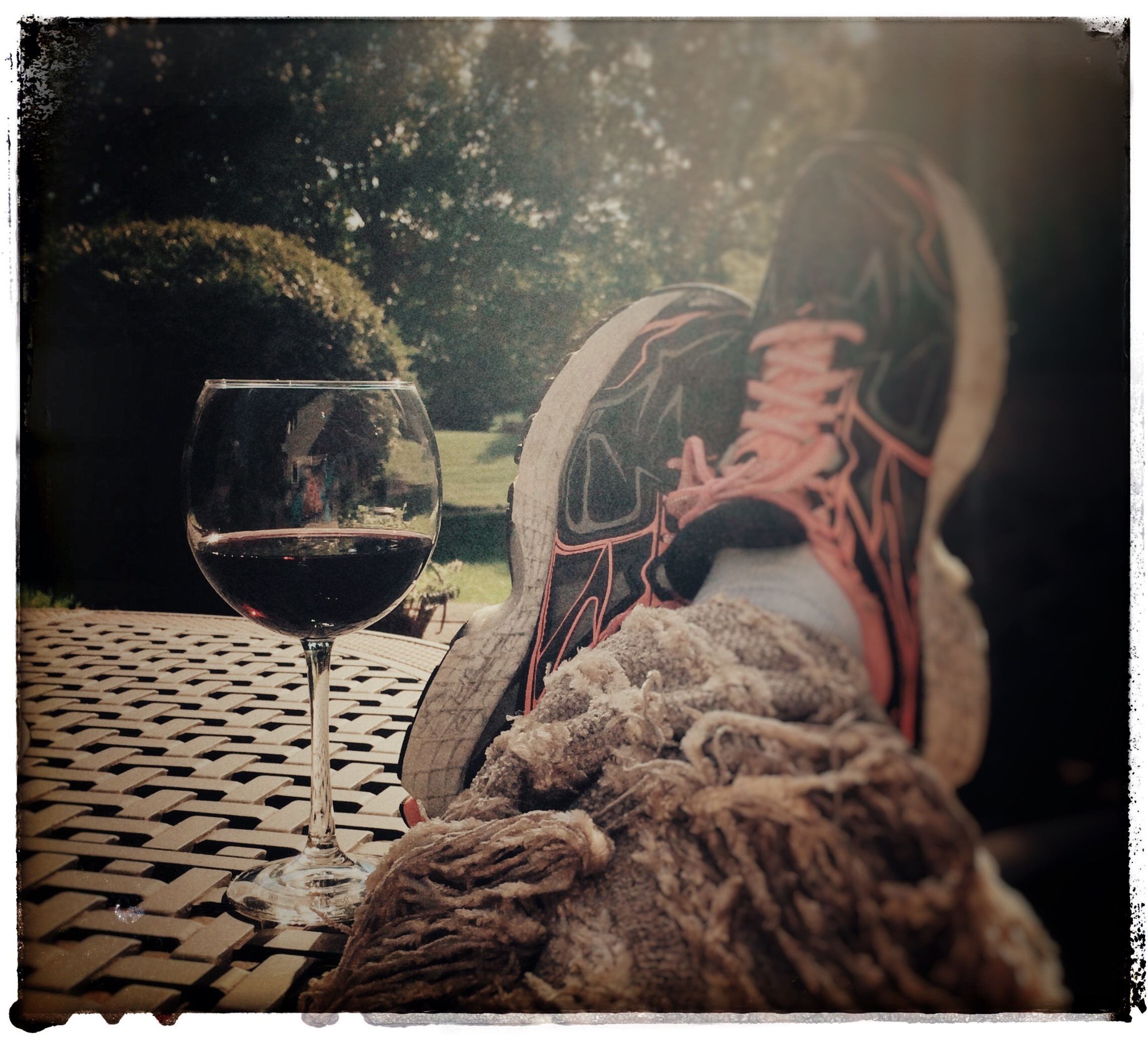
The chill in the breeze and the way the sun hit the trees felt all too familiar. When I got home, I busied myself with little chores that I’d put off in the past few weeks. Feeling accomplished, even though I still had my running clothes on, I opened at bottle of 2010 Mendoza Vineyards Malbec. I wanted to take a little moment to toast the little things that herald the coming fall ~ even though we’ll have a few more warm days before the cold air becomes a longtime companion. 

Cheers! 

Chills and Thrills!

I think the coast is clear. It’s now safe to put your patio furniture in its full lounging position. Summer has arrived in the Cleve!

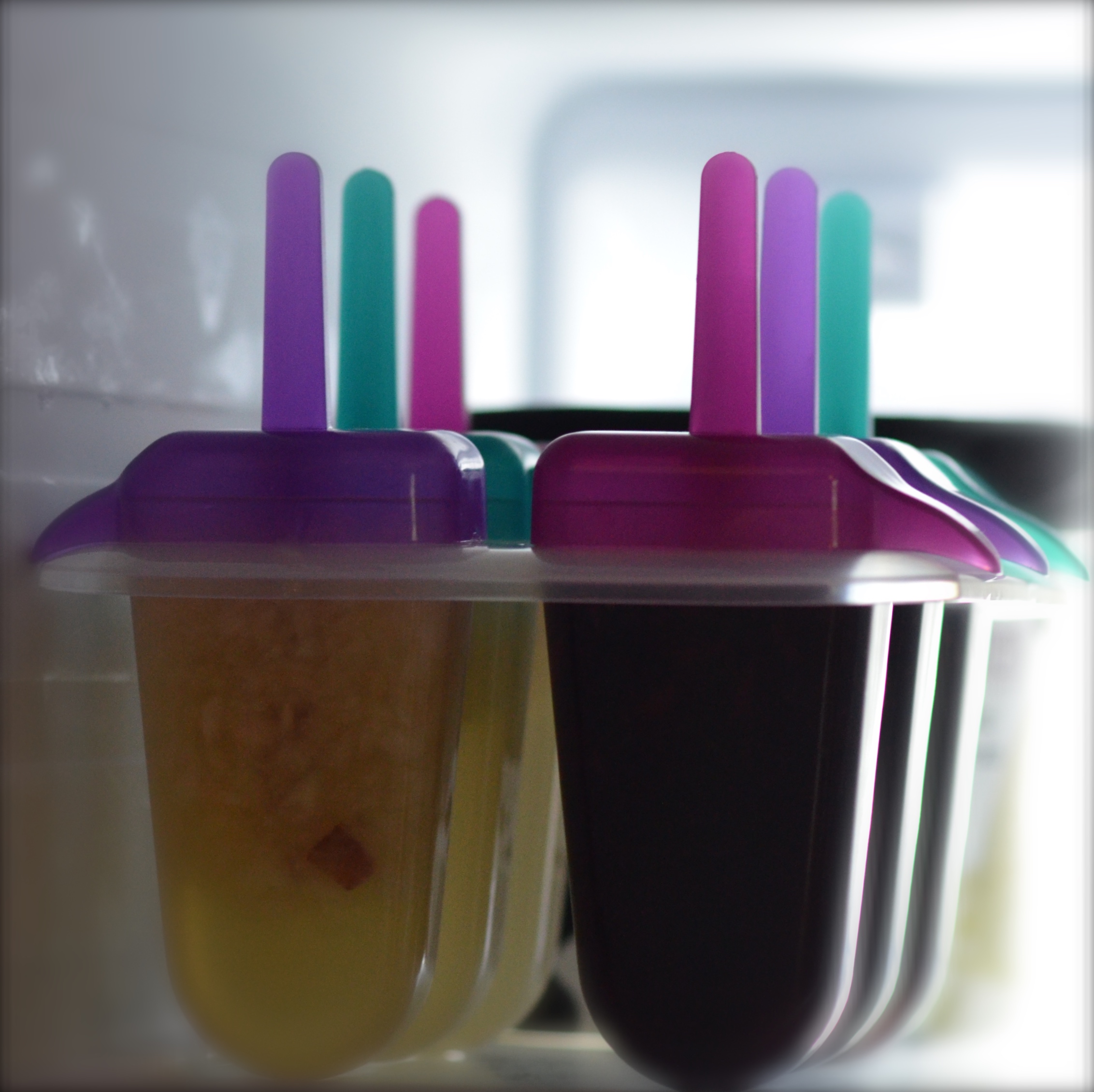
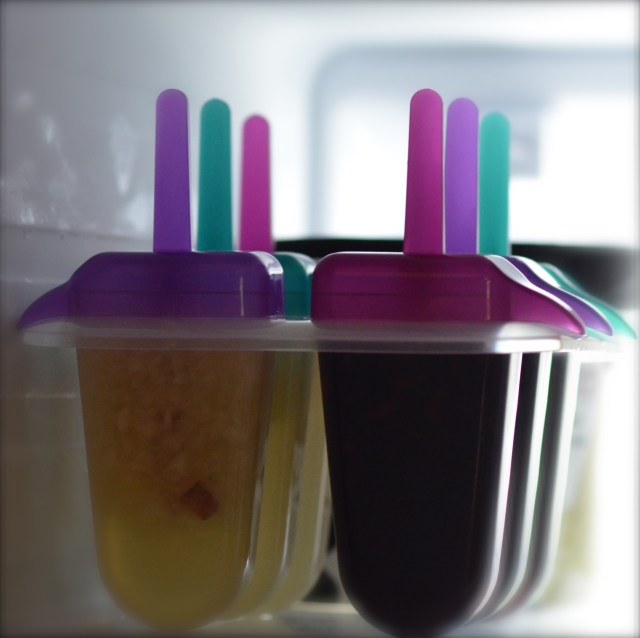
I can’t think of a better way to celebrate days when the mercury climbs, than running through a sprinkler or enjoying winesicles. I did some research and found many variations on the theme. The easiest two were from Bon Appetit magazine.

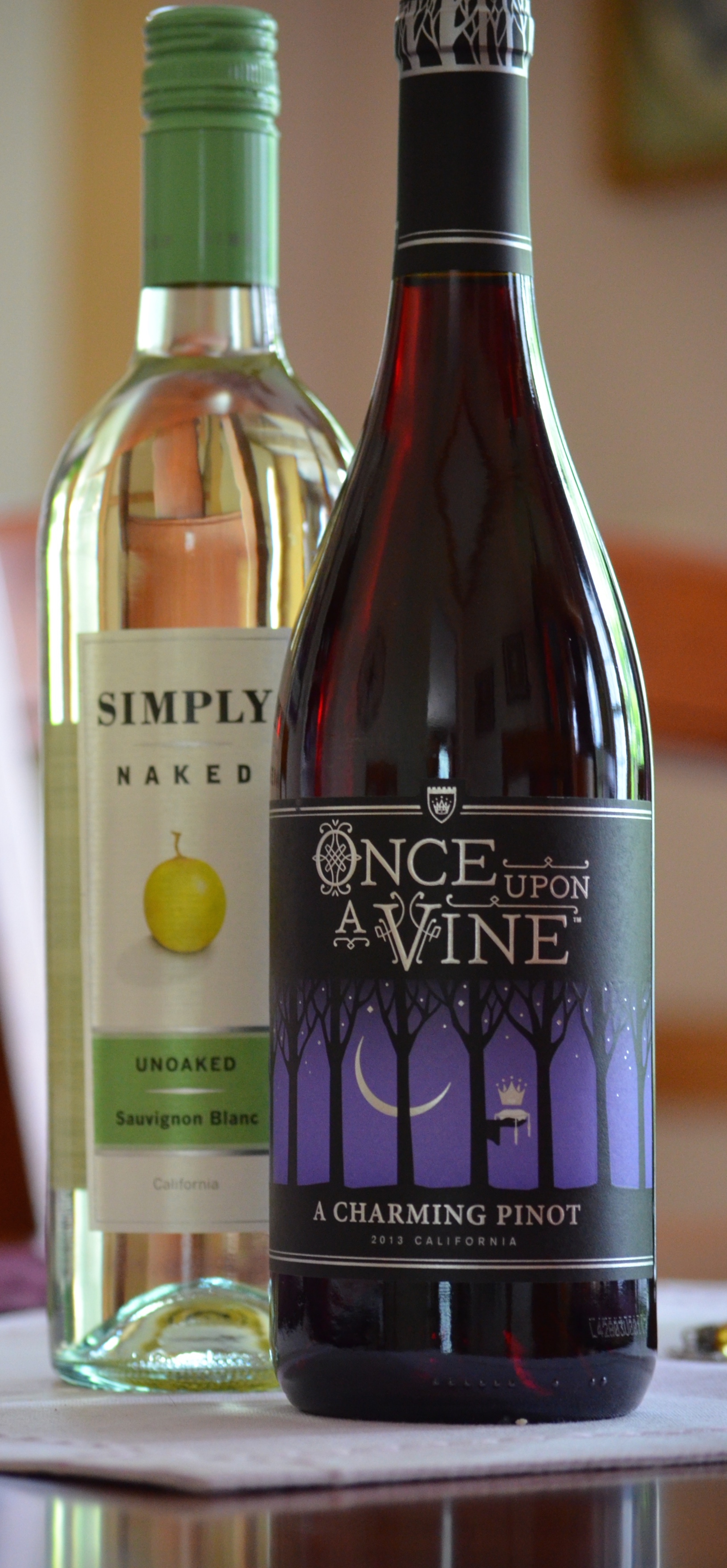
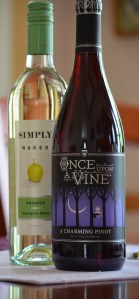
Here they are, complete with my substitutions. Instead of the suggested Kim Crawford Sauvignon Blanc and Pinot Noir, I used Simply Naked Unoaked Sauvignon Blanc and Once Upon a Vine’s 2013 Pinot Noir.
Sauvignon Blanc-Infused Yellow Peach and Vanilla Ice Pops

  • 4 oz organic dark cane sugar ( i used regular organic cane sugar)
  • 11-inch piece of vanilla bean, split lengthwise ( I used organic vanilla extract)
  • 3-4 overripe yellow peaches (I could only find white peaches)
  • 7oz Sauvignon Blanc

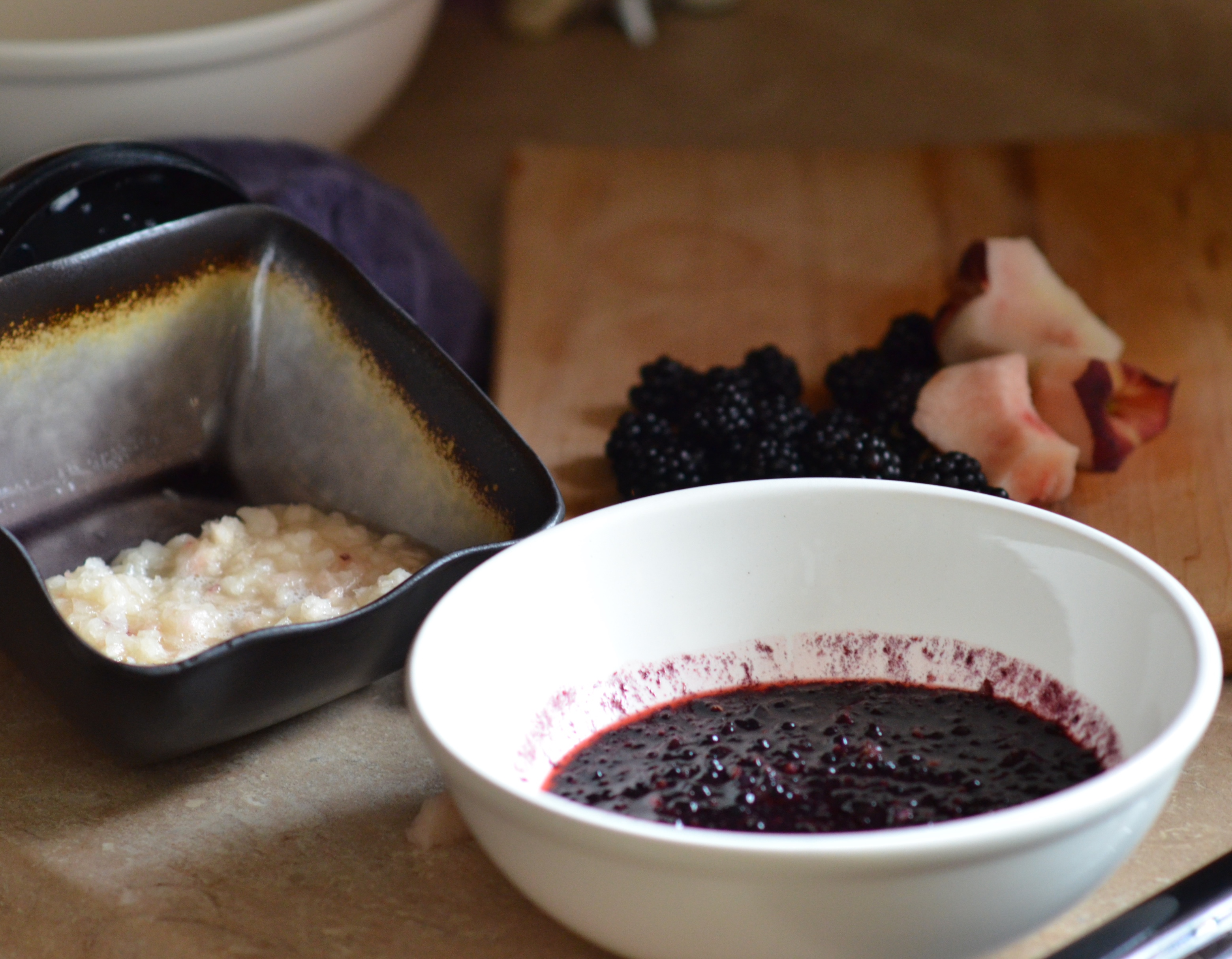
Combine sugar and 4 fluid oz water in a saucepan. Gently heat, while stirring, until sugar is completely dissolved. Remove from heat, add cut vanilla bean and steep for 15 minutes. Remove bean and allow syrup to cool completely.pureed white peaches and blackberries
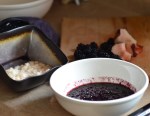
Rinse peaches and pat dry. With paring knife, remove pits and stems. Lightly puree peaches, being sure to leave some texture, resulting in about 16 fluid oz. Combine puree with cooled vanilla syrup and Sauvignon Blanc, stirring well to incorporate.

Pour into molds, add sticks and freeze until solid (about 4-6 hours). Unmold and serve!

Pinot Noir-Infused Blackberry Ice Pops

  • 4oz organic dark cane sugar (again, I used regular organic cane sugar).
  • 11/2 pounds blackberries (about 5 cups)
  • 6-8 ounces Pinot Noir

Combine sugar and 4 fluid ounces water in a saucepan. Gently heat while stirring until sugar dissolves. Remove from heat and allow to cool completely.

Rinse blackberries and dry with paper towel. Lightly puree in blender.

Add 6 ounces of cooled liquid sugar, 6 ounces Pinot Noir and taste. If you like a stronger Pinot Noir flavor, add the remaining 2 ounces. I added a little extra Pinot to the mix and found it then had a more wine-based vibe, as opposed to a fruit-in-your-face essence. As with anything related to wine, it’s all a matter of preference.

Pour into molds, add sticks and freeze until solid (about 4-6 hours). Unmold, serve and enjoy!

A little of the Pinot Noir mixture was left over and I tasted it on its own. Wow! The consistency was like a warm, boozy compote and would be fantastic over vanilla ice cream or gelato. So much yum!

A bit about the wine you choose: many wine connoisseurs would shudder at the thought of putting their Pinots in the freezer. That’s why I purchased lesser priced wines; it’s ok to be cheap for these recipes. Any wines that are particularly nuanced or delicate will be lost in a winesicle so a skimpy budget can be your guide. With choosing the Sauvignon Blanc, I decided to specifically look for one that was unoaked. My thought being that the oak might be too strong in a sweet mix. Again, that’s just a preference.

Below, I’ve included two other recipes that seem amazing and I’ll try another time; my kitchen was messy enough!

If you happen to try them, leave a message in the comments; I’d love to know how they worked for you!

Red Wine Fudgsicles recipe via: abeautifulmess.com

  • 1 cup red wine
  • 1 1/2 cup dark chocolate chips
  • 1 1/2 cup milk

In a small pot, simmer wine over lo | medium heat for 12-18 minutes, allowing it to reduce. Remove from heat and whisk in chocolate until completely melted. Stir in milk and pour into popsicle tray and freeze overnight.

Champagne and Strawberry Popsicles  recipe via:bsugarmama.com

  • 1/4 cup water
  • 1/4 cups sugar
  • 2 Tbsps lemon juice
  • 1 pound fresh strawberries
  • 1 cup sparkling wine, Champagne, or Cava

In a small pot, add water, sugar, and lemon juice; bring to a slight boil. Boil for 5 minutes and until sugar dissolves. Set aside and let cool. This makes your simple syrup. Cut tops off the strawberries and slice them in half. With food processor, slightly puree strawbs. Put strawberries into a bowl and combine with the simple syrup and sparkling wine. Slightly stir until well incorporated. Pour the mixture in the popsicle molds and freeze at least six hours, overnight is best.

Combine any or all of these delish recipes with great friends, some cool tunes, and a slip’n’slide, and you’ve got yourself a good time.

Cheers!

©TheWineStudent, 2015
Of ‘Cards’ and Men

“Power is the old stone building that stands for centuries.” – Frank Underwood –House of Cards

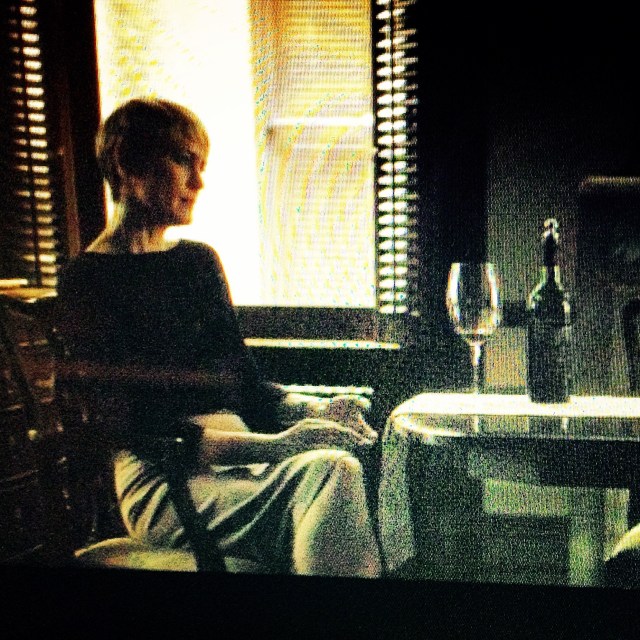
House of Cards Season 3 has been streaming all over the world today, and like a good kid who is waiting to open gifts on Christmas morning, I am being patient. And waiting… to bingewatch. To pass the time creatively,  I thought about what type of red wine might personify the two main characters, Francis and Claire Underwood.

Zinfandel (Frank Underwood) ~ Despite having some deep, dark secrets, this American beauty has a deceptively light-bodied feel. It also sounds like ‘sin’ so there’s that. Famous for its intense fruit flavors like deep raspberry, rich mocha and spicy strawberry, Zin is typically higher in alcohol than most light-bodied reds. Which is a good thing when you’re dealing with drama of Shakespearean proportions.  You just know that choosing this red, you’ll be getting into the kind of trouble that reaches the highest levels. I wonder how it pairs with ribs?

Lambrusco (Claire) ~ On the surface this is a cool, lightly effervescent wine. Yet the more you get to know it, the more the delicate texture and flinty flavors of strawberry and blueberry begin to give way to just a hint of underlying bitterness. Which is a delicious and dangerous combination. Sometimes it’s good to enjoy the bitter and the sweet.

If you’re like me, you’ll be parked on a couch, bearing witness to an epic tale of deception, woe and political machinations. Make sure you pair it with the appropriate beverage. And watch your back!

Cheers!

Cover image via Netflix, and my laptop

©TheWineStudent, 2015
Funky Cold Medina

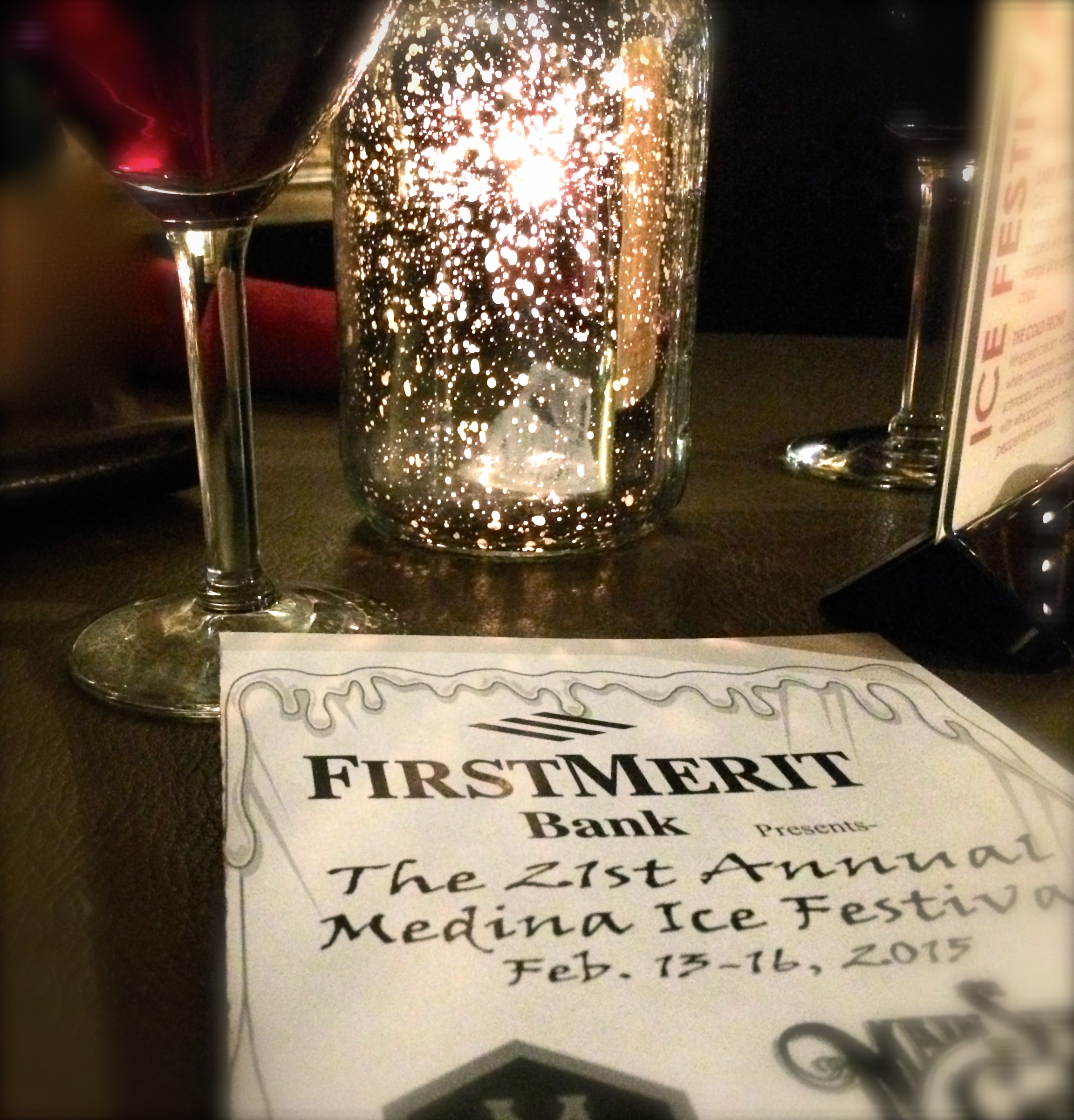
We did it for love. And we did it for fun. It didn’t matter how cold it got, and it got very cold. HubbyDoug, our friend Shelly and I got suited up in our warmest winter wear, and ventured out to the 21st Annual Medina Ice Festival in Medina, OH. We wanted to check out the sculptures, and the speed ice carving competition. The artists had about 20 minutes to take an oblong shaped block to completed creation. It was amazing to watch them wield their chainsaws to create beautiful, icy artworks. We thought better of pulling a ‘Flick’ from Christmas Story, even though the photo op would’ve been awesome. Instead, we found a perfect warm place at Main Street Cafe, had dinner and let our extremities slowly thaw. The wine helped. I chose an interesting Pinotage from South Africa which paired really well with my Filet sliders. We finished the evening with a Cinna-Heart Martini, a quick stop at H2 Wine Merchants and toasted a fun prelude to Valentine’s weekend.

The Medina Ice Festival continues today, February 14, through Monday, February 16.

No matter how cold it may get where you are, I hope you are able to enjoy warmth in your heart from those you love.

Happy Valentine’s Day!

This slideshow requires JavaScript.

©TheWineStudent, 2015

Happy Hallowine!

It’s two days to ghoul and if you haven’t found something for your goblet, I have some suggestions for you. And you don’t have to go into the dark recesses of the catacombs to find them. Most were at World Market at spooktacular price points.

Remember a while back I wrote that when I make a bad pun, you can take a sip? Start now before they get really horrific.

Am I bewitched by a label? I confess, I am a big sucker for fun label art. HubbyDoug just looks at me, rolls his eyes and spins his head around a few times. Good thing he hasn’t started speaking in tongues; I might have to consult an exorcist.

I stayed with the blood reds this year, in keeping with the season. Here is my bare bones list, in no particular order:

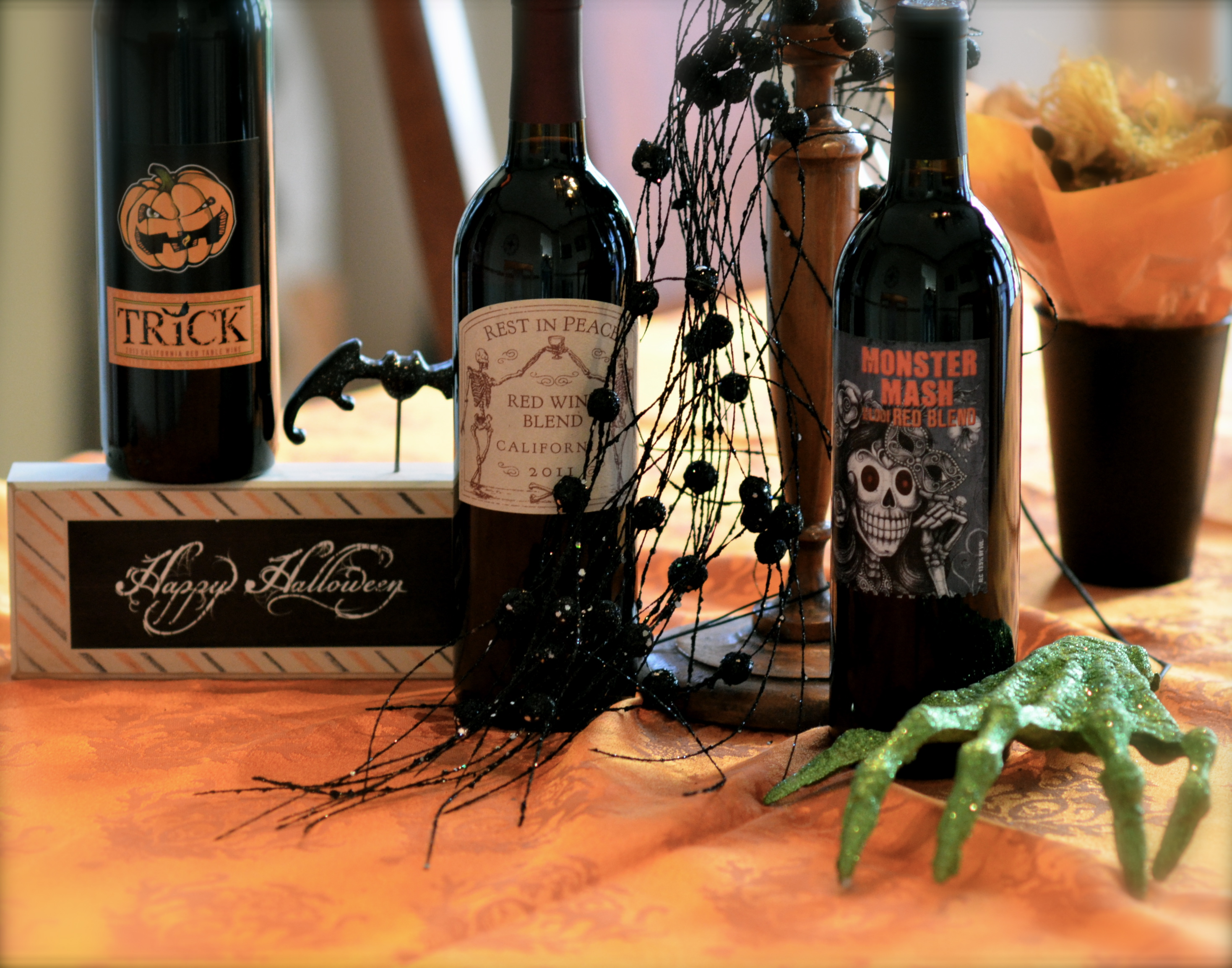
  • Rest In Peace ~ 2011 California Red Wine Blend ~ I quite liked the fruit forward, raspberry jammy vibe. It settled into pleasant earthier tastes of tobacco, leather(face) and the tiniest whisper of chocolate on the finish. A nice sipping wine to keep the vampires from your door.
  • Monster Mash ~ 2012 Lodi Red Blend ~ A melding of Lodi Zinfandel and Petit Sirah. It surprisingly had a nose as thin as Slenderman. But no matter; it had a nice tobacco ` cherry vibe with high alcohol and oak flavors. If you have a taste for a somewhat grounded, yet bright red go for this mash. It’s a graveyard smash.
  • Trick ~ 2013 California Red Table Wine ~ The lightest in color, this Trick was a little more of a tart-y treat (kind of like most women’s Halloween costumes). It tasted of unripened strawberry and cherry, and reminded me a little of War Heads sour candy with its pucker-y, ‘get you in the sides of the mouth’ effect. Nice if you like a little zing in your wine.
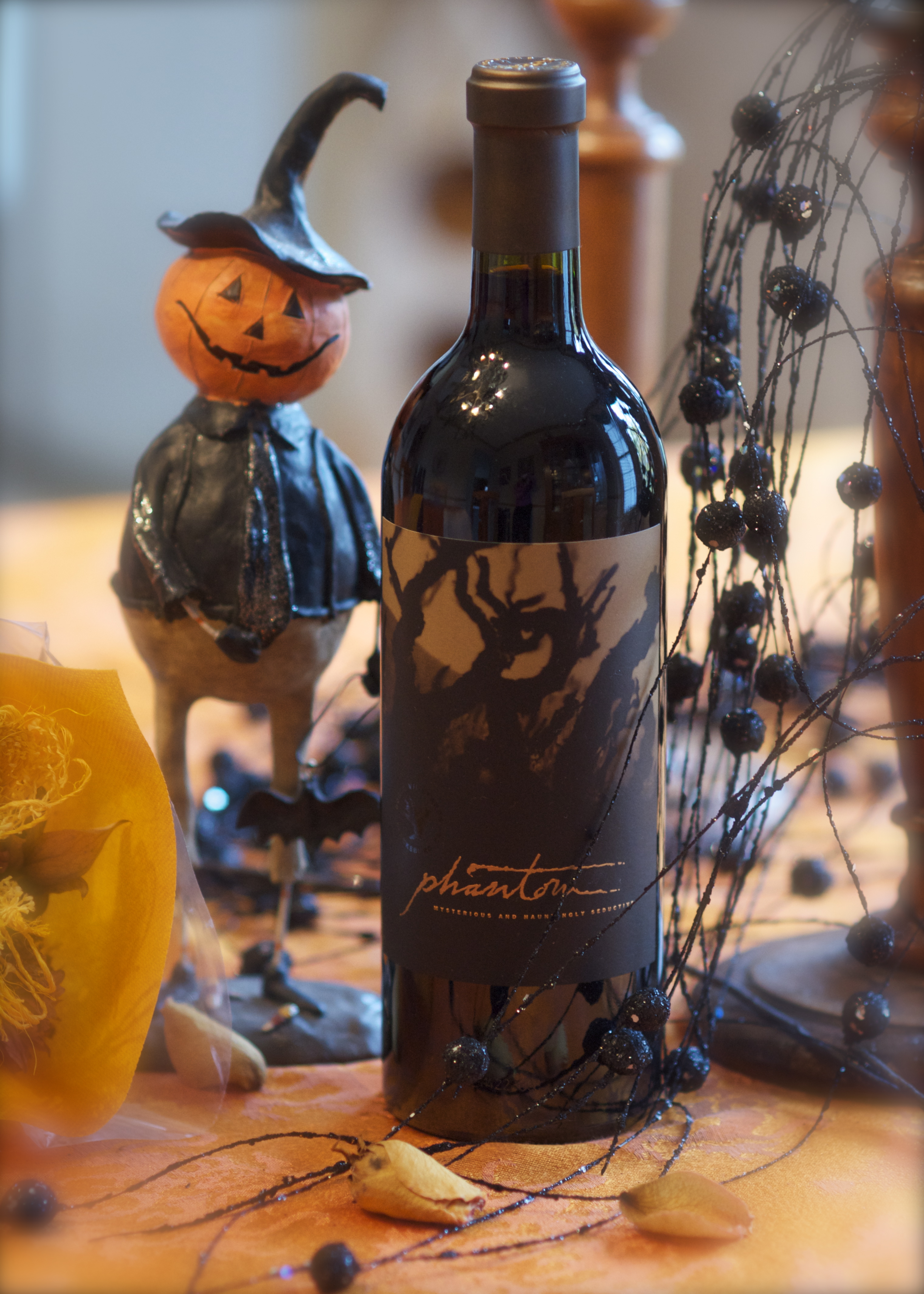
  • Phantom ~ 2011 California Red ~ Bogle Vineyards ~ This phantom was no misty apparition, from the moment I opened the bottle I detected a spirited nose of rich, raspberry jam. It had the deepest blood red color of the four and tasted of blackberry with a little smoke. The flavours were subtle and lurking at first, then I slowly became aware of them. But I wasn’t afraid. This was a friendly ghost.

On All Hallow’s, the devil is in the details. And I hope these few suggestions help get you started to find the most fun for your celebrations. Scaring up some poison for fright night should be like child’s play. But stay away from the two buck Chuck(y).

I hope you all have a safe and happy Halloween!

Boo!

©TheWineStudent, 2014

Up the Creek to Find a Hidden Gem

Up the Creek wine flight

Up the Creek wine flight

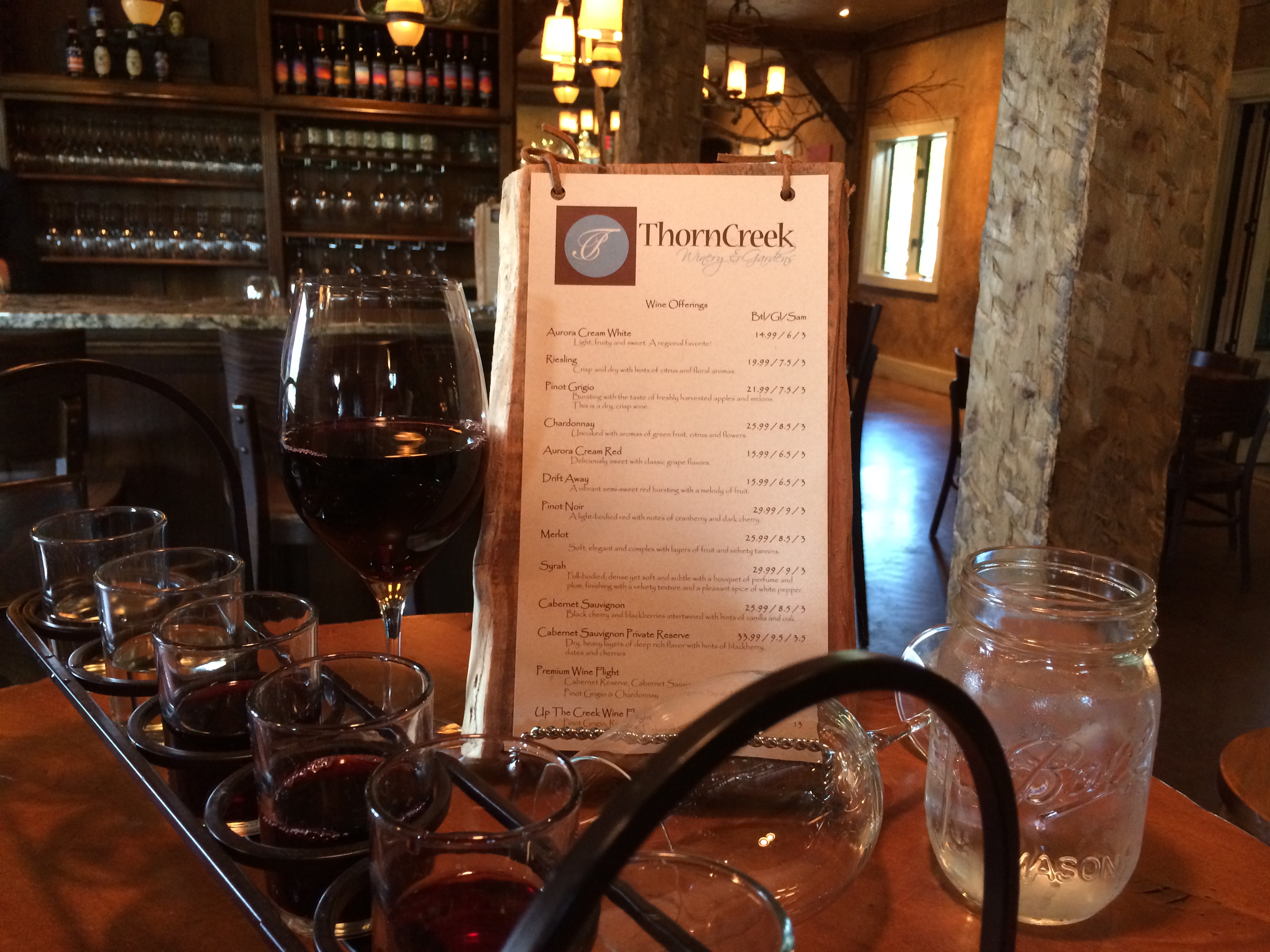
With the dog days of summer nipping at our heels, my friend, Shelly, and I decided to take a little road trip. The past few weeks had been incredibly busy for us and we needed to find a place that we could just relax, decompress, and sample some wine. Shelly was already familiar with Thorn Creek Winery, having planned an event with them last year but it was new to me ~ not that I ever need any arm twisting to check out a winery.

Located in Aurora, OH and only 30 minutes by car from downtown Cleveland, Thorn Creek, is a sweet ride to rustic charm, beautiful gardens and some nice wine. Established in 2005, owner David Thorn envisioned what would become the Thorn Creek experience; old world European ambience, blended with a casually elegant vibe.

Before we ordered our wine flight, we took a little tour of the gardens and winery. Down stairs was a beautiful event space that juxtaposed a smaller nightclub feel with the warmth of a winery cellar due, in part to the wooden casks that lined the walls. Outside, the gardens unfolded almost labyrinth like, winding casually from an old English courtyard, through a lanterned brick pathway to a tented waterfall garden wedding space.

Thorn Creek’s approach to winemaking includes purchasing select grape products from other wine growing regions around the country; then marrying those qualities with grapes native to Ohio. For our wine flight, we chose Up the Creek, which included Pinot Grigio, Riesling, Cab Sauvignon, Merlot,  Aurora Cream Red, and Aurora Cream White. We paired our wine samples with seasonal strawberry lettuce wraps and some amazing braised short rib sliders, which brought more depth to our wine selections.

My pick: the Pinot Grigio, which had a great honey-like vibe and texture. It paired beautifully with the strawberries, goat cheese and chocolate dusted almonds. Shelly liked the Cab reserve, which we had in addition to our flight. She found it had a slight pepper-y finish on its own but when paired with the sliders, awakened a more full bodied warmth.

One of the things I enjoy about life in Cleveland is the incredible variety of urban and rural experiences; both are cool in their own unique way. Nearby destinations like Thorn Creek give the experience of being at a Napa winery getaway without feeling like you’ve really left the city.

Cheers!

©TheWineStudent, 2014

This slideshow requires JavaScript.


Viva El Vino! Cinco de Mayo and Mexican Wine

Spicy hot days and cool evenings can produce some fantastic wine. With vineyards planted as far back as 1524, Baja, and in particular, the Guadalupe Valley in Mexico has been producing some wonderful vintages.To celebrate Cinco de Mayo, I could’ve chosen a traditional shot of Tequila, blended a Margarita or at least poured an icy Corona. But I remembered a bottle of wine that we bought on our last trip to Cancun. And I was instantly transported back to savoring a glass as we enjoyed a shimmery golden sunset. Pop goes the cork.

A Little History Lesson

In the earliest days of the Spanish settlers in Mexico, they brought with them grapevines since they believed, as many of us still do today, that wine was nutritional, healthy and quite fun to drink. There was little need to convince the Mexican people of this; the Aztecs had been already cultivating the wild Cimarron grape from which juice was extracted, mixed with fruits and slightly fermented to create a beverage known as acachuk. As decreed by Hernan Cortes in 1524, settlers were ordered to plant a thousand grapevines for every one hundred natives in their service.

Mission Statement

The expansion of viticulture in the Baja region occurred largely because of the Jesuit priest Fray Eusebio Khun who in1683, founded several missions which began cultivating indigenous grapes and making wine for religious ceremony held at each of the missions. In 1697, Father Juan de Ugarte became the “founding father of Baja’s viticulture.” On one of his trips to Guaymas, he brought back some ‘vitis vinifera’ vine cuttings to be cultivated, since the endemic grape varietals didn’t meet the Spanish criterion for wine grapes. Over the years, ministry and laypersons worked together to increase the volume of wine production as well as the expansion of vine growing regions to where they launched new outreach missions. The divine was happening to the vine. And yes, that was a really bad pun, and so you must drink some good wine to cleanse your brain.

The Baja wine region includes:

  • Santo Tomas Valley ~ founded in 1791 and located 18kilometers from the Pacific Ocean maturity temps of the grapes vary between 14 – 36 degrees celsius
  • Guadalupe Valley ~ founded in 1834 it is by far the largest area of wine development. Located 30 kilometers north of Ensenada, is 320 meters above sea level and is the most topographically diverse ranging from granite to red clay. Low temps at night and high daytime temps make for an area that has the most favorable environment for maximum grape development.
  • Ojos Negro Valley ~ It was so named due to the two oval swamps that looked like black eyes. These marsh areas have all but disappeared due to underground depletion but what remains is a diverse vegetative environment with highly cultivated irrigation systems to accommodate for the higher levels of rainfall.
  • San Vicente Valley ~ Located 90 km south of Ensenada with an altitude of 110 meters above sea level, San Vicente has unique vineyards where the grape maturity temps from a minimum of 10 degrees celsius.

 Muy Caliente!

Much of Mexico can be too hot to produce very flavorful wines; the heat has a tendency to push the grapes into ripeness before full flavor can be developed. The Guadalupe Valley has a unique microclimate of mineral-rich soil and sea breezes that gently cool the heat; bringing the grapes into a robust maturity. Our wine for tonight is Pitxos a combination of an 07 Grenache, 05 Syrah and an 06 Merlot from Bodegas de Santo Tomas in Ensenada. And while I wouldn’t normally pair a blend like this with chicken, the heat from the spices I’ll use might just be a good juxtaposition. Since I had to do a product shot, I did have a sample. On its own, it’s very rich with black cherry overtones, mild to moderate spice, a definite alcohol vibe (probably from the hot climate), and zippy currant on the finish. And I can say that it travelled quite well (we bought it in ’11); withstanding a plane ride home and undisturbed cellaring since then.

Wines from Mexico are available in the US from Wines from Baja.com.

Whatever your choice of drink to celebrate the day, I wish you a happy and safe Cinco de Mayo.

Que tengas uns noche buenisima!

©TheWineStudent, 2014


Chips Ahoy


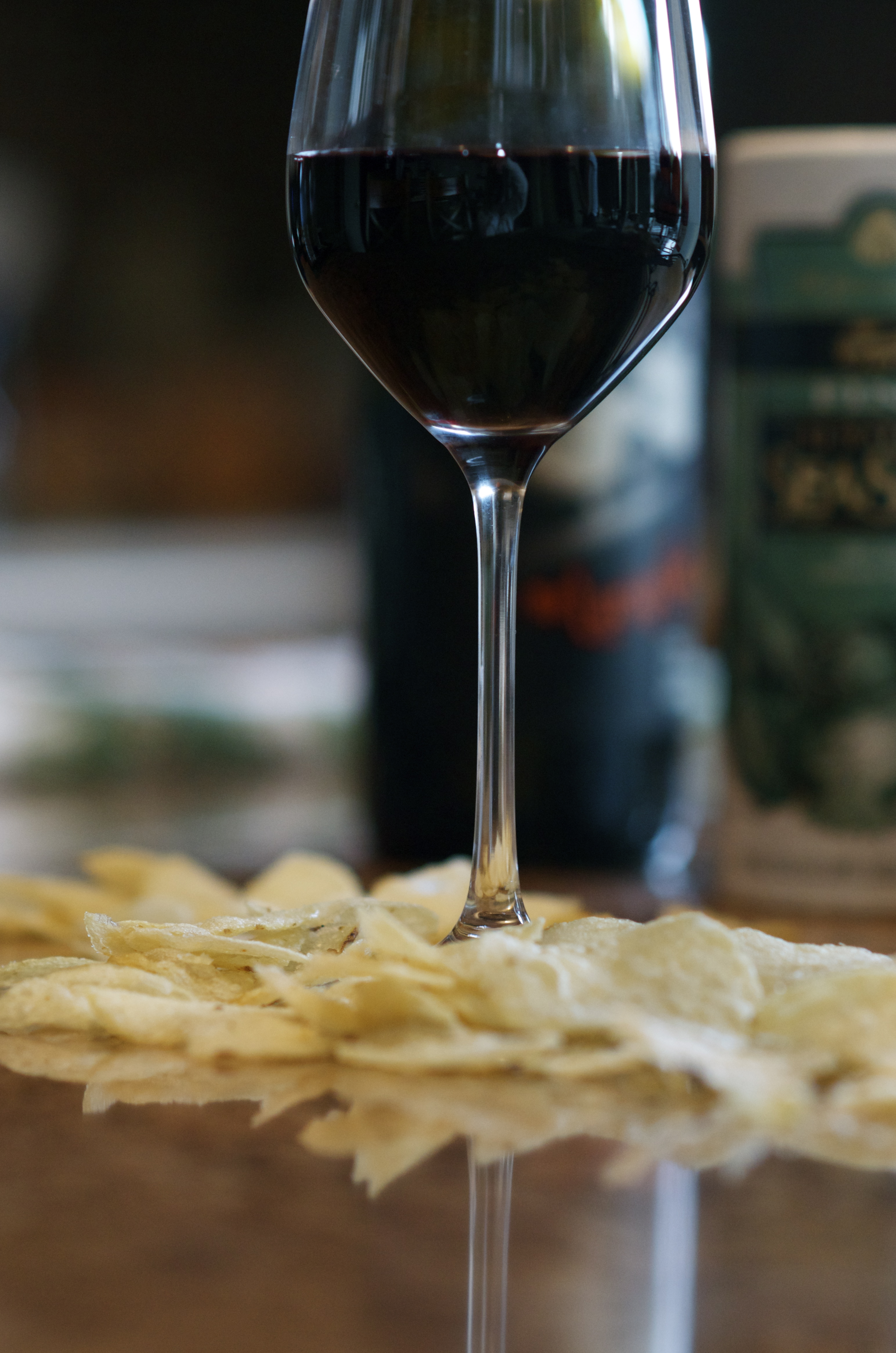
Today, I opened a bottle that I’d had for a little while. But when I tasted it… well, it wasn’t exactly off but a little more bitter than I was expecting. What to do? I ripped open a bag of Lay’s Classic Potato Chips. I’d been craving them, had gone for a long run earlier in the day, and up until now, had been really, really good about my my foodie choices. But why would I think chips would go with any wine, much less this one?

When I  took my WSET course last year, I remembered that in the food and wine pairing class, salt had been considered a wine-friendly component of food that can aid in softening some harder elements of wine.

Salty foods also:

  • Increase the perception of body in the wine
  • Decrease the perception of the wine’s bitterness and acidity

The chips actually did their thing quite nicely. The wine became considerably less harsh and easier to enjoy.

Clearly, it wasn’t a day for carefully selecting the vintage, and the exact right variety of potato. And much that I’d read had chips being paired with Champagne or other sparklers. My choice: An Australian Shiraz. And it was made much softer and enjoyable with this pairing.

You might want to experiment on your own with kettle-cooked-cracked-pepper-gourmet what have you, and that would be great. But if you’re finding your wine a little too harsh, and your pantry has only a bag of chips, be brave.  You might discover that what’s inside can be just as nice as the most expensive, savory hors d’oeuvre.

Cheers!

©TheWineStudent, 2014

Lusca the Irish: Wine from the Emerald Isle

Kiss me! I’m Irish. Actually, I am. And for these past three St. Patrick’s holidays, I’ve been on a quest to find the elusive Irish wine. Coming up about as lucky as a sliding down a banister with the splinters pointing in the wrong direction, I found nothing that was a true wine made exclusively in Ireland. So I wrote instead about Mead ~ and while it is a traditional Irish honey fermented drink, it’s not wine in the sense of the true grape nectar. Faith and begorrah, I searched today and found a little pot ‘o’ gold at the end of the rainbow. The third time was definitely the charm.

Planted in 2002 by David Llewelyn, Lusca Irish Wine currently produces a small trove of about 300 bottles per year of: Cabernet Sauvignon, Merlot, Dunkfelder and Rondo. Sauvignon Blanc, Gerwurztraminer and Schoenberger round out their whites. Vineyards are planted near their orchards, just outside the village of Lusk , and use cloche-like polythene structures to encase the vines during the summer months. They find that this helps protect the fruit and foliage canopy from rain, subsequent rot, disease and insects ~ negating the need for pesticides. It also acts to increase temperatures helping to mature the late-ripening fruit.

The wine is made exclusively from their own grapes, using simple winemaking methods, natural filtration processes and is hand bottled and labelled. These are some mighty young wines, to be sure, but may be worth a sample after a wee bit of cellaring to gain some depth and complexity.

Lusca wines are currently available from www.winesonthegreen.com.

As my Da used to say when he’d toast the day, “May the good Lord take a liking to you … But not too soon!”

Slainte!

©TheWineStudent, 2014

Vina Medicata ~ The Doctor is In… Your Glass

What’s good for the heart may also be very good for lung cancer. In a groundbreaking study just published in  Cancer Cell International, investigators from Brock and McMaster universities in Canada have shown that wines are effective in stopping the spread of non-small-cell carcinoma.

Over the past few years, much has been written about the benefits of  polyphenol resveratrol on cardiovascular health, confirming that drinking a glass of red wine a day can help keep the heart surgeon away.

In cancer, cell damage occurs from oxidation, a process that releases harmful free radicals. Polyphenol resveratrol, is a potent antioxidant that prevents this damage. The significance of this study: This is the first time that researchers have demonstrated this link using actual wine instead of a synthetic form.

Evangelia Tsiani, associate professor of community health sciences at Brock University and Dr. Theos Tsakiridis, from the Radiation Oncology division at McMaster University’s Department of Oncology, looked at the effects of Cabernet Franc, Cabernet Sauvignon, Pinot Noir and Riesling on Non-Small Lung Cancer Cells (NSLCC). Using wine from Niagara-on-the-Lake wineries, they found strong data suggesting that wine may have “considerable anti-tumour and chemoprevention properties in lung cancer and deserves further systematic investigation in animal models of lung cancer.”

While all the reds had a significant effect, and in small doses, the Pinot Noir was the most effective. White wines produced an effect that was evident but higher doses were required to be significant. And as with most things in life, moderation is key. Too much of a good thing will not help increase the result, and it’ll just give you a sore head in the morning.

According to Mark McNeil [via the Hamilton Spectator], just eating the wine grapes was not identified by the research team as a beneficial way to deliver the resveratrol needed to obtain these results ~ it may be a combination of resveratrol and the various, currently unidentified, chemicals in fermentation that impact the cancer cells.

While more investigation is needed to determine whether this study will yield the same effect in animals, it’s an excellent step in the right direction for helping prevent the progression of a disease that affects so many.

So drink up! In many cases, it’s just what the doctor ordered.

Cheers!

©TheWineStudent, 2014