Eduardo Galeano once said, “we are all mortal until the first kiss and the second glass of wine”.
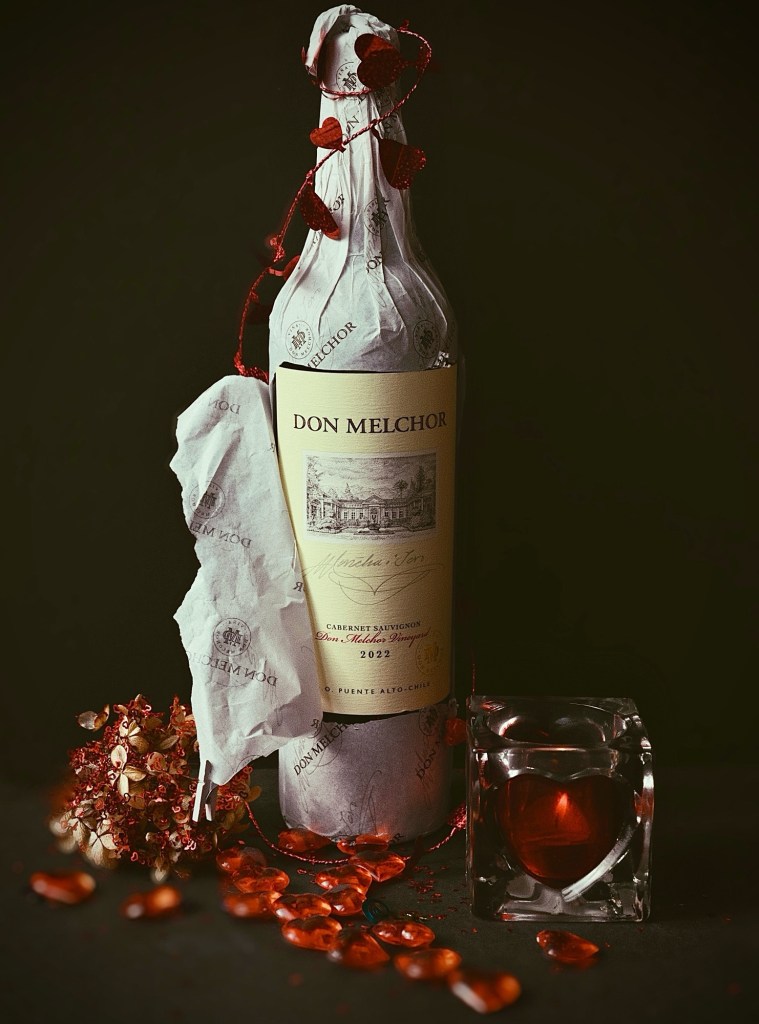
The 2022 Don Melchor Cabernetwould be a good example of a wine transporting you from ordinary soul to a beloved immortal.
And it’s not just because you’re tipsy.
Made from vines on the N bank of the Maipo River at the foot of the Andean Mountains, in loamy, well-drained soil, this lush offering is comprised of 95% Cabernet Sauvignon, 5% Cabernet Franc, 1% Merlot and 1% Petit Verdot. It’s aged 15 months in French Oak barrels which adds to its complexity and depth of flavor. Robust notes of blackcurrant, floral, spice and vanilla tickle the nose. Jazzy flavors of blackberry, dark cherry, peppered chocolate and hint of coffee embrace your palate to take you to a magical place.✨
Pairs well with:
• Char-grilled Steak – marbled cuts like Ribeye are buttery, juicy and flavorful, and play well with the wine’s strong tannins and acidity
• Roasted Lamb – w/ rosemary, garlic and salt
• Aged Cheddar – contrasts beautifully with the high tannins of the wine
• Mushroom Risotto – the umami quality of mushroom beautifully juxtaposes the structured tannins of the wine
• Roasted Vegetables – root veggies like beets, carrots, sweet potatoes can bring out the subtle sweetness of the wine
• Dark Chocolate – 70% is best – the slight bitterness of this chocolate pairs beautifully with the fruit-forward qualities of this wine – Yum!
Price Point is a little more on the expensive side, about $150 – $200 ( tho some online shops sell this gem for a little less)
I hope you find this Valentine’s Day filled with the things that bring a little heat and elevate you to an extraordinary place.❤️🔥
The weather had been so grey and damp lately, I’m feeling it in my bones. Because the chill is going so deep, I wanted to find a wine that could warm me to my toes.
The 2021 Unshackled Cabernet Sauvignon was a luscious choice. With its deep pomegranate color, dark chocolate essence on the nose, and creamy mouthfeel, this wine helped me to break free from the cold. At least for a little while.
Soft tannins joined with flavors of black currant and blueberry, much like a dark fruit compote. Warming hints of clove lead my palate to a cozy, buttery smooth finish. Toasty!
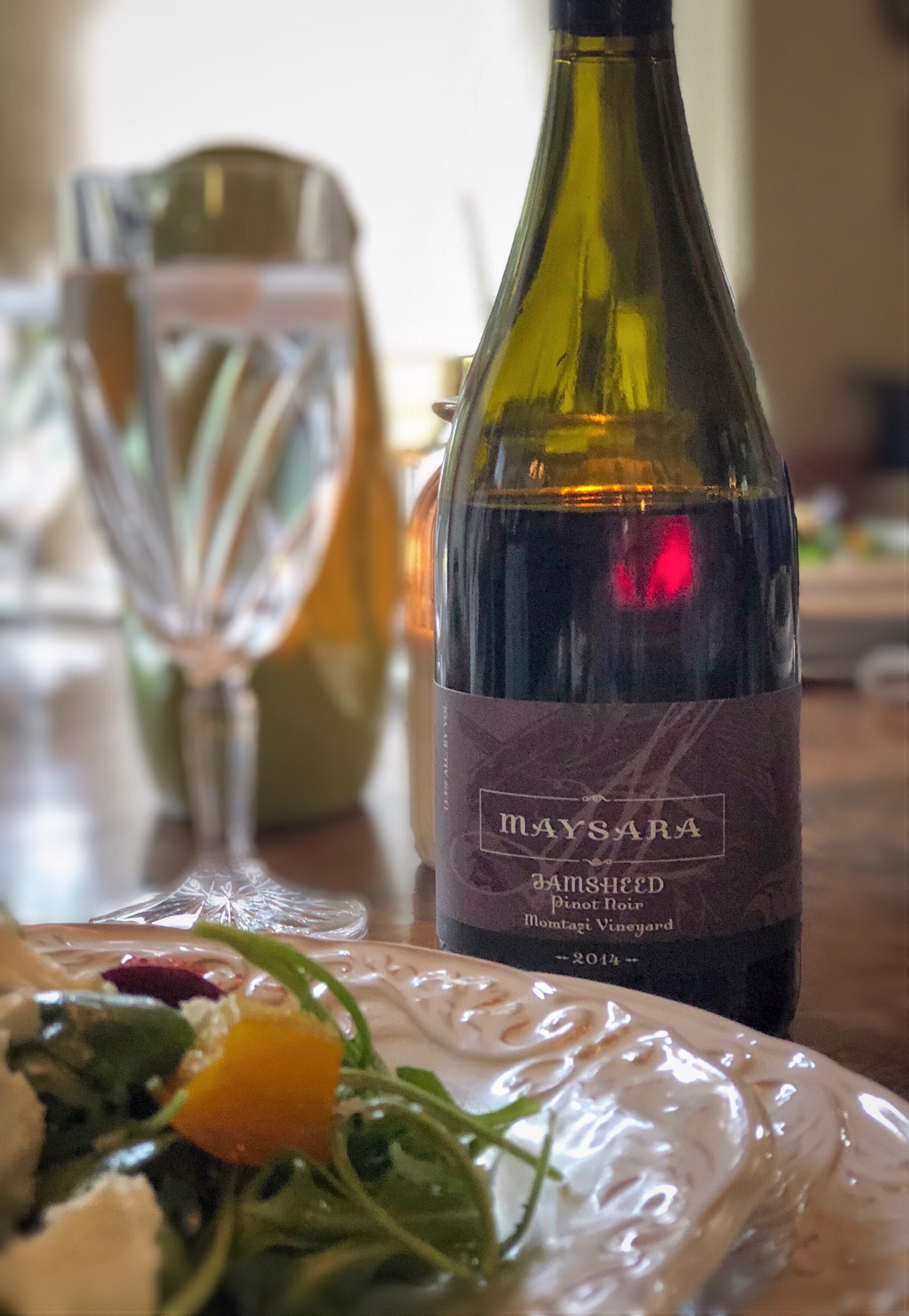
One of the best things about summer is getting together with friends for an amazing dinner and trying a new Pinot Noir! Featured for the evening: 2014 Maysara Jamsheed.
Cultivated in the Momtazi Vineyard located in the foothills of Oregon’s Coastal Range, these grapes have been given much TLC that is necessary produce top quality pinot. The temperatures in this particular region separates them from impact from the valley. Here, there are warmer days, cooler nights and lower precipitation during their harvest. Because pinot is a delicate grape to cultivate, this gentler microclimate is best especially in the days leading up to harvest.
Tea Time
Maysara’s philosophy is that “90% of winemaking takes place in the vineyard.” They believe in truly biodynamic cultivation – a ‘nature to nature’ credo. They shun the chemical approach by the use of compost tea, made through the propagation of an assortment of medicinal flowers and herbs that are brewed into a steeped tea. Steeping extracts the most beneficial elements which are then worked back into the vineyard soil. This boosts optimum health for the soil, vines, and then the grapes.
What a Pair
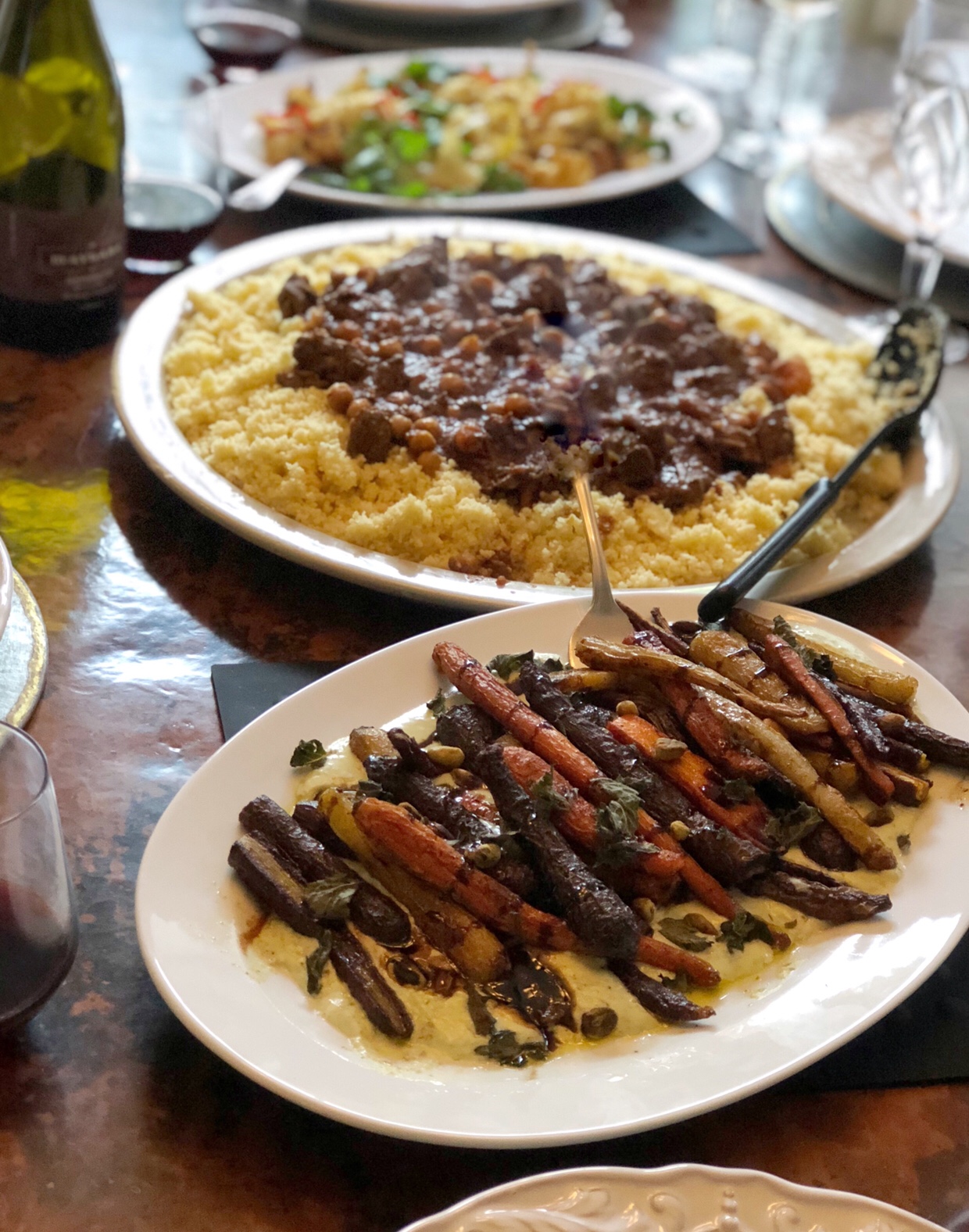
Our wine was paired with an incredible dinner of fragrant lamb tangine, grilled root vegetables, and roasted cauliflower with yogurt mint sauce. The delicate balance of sweet and spice played beautifully with the spritely cherry, luscious blackberry, and light cracked pepper vibe of the wine. Since this was a ’14 vintage, it had just the right amount of aging to truly release its tender nuances. This pairing was outstanding.
I would like to eat this picture.
My thanks again to our friends, Judy and Greg, for a wonderful evening of fun, incredible food, and an amazing wine that is one of my new favorites of the summer.
Filling my goblet is relatively easy to do: a big fishbowl for red, a larger tulip shape for white, flute for sparklers and maybe a smaller glass for ice wine. Simple, right? Nope, these days it’s anything but.
We can all agree that wine glasses are both functional and pleasing to the eye. But does the shape really make a difference? And how much of it is marketing? Does a crystal goblet actually make the wine taste better, or is it just our perception of it that makes it a different experience?
The Shape of Things
While the choice of glass is really up to the individual, wine glass shape and design have evolved over time to help showcase the unique qualities of each varietal group.
Red wine ~ best served in larger-sized glasses. And not just because I like to drink it in large amounts; a larger glass allows more air to come in contact with a large wine surface and develop the robust aromas and flavors. But not all wine glasses are created equal: Different shapes for different varietals are key. For example, the design of the Pinot Noir glass has a wider bowl and narrower tulip-shaped opening that works to provide a larger surface area to swirl while concentrating the essences towards the nose at the opening. Since Pinots tend to be more delicate in their bouquet and flavors, the design of the glass focuses the bouquet directly to the nose, and the wider bowl allows for better aeration on the swirl to fully coax out its subtle flavors. In contrast, the Cabernet/Bordeaux glass has a less wide bowl with wider opening. Since Cabs tend to have a more robust bouquet and flavor, they generally don’t need as much surface area to bring out the buzz; it’s already there. The Syrah glass is similar to the Cab in the bowl shape but the opening is narrow, concentrating those high notes up toward your nose.
White wine ~ medium-sized, tulip-shaped glass is better due to the fresher fruit characteristics that are gathered and then directed towards the top of the glass… and your nose. As with the reds, there are a variety of shapes to showcase white wine. The Oaked Chardonnay glass has a wide bowl and wider opening to allow for maximum swirlage (not a real word). Oaked Chard tends to be a hearty and is best experienced after some A&S (aeration and swirl). Unoaked Chard/ Voignier and Riesling, like Pinot Noir, needs more delicate aeration and the glass reflects this: The bowl is not as wide but the opening is. And the Riesling glass is a little narrower still, emphasizing the fruit aspects, not the alcohol, on the nose and palate.
Rosé ~ The Rosé design is s a little smaller but similar in shape to the white glass but with a little curve at the lip. This is to better direct the sweetness of the rosé towards the front of the tongue, which detects sweet.
Sparkling ~ best served in flute glasses. This shape enhances the effect of the bubbles (and the aroma), allowing them to travel through the larger volume of the wine before bursting at the top of the glass. The classic, saucer-shaped version doesn’t work as well since the bubbles are quickly lost with the wider opening, and there is less surface area to pass through.While this style paid homage to Marie Antoinette, it doesn’t serve the wine as well, especially when you want to savour an older, expensive sparkler. Some flutes are designed with small cuts in the bottom to enhance the pearl swirl effect as the bubbles ascend to the top of the glass, which is half the fun of sparkling wines.
Fortified wines ~ these are wines such as Port, Sherry and should be served in small glasses to emphasize the fruit qualities rather than the alcohol.
Ice wine ~ I’m gong out on a limb here, but I would choose a glass similar to the Rosé; smaller to emphasize the beautiful fruit but tulip shaped with a lip to direct the aromas and sweetness to your nose and then to the sweet spot of your tongue.
The common element of all glasses is that they should have enough room for swirling and nosing. When you put your nose into the glass, you want all the essences directed up to our nose.
Glass vs Crystal ~ Glass is typically how most of us in our early days begin serving wine, and we may not even graduate to crystal until we get a set as a gift. Nowadays, the two can look very similar but the difference is clear:
Crystal
Much heavier than glass, yet more fragile than glass.
Will capture light in a prism and create a rainbow.
Has a more melodic musical tone when you tap it or run a finger along the rim.
Is made thinner, and can eliminate the edge of the lip that glass can have. Little or no edge to the lip of the glass directs the flow of the wine to certain areas of the tongue, which is better to fully experience the nuances of the wine.
No longer contains lead oxide which was discovered to be a carcinogen ~ now lead-free crystal is standard, so no worries about ingesting harmful chemicals as you sip.
Hand washing is preferable.
Glass
Used for centuries longer than crystal.
Resurged popularity when lead in crystal was discovered to be toxic.
Easier care, more durable, excellent for every day use, can be placed in dishwasher. More cost effective ~ prices range to suit every budget and style.
Schott-Zweisel makes a virtually break-resistant wine glass. Their Forte line is constructed using the Tritan technology where each glass is constructed with a hard, clear titanium material that reinforces the vulnerable zones at the rim, the joint of the bowl and stem, and the joint of the stem and the foot of the glass. This added strength gives the glasses increased durability (especially in my clumsy hands) and longer life.
Which has the bigger influence on your wine experience?
Crystal has more of a ‘stubbly’ texture than regular glass, allowing for more aromas to be released when you swirl. The thin rim of crystal also allows for wine to flow into the mouth hitting the most sensory areas of the tongue. The thick rim of the standard wine glass can distract from the taste of the wine and, according to Winecoolerdirect.com, may emphasize bitterness and flaws.
Keep It Clean ~ No, blowing the dust out of the glass, and saying, “ta dah” is not really recommended for keeping your wine glasses pristine. Unless you’re at my house. Wine’s delicate flavors can be ruined by even the slightest tinge in the glass. That goes for glasses fresh out of the dishwasher. Detergents and salts can leave residue in the glass that’ll kill the beauty of your wine, both in flavor and sparkle. The best way to prepare your glasses is to polish them with a soft, lint-free cloth (linen) before each use, and right out of the dishwasher. It also helps to get rid of the pesky lipstick marks that never really come off in the wash.You’ve seen the old movies where the bartender is polishing the glasses; it’s not just to find something to do before the trouble starts.
In the End, Do What You Like
If you do even a quick search for wine glasses, you’ll find an abundance designed to suit every varietal, style, and price point. You can get a little lost in all the choices. But I like to think finding the right wine glass is a little like finding the right companion, the key is finding one you really love, and one that feels so good to hold.




 The Wine Student