
Totally natural. Wild and unfiltered. Just as nature intended. Wine in the raw refers to how some wines are made. It doesn’t mean you have to drink it without your clothes on. But I guess if that’s your thing, by all means.
Circling back to ancient winemaking techniques, natural wines came to prominence again in France and Italy in the 1980’s. And now there is a growing natural wine movement here in North America, dovetailing with farm-to-table philosophy.
So what’s the difference between natural, biodynamic and organic wine?
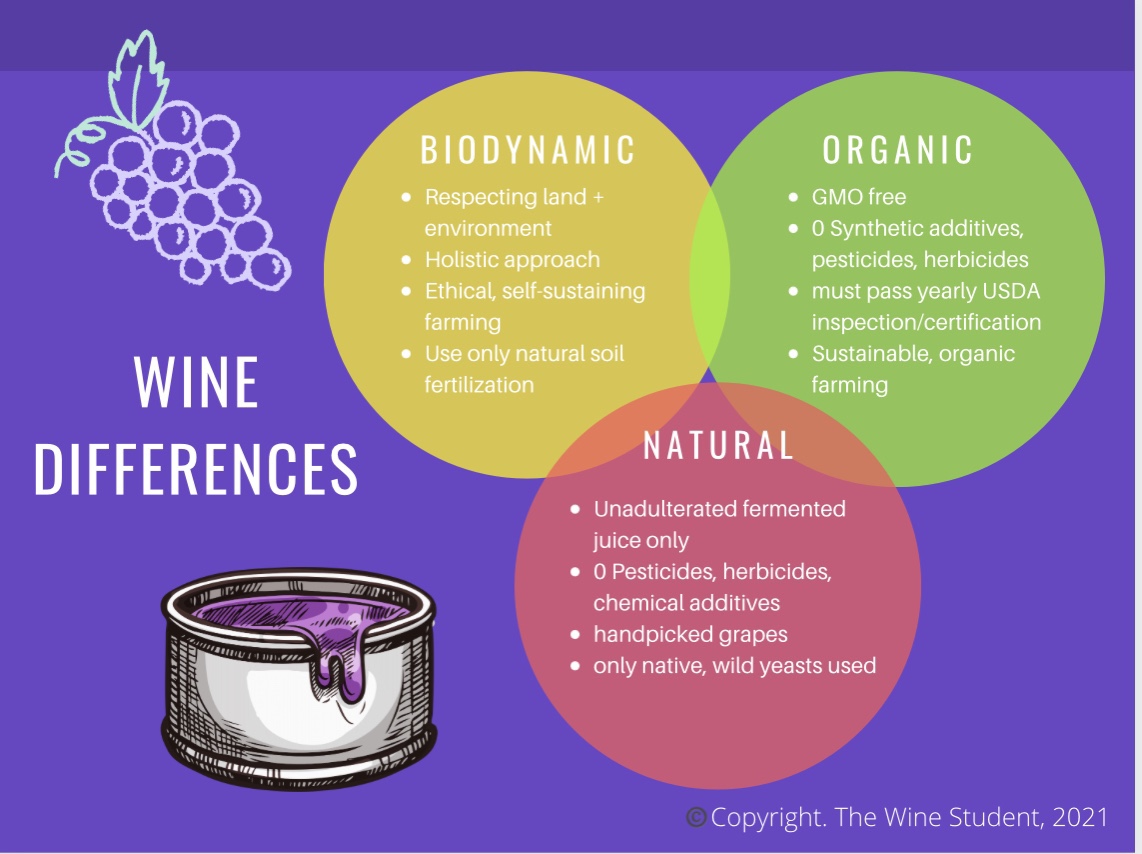
Biodynamic winemaking embraces a holistic view that everything in the universe is connected; man, the moon, the planets and the stars. Respecting the environment, and ethical, self-sustaining agriculture, it’s more about the processes before harvest; farming, cultivating and tending to the land and fruit.
Like natural wines, no pesticides or unnatural herbicides are used. Ducks, horses, cows and sheep living on the vineyard provide natural fertilizer, and weed management.
Discarded grape skins are recycled into compost and spread back onto the land to nourish future vintages.
Biodynamic wines are also cultivated and harvested based on the biodynamic calendar – planting and harvesting on moon cycles and daily tasks broken down into the earth’s four elements.
It sounds a little trippy but you have to love the philosophy; great, sustainable wine production that literally gives back to its roots and the environment.
Organic wines are GMO free with no synthetic additives, pesticides or herbicides. Organic winemakers also respect sustainable farming practices and must pass yearly USDA inspection to retain certification.
Certification can be seen on the label and is an assurance that what you’re pouring into the glass is 100% organic.

Like Organic and Biodynamic, natural wines use grapes that haven’t been sprayed with herbicides, and only natural predators are used to manage pests.
Grapes are hand-picked, and only native or wild yeast is used in fermentation. The wine is unfiltered and there are less than 50ppm sulfite additives, if any. Natural wine can be seen as an excellent display of terroir – the true expression of the wine growing region – since what you pick and cultivate on site is precisely what goes into the bottle.
Many natural winemakers prefer ancient techniques such as fermenting in clay or concrete ‘amorphae’ vessels that impart no flavor to the wine. Oak barrels can sometimes be rejected because of the additional flavors they may add to the wine. But, again, that’s a choice. Many natural winemakers want their wines to taste of the grape, and only of the grape.
Some also allow their white wines a little bit of skin contact; just enough to produce an orange hue (more on that in an upcoming post).
Natural wine can have a lower alcohol content and higher acidity. Since it’s unfiltered, it can sometimes look cloudy with natural sediment that floats and then settles at the bottom of the bottle.
Bottle for bottle, natural wines taste…just as lush and lovely as commonly cultivated wines, but not all travel well. As Jake, Wine Steward at Giant Eagle said, “Because they are natural, they don’t always do as well with shipping.Your best bet for natural wines is to buy them directly on site if you can.”
While natural wines can be stored for a few years, it’s best to enjoy them sooner rather than later. They typically require refrigerated storage because of their volatility. The lack of preservatives can make them less able to handle changes in temperature and therefore are more prone to going off.
Be sure to look for the terms ‘minimal intervention’, ‘natural winemaking techniques’ or ‘unfiltered/unfined’ on the label.
I have to admit, it isn’t always easy to find all-natural, unfiltered wines in a local wine shop. I did manage to find one: Newton Unfiltered Chardonnay from Napa Valley, California. And it was one of the last bottles available.
When I looked at the bottle, I was expecting to see something cloudy or with sediment resting gently at the bottom like an unshaken snow globe. This wine was crystal clear.
During maturation, their winemakers hand-stir the wine, as needed, to re-distribute any sediment. The reason is clear: many people seeing sediment or cloudiness in a wine assume that the wine has gone bad, is tainted or off, and are less likely to purchase a wine that looks this way. In the world of wine, looks can be everything.
Newton Vineyard has a decades long commitment to sustainable winery practices and are Napa Green Certified; held to strict requirements including water | energy conservation, reducing greenhouse gas emissions and the winey’s carbon footprint, pollution prevention, and a commitment to social equity.
Going natural might be a little more expensive to buy but consider the amount of time and care taken to cultivate and produce these wines. Great things sometimes take time. And with the growing numbers of wineries adopting sustainable practices, they’re headed in the right direction.
Here are some other notable natural wines to look for.
In these times of growing global environmental awareness and truths, it makes sense to support those who have made a commitment to sustainable wine production.🌱🌿🍇
And you can enjoy them with or without clothes.☺️
Cheers!🍷
©️ Copyright The Wine Student, 2022

 The Wine Student