Back to the Books!

books and wine: homework can be fun!

books and wine: homework can be fun!

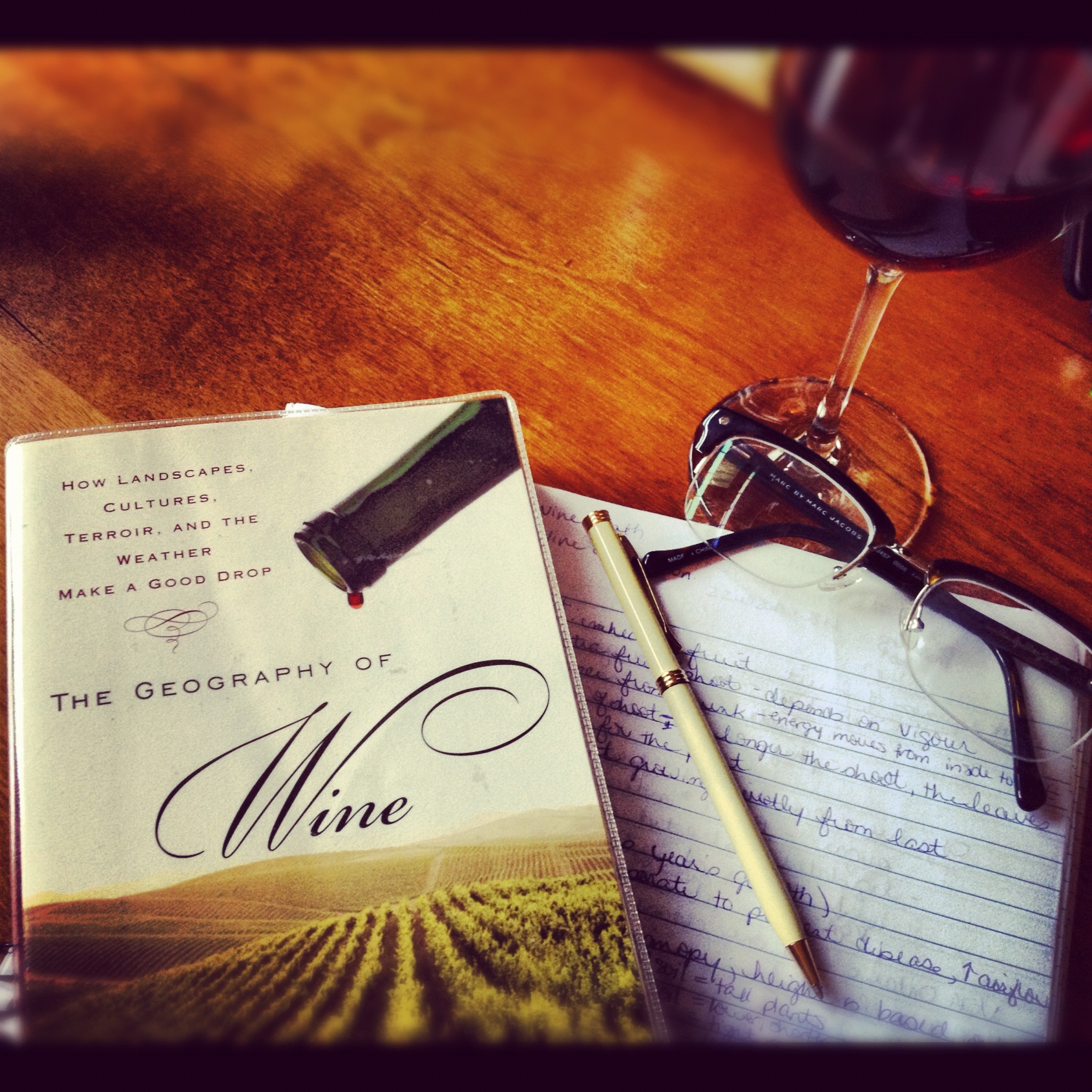
Summer, what summer? It’s been crazy busy and now that my daughter is safely into her new school routine ~ I still can’t believe she’s actually in high school ~ I thought I would do a little reading to help me come back to earth, so to speak. ‘The Geography of Wine” by Brian J. Sommers was a great exploration of various world wine regions and what makes them unique from a geographer’s perspective. What I liked about his approach was he took a subject that had the potential of being very dry (wait ~ was that a pun? you know my policy on puns ~ bottoms up!) and boring but made it very accessible and interesting.

If you’ve ever been curious about terroir and the role geography plays in the concept, this book summons all aspects. In a way that’s easily read for the lay person, Sommers deftly explores the biogeography of the grape, how urbanization affects wine geography, and economics ~ including the politics of wine with respect to its’ unique growing regions. In the last chapter, he discusses his own love of wine and how in each glass,  not only do you taste the grape but you taste a great deal about the culture of where it’s grown, nurtured and loved.

I’ll write more about terroir in another post but in the meantime, I’d like to recommend this book as a great reference for discovering that what goes into your glass is so much more than just fermented grapes.

Cheers!

Yeast Inflection

I spent most of a recent rainy afternoon researching yeast and I came across so many pages of information, I quit after the ‘L’s. So I’ll boil it down to some essentials. It’s easier to digest that way.

Yeast is necessary component in fermentation process, and is added to the juice when in the barrel or fermentation vessel. It melds with the sugar in the juice, producing heat to convert sugar to alcohol. This reaction continues until the yeast dies off. Fermentation ceases, and we have wine. The end.

Okay, maybe I oversimplified there.The type of yeast is also important: yeast is generally selected for both the amount of alcohol content it will produce, and the taste it will create. It can come from two main sources: ambient (wild) or commercial.

Cups of Yeast ~ Chez Ray Winery

Cups of Yeast ~ Chez Ray Winery

Going Native~ 

Bloom ~ refers to the pure or native yeast strain found on grape skins, and a common view is that to produce a truly indigenous wine, thus expressing terroir, one can only use wild yeast. A problem exists when using ambient or wild yeast: very few can consistently reproduce the qualities a wine maker is looking for. Where commercial yeasts win is that they are incredibly reliable and make it easier to control the outcome of the end-product.

For some purists, adding commercial yeast disrupts the ‘expression of terroir’ in a wine. That’s fair enough, I guess, but I’d imagine that to be easier to control if you’re making very small quantities of very specific wine, that’s going to a very limited customer; like your Aunt Lorraine. Most wineries, cottage or otherwise, have to answer the call of supply and demand, moreover, must address consistent quality issues. That is something that wild or native yeast can’t regularly deliver.

Terroir or no terroir, the last thing a winemaker needs, at the end of the day, are bottles of undrinkable wine coming back from the consumer.

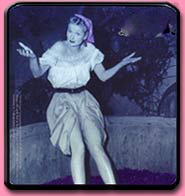
What I want to know is: does the yeast go in before or after your feet?

Grape-stomp Lucy ~ Desi-lu Productions ~  jimi's cyberstore

Grape-stomp Lucy ~ Desi-lu Productions ~ jimi's cyberstore

Cheers!

[Vinography] [Articlesbase]