Cool for the Summer: Avaline Rosé 🩷😎

I think we can call it official – summertime is here!😎🥂

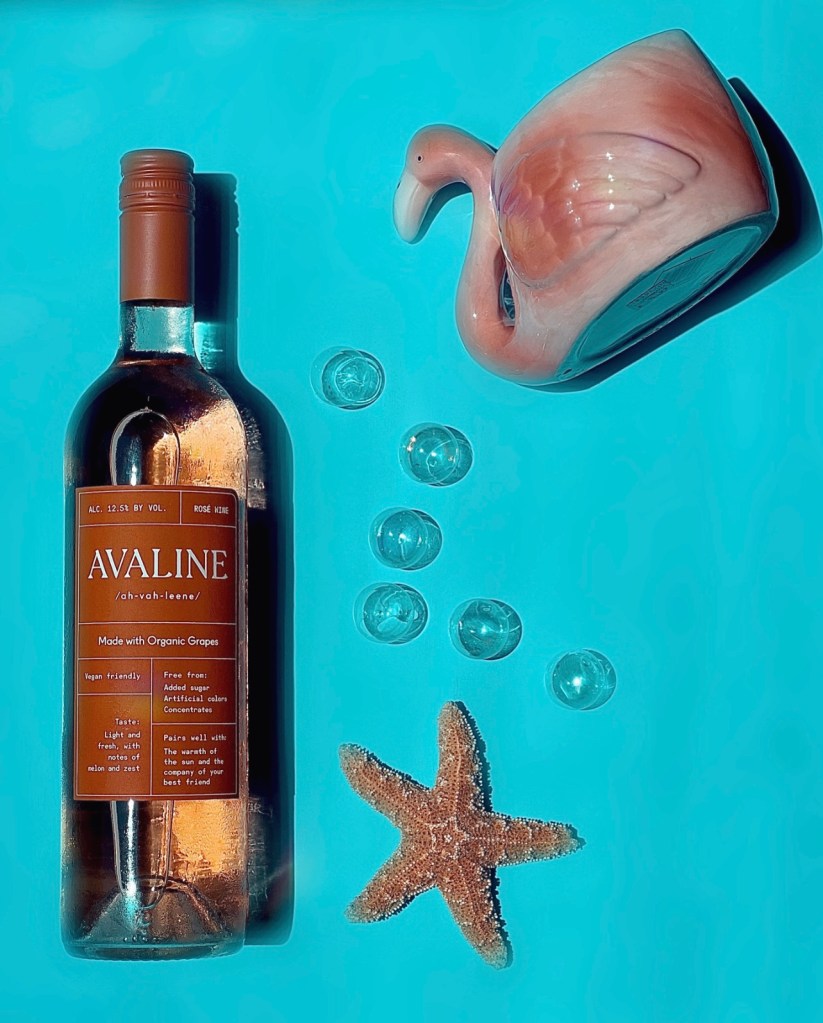
And when that mercury starts to climb, we want less heat and more chill in our glass. A clear choice to beat the heat this season is Avaline (ah-vah-leene) Rosé.

Cameron Diaz and business partner Katharine Power bonded over both a glass of wine, and a shared philosophy: to make great quality wines that are purely organic. They partner only with growers who share their commitment; using only natural methods to create wines from 100% certified organic fruit, with zero synthetic pesticides. No artificial colors, refined sugars or additives are present, and transparency in all winemaking, and labeling, is key. Current regulations do not require nutritional/ingredient information on wine labels. Other than the percentage of alcohol and short varietal list, most of us don’t always know what’s in our glass. This is something Diaz and Power wanted to highlight.

With respect to sustainable winemaking, their sourced vineyards are generally lo-irrigation, or they are dry-farmed, relying only on rain water to provide moisture. With water shortages becoming globally prevalent for growers, decreasing fresh water consumption has become a necessity.

Benefits of lo-irrigation and dry-farming are many: it’s an environmentally responsible choice, and produces more intense flavor in the fruit. Like all things, balance is important. Dry- farming is best with well-established vines that have deep root systems. However, it can take years before this happens. Vines that have regular irrigation tend to have more shallow root systems – they don’t have to work as hard to find their water source. To coax the younger vines into strong fruit producers, sometimes low irrigation, only when needed, is essential.

Avaline Rosé, a Vin de France wine, is cultivated in Provence by Famille Negrel wines. Their vineyards are lo-irrigation, adding moisture only when necessary, especially if the crop is in danger. Chickpeas are grown on site to provide vital nitrogen to the vines. Their vineyards are certified organic by ECOCERT.

Sometimes rosés can taste watered down, as though the crop had too much rain at harvest. Others taste as more heavy-handed, trying too hard to be flavorful. This wine, with its blend of Cinsault, Grenache, Cabernet Sauv, Syrah and Caladoc is flavorful, fresh and well-balanced.

Tasting notes:

Flavors of honeydew melon, orange zest, cardamom/ginger spice, and tart white peach lingered gently on the finish. Ethereal and delicious, and possessing a light-bodied, yet lingering mouthfeel.😙

A 5FL OZ pour was 107 calories, 2.6G carbs and zero fat (says so right on the label).

Ok, my pour was a little larger than that. 😉

See you on the patio!⛱️

Cheers!

©️Copyright. 2023. The Wine Student.

Field Trip: Biltmore Estate Winery🍷🏰

Visiting the Biltmore Estate is like taking a journey back in time. An awesome example of both architecture and design, its esthetic influenced by the great chateaux of France.

Click the video below to tour with me!👇

We’d originally planned this trip with our friends Carl and Deb, in May 2020… and we all know what wasn’t happening then. So it was wonderful to finally have all our schedules reconnect!

When I first researched Biltmore, I was pleasantly surprised to learn about their winery. Documents dating back to 1916 show that George Vanderbilt had begun collecting wines for his cellar. Jump forward to the early 1970’s, William Cecil, George Vanderbilt’s grandson, established vineyards on the property. The first Biltmore wines were made available for sale in 1979 under French winemaster Phillipe Jourdain’s direction. In May 1985, Biltmore Estate Winery opened its doors to the public for tours and tastings. Building on the original French-American hybrid plantings, Jourdain planted additional vinifera varietals to ensure the future of their wine cultivation.

Sharon Fenchak joined Biltmore in 1999, eventually becoming winemaker in 2003, then head winemaker in 2018, further crafting on the foundations laid out by previous winemakers, Jourdain and Bernard Delille. She now oversees an annual production of approximately 150,000 cases.

Situated in the Blue Ridge Mountains, at an elevation of 2,500 ft, growing conditions in this part of North Carolina can be challenging, especially with rapidly fluctuating temperatures during growing season. Days here are warm yet humid, with cooler nights, a high incidence of rainfall, and risk of late-harvest frost. This combination makes growing more delicate varieties difficult. Heartier varieties flourish here. Polk County, just south of the estate, has a lower elevation and a ‘thermal belt’ micro climate, reducing the risk of damage to the fruit.

Locally sourced wines include robust varietals including Chardonnay, Cabernet Sauvignon, Cabernet Franc, Petit Verdot, and Merlot. Their Biltmore Reserve NC Rosé is a home-grown, balanced blend of heartier Cab Sauv and Cab Franc of both estate and lower elevation North Carolina vineyards.

To produce a wide array of offerings, grapes and juice are sourced from not only North Carolina but California and Washington. Their American Series wines reflect this diversity.

The winery also maintains a commitment to sustainability; using locally sourced water from nearby Long Valley Lake, and recycling their plastic, glass, paper and steel. Adjacent to the Winery, is a nine-acre, 1.7 megawatt system that includes more than 7,000 solar panels to help counterbalance estate energy usage. Grape byproducts such as crushed stems and skins are used for mulch and compost. Retired barrels become planters and used corks are repurposed as wine racks to display their wines in retail stores. Biltmore has also partnered with Cork Reharvest and the Cork Forest Conservation Alliance to reuse corks and help decrease the depletion of cork trees. Visitors are encouraged to drop off used corks at the winery, all estate restaurants, and Whole Foods stores throughout North Carolina.

Out of town? You can mail your used corks to:
Biltmore Estate Wine Company
Re: Cork Recycling
1 North Pack Square
Asheville, NC 28801 👍

We tasted some wonderful wines on our tour but here are the three we took home:

2021 Biltmore Estate Grenache Blanc

My pick: The 2021 Limited Release Grenache Blanc. While it’s not from indigenous grapes, I loved the bright, refreshing and flavorful alternative to Rosé. I’m used to grenache as a lovely red so this was a treat. a nice, bouncy alternative. Tropical flavors of banana, melon, citrusy mandarin, and a light, playful mouthfeel. I can’t wait to pair with some delicate cheeses, fruit or charcuterie.

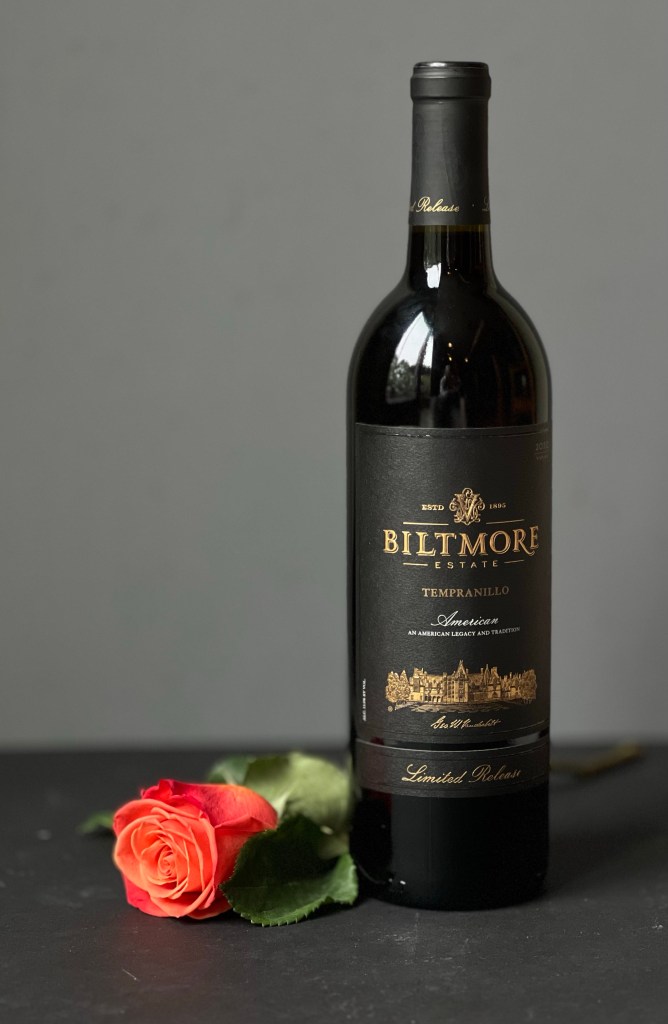
2020 Biltmore Estate Tempranillo

Dougie’s pick: The 2020 Limited Release Tempranillo. American Appellation with flavors of dark fruit, fig, and nice grippiness from the tannins. Aged 16-20 months in oak.

13% alcohol. $24.00

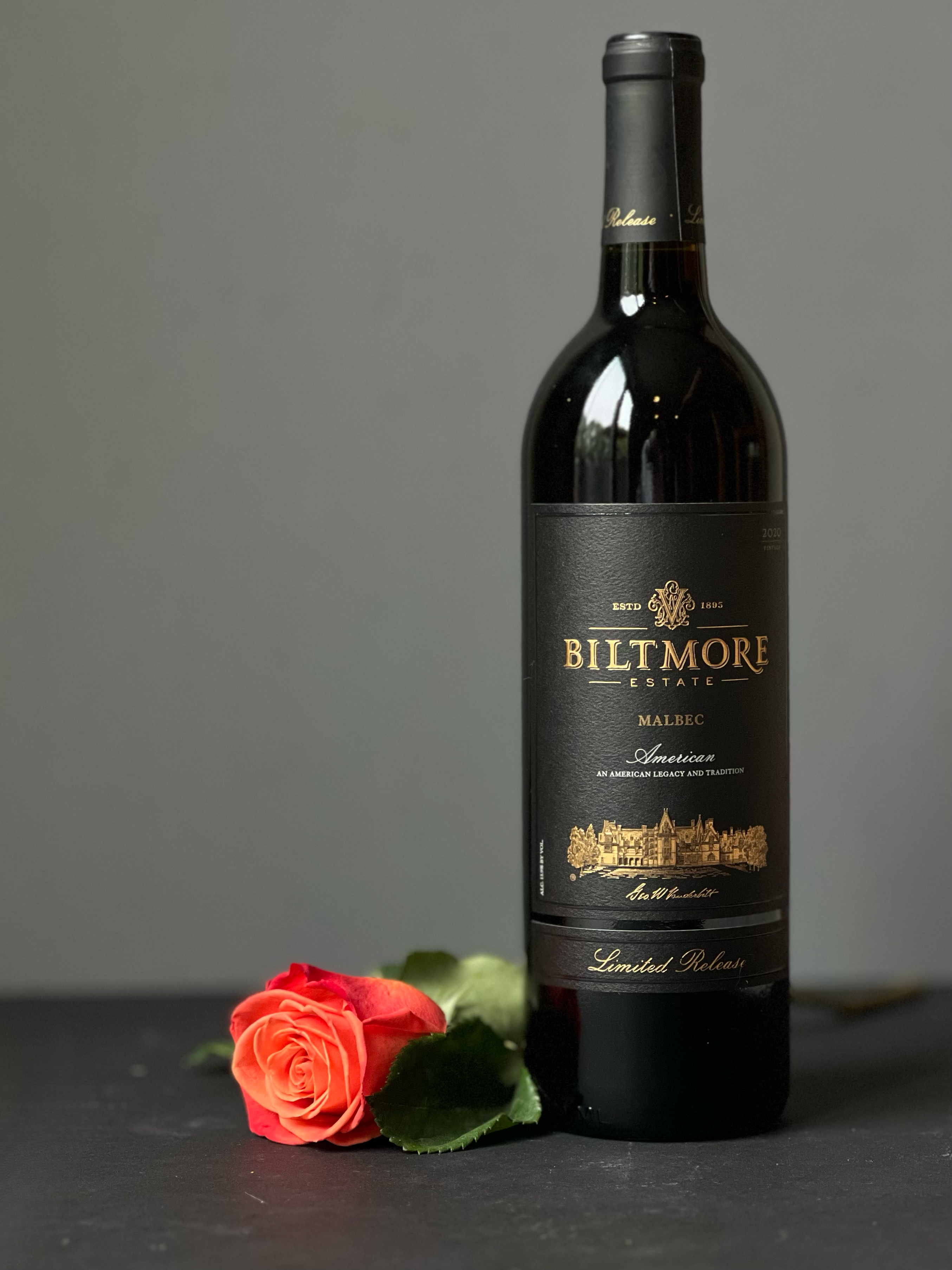
2020 Biltmore Estate Malbec

Our pick: The 2020 Limited Release Malbec. Something fun for Malbec Mondays! We haven’t had Malbec in some time so this was a nice change from our go to Pinot Noir. Rich blueberry, blackberry and plum with a hint of spice on the finish. Also aged 16-20 months in oak. It’s one to savor slowly and enjoy with maybe a nice beef brisket. Yum!

13% alcohol. $ 22.40

The best part about the trip was finally reconnecting with our friends again, and to take a little step back in time. ♥️

Biltmore is definitely worthy of a place on your bucket list; and the wine makes it even better!

Cheers!🍷

©️Copyright. 2023. The Wine Student.

Green Day in Ohio: Celebrating Sustainability in Winemaking


The winemaking carbon footprint can loom quite large but many wineries are now making the conscious move towards sustainability and making sure that the footprint they leave is one that will help keep the planet beautiful for generations to come.

Sustainable winemaking involves:


  • Changing from power usage to solar power, thereby cutting energy consumption.
  • Reusing and recycling all water and making their own compost as fertilizer.
  • Practicing Integrated Pest Management: Using owls, bats, hawks or other wildlife, as well as cover crops to help control insects.
  • Also using weed control | border management by goats or sheep to cultivate the vineyards instead of traditional chemical pesticides and herbicides.
  • Using low-gravity flow techniques to move wine steadily downward through the winemaking process, decreasing the use of energy consuming conveyor belts and equipment in the process.
  • Recycling all materials used in the winemaking process.
  • Erecting or modifying buildings to make them energy efficient.
  • Using biofuel or alternately powered farming equipment; preferably using horsepower instead of tractors when workable.
  • Ensuring that workers, employees are fairly treated.


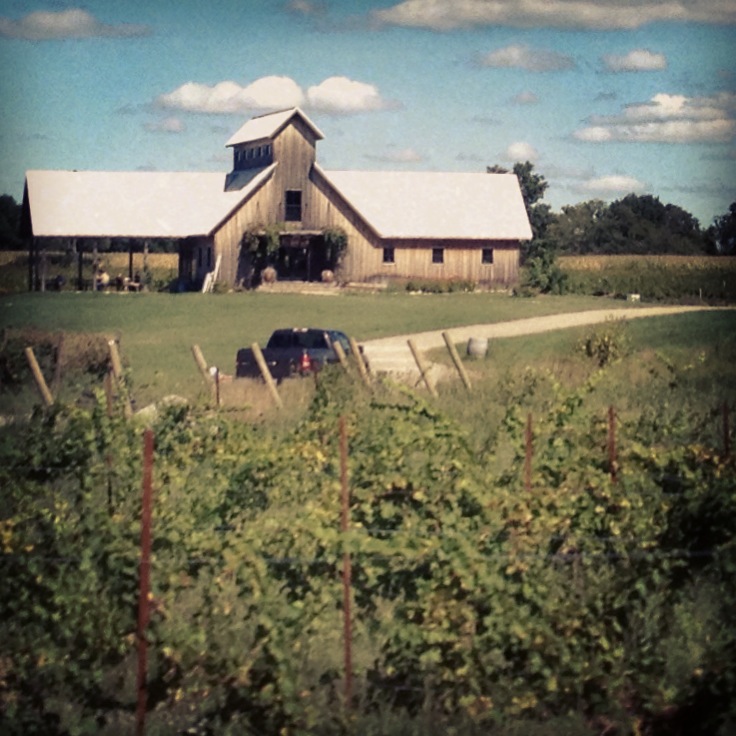
 Vermilion Valley Vineyards is one of the few identified sustainable wineries in North East Ohio that uses recycled materials, solar energy and storm-water management (large tanks collect storm-water for reuse in the vineyard). Located in Wakeman, OH about 45 minutes west of Cleveland, Vermilion Valley Vineyards is situated beside a fully restored wetland that is home to natural residents like Bluegills and Large Mouth Bass, and naturally occurring, native plant life. The wetland also serves to provide the winery a viable heat source in winter, and acts as an area to release heat overloads during high summer. The heating | cooling systems are ‘ground sourced’ HVAC using the wetlands. Their vineyard building has 40-plus “R” insulation for its walls and roof; saving energy that would normally have to be produced by burning fossil fuels.


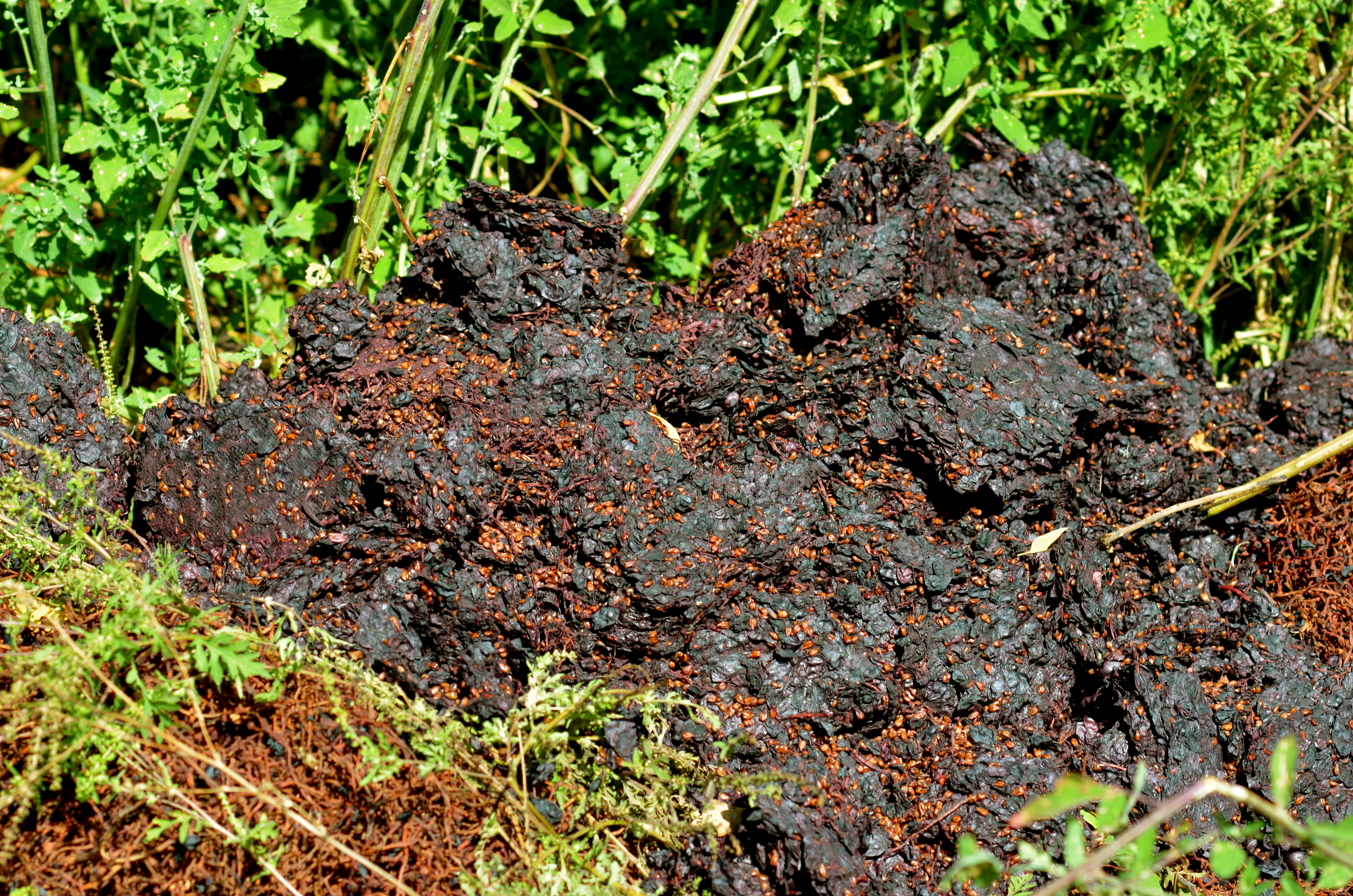
Vermilion Valley Vineyards’ philosophy is one of holistic agriculture: viewing the entire farm as a living organism. They work to build soil fertility by using composted grape skins, stems and seeds.What comes out of the earth, eventually goes back in.

Using composted grape skins, seeds and stems

Using composted grape skins, seeds and stems @ Vermilion Valley Vineyards


Crop rotation, companion planting and cultivation is the main source of natural pest and disease management. In cases where it doesn’t work, they employ Integrated Pest Management ~ where some conventional but less toxic pesticides are permitted ~ but it is used only sparingly and never where non-chemical interventions have been shown to be most effective. They have maintained a commitment to find new certified organic fungicides that will precisely target problematic organisms.


To further educate the public about the importance of sustainable farming practices, they created the Green Lit Scholarship Fund. The fund rewards select graduating high school students wishing to pursue a career in sustainable winemaking | farming, as well as those majoring in a related field (forestry, agriculture and architecture) and is awarded annually. The winery hosts several fund raising events during the year to provide support.

While it can seem like a daunting proposition to completely revamp a winery’s operating practices to incorporate sustainable winemaking, it can be done. And it can be a work in progress. But the commitments to the environment that are made now will ensure a better world that we leave for our children to enjoy.

And that’s worth toasting.

Cheers!

©TheWineStudent, 2014

Earth, Wind and Wine

 Happy Earth Day, everyone!

A while ago, I wrote about vegan and organic wines and in that post touched on sustainable farming and winemaking.

While a good portion of sustainable winemaking is in California, I wanted to find out whether any wineries here in Ohio were making the move to being sustainable.


For a vineyard to be sustainable it has to meet much if not all of the following criteria:

  • Changing from power usage to solar power, thereby cutting energy consumption.
  • Reusing and recycling all water and making their own compost as fertilizer.
  • Practicing Integrated Pest Management: Using owls, bats, hawks or other wildlife, as well as cover crops to help control insects. Also using weed control/ border management by goats or sheep to cultivate the vineyards instead of traditional chemical pesticides and herbicides.
  • Using low-gravity flow techniques to move wine steadily downward through the winemaking process, decreasing the use of energy consuming conveyor belts and equipment in the process.
  • Recycling all materials used in the winemaking process.
  • Erecting or modifying buildings to make them energy efficient.
  • Using biofuel or alternately powered farming equipment; preferably using horsepower instead of tractors when workable.
  • Ensuring that workers, employees are fairly treated, paid and housed (when necessary). If you’re going to go sustainable, you need cover all the bases.

Maple Ridge Vineyard in Madison, OH appears to be one of the only sustainable wineries in North East Ohio. They have been certified by the Ohio Ecological Food and Farm Association since 1997 and along with specializing in European style wines, cultivate vegetables, flowers, herbs, eggs and maple syrup that is sold to local farmer’s markets. According to their website, their grapes are hand-picked and processed manually and they use minimal filtration, with some wines being 100% unfiltered. Their winery is a fairly small, exclusive operation, with small production and yield, which would account for why I couldn’t find their wines stocked on any local wine store’s shelves.

At this time of year, their hours are very sporadic; I was unable to get my schedule to work with when they were open. But I’m looking forward to making it a stop on my North East Ohio summer winery tour.

There are benefits to the philosophy of winemaking, be it traditional or exclusively sustainable. For the wineries that have it as their inherent philosophy ~ and the consumers who mirror it ~ the choices about wine become very clear.

I’d like to think that in the future, we’ll see most wineries incorporate sustainability as much as possible into their winemaking practices: For themselves, for the earth and for all of us.

Cheers!A little love from the Earth...in every drop :)