Dry Spell

The last of the holiday treats are gone, and you feel like you need to take a little break. You’ve decided to embrace Dry January. Good for you! In your quest, maybe you’ve noticed a few alcohol-removed, dealcoholized or non-alcohol wines on the shelves of your local store.

Although the tipsy factor might not be there, alcohol-removed red wines, like their boozy cousins, contain resveratrol, a powerful anti-oxidant contained in the skins of red wine grapes.

Here are some other health benefits of drinking dealcoholized red wine:

• Decreased risk of cardiovascular disease

• Decreased risk of cancer, inflammation, diabetes

• Decreased blood pressure

• Less calories than regular wine

• Decreased passing out while binge-watching your favorite show and missing the best part

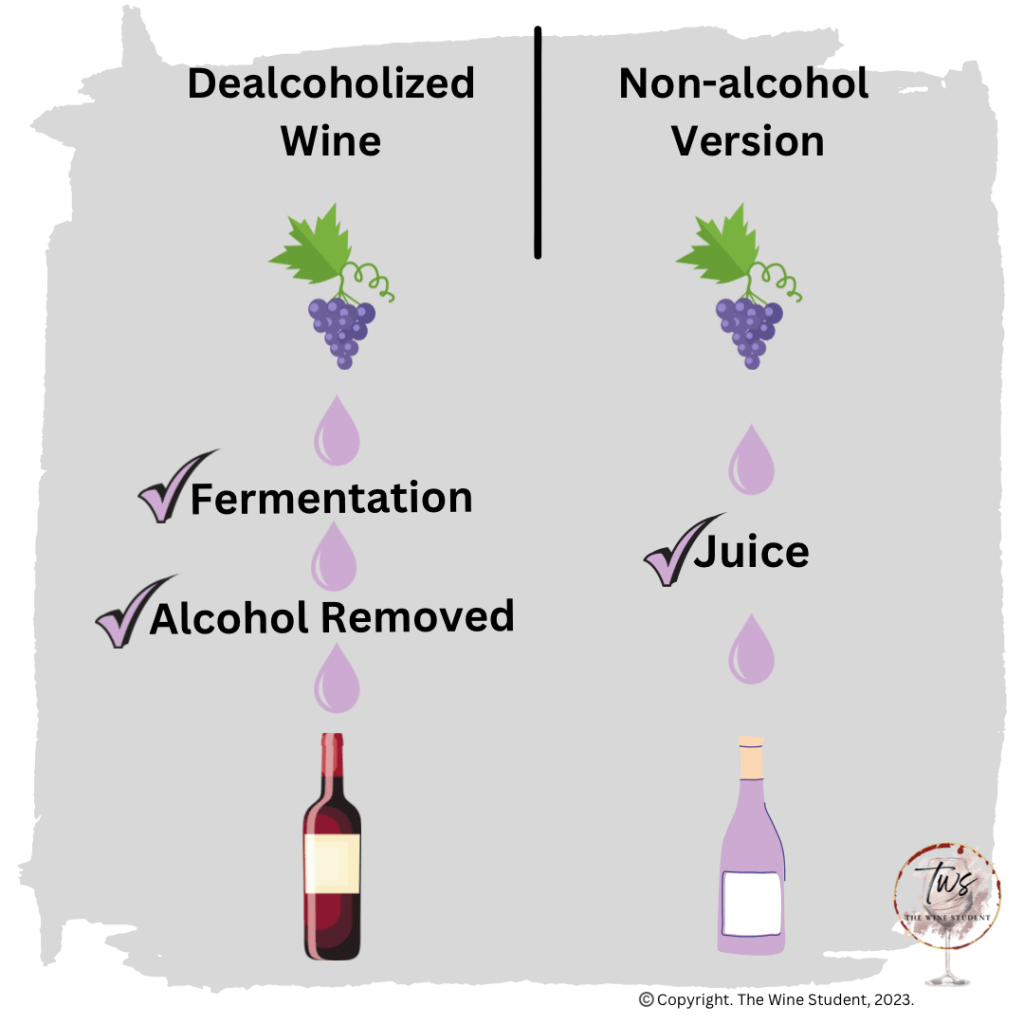
What’s the difference between dealcoholized and the non-alcohol version? Dealcoholized wine has gone through the traditional processes of winemaking: fermentation – which ensures skin contact, and turns grape juice into wine. The alcohol is then removed before bottling. Non-alcohol vino goes straight from juice to the bottle with no fermentation.
Still, it can be a little confusing when you’re searching for these wines. So check the label.

On the front, look for the term ‘alcohol-removed wine’. The back will have a nutrition facts label, and the terms ‘contains less than 0.5% alcohol by volume’ and dealcoholized wine’. Some non-alcohol offerings simply state “wine alternative” which means it is juice that hasn’t been fermented.

So how do you take alcohol out of wine?

Here are three methods:

Spinning Cone Technology:

Freshly fermented wine, made in the traditional way, is poured into the top of a spinning cone column. Rotating cones transform the wine by centrifugal force, and turn it into a thin filmy liquid. Nitrogen gas is then fed into the bottom part of the column to extract flavors and aromas of the wine, and to prevent the wine from oxidation. The remaining liquid is passed through the column again to remove the alcohol. Flavor and aroma essences are then recombined with the dealcoholized wine, and blended with unfermented varietal grape juice to replace any lost volume. This creates a wine with less than 0.5% alcohol by volume. The entire process is done repeatedly and at low temperatures.

Vacuum Distillation:

Similar to spinning cone, traditional winemaking occurs before the alcohol is removed by extracting off the alcohol at a low temperature in a vacuum, keeping the wine’s flavors and aromas intact. Once the alcohol is removed, the essences and flavors are mixed back in.

Reverse Osmosis:

We’ve heard about this for water purification; in winemaking the process is the same. Wine passes through a very fine filter that water and ethanol pass through. The ingredients of wine, such as tannins, and other elements responsible for color, flavor and aroma are left behind.

According to liquor.com, here are some of the more popular alcohol-removed wines:

Best Red:

Ariel Cabernet Sauvignon – $32.45

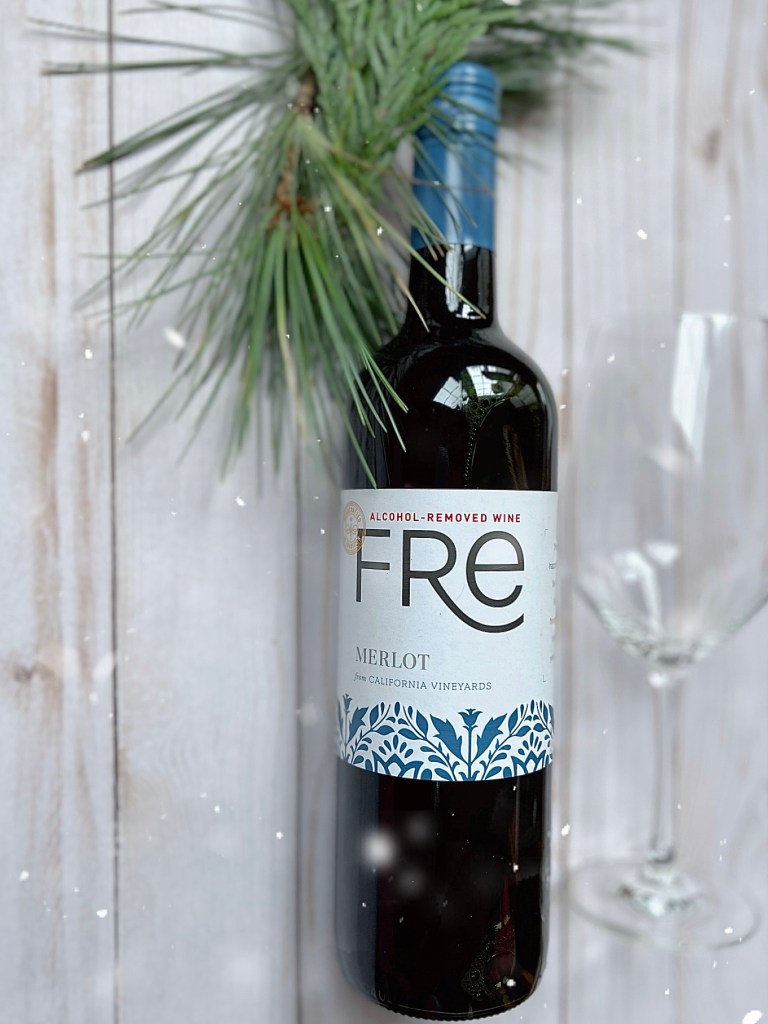
Fre Merlot – $9.99

Best White:

Giesen Marlborough Sauvignon Blanc 0% Alcohol – $16.99

Luminara Alcohol-Removed Chardonnay – $16.99

Best Rosé:

St. Regis Nonalcoholic Shiraz Rosé – $17.99

Best Brunch Bubbly:

Freixenet Sparkling Alcohol-Removed Wine – $9.99

I tried the Fre Merlot. The consistency is thinner than its traditional counterpart. It tastes sweet, like a natural varietal grape juice. It had a nice, bright mouthfeel, and a beautiful claret color. And the looks you get when you pour a glass at 10:00 am are pretty comical. 😆

If you want to enjoy a dry new year, but still want enjoy the health benefits of red wine, take a closer look at some of these wine options. And let me know what you think in the comments!

Cheers!🍷

©️Copyright. The Wine Student, 2023.

Skin Deep ~ The Beauty of Wine

img_5856

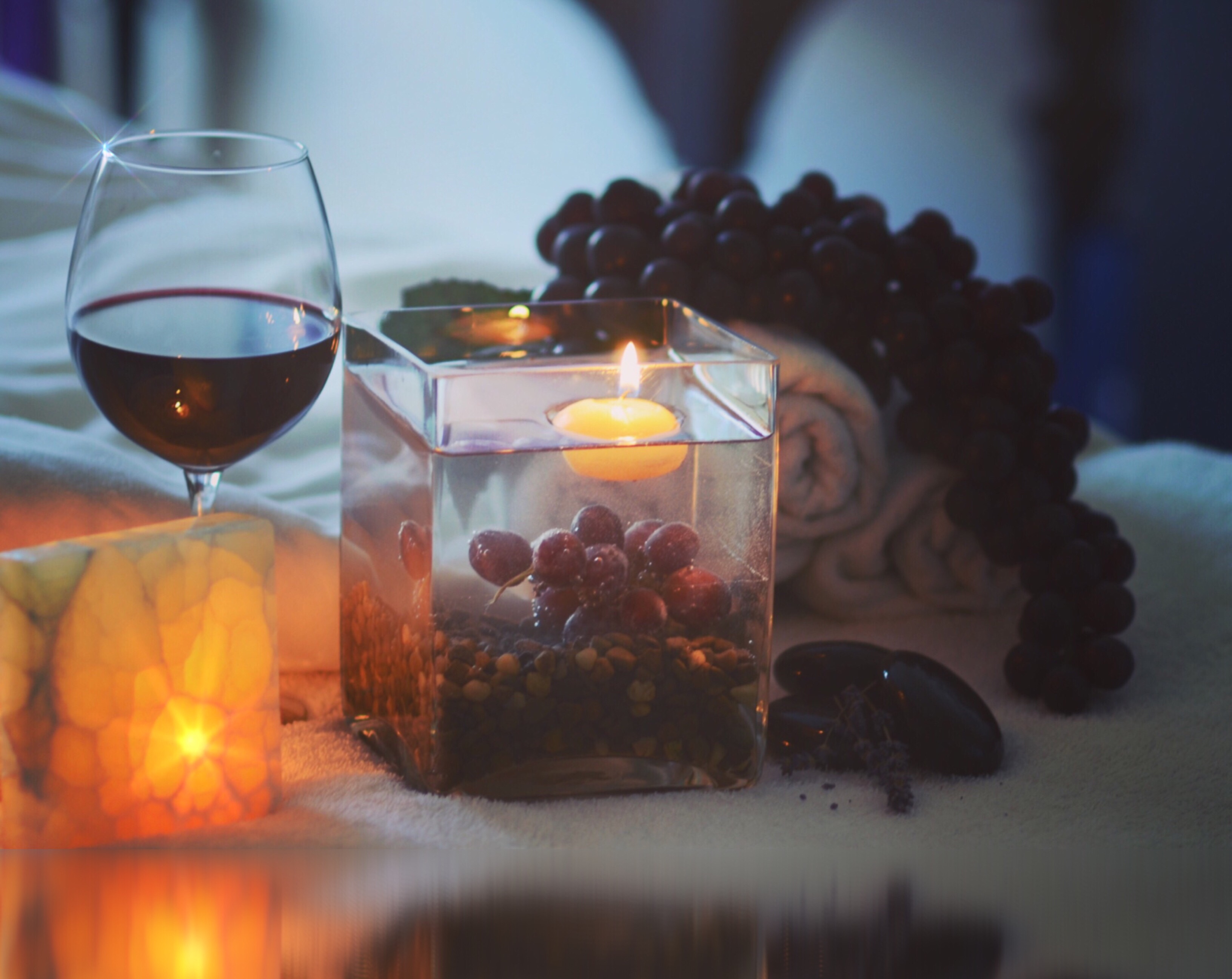
The glow of the candle sets the mood. You breathe deeply, then relax. You know there will be wine…except it’s going on your face.


But not like this…

Over the years we’ve read much about the health benefits of drinking wine, especially resveratrol, a naturally occurring antioxidant found in red grape skins. In the earliest days of the Tour de France, riders would occasionally stop to swig some red wine (or beer) in order to thin the blood to help them through the tougher sections of the race. How they managed to get back on their bikes to finish the climb tho…

Heart Smart

Moderate, regular consumption of red wine, which contains the highest levels of resveratrol, can help lower blood pressure,and has anti-inflammatory properties. By decreasing low-density lipoprotein (LDL) cholesterol (the bad cholesterol), resveratrol helps to improve overall cardiac health, as well as protecting both the heart tissue, and arteries.

A recent study by the University of Alberta’s Faculty of Medicine and Dentistry showed that high doses of resveratrol improved physical performance, heart function and muscle strength in lab models. Did they chug massive amounts of wine before hitting the gym? That would just make me fall off the treadmill. The subjects took it in pill form, which is much safer. All of the performance, none of the buzz.

Check out my video below for more info! 💆🏼‍♀️

Wine Skin

While much focus is placed on resveratrol in grape skins and wine, it is produced within the stalk and leaves as well as the mature grape skins. It acts like sunscreen for grape vines and other plant life, working to safeguard plants from UV rays of the sun, as well as other environmental stressors such as atmospheric toxins, and fluctuations in climate and temperature.

For humans, environmental stress from weather, sun damage, worry/anxiety, and poor diet can all lead to skin aging; free radicals are produced naturally as we age. Resveratrol, when applied topically to the skin, acts as an antioxidant, protecting the skin against exposure to harmful UVA rays, as well as providing anti-aging properties. According to Dermatology Times, a recent clinical trial of a stabilized resveratrol and vitamin E serum demonstrated improvement in elements of skin aging, including firmness and elasticity. When skin products containing resveratrol are combined with hyaluronic acid and peptides, stimulation of collagen and elastin are improved. By stimulating proteins, known as sirtuins (these repair DNA and decrease inflammation), resveratrol can increase cell life in the body, heightening skin’s defense systems to fight disease, therefore prolonging cell life. Gentle exfoliation of old, dead skin cells, and hydration are also benefits.

Much like the exercise study, resveratrol in these skin formulations is in usually high doses. Sadly, the benefits to the skin don’t usually happen if you just drink a lot of red wine. I’ve tried it.

Vinotherapy in spas utilize resveratrol in facial and body masks and creams.

It can take many forms, from having ground up skins and pulp kneaded into the skin, to the application of concentrated grapeseed oil in massage, to mud masks combining powdered grape products and mineralized clay.

Two leading vinotherapy spa products are:

Caudalie ~

* founded in France in 1993, Caudalie was one of the first companies to cultivate resveratrol in cosmetic applications in 2001.

* in 2006, made the commitment to use no parabens and create products that are natural and environmentally conscious.

Vine Vera ~

* released in 2012, Vine Vera uses resveratrol in all products, combining it with essential oils, vitamins and minerals to keep it as natural as possible.

* since not everyone has the same issues with their skin, there are 10 varied collections to address individual skin care needs.

So, to unlock the secrets of youthful skin, look no further than the humble grape. And make sure to enjoy a nice glass of wine while you’re at it.

Cheers! 🍷🍇

©TheWineStudent, 2018

It’s Always Sweet in Florida: San Sebastian Winery


Wherever I travel, I always try to find a winery. Not that I can’t go a day without a glass of wine, but it’s a great way to check out local offerings and to taste the differences in growing regions. On this first trip to Jacksonville, I wasn’t sure I’d find one so close. San Sebastian Winery in St. Augustine, was only 45 minutes away by car. Sweet.

Established in 1996, San Sebastien Winery uses a combination of hybrid bunch grapes; Stover, Suwannee, Blanc Du Bois along with Muscadine. The Muscadine grape thrives in humid, warm conditions and well-drained, loamy sand. It bears fruit in small, loose clusters that allow for better air flow and circulation. If you look at the picture, they look really different from what we’re used to here in Ohio.

Muscadine Grapes Image via drlindseyduncun

Muscadine Grapes Image via drlindseyduncun

Their growing season begins from bud break in mid-March to harvest in late July and August.The skins change from a bronze into a deep blackberry color, when fully ripe, and have a very high content of polyphenols and trans-resveratrol, highly touted for its’ health benefits. Muscadine wine is typically sweeter due to the sugar content from the winemaking process.

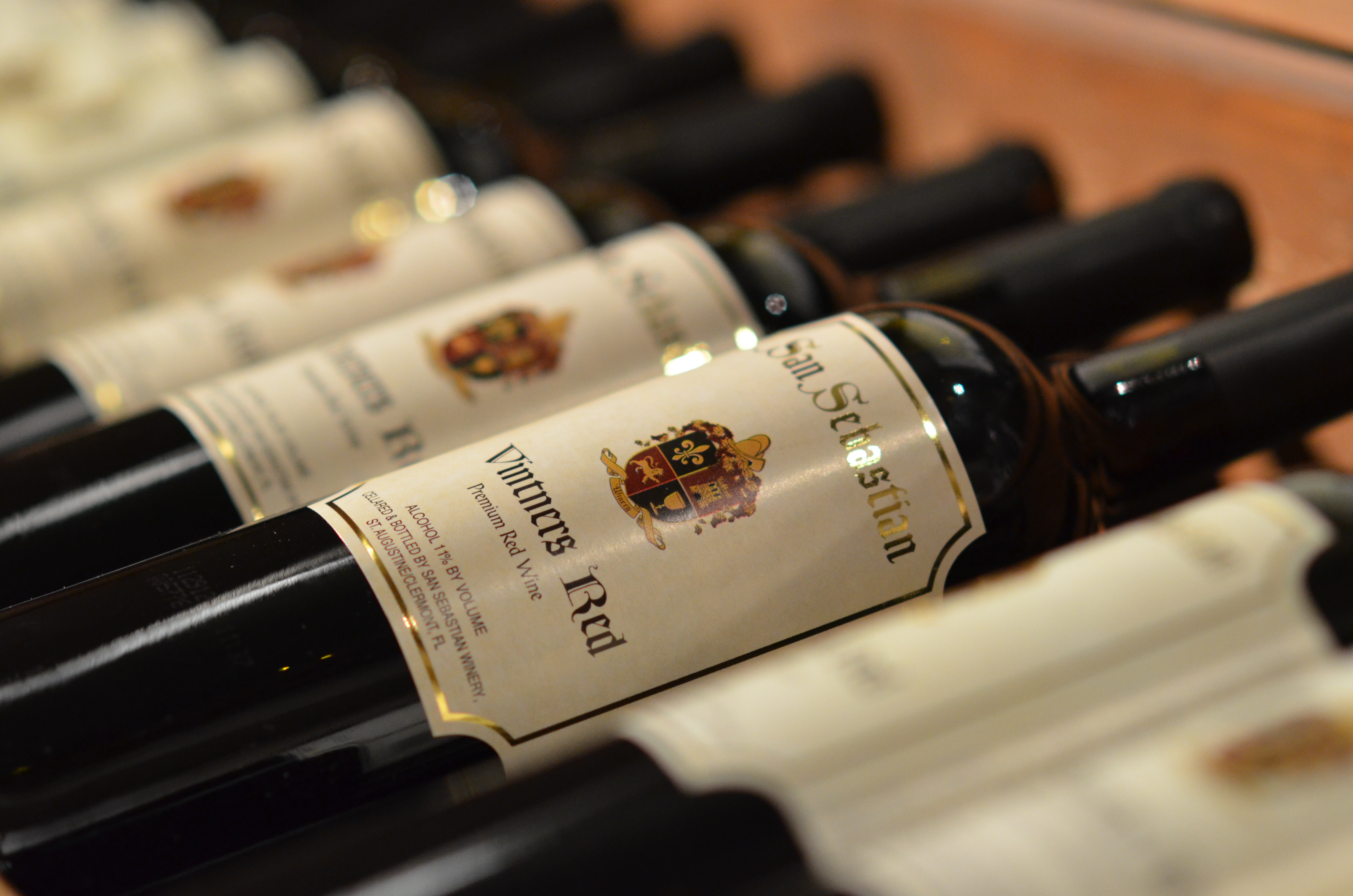
Unlike many wineries I’ve visited, there was no direct access to their vineyards, (Lakeridge Winery) located several miles away in Clermont, Fla. So we toured the winery, saw an informational video about how wine is made, had a quick look at the barrel room, the bottling area and finally wound it all up in the tasting room. There, we sampled a few of their products including: the Castillo Red (very Merlot-like) and the Stover Reserve ~ quickly moving down the list, from dry to sweet, until we reached the sherry and port.

Tour guide Doc Michealson, instructed visitors on why the swirl is important and, specifically, how to properly sip the port and sherry. He explained that it would take three sips of each to get the full flavor. One lone sip and all we’d taste would be “the booze”, not that there’s anything wrong with that. However, I got his point that the beauty was in tasting the nuance of the flavors. For a winery whose mandate is for visitors to take with them some education about wine, and also a bottle or two, they do a nice job.

We found that most of the wines tended to be on the sweet side, even ones that were billed as dry, tasted quite sweet. That makes sense given the type of cultivar that do well in summer heat as well as the style of winemaking. It also could be because our palates are used to beefier, full-bodied reds from Italy, Oregon, Washington and Napa.

But that was the most interesting element because it was a true expression of their particular terroir.

Instead of being a copy of some other style, it was uniquely their own.

Cheers!

This slideshow requires JavaScript.


©TheWineStudent, 2013