Breaking Bud

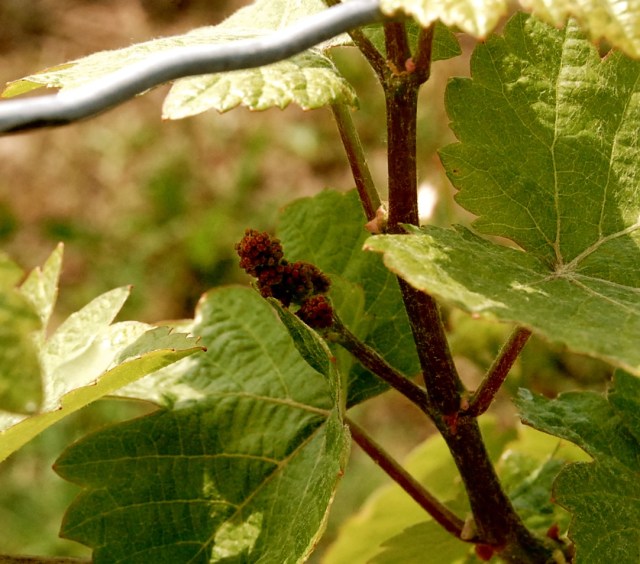
For the most part, this past winter was not one of discontent. Unless, perhaps if you’re a winemaker. It’s a balancing act when it comes to managing freeze-thaw cycles in a vineyard. Most vines are resilient enough to withstand the below freezing temperatures for a time only to rise and bloom when it’s safe to wake up. This winter and spring were a little different, though.

While bud break  in March is not unheard of, it usually it begins when the danger of frost has safely passed. Winter bud damage can occur at temperatures below -25 C; vine damage can occur between -28 and -30C. The level of damage also depends on the grape: Vidal and Cab Franc being heartier varietals can withstand extremes, but the more delicate Pinot Noir, and Gerwurtztraminer suffer the most when they are exposed to temps of below -10C.

But like anything in nature, adaptability is everything. According to an article in the University of Maryland Extension, buds acclimate in two ways:

  • Dehydration ~ where water contained inside the bud and vine move into intercellular spaces. Shrinkage, if you will.
  • Cryoprotection ~ sugar and protein complexes that bind water work as cryoprotectants which lower the freezing point of water allowing contents of the cell to ‘supercool’ without the generation of dangerous ice crystals.

The difficulty facing winemakers here in the Ohio River Valley is that spring came on early and strong with record mild temps, potentially causing grape buds to emerge earlier than usual. Bud break occurs approximately around late April through mid May. While early bud break allows for the potential of a longer growing season and riper fruit, it also increases the vulnerability to a late spring frost. If shoots are lost, the crop size decreases, yet the quality of the resulting wine can increase.

Matt Meineke, owner and vineyard manager of M Cellars in Geneva, Ohio says [via e-mail] , “with the mild winter early bud break was a concern but we do feel things should be in the clear at this point. Many growers use fans and we actually use a potassium/ calcium spray, and a little luck, to get by on our estate vineyards. On the vineyards we manage we use fans and of course luck!”

Temperatures in North East Ohio for March ranged from 28F on March 2 to a crazy high of 75F on March 8, with variations on that theme throughout the month, ending with a high on the 31st of 70F. It’s no wonder the buds were confused — I was. As temperatures began to decrease again, the frost, snow and ice could likely encroach upon the tender new vines, and damage could then take hold. Just how much damage remains to be seen. As Meineke explains, “ any extreme temperature fluctuation will cause the plants to deactivate from winter hardiness which is always a concern regardless of the variety. Some varieties are more tender, especially the vinifera wine grapes we grow such as Pinot Noir, Chardonnay, Cabernet Sauvignon, Riesling, etc.”

So what happens if frost bites the young vines? Having a plan B is essential to a successful season. According to Meineke, “if we have an early frost that causes damage, we would be using our secondary buds for production. This would cause production to be down and typically ripening may be delayed as well. That said, we would probably not be in a good position to make premium red wines, we should be considering premium rose wines as that is what nature has told us to do.”

As for any changes the consumer might see in terms of pricing, Meineke explains, “as far as pricing goes I don’t think we have a lot of room for an increase to the end consumer. We find local wines hard enough to sell on the open market and this would simply be one more reason for the end user to look elsewhere for their wine purchase.”

Even with this season’s fluctuations in temperatures, by the looks of things, the vines are all right. And so will be this year’s vintages.

Cheers!

©TheWineStudent, 2016

Summer Solstice, Wine, and Finding a G-Spot?

This slideshow requires JavaScript.

Wait. What? Yeah, I thought the same thing when I saw the list of wine offerings last weekend at the 11th Annual Sarah’s Vineyard Summer Solstice Festival in Cuyahoga Falls. I’d been looking forward to this event for a while because I had wanted try some other local wineries in North East Ohio that I’ve yet to visit. It’s great  because you can sample from many local wineries that aren’t always featured at other wine events in and around the Cleve. We started by sampling Sarah’s Vineyard‘s top three; The Sweet Elisa ~ a Concord and Niagara grape blend; Painted Lady ~ Riesling and Chardonnay and the Miserabile ~ A Tuscan blend of Merlot, Sangiovese and Zin ~ their biggest seller of the festival’s first two nights. The woman next to me described it as ‘powerful’ and it was probably the most interesting and complex of the wines we sampled.

The best wine name had to go to Red Horse Winery’s G-Spot; a Riesling blended with a tart little hint of Granny Smith apple. I’m not one for apple wine but this wasn’t a bad combination; refreshing and crisp, it definitely got everyone’s attention. HubbyDoug’s pick of the day was their Pinot Noir.

I liked Mastropietro‘s  Chambourcin ~ which, served slightly chilled, seemed to have a little more depth of flavor than normally found in a typical blush. It provided a nice, light sip on this smokin’ hot day.

Summer Solstice is a time when we celebrate the promise of wonderful things to come. This festival was a great celebration of some Ohio wineries’ proud offerings of the season.

Cheers!

©TheWineStudent, 2013

Bright, Young and Cool: Wine Marketing’s New Look

This slideshow requires JavaScript.


The face of wine marketing is changing. It’s getting younger. And it didn’t need Botox to do it. If you want to sell something, really sell it, it’s got to be cool. Look at any product out there; if it’s considered cool, it’s because younger consumers have deemed it so. The wine industry, for the most part, is becoming very aware.

Until the last decade or so, the impression of the world of wine has been a little, well, stuffy. But if you look at most wine stores now, as I recently did, you’ll see a distinct pattern emerging: the wines with the most interesting, funkycool label art and packaging are getting prominent shelf space, usually in the front row. And that’s the perfect position for the grab-a-bottle-on-the-way-to-the-party crowd.

Twenty-something Millennials are fast becoming the key group to the future of wine marketing. According to Donniella Winchell, Executive Director of Ohio Wines, there are two basic categories, the first ranging from ages 24 to 28. “This group are recent graduates who have been negatively affected by the recession but are still interested in fun wines; the sweet whites and reds. The over 28’s are well-employed and prefer wines in the $12 to $24 range.” She adds that, “By the ages of 14 to 25, they’ve established their taste in music, clothing and are well on their way to molding their decision-making in beverages, and there are lots of choices. Most have been exposed to better wines over the years because of what their parents were drinking.”

It’s no surprise that social media largely influences what’s trending in wine brands and what’s being chosen in the wine store. There’s also the tendency to veer away from traditional brands in favor of wines that have a celebrity buzz or are socially or environmentally conscious. Winchell notes, “They’re not always brand loyal or specific ~ paying more attention to what their friends are buying or what they’re reading about online via Twitter and Facebook.”

Differences are clear not only in buying habits but also at events. In tracking wine sales and attendance at winery events, Winchell notes that, “Millennials tend to gravitate to the sweeter wine and, at events, hang in larger groups ~ buying maybe a bottle. Wineries generally like to focus on the age 45 plus consumers who have larger incomes and buy wine by the case.”

But Millennials are the future and Winchell cautions that wineries who don’t account for them in their long-range forecasts will be left behind, “Those who don’t pay attention to Millennials now won’t know why they’re in trouble in 10 years.”

This is a really interesting trend for wine and it’s something I’ll be keeping an eye on, especially within the Ohio wine industry, in upcoming posts.

Cheers!

©TheWineStudent, 2013