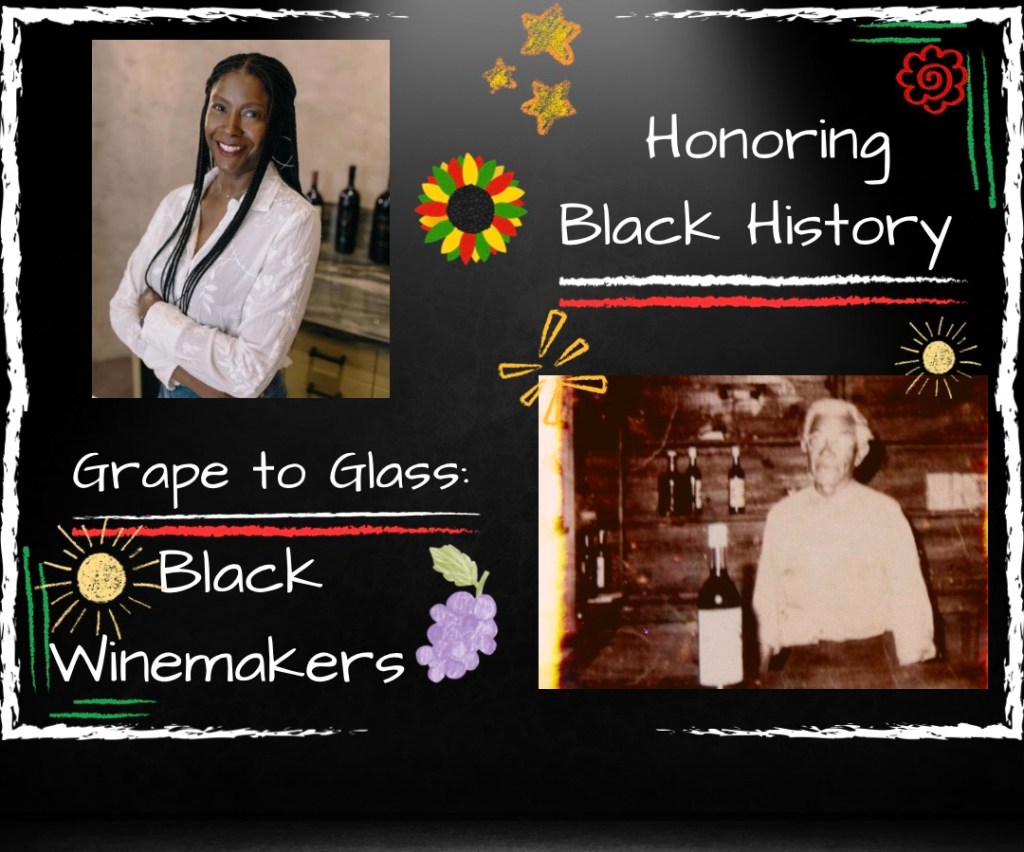
When you think about the history of American winemaking, you must honor the significant contributions of Black Americans. While Thomas Jefferson receives much of the credit for early popularization of winemaking in this country, it was enslaved Black Americans who tended the soil, cultivated the vineyards and helped manufacture the end product. It is a complicated history to be sure but one that bears attention.
The history of Black-owned wineries begins with John June Lewis (1894-1974). In 1919, while serving in WWI among the occupied vineyards of the Rhineland, Lewis learned about, and developed a passion for, viticulture and wine. After he returned to the United States, he inherited from his father 10 acres of land in Clarksville, Virginia. Shortly after the repeal of Prohibition in April of 1933, Lewis planted his first vineyard. By 1940, he established Woburn Winery, selling his exclusive wines to local residents until his death in 1974. Woburn Winery is the first noted Black American-owned winery in the United States, and the only Virginia winery of its time to produce estate-sourced wines from Labrusca and hybrid grapes. Known as the “Virginia-Carolina Brand”, they were classified as table and dessert wines. This was a significant breakthrough – and Lewis’ resilience, innovation and commitment to excellence has made him the catalyst for Black winemaking’s future.
Over the years, Lewis has galvanized many aspiring Black vintners to persist despite myriad challenges: lack of representation, limited access to capital, and being underestimated as business owners.
Jump forward to the West Coast in 1995, Daneen, David and Coral Brown open Brown Estate on land purchased by their parents in the Chiles Valley AVA. In 1997, Rideau Vineyard in the Santa Ynez Valley launched – the first winery owned by a Black woman, Iris Rideau. Soon after, Vision Cellars under Mac McDonald opened its doors, paving the way for future Black winery owners and winemakers.
In 2005, Victoria Coleman (pictured above) became Napa Valley’s first Black female winemaker. Beginning at Stag’s Leap Winery in 1998, first as receptionist, then Production Assistant under Michael Sillacci in 2004, she then enrolled at UC Davis to become their first Black woman wine student. There, she studied with Mario Bazar, eventually becoming his winery’s founding winemaker in 2005. In 2008, she worked with Eric Tourbier at Château Mouton Rothschild in Bordeaux, France, as well as commuting several times a year to Xi’an China at Jade Valley Winery. Today, she is the principal winemaker at Lobo Winery producing three varietal wines; Chardonnay, Pinot Noir and Cabernet Sauvignon. Victoria is also in charge of both their Atlas Peak and Wolff Vineyards Napa Cabernet and Pinot Noir production.
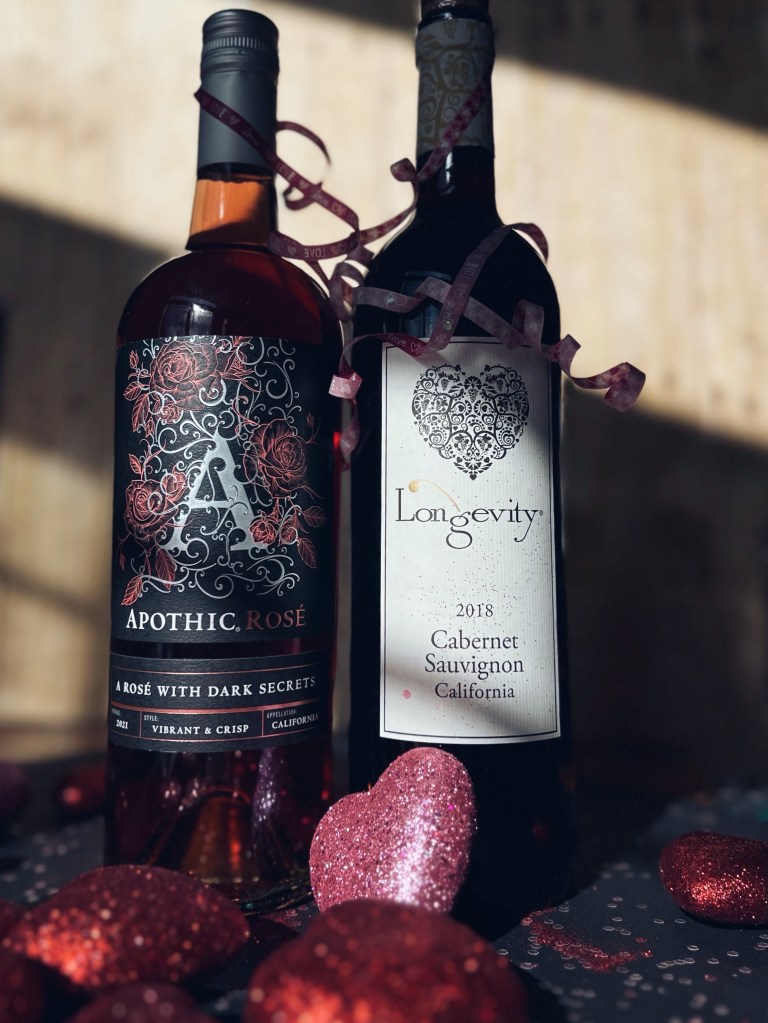
Out of approximately 11,000 wineries across the US, only 65 are currently Black-owned. But the numbers are beginning to change. As more Black wine enthusiasts become inspired by the influence of Black tastemakers/winemakers/winery owners such as the McBride Sisters, Theodora R Lee at Theopolis Vineyards and Phil Long of Longevity Wines, the Black wine industry will bring more of its own unique flavor to the landscape, while remaining firmly rooted in tradition.
For those starting out there’s no greater advice than from Chrishon Lampley, CEO of Love Corkscrew: “embrace setbacks, work twice as hard, remain authentic, and let perseverance drive success.” Just like John June Lewis.
Here are some additional Black-owned wines and stories for you to check out:
Meadows Estate Vineyard & Winery
Celebrate Black History Month. And as you raise a glass, honor Black excellence in American winemaking: its complex past, its present and its future.
Cheers!🍷❤️💛💚
©️Copyright. 2026 The Wine Student.


 The Wine Student