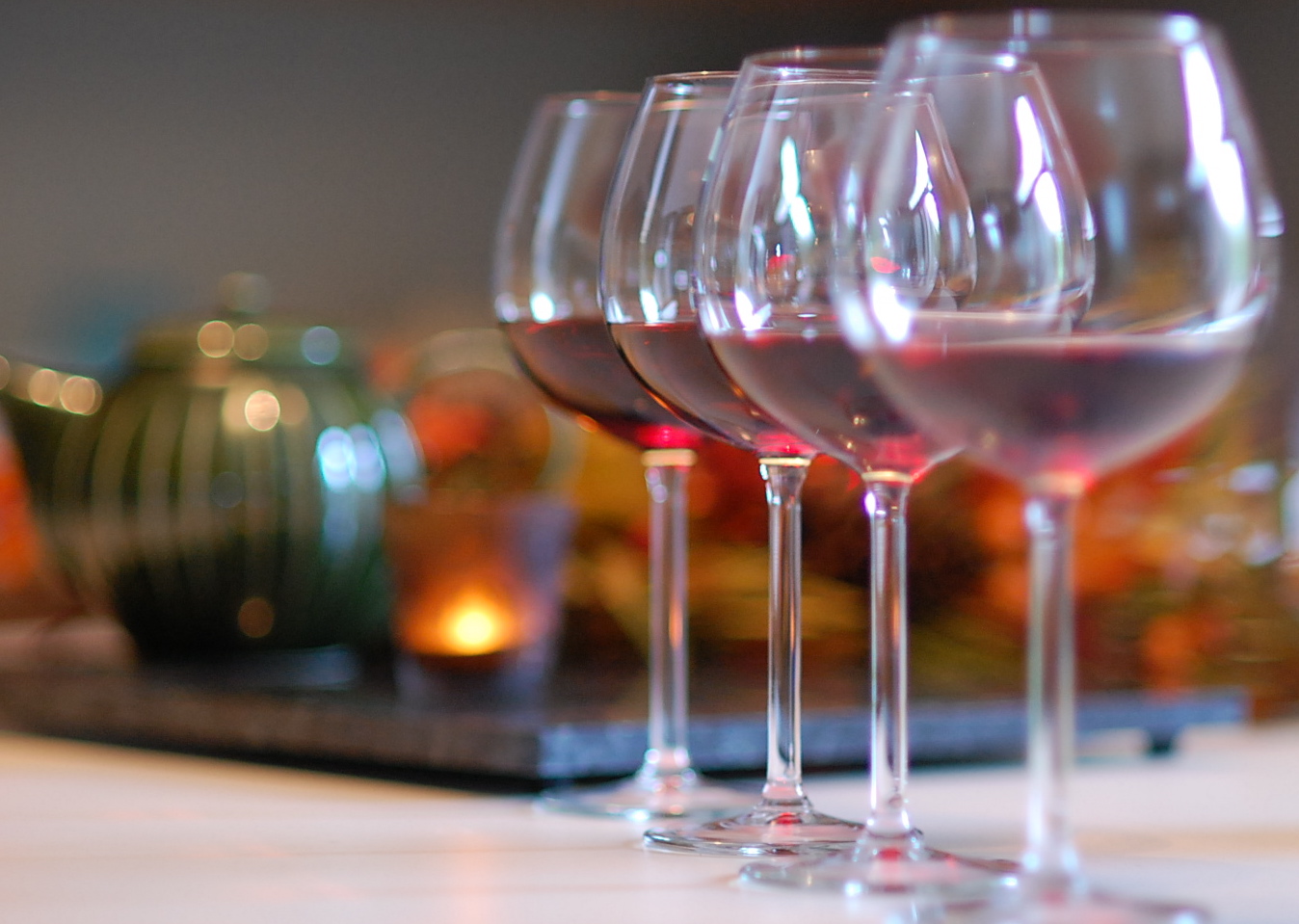
At dinner with friends the other night, the subject of tannic wine came up. “Tantric wine?” I asked, “That sounds like fun!” I thought it meant we’d just take a really, really, really long time to enjoy a bottle of red. I’ve been to tastings, seminars and parties where one will take a sip and proclaim that the wine is very tannic. But what does that even mean?
The term tannin comes from the long time practice of using plant extracts to ‘cure’ leather. In winemaking, tannins are compounds that bind to proteins ~ proteins that exist both in other chemical components of wine as well as the salivary proteins within the mouth. This is a very basic description of a very complex process but you get the idea. This complexity is also what makes studying tannin quite difficult as these bonds break and reform several times before the nectar ever comes close to hitting your belly.
You can liken wine tannin to steeping tea ~ look at 4 cups of tea in various stages of brew. The first one is after a few moments, the next after 3 minutes, next after 5 and after 8-10. You’ll notice significant differences in how the tea looks (light to tar-like) and tastes (weak to very strong). A wine high in tannin will look darker and taste stronger.
There are two classes of tannins: one coming from the oak barrels the wine is aged in and grape-derived.
Green and Mean ~
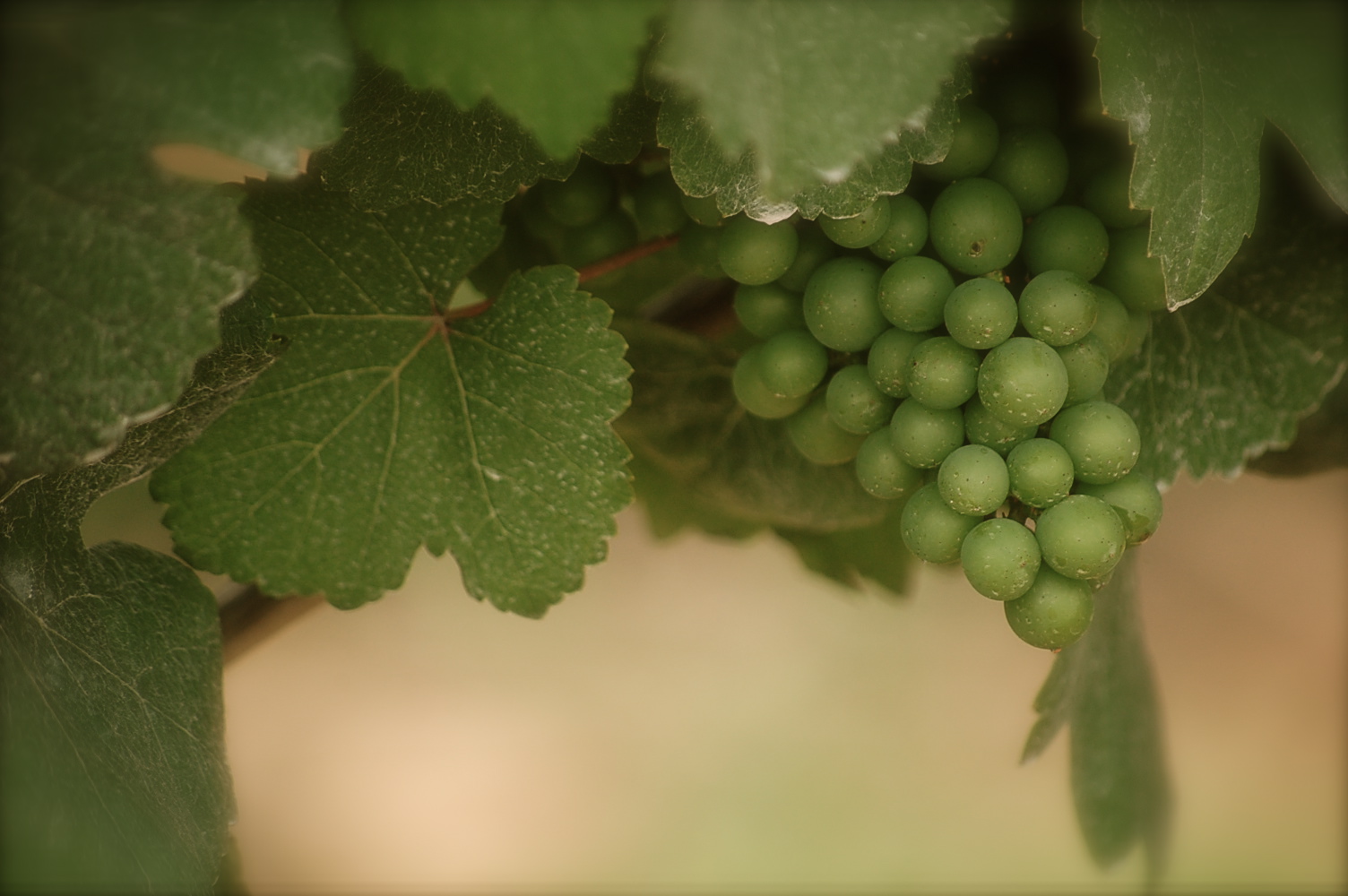 In nature, tannins serve as a kind of defense for the plant. It gives plants an unpleasant taste, discouraging animals from consuming them, allowing them to grow to maturity. Grapes begin tiny and green in order to match the new stems and are extremely bitter ~ it also keeps the birds from dining too soon. These berries are where the developing seeds are housed, undisturbed until they go to college, hit a few keg parties and then graduate to become adult grapes. When birds consume the mature grapes, they eventually deposit the digested seeds and re-propagation of grapes begins anew. Unless of course the deposits end up on your car. Since the seeds also contribute a great deal of tannin to red wine, they can have a very nasty effect if they are unripe.
Bitter is the New…Bitter ~
Here we can pull out our trusty mouthfeel wheel. Tannins contribute to both astringency and bitterness; with bitterness being sensed by taste bud receptors located on the very back of the tongue and soft palate.
Rather than being able to smell tannins, it’s more of how it feels on your tongue. Astringency is the feeling because the tannins bind with proteins in saliva, thereby increasing the friction between the mouth surfaces leading to a sensation of dryness or roughness. On the wheel, you might see words like furry, cottony or wooly ~ that’s what astringent ‘feels’ like.
Style meets Substance ~
Light ~ lighter in color and on the palate , thin consistency. Good examples: Gamay, Beaujolais Nouveau
Medium ~ a little more tannin, is richer on the palate and is not as beefy. Good examples: Merlot, Pinot Noir, Shiraz
Full ~ has the highest tannin content, more pucker on the palate, creamy consistency with usually a higher alcohol content. Good example: Cabernet Sauvignon
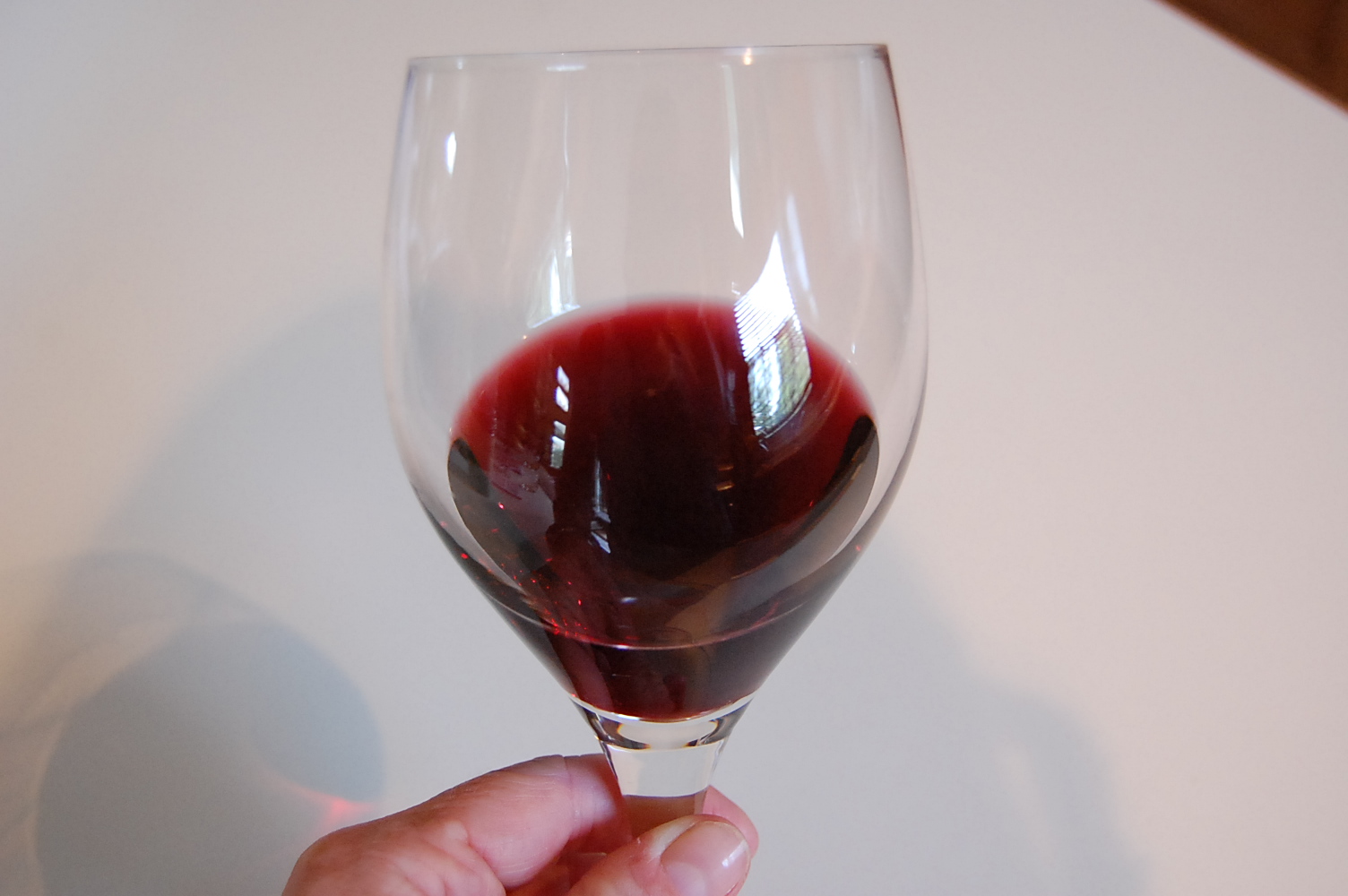
With high tannic wines, what you see will generally be what you get. You’ll find wines rich in color; deep ruby or claret, purple and maroon.
For many who enjoy wine, tannin really isn’t an issue unless it adversely affects the taste. Choosing wines that have high or low tannin depends entirely on your preference. Just make sure you take a really, really long time to enjoy them.
Cheers!



 The Wine Student