Dry January🏜️

Every December 31st, many of us resolve to change a few things for the new year. Maybe we’re getting back on the treadmill; maybe it’s the promise to cut back on those indulgences we allowed ourselves over the holidays.

For many, we go cold turkey – cutting out alcohol in all its forms = Dry January. But every so often we reach for a bottle without thinking. It’s automatic. Maybe it’s a part of a nice dinner or celebrating the end of a day.

One of the things I love about wine is its sensual nature. I like the feel of the glass in my hands, the scents on the nose, the complexity of flavors as they caress the palate. The buzz isn’t always the attraction (tho it can be fun).

The challenge with many dealcoholized wines is experiencing the same essences, flavors and mouthfeel of wine with alcohol. It usually just tastes like grape juice. Which is fine but…it just doesn’t have the same vibe. And pairing with food can be even more tricky.

Alcohol is often what gives wine its body and texture, creating that nice bounciness (or solid gravitas) on the tongue.

Dealcoholized wines contain the exact grape varietals as its boozy counterpart. The difference in the processes used to remove the alcohol. This wine is created using the cold-filtration method.

Health Benefits of Dealcoholized Wine:

*Contains resveratrol, the component in red wine that has anti-oxidant properties

*Decreases stroke – promotes HDL (the good cholesterol) and decreases LDL (bad cholesterol)

*Anti-aging

*Anti-inflammatory – protecting cells, especially in the heart and brain from damage

*Less sugar and calories than wine with alcohol

All good things.

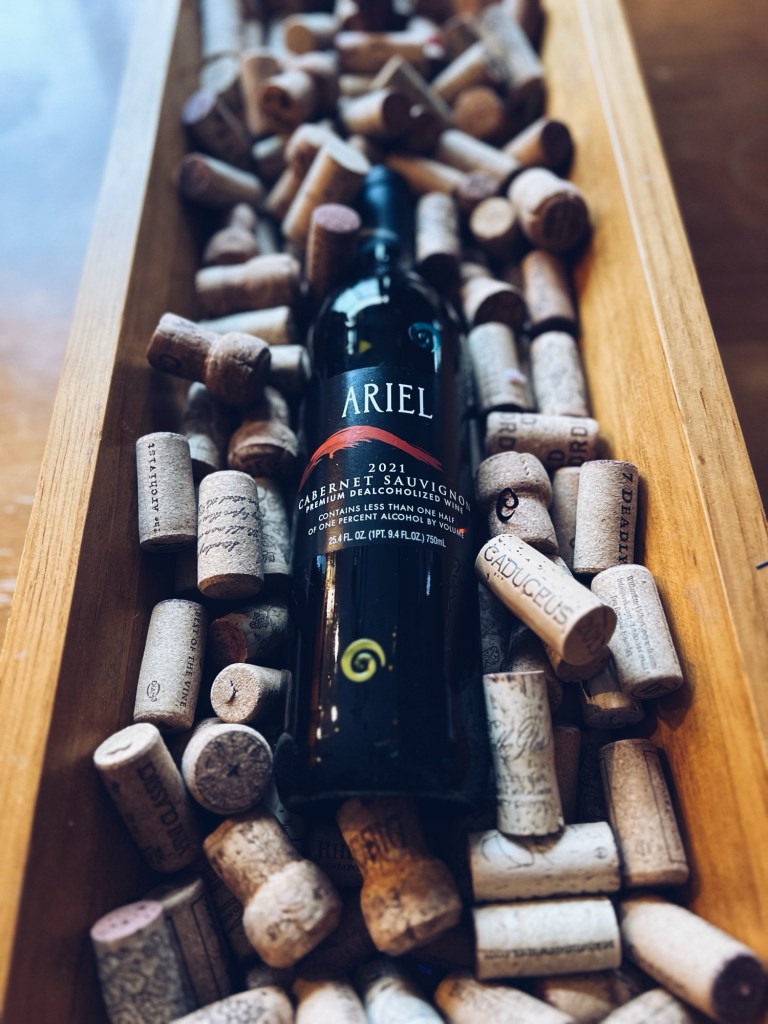
This year, I found a 2021 Ariel Dealcoholized Cabernet Sauvignon. $12.99

It had a lighter mouthfeel, bright essence of cherry with underlying earthiness that lingered for a bit on the finish. It’s refreshing little vibe is fun with a sweetness that’s not cloying. In the glass it has the clarity and deep ruby color of a Cab. HubbyDoug was fooled! He thought I’d already blown off my dry January pledge! Lol Such little faith.

Most dealcoholized winemakers make it pretty clear that their wine will taste different than what wine drinkers are typically used to. And that’s true. But for the pure enjoyment of a beverage with all the benefits of red wine ( and none of the side effects) it’s a nice change.

So raise a glass to Dry January to all those who participate!

Cheers!🍷

Copyright. The Wine Student. 2024

Dry Spell

The last of the holiday treats are gone, and you feel like you need to take a little break. You’ve decided to embrace Dry January. Good for you! In your quest, maybe you’ve noticed a few alcohol-removed, dealcoholized or non-alcohol wines on the shelves of your local store.

Although the tipsy factor might not be there, alcohol-removed red wines, like their boozy cousins, contain resveratrol, a powerful anti-oxidant contained in the skins of red wine grapes.

Here are some other health benefits of drinking dealcoholized red wine:

• Decreased risk of cardiovascular disease

• Decreased risk of cancer, inflammation, diabetes

• Decreased blood pressure

• Less calories than regular wine

• Decreased passing out while binge-watching your favorite show and missing the best part

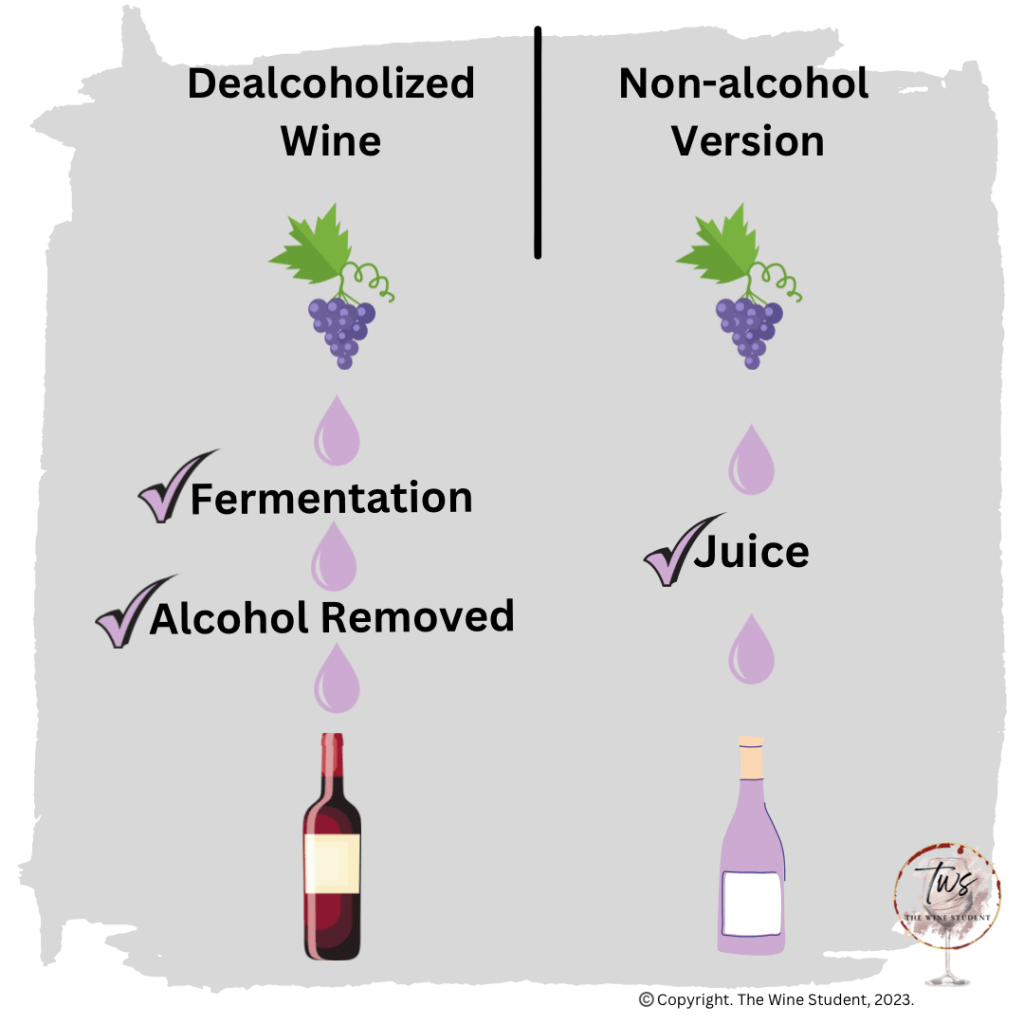
What’s the difference between dealcoholized and the non-alcohol version? Dealcoholized wine has gone through the traditional processes of winemaking: fermentation – which ensures skin contact, and turns grape juice into wine. The alcohol is then removed before bottling. Non-alcohol vino goes straight from juice to the bottle with no fermentation.

Still, it can be a little confusing when you’re searching for these wines. So check the label.

On the front, look for the term ‘alcohol-removed wine’. The back will have a nutrition facts label, and the terms ‘contains less than 0.5% alcohol by volume’ and ‘dealcoholized wine’. Some non-alcohol offerings simply state “wine alternative” which means it is juice that hasn’t been fermented.

So how do you take alcohol out of wine?

Here are three methods:

Spinning Cone Technology:

Freshly fermented wine, made in the traditional way, is poured into the top of a spinning cone column. Rotating cones transform the wine by centrifugal force, and turn it into a thin filmy liquid. Nitrogen gas is then fed into the bottom part of the column to extract flavors and aromas of the wine, and to prevent the wine from oxidation. The remaining liquid is passed through the column again to remove the alcohol. Flavor and aroma essences are then recombined with the dealcoholized wine, and blended with unfermented varietal grape juice to replace any lost volume. This creates a wine with less than 0.5% alcohol by volume. The entire process is done repeatedly and at low temperatures.

Vacuum Distillation:

Similar to spinning cone, traditional winemaking occurs before the alcohol is removed by extracting off the alcohol at a low temperature in a vacuum, keeping the wine’s flavors and aromas intact. Once the alcohol is removed, the essences and flavors are mixed back in.

Reverse Osmosis:

We’ve heard about this for water purification; in winemaking the process is the same. Wine passes through a very fine filter that water and ethanol pass through. The ingredients of wine, such as tannins, and other elements responsible for color, flavor and aroma are left behind.

According to liquor.com, here are some of the more popular alcohol-removed wines:

Best Red:

Ariel Cabernet Sauvignon – $32.45

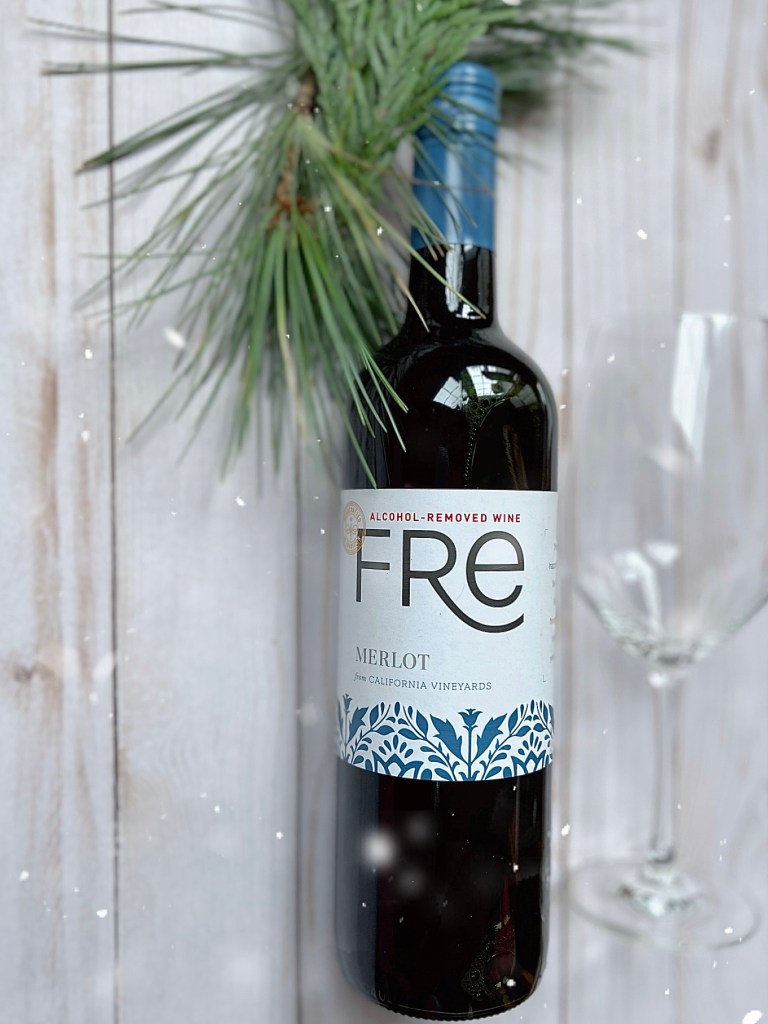
Fre Merlot – $9.99

Best White:

Giesen Marlborough Sauvignon Blanc 0% Alcohol – $16.99

Luminara Alcohol-Removed Chardonnay – $16.99

Best RosĂŠ:

St. Regis Nonalcoholic Shiraz RosĂŠ – $17.99

Best Brunch Bubbly:

Freixenet Sparkling Alcohol-Removed Wine – $9.99

I tried the Fre Merlot. The consistency is thinner than its traditional counterpart. It tastes sweet, like a natural varietal grape juice. It had a nice, bright mouthfeel, and a beautiful claret color. And the looks you get when you pour a glass at 10:00 am are pretty comical. 😆

If you want to enjoy a dry new year, but still want enjoy the health benefits of red wine, take a closer look at some of these wine options. And let me know what you think in the comments!

Cheers!🍷

©️Copyright. The Wine Student, 2023.