Happy Friday! 


Lately, I’ve been thinking of things for which I’m grateful. I’m thankful for a healthy family. I’m thankful for great friends ~ near and far ~ who will happily explore the Cleve (and a nice vintage or two) with me.

I hope that you all have a great Friday, and that you find at least one wine that helps make your weekend something special.

Cheers!

©TheWineStudent, 2015

Apt Pupil

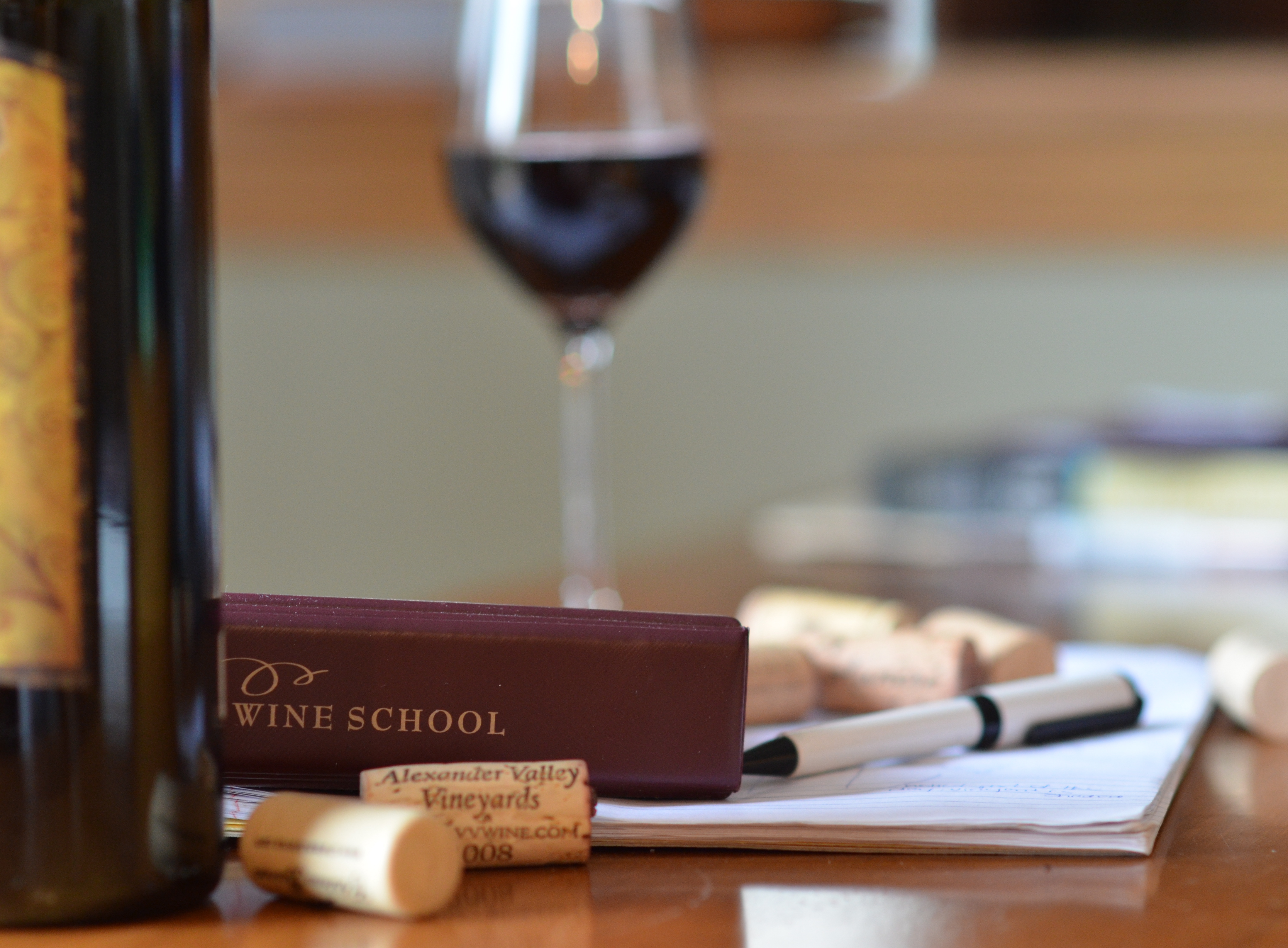
I’m so excited! I just registered for the WSET level 1 Foundation Certificate course at the American Wine School here in Cleveland! For three Mondays starting in April, I’ll learn about varietals, factors affecting the style of wine, food and wine pairing and proper wine service. I’ve been wanting to take this course for a long time , and it’ll be great to immerse myself in a methodical look at the world of wine.

This winter has made my brain feel a little like Swiss cheese, so I can’t wait to have a new challenge. And when the main topic is wine, who says learning can’t be fun?

Cheers!

©TheWineStudent, 2013

Higher Elevation: Burger, Frites and an Interesting Glass of Riesling

2011 Vineland Estates Elevation Riesling

2011 Vineland Estates Elevation Riesling

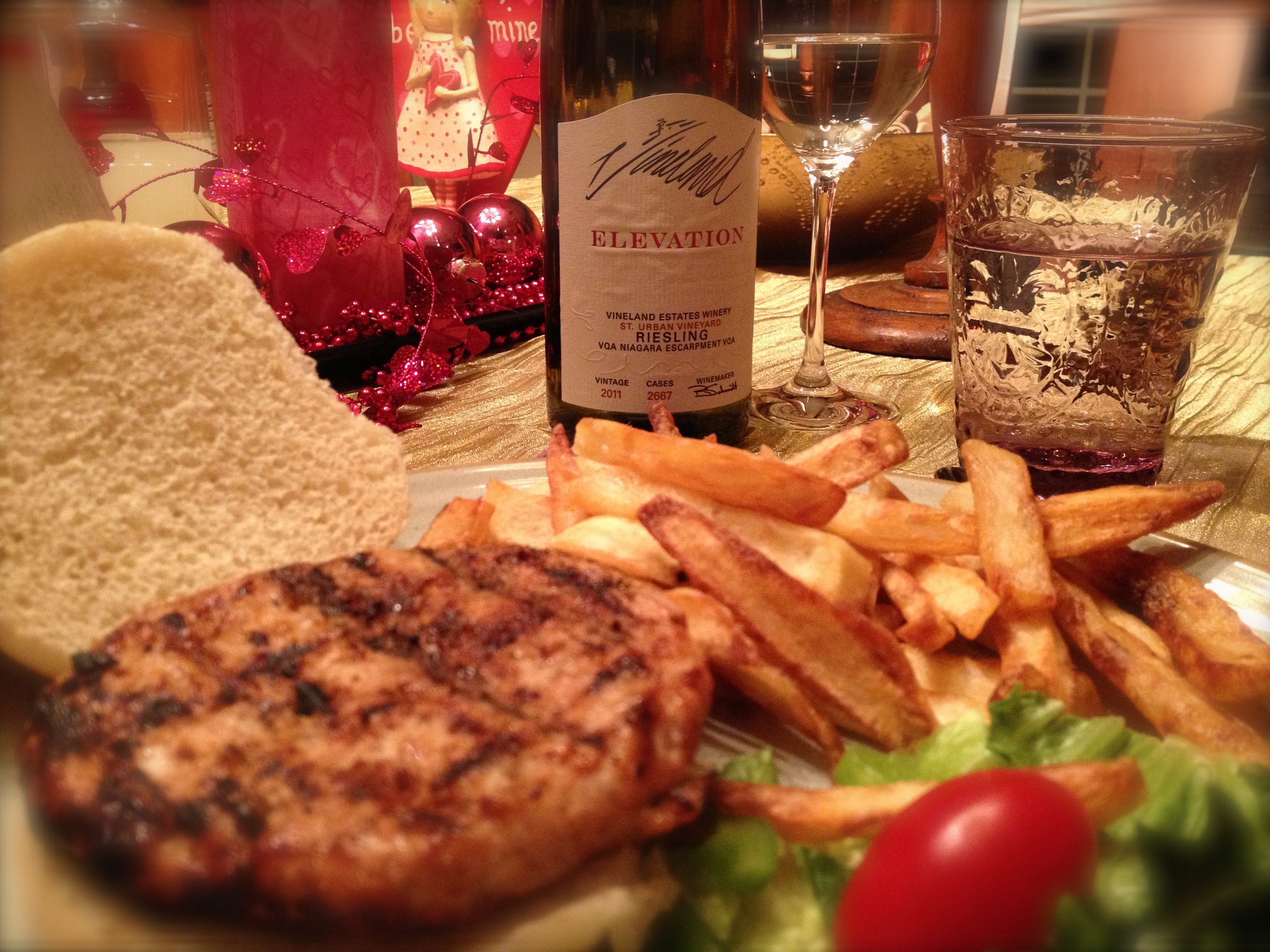
Snow piled up over much of the country this weekend, except in the Cleve. Cleveland, which tends to get many of Old Man Winter’s biggest dumps, was relatively sunny and clear. It was as perfect for barbecue cooking as you can get in February. And while we didn’t jump into our shorts and T-shirts, being outside wasn’t too bad. On the menu: Spiced chicken burgers, home made pommes frites ~ which sounds way cooler than French fries: fresh greens and a 2011 Vineland Estates Elevation Riesling. I rarely drink white wine during the winter; favoring reds for their robust qualities and ability to help keep me warm. But since the temperature rose a bit, I wanted to enjoy some lighter fare with my pseudo-summery dinner.

I’ve enjoyed Vineland Estate wines before so I was looking forward to pairing this one with the dinner. Looking in my collection, I discovered it was one of the last remaining guests from the past summer. I gave it the 15 minute rule and made sure to aerate as I poured it into my glass. It was very clear with a color of light straw. In the above picture, it looks almost like water, doesn’t it? This was deceiving. Based on the color, I thought it was going to be almost too thin but it packed a sweet and refreshing mix of lemons with a crisp green apple finish. The mouthfeel was grippy and dry and it had a sharp, oak-y grape vibe on the nose. At first, I thought it wouldn’t really pair well, but it surprised me by providing a nice balance to the spiced chicken and off-set the earthy quality of the potatoes.

The forecast in the Cleve for the rest of the week is changeable. But for this past weekend at least, I began to think that spring might actually be on the horizon. For those who spent their weekend digging out from the blizzard, I wish you well, and I feel your pain. I tackle snow the old school way; with a shovel…and a prayer.

I hope that there was a favorite drink as a reward for all your hard work ~ you earned it.

Cheers!

©TheWineStudent, 2013

Easy, eh?

wine in my garden

wine in my garden

After an extremely busy few weeks, I wanted to take a few moments to sit back, relax and enjoy.  I’d travelled back to my home and native land of Canada to visit family and have been helping my daughter as she finishes out the waning weeks of school. What that really means is I’ve been chauffeuring her all over the greater Cleveland area with more urgency than usual.

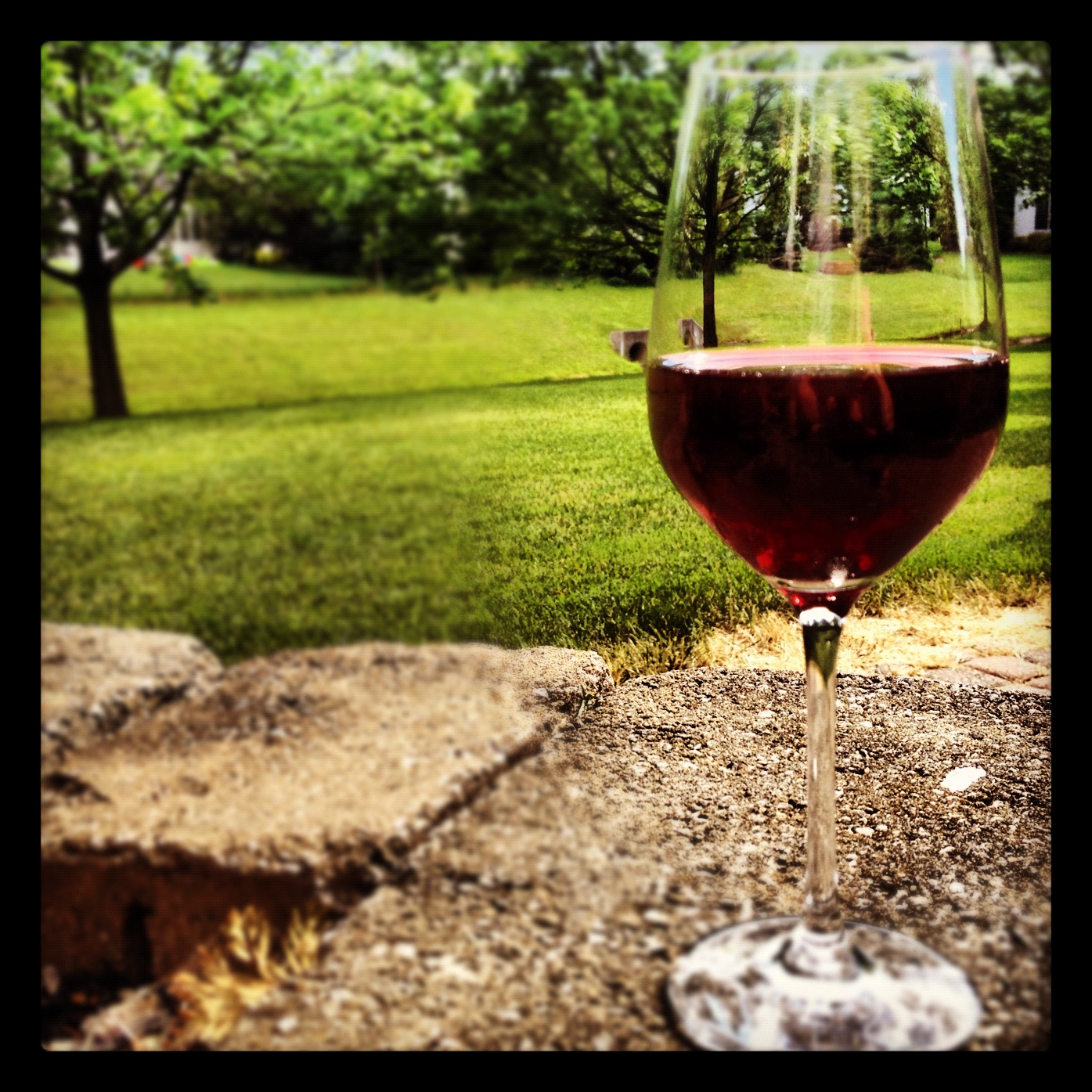
Today, I stole away to my garden; no book, no iPod, no phone. It was just me and the trees…and a glass of wine. I chose  a ’10 Matthew Fritz Pinot Noir which provided just the right amount of warmth on a cool-ish day. The big, bold cherry essence  was foremost on my palate and after a few sips, it transitioned nicely to a finish of sweet molasses. It wasn’t an overly complex wine but nicely straightforward; what you tasted at the start was generally what you’d have at the end. Sometimes, the less complex things are, the better.

This break provided some valuable time to collect my thoughts and get myself ready for some bigger changes on the horizon. Where those changes will take me, I’m not sure. What I do know is that my garden, and a good supply of wine, will always help me regroup, recharge and renew.

Cheers!

Wine Tasting 101

Much of what I’ve learned about wine tasting (real wine tasting; not quickly sucking back a wine skin before a high school dance) I’ve garnered from trips over the years to wineries. The American Wine School here in Cleveland has some great classes to demonstrate how to quaff like a pro.  And once you have the basics, you can impress your friends at dinner with your learned snuffing and swishing. I don’t recommend spitting at dinner ~ it generally horrifies the others.

You’ll want to use a glass that gives you the ability to: swirl it without spilling, and get your nose into fully so you can inhale the aroma. In the coming weeks, I’ll write more about glassware and how it can enhance the wine drinking experience.

Unless you’re going to decant your wine for a few hours, or pour it through a wine aerator, you can: swirl it (on a table or countertop) to move a little oxygen through. This works to breathe new life, if you will, into a wine that’s been stopped up in a bottle for a while and improve the flavor you experience.

Love at First Sight

Once you’ve got your wine in the glass, and you’ve swirled it a few times, you’ll want to look for a few things:

  • Clarity: how clear is the wine?  Is there any sediment floating around or settling to the bottom
    • can be described as: muddy, cloudy, bright.
  • Intensity: is the color pale or dark?
  • Color: this indicates the tone or tint of the wine. you could use words like: ruby, purple, crimson, green, yellow, straw, amber

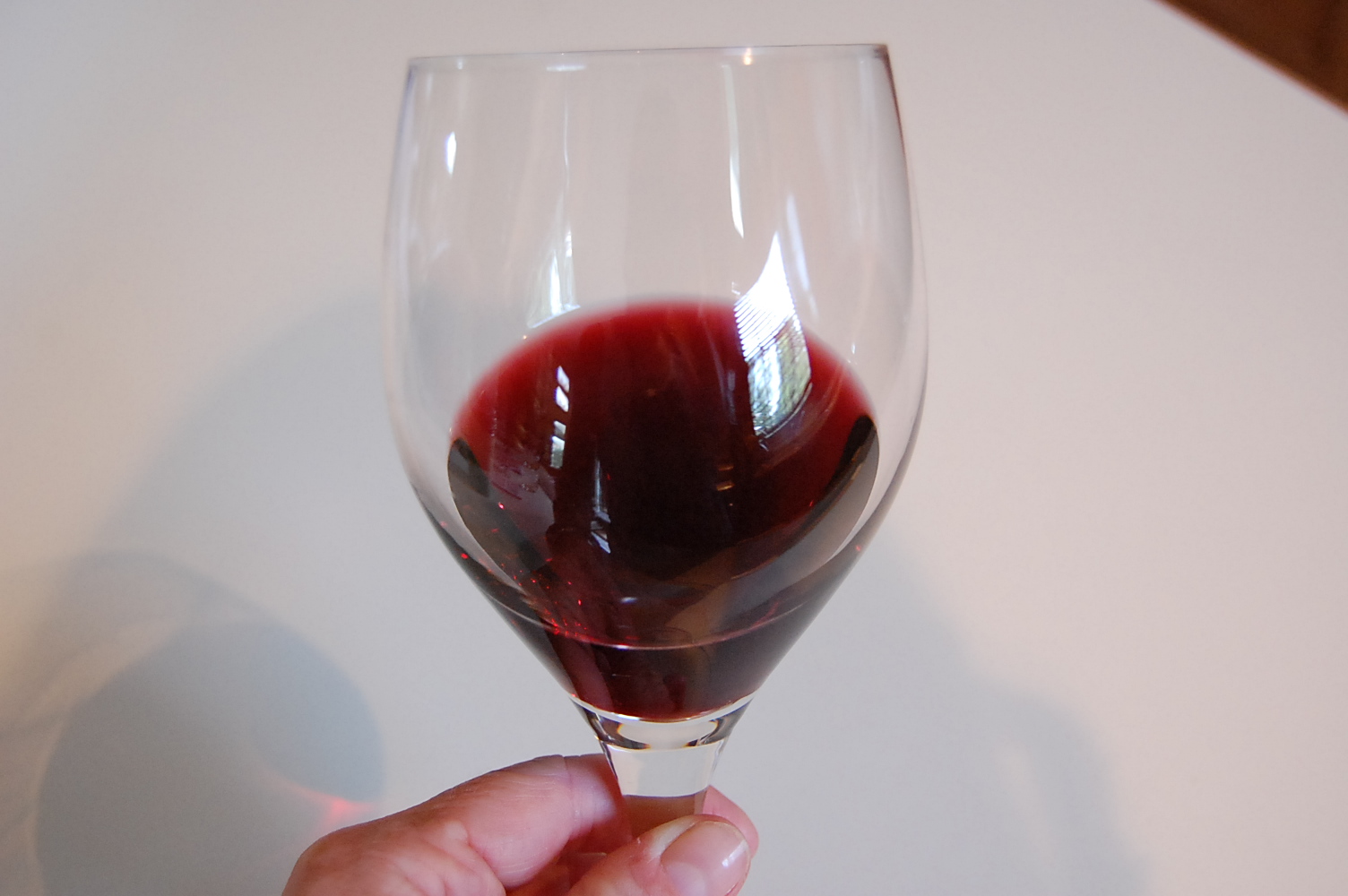
A good way to really see how it looks is to hold your glass at a slight angle over a white surface. You can use a white table cloth or a light countertop.The white surface helps to illuminate the wine and you can see more detail.

After swirling, tilt your glass and take a look. You’ll be surprised at what you can see.
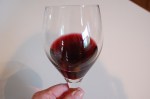
White surface...for better clarity

White surface... for better clarity

On the Nose

Smelling, or nosing, determines several things about a wine:

  • condition (good or bad)
  • intensity (weak or robust and pronounced)
  • character (how you’d actually describe the fruit itself)
  • How to ‘Nose’ a Wine: I know, it sounds all kinds of wrong but it isn’t. Take one short sniff (to determine condition) and ask yourself: is it good or bad? Short sniffs are actually important because air that moves quickly into the nasal passages intensifies the sense of smell.
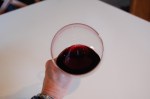
Hello Wine!

Hello Wine!

After this, you can take several more deep, gentle sniffs to determine the aroma’s intensity and character. When you swirl and sniff, see how many ways you can describe the aromas. And don’t worry if you’re just starting out, you will be able to tell if a wine just doesn’t smell good to you. Really.

Over the Teeth and Past the Gums: Taste the Wine

Many experts have said that the best way to taste wine is to take a bit in your mouth, swish it back and forth while opening your mouth just slightly as you do it. This is to bring air into the wine to further oxygenate and bring out the flavors. That may be true, but I just end up with it dribbling down my chin. You can try it but  make sure you have a napkin nearby, just in case.

According to the American Wine School, tasting involves seven components:

  • Sweetness ~ how dry or sweet is it? Whether a wine is ‘dry’ means that there is very little left over sugar
  • Acidity ~ this is the sour yin to the sweet yang; described as fresh, crisp, tart, flat.
  • Tannins ~ provide the robust texture and structure (like espresso); hard, soft, bitter, chewy, round.
  • Alcohol ~ is what carries the aroma and heat (and all this time I thought it was a hot flash); low, medium, high.
  • Body ~ how much weight the wine has on your tongue. It’s like a milky consistency of varying degrees, depending on the type of wine; light, medium, full
  • Fruit ~ the grapey, fruity (and non-fruit) flavors (like smoke, cherry, citrus, butter, stone and vinyl).
    • ** The wine aroma wheel is an excellent tool to help you to describe the fruit tastes you’ll experience. I’ll be looking at that in one of my next posts.
  • Finish ~ is the aftertaste and how long it stays in your mouth; usually described as short, medium, long.

So there you have it; some basics on tasting to get you started.

Cheers!

To read more about  wine tasting:  www.jancisrobinson.com