Tales From the Dockside: Cool Breeze, Warm Zin

Image

After today’s storms blew through Muskoka, a chill in the air descended. In order to take away the residual chill, I knew I would need a glass of wine that was rich, creamy and warm. Past experience taught me that a great Lodi Zinfandel would fit the bill. so HubbyDoug and I went on a quest: to find a Zin in cottage country. On a ‘staff recommended’ display at the local LCBO, we got lucky and found a ’10 Seven Deadly Zins. Perfect! We enjoyed it with our dinner, and afterwards while lazily watching the kites flying over the evening sky. 

It even went well with our fireside S’mores. I’d say of the seven deadly Zins listed on the label, we indulged in a bit of gluttony and sloth. We’ll make sure we clean up our act by tomorrow. 

Cheers!


Summer Chiller

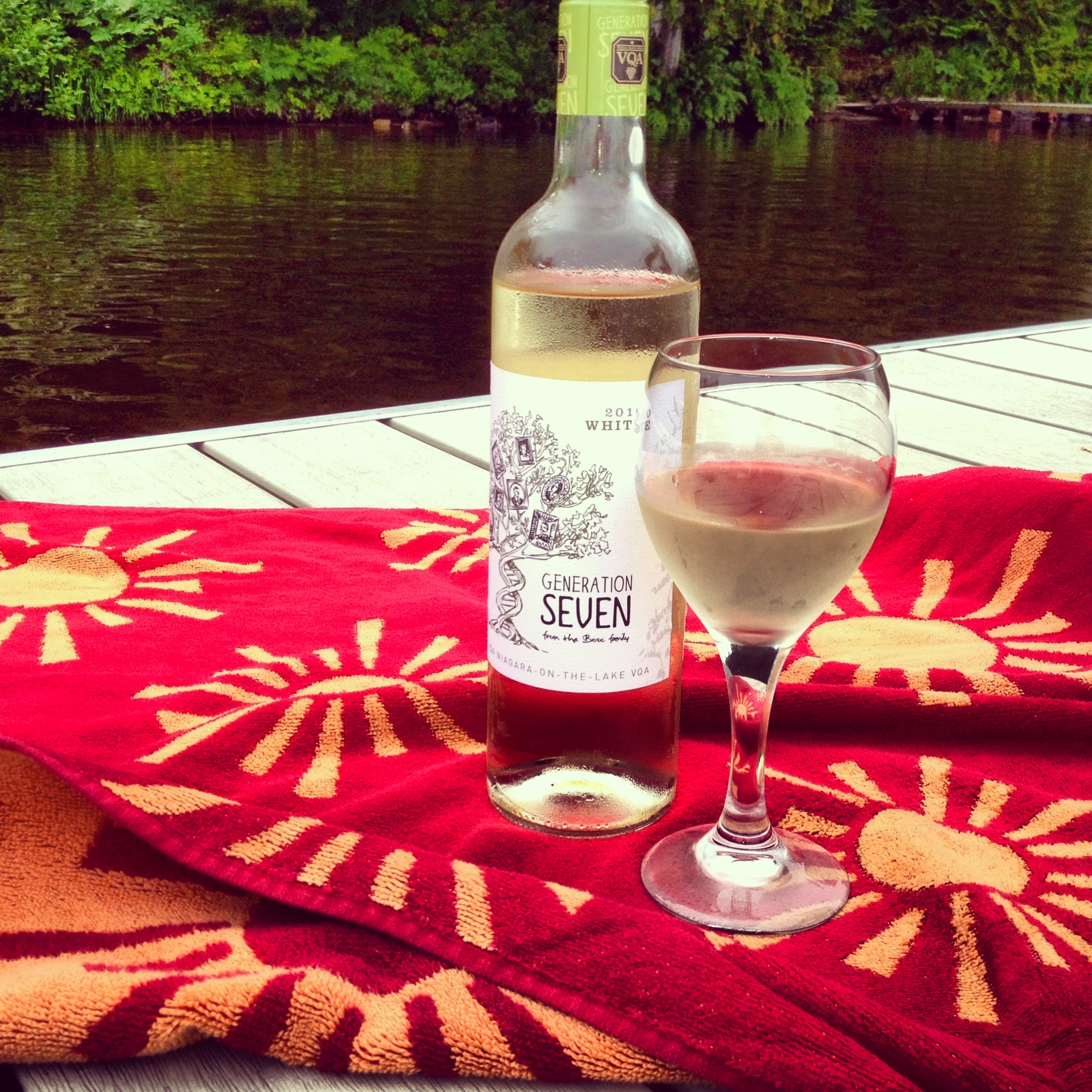
ImageI hit the dock and realized I’d forgotten the most essential thing. I’ve been enjoying some great white wines this summer, especially Sauvignon Blanc from a variety of regions. But I had nothing to enjoy with this sunny day. At the local LCBO, I happened to find a blend that looked promising. The ’10 Generation Seven White – a Niagara mash-up of Riesling, Sauvignon Blanc and Gerwurztraminer spoke to me, in part, because of the grape varieties, the label art and because I thought that since it was a’10, there might be a significant melding of essences that might not be present in a younger vintage. 

I found it to be a nice, chill little wine to enjoy on the dock, watching the world go by. It was lightly herbaceous on the nose and tasted of tart apple with an undercurrent of fresh celery. I didn’t pair it with anything but a good book and the occasional ‘how are ya!’ to a passing boater. 

Cheers!


Cheers!

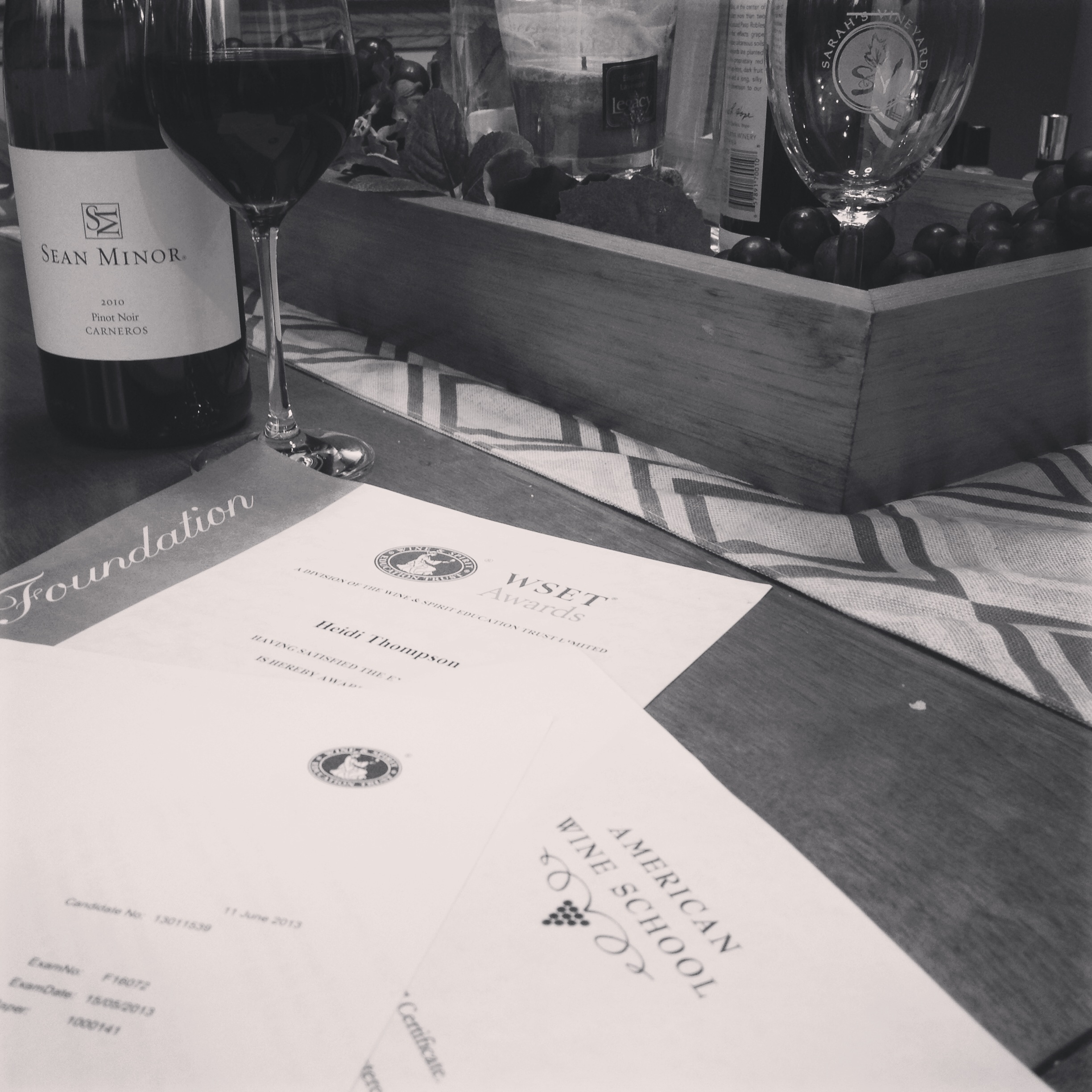
ImageIt came in the big envelope, which almost always means good news. I passed my WSET Foundation exam! Scoring a 97, HubbyDoug wondered aloud, “What happened to the other 3 percent?!” Quite the joker, he is. To celebrate, he decided to play sommelier and chose a ’10 Sean Minor Pinot Noir. Lovely! As we sipped, I thought about how long it had been since I had to commit facts and details to memory; it had been a while. As it turned out, I didn’t need to worry. 

My brain isn’t quite as mushy as I thought.

Cheers!


Summer Solstice, Wine, and Finding a G-Spot?

This slideshow requires JavaScript.

Wait. What? Yeah, I thought the same thing when I saw the list of wine offerings last weekend at the 11th Annual Sarah’s Vineyard Summer Solstice Festival in Cuyahoga Falls. I’d been looking forward to this event for a while because I had wanted try some other local wineries in North East Ohio that I’ve yet to visit. It’s great  because you can sample from many local wineries that aren’t always featured at other wine events in and around the Cleve. We started by sampling Sarah’s Vineyard‘s top three; The Sweet Elisa ~ a Concord and Niagara grape blend; Painted Lady ~ Riesling and Chardonnay and the Miserabile ~ A Tuscan blend of Merlot, Sangiovese and Zin ~ their biggest seller of the festival’s first two nights. The woman next to me described it as ‘powerful’ and it was probably the most interesting and complex of the wines we sampled.

The best wine name had to go to Red Horse Winery’s G-Spot; a Riesling blended with a tart little hint of Granny Smith apple. I’m not one for apple wine but this wasn’t a bad combination; refreshing and crisp, it definitely got everyone’s attention. HubbyDoug’s pick of the day was their Pinot Noir.

I liked Mastropietro‘s  Chambourcin ~ which, served slightly chilled, seemed to have a little more depth of flavor than normally found in a typical blush. It provided a nice, light sip on this smokin’ hot day.

Summer Solstice is a time when we celebrate the promise of wonderful things to come. This festival was a great celebration of some Ohio wineries’ proud offerings of the season.

Cheers!

©TheWineStudent, 2013

The Altruist

At almost every event at my parents home, Dad was the ringmaster. Once he’d greeted you with a big, warm hug, he’d ask what beverage he could serve you. For family dinners, he always had some sort of red wine on hand. He wasn’t a connoisseur by any means. For a wine to make his cut it had to have three things: a fairly recognizable name, it should be red (because it was healthier) and it had to come in a large enough bottle so everyone could have one … or a few glasses. He chose what he thought everyone else would like. Ultimately, his choice really didn’t matter; what mattered was how great a time we had dining, and sipping wine with a spirited conversation.The wine played a small yet pivotal role.

A winemaker once told me that part of what made a wine good is the experience you had while drinking it. The wine should not only taste good but enhance the fun you had with the people around you. My dad didn’t choose wine for its cache, expense or terroir. He chose it because it seemed right. And we always had a great time. So in that sense, he chose well.

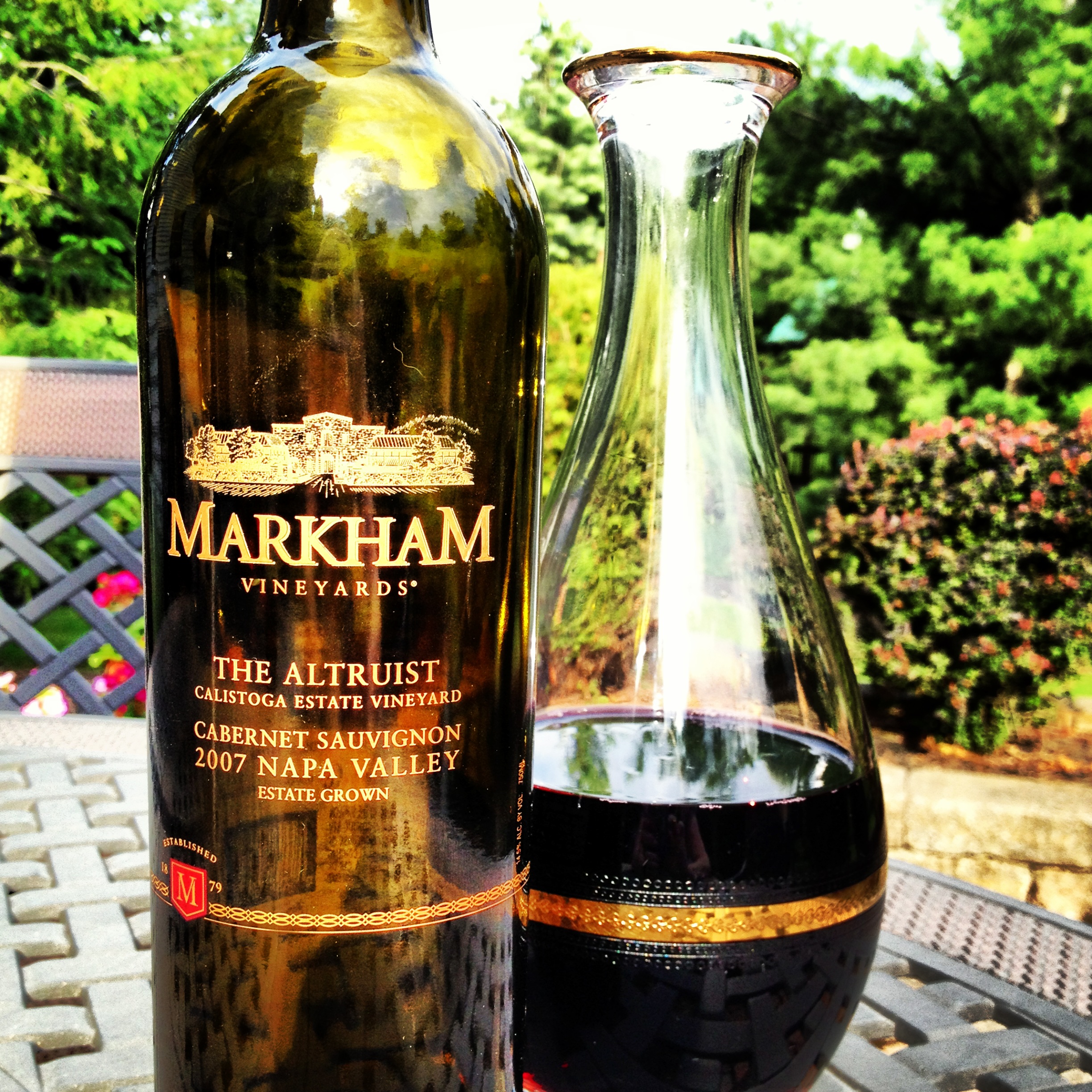
Tonight, to celebrate HubbyDoug, and both our fathers who’ve moved on to the great beyond, we chose a new wine for us ~ an ’07  Markham Vineyards The Altruist Cabernet Sauvignon. I fell in love with the full blackberry on the nose that I didn’t have to work too hard to get. It tasted of rich, black cherry, cassis, and alcohol (that didn’t make me cough). On the finish was a laid back caramel and vanilla. The mouthfeel was very creamy even though it was dry wine.  And it made an amazing transition from our filet mignon with garlic mashed potatoes to strawberry | pineapple shortcake. I didn’t believe a dry, complex red could make that jump. But it did, and beautifully.

Though we lost him only three years ago, this is is the first Father’s Day that doesn’t hurt. And I know he’d be okay with that. Like most fathers, the best ones anyway, he’d want me to move forward, remember the spirit of the good times we had, and to make more, new and wonderful memories.

An altruist is exactly how I’d describe my dad. He did so much for so many throughout his life. This was a fitting wine with which to toast him.

To all Dads today ~ those still present with us, or in spirit, I raise my glass.

Cheers!

©TheWineStudent, 2013

2013 Cleveland Wine Festival

This slideshow requires JavaScript.

The night breeze was almost tropical. And that’s saying something for the Cleve. Every year, I look forward to going to the Cleveland Wine Festival at Voinovich Park, and this year it was spectacular. My friends, HubbyDoug and I arrived early enough to sample responsibly and get a good look at this year’s offerings. The pick of the night for my friends Terri and Shelly: the 2012 Estancia Moscato. Light and refreshing, it delivered a nice complexity with the sweetness, which made it a good sipping wine ~ requiring seconds (and thirds) to get the ‘full view’ of flavors. At least, that’s what they told me.

What I found most interesting this year was seeing a real change in label art. Many of the brands represented moved towards (especially for their entry-level wines) more eye-catching, funky artwork; spectrum of pastel to neon to color-blocked lettering, backgrounds, and lots of movement on the label. Be.Wines had a little test you could take to discover what type of wine suited you. I thought it’d be really interesting to see how the test scores changed as the night went on; someone who started the evening as a steadfast golden retriever (one of the choices) might end up as a jungle cat by closing time. Rowrrr!  They seemed to be reaching their target market; I saw a lot of  Millennial ladies taking the test as the night went on.

Many Ohio wines were well-represented and my choice for the evening was Laurello Vineyards Rodavi, a 50 | 50 blend of Merlot and  Cabernet Franc.I’m not always a fan of Merlot but blended with their Cab Franc, it brought an extra dimension of fruit and tannin that I don’t find with Merlot on its own.  I was also fortunate to sample a little of their 2012 Cabernet Franc, which I found to be a delicate combination of red cherry and a hint of vanilla.

When all the elements come together to make a great evening: good weather, great friends, food and wine, you can’t ask for anything more.

Cheers!

©TheWineStudent, 2013

Water Wait

Photo credit to Alessandro Beltrame/AGB Studio Video, NY Times

Photo credit: Alessandro Beltrame/AGB Studio Video, NY Times

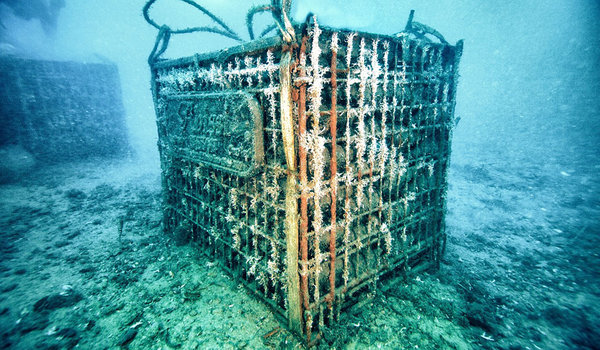
 The natural temps are near-perfect, there are no light effects to compromise the integrity, and the gentle rocking of the current keeps the lees (yeast particles) moving through the wine. And if you’re Charlie the Tuna, you’d have a veritable pirate’s booty for your drinking pleasure. Cellaring wine under the sea is becoming the new frontier. Since 2007, Winemakers from Spain, Italy, Greece and France have been sinking their vintage lots.

 In 2009, Piero Lugano had to find a creative solution to the lack of storage space for 6,500 bottles of his 2008  Bisson Abissi Prosecco. At a depth of about 200 feet, his bottles remained in non-corrosive stainless steel cages for 13 months ~ great care was taken to ensure that nothing about the process was harmful to the environment. What they found was that the wine was beautifully aged. Since the bottles were surrounded by water, obviously no air could penetrate the corks and compromise the wine inside.

 According to Recipeidol.comMira Winery in Napa this past spring underwent a test run of the underwater cellaring process. They took 48 bottles of their 2009 Cabernet Sauvignon and submerged them in the Charleston Harbor in S. Carolina. Registering a temp of 51 degrees, they were left to age for 3 months; and have just broken the surface to be tested. So far, the reviews of the first attempt are quite promising.

Yet it seems a fairly expensive propositon, unless your winery is close to a large body water, and a large body of water that is in no danger of freezing, like Lake Erie. The hit- or-miss nature of winter weather might be why, in Ohio, not much experimentation is yet being done with water cellaring. Still, it could be something worth exploring even with the natural limitations.

 In theory, it sounds like a great way to cellar. But the question remains: Will it be a process that will ultimately increase the price point for the consumer? And does it make the wine that much better that the consumer will  want to continue paying once the barnacles are brushed from the novelty?

In what I’ve read so far, the benefits seem good but still fairly general. There a plentiful tales of wines lost at sea garnering high prices at auction; but is that because it’s been cellared in sea water or because of the rarity of the bottle and the history behind it?  

It’ll be interesting to see where this will go; perhaps water cellaring will become the gold standard. There’s no doubt that as more and more wineries continue to produce great wines, storage space may be at a premium. 

Hmmm, maybe I should get that diver’s certification after all.

Cheers!

©TheWineStudent, 2013


Unknown Pleasures

After a crazy week getting my girl to and from her end-of-school-year activities, I had a bit of time to grab a slice and wind down. And I did the very thing that would make most wine connoisseurs grimace and develop a nervous tic. I drank a wine that had been in my fridge for a few days. I know what you’re thinking, “Ack, what the hell, girl?!”  But like bravely taking the walk of shame, and accepting my culpability, now I have no regrets.

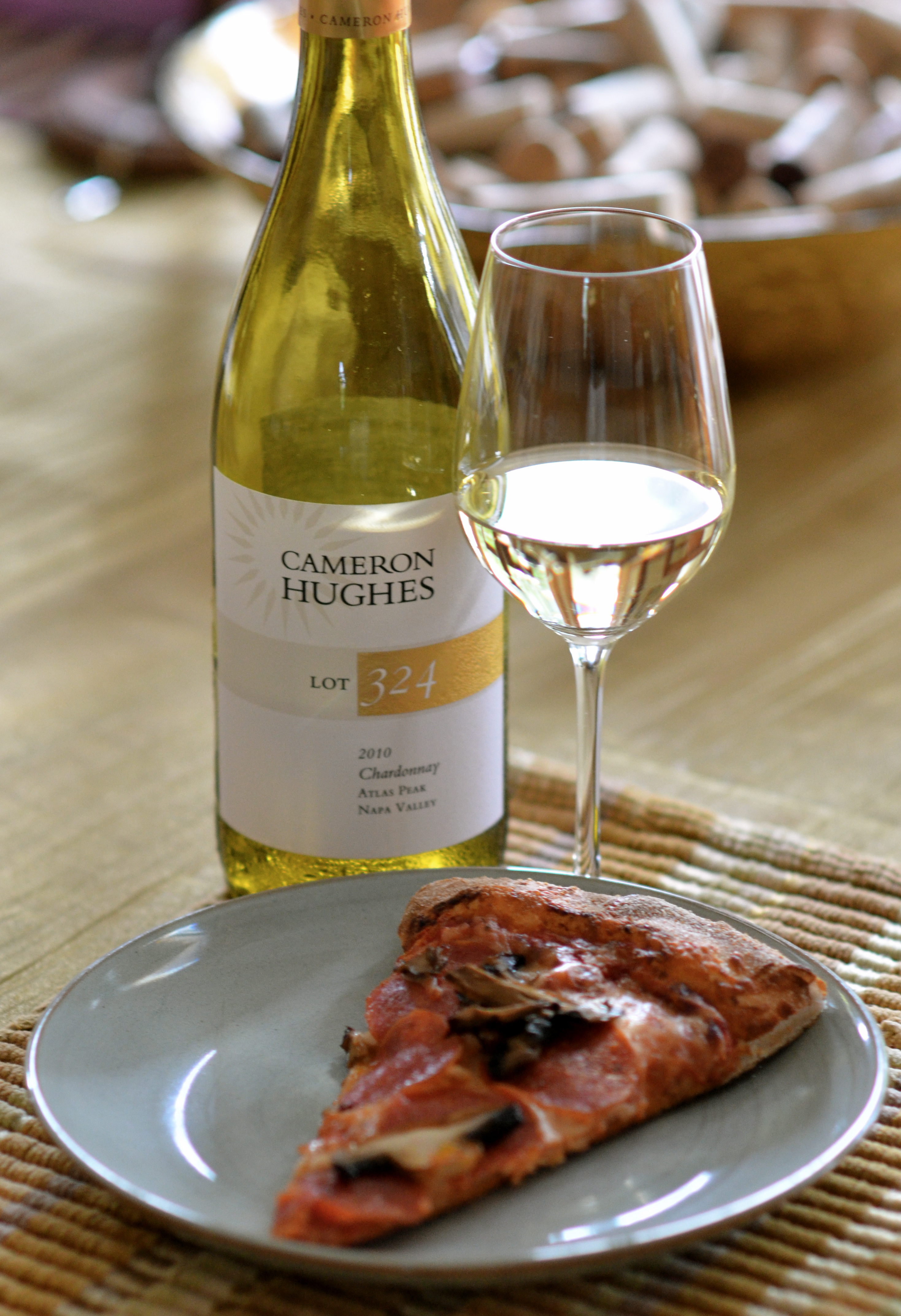
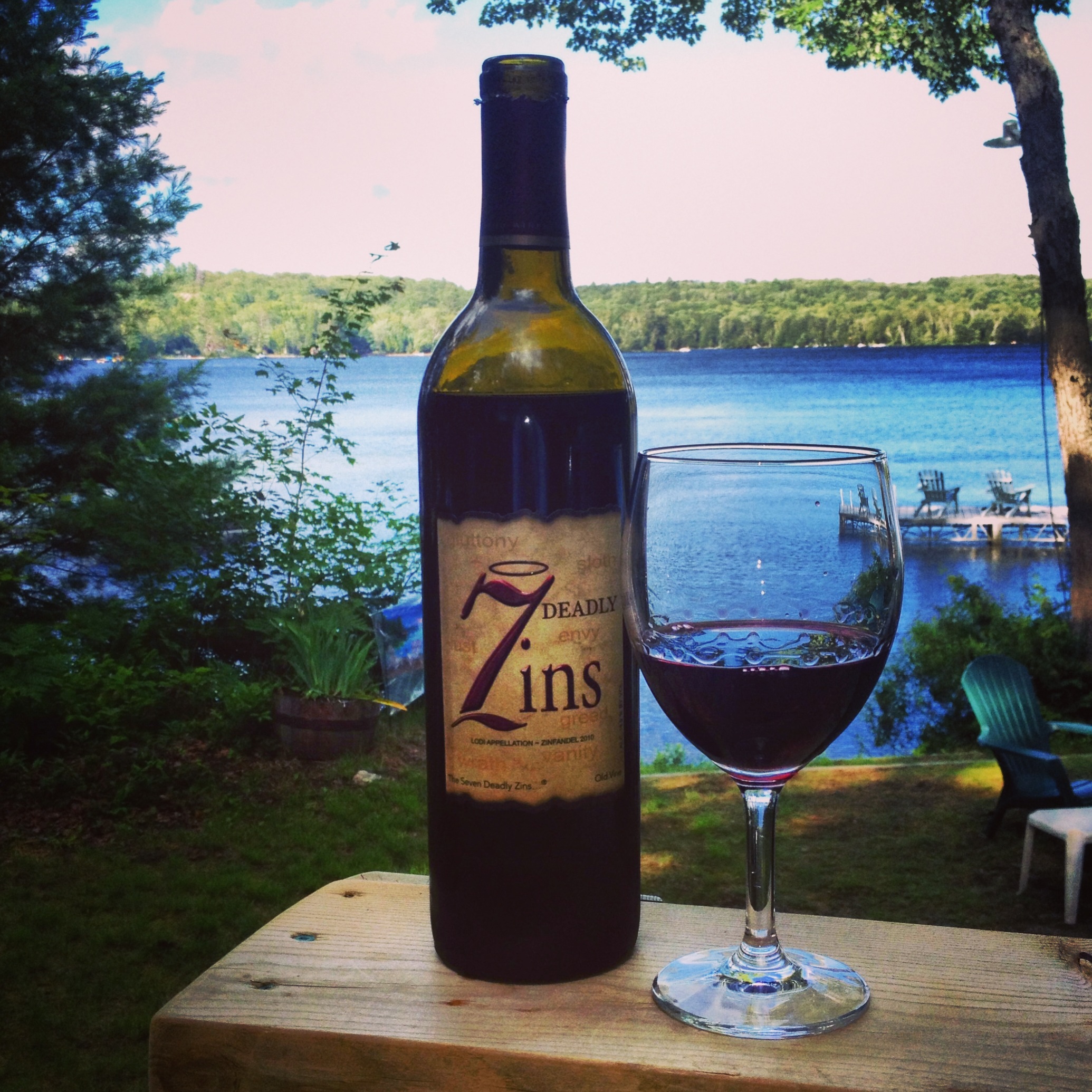
When I pulled the bottle of Cameron Hughes Lot 324 Chardonnay from my fridge, I had my doubts. But it was a warm evening and I wanted something a little refreshing ~ somehow, a red just seemed too heavy. And there it was, just like the kinda-cute guy you didn’t quite notice until closing time. It wasn’t until I paired it with the basic cheese, mushroom and pepperoni pizza that things really started to happen. (Really, pairing pizza with WHITE? Girl, you must be tired.) Read on, brave one… First on the nose was a pleasing pineapple vibe. I wasn’t expecting to detect anything, given how long it had been laying low. As I sipped, while enjoying my pizza, the flavours of almond, toast and flowers were ever present; ending with a rich buttery finish. It totally surprised me that after this length of time, it could still offer such a nice flavour experience. The pizza must’ve been very salty; since that element is a very wine-friendly component that helps to soften hard elements , increase the perception of body in the wine and take down the acidity and bitterness. See, I did learn something from my course!

It wasn’t a wine expert’s ideal situation, at all. I understand completely. But I also understand the pleasure you can get from a little surprise that happens when you least expect it.

Cheers!

©TheWineStudent, 2013

Corked

I’m not one to make a fuss but this was bad. That said, the beautiful thing about wine is that myriad styles can produce different scents and flavours ranging from floral to fruity to earthy and leathery. These are elements that may be pleasing, or not, depending on one’s own personal taste. For instance, I might like my reds to taste a little like mushrooms and wet leaves and molasses; you might enjoy one more jammy with a toasty-chocolatey vibe. And that’s okay. That’s what we love.

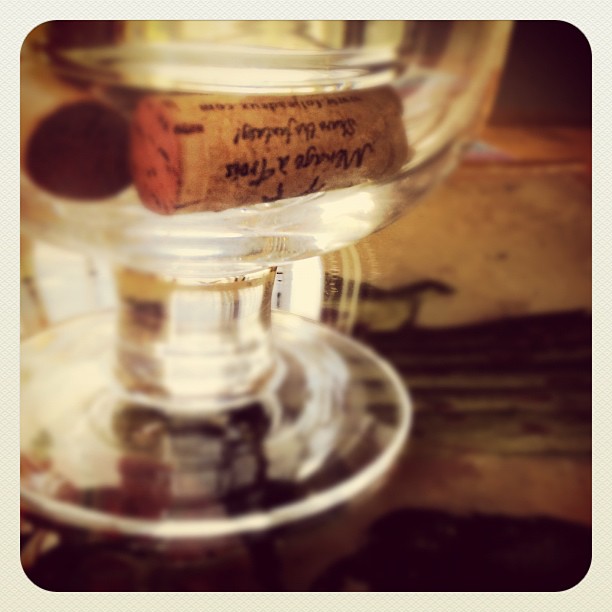
In the WSET course, we learned about what scents can be expected from good wines but also how to determine if there are faults ~ primarily whether a wine is corked. Cork taint in wine happens when naturally occurring fungus in the cork comes into contact with chlorides in bleach and other components used in winery sterilization. This creates the chemical compound TCA  (2,4,6 – trichloranisole) and it can affect not only the bottle but the entire winery. It’s a main reason why most wineries no longer use chlorine based products for sanitation. What does it taste like? Imagine chewing on a piece of wet, moldy cardboard. And while it poses no health threat if you drink corked wine, I can’t imagine why you’d want to. Blech.

So I did something I never do in a restaurant. I sent it back. It took a bit of deliberation because I used to think it was really officious of someone to send back a bottle; I mean who do they think they are?? And I think if you do it politely (as we did), it makes it easier for everyone. When you buy premium wine by the bottle, you should get what you’re paying for. It also helps make the restaurant aware of any problems with the wine they stock.

So the next time you’re dining out and find what’s in your glass is smelling like soggy cardboard, don’t be afraid. Send it back. You’re  paying a lot for that vintage ~ it really should be good to the last drop.

Cheers!

©TheWineStudent, 2013

The C-Word

Baby Berries

Baby Berries

Chardonnay! ~What word did you think I meant? Probably one of the most ubiquitous and popular varieties, Chardonnay is being celebrated today. So in honor of Chardonnay Day, I wanted highlight some of the wonders of this familiar, yet kicky little grape.

One of the seven ‘noble’ varieties, Chardonnay, with it’s higher alcohol and low acidity makes it very easy to drink ~ refreshing with maximum buzz. Its flavours can range from green apple, pear, and citrus (cooler climates) to stone fruits like peach, apricot and nectarine. Cultivated in warmer climates, it tends towards tastes of tropical fruits such as banana, pineapple, mango and kiwi. An oaked Chard may reveal essences of vanilla or coconut if lightly oaked. Heavier oak gives flavours of toast, smoke, and yeast. Malolactic processes bring out the attributes of butter, cream and hazelnut. Mmmhmmm, that’s a lot of taste sensations to pack into one medium sized glass. Maybe we should have two. When paired with the playful and talented Pinot Noir grape, it’s the basis for Champagne.

According to Jancis Robinson, Chardonnay can be aged from between 2-6 years. Chards with that buttery, malolactic vibe have a shorter life span, so it’s best to consume quickly, about a year or so after the vintage date. The ideal serving temperature is lightly chilled; 10-13C (50-55F).

It’s a tough little berry but because of its early bud break, it runs the risk of frost damage in the cooler regions of  Canada, New York and Ohio. So tender loving care must be used in nurturing this noble grape.

Although not generally a Chard drinker, I didn’t want the day to pass by without paying a little homage .After reading about the interesting tastes headed my way, I may have been a bit hasty in my bias. A little attitude adjustment can be a good thing. I found a ’10 Cameron Hughes Chard from Napa tucked away in my cellar.  It boasts ‘riveting aromatics and unctuous textures of orange blossom, lemon curd, toasted almond and honeysuckle.”  It’s the wine that drinks like a meal! But I’m really looking forward to what I experience  in my glass.'10 Cameron Hughes Chardonnay

Happy Chardonnay Day!

Cheers!

©TheWineStudent, 2013