Breaking Bud

For the most part, this past winter was not one of discontent. Unless, perhaps if you’re a winemaker. It’s a balancing act when it comes to managing freeze-thaw cycles in a vineyard. Most vines are resilient enough to withstand the below freezing temperatures for a time only to rise and bloom when it’s safe to wake up. This winter and spring were a little different, though.

While bud break  in March is not unheard of, it usually it begins when the danger of frost has safely passed. Winter bud damage can occur at temperatures below -25 C; vine damage can occur between -28 and -30C. The level of damage also depends on the grape: Vidal and Cab Franc being heartier varietals can withstand extremes, but the more delicate Pinot Noir, and Gerwurtztraminer suffer the most when they are exposed to temps of below -10C.

But like anything in nature, adaptability is everything. According to an article in the University of Maryland Extension, buds acclimate in two ways:

  • Dehydration ~ where water contained inside the bud and vine move into intercellular spaces. Shrinkage, if you will.
  • Cryoprotection ~ sugar and protein complexes that bind water work as cryoprotectants which lower the freezing point of water allowing contents of the cell to ‘supercool’ without the generation of dangerous ice crystals.

The difficulty facing winemakers here in the Ohio River Valley is that spring came on early and strong with record mild temps, potentially causing grape buds to emerge earlier than usual. Bud break occurs approximately around late April through mid May. While early bud break allows for the potential of a longer growing season and riper fruit, it also increases the vulnerability to a late spring frost. If shoots are lost, the crop size decreases, yet the quality of the resulting wine can increase.

Matt Meineke, owner and vineyard manager of M Cellars in Geneva, Ohio says [via e-mail] , “with the mild winter early bud break was a concern but we do feel things should be in the clear at this point. Many growers use fans and we actually use a potassium/ calcium spray, and a little luck, to get by on our estate vineyards. On the vineyards we manage we use fans and of course luck!”

Temperatures in North East Ohio for March ranged from 28F on March 2 to a crazy high of 75F on March 8, with variations on that theme throughout the month, ending with a high on the 31st of 70F. It’s no wonder the buds were confused — I was. As temperatures began to decrease again, the frost, snow and ice could likely encroach upon the tender new vines, and damage could then take hold. Just how much damage remains to be seen. As Meineke explains, “ any extreme temperature fluctuation will cause the plants to deactivate from winter hardiness which is always a concern regardless of the variety. Some varieties are more tender, especially the vinifera wine grapes we grow such as Pinot Noir, Chardonnay, Cabernet Sauvignon, Riesling, etc.”

So what happens if frost bites the young vines? Having a plan B is essential to a successful season. According to Meineke, “if we have an early frost that causes damage, we would be using our secondary buds for production. This would cause production to be down and typically ripening may be delayed as well. That said, we would probably not be in a good position to make premium red wines, we should be considering premium rose wines as that is what nature has told us to do.”

As for any changes the consumer might see in terms of pricing, Meineke explains, “as far as pricing goes I don’t think we have a lot of room for an increase to the end consumer. We find local wines hard enough to sell on the open market and this would simply be one more reason for the end user to look elsewhere for their wine purchase.”

Even with this season’s fluctuations in temperatures, by the looks of things, the vines are all right. And so will be this year’s vintages.

Cheers!

©TheWineStudent, 2016

Happy Easter! 


Much love to you all on this Easter Sunday!

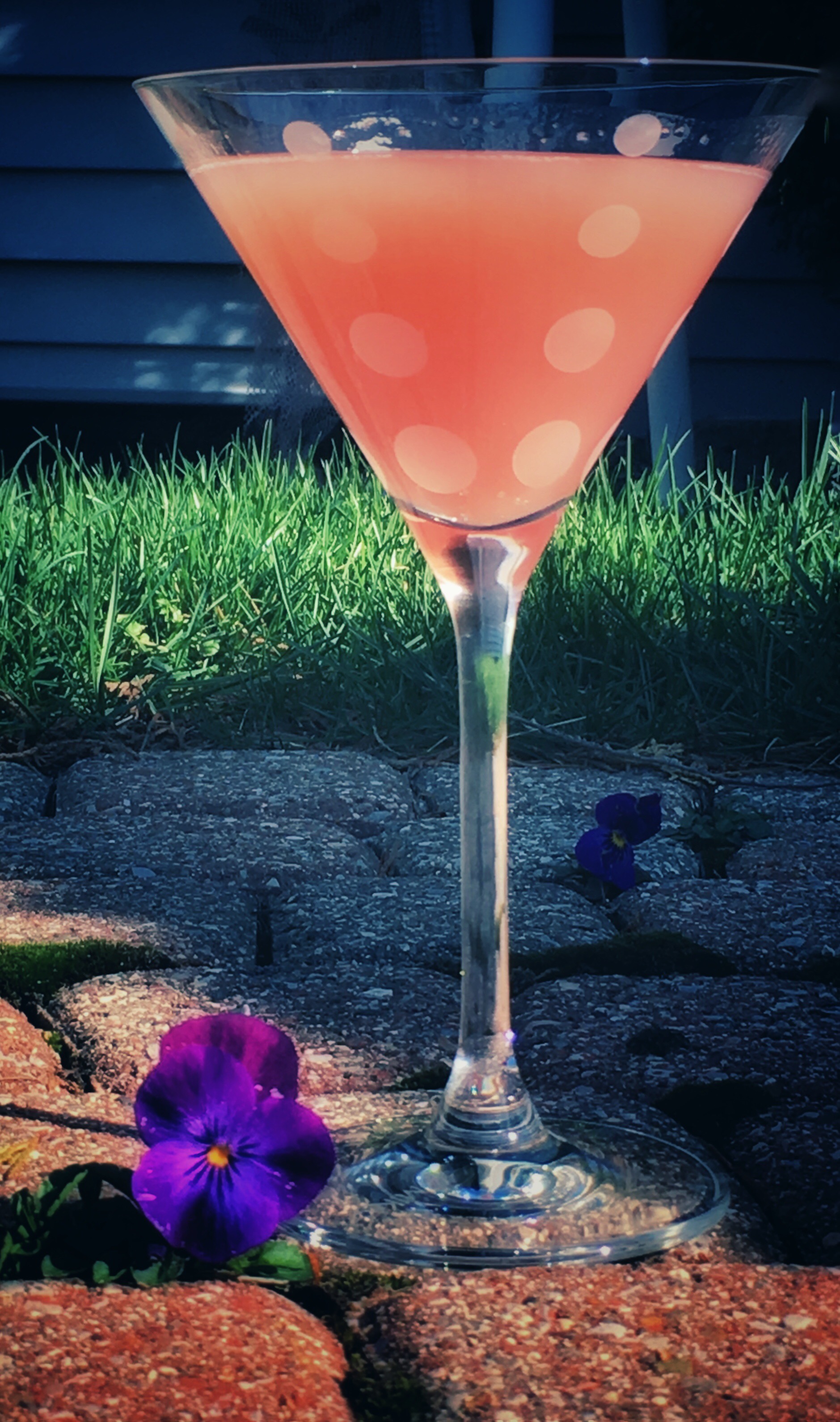
We are starting the day off with beautiful Bellini cocktails. I wish I could say that made them myself, but I decided to make things a little easier with a pre-made concoction from Canella. It is heavenly with our homemade waffles, dijon devilled eggs, hot cross buns, and fresh fruit salad.

Holidays like this allow for time to take stock of the blessings (no matter how small) at play in life.                                Some blessings today: a stellar day in the Cleve 🌞,  healthy and happy family, and wonderful friends on both sides of the border.

I wish you all day rich in joy and chocolate. And a nice bellini cocktail is a great way to start it off. 😄

Cheers!

House of Cards Binge Watch Weekend!


Deception! Backstabbing! Lies! What better way to spend a cold weekend in the Cleve than bingeing on season four of Netflix series House of Cards.

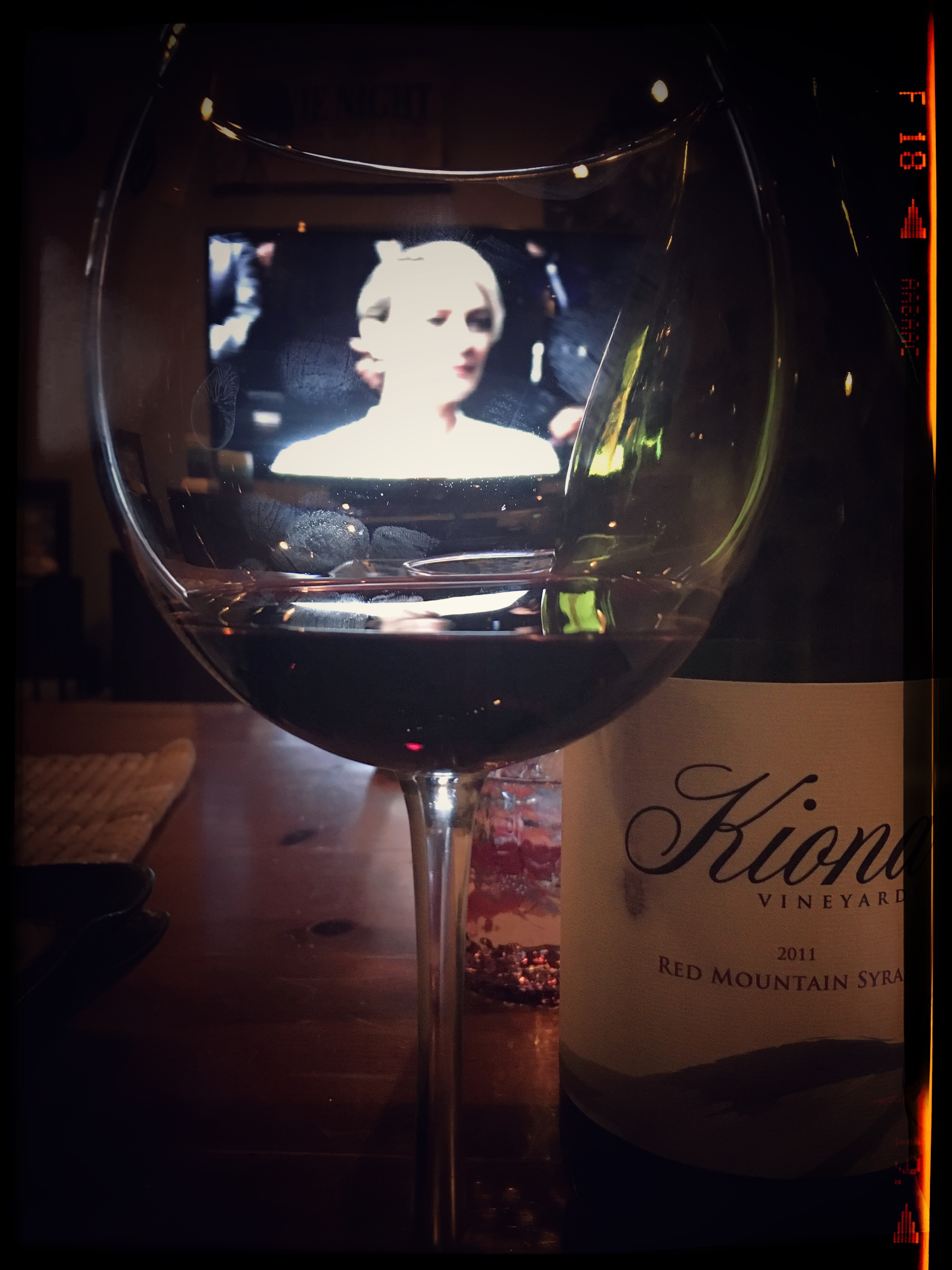
To appropriately enjoy the delicious unfolding of events, we needed an appropriately delicious wine. We chose a 2011 Kiona Vineyards Red Mountain Syrah. It’s rich, dark and full of flavors that reveal themselves slowly and stealthily. Much like Frank and Claire’s unraveling machinations.

Did I mention that this wine is from Washington? The state, that is. 😉

Cheers!

Happy National Drink Wine Day! 


I love that it’s National Drink Wine Day. Then again, for me, most any day could be drink wine day. The reason for the national day is to promote the love and health benefits of wine. And that’s as good a reason as any to open a bottle and enjoy.

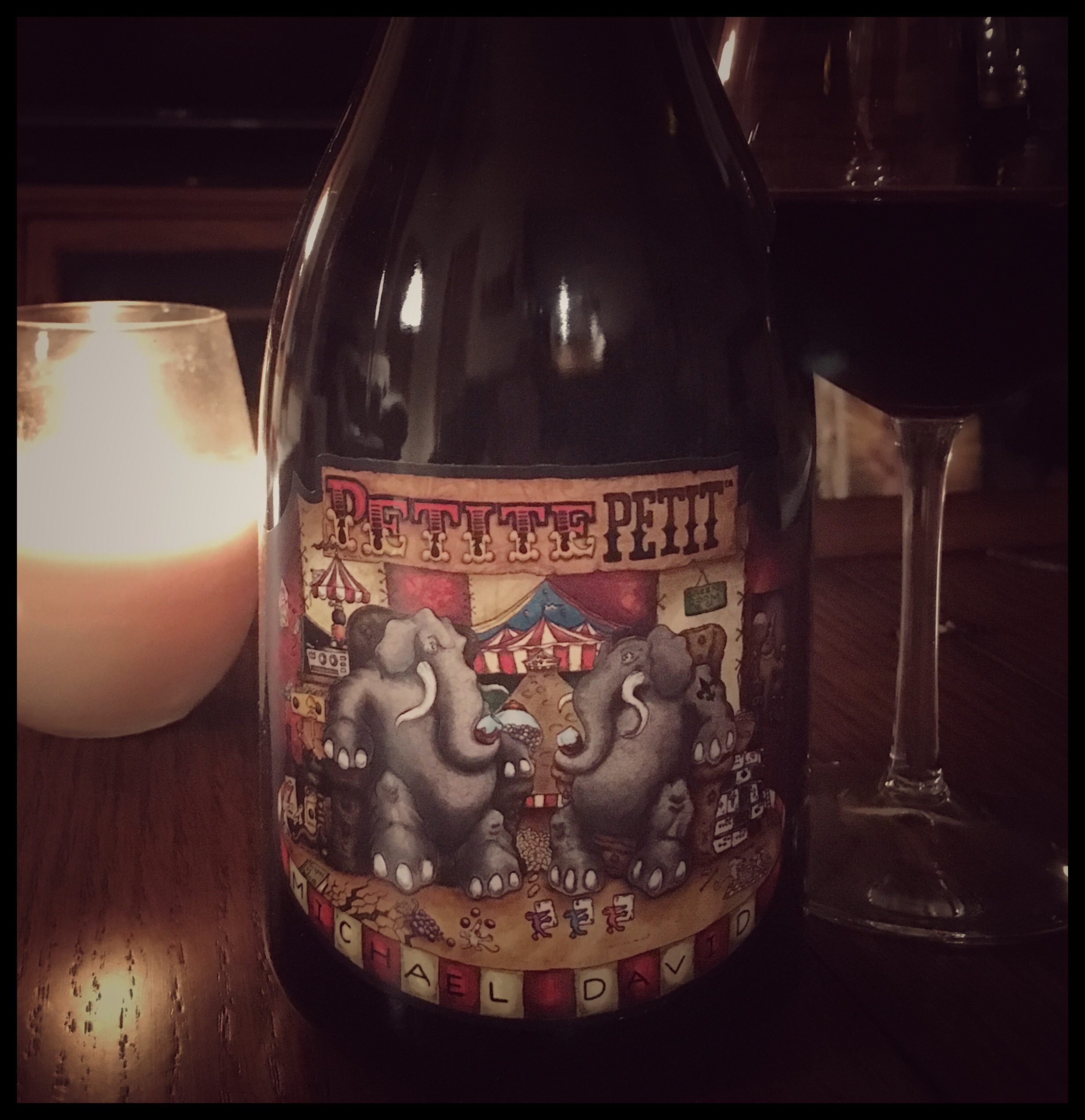
To honor it, I chose my latest favorite: 2013 Michael David Petite Petit. With 85% Lodi Petite Syrah and 15% Petit Verdot, the lush and full bouquet and flavors made today special, with or without national day of recognition.

Cheers!

The Jackpot Question in Advance: What Are You Drinking New Year’s Eve? 

“Maybe it’s much too early in the game, but I thought I’d ask you just the same…”

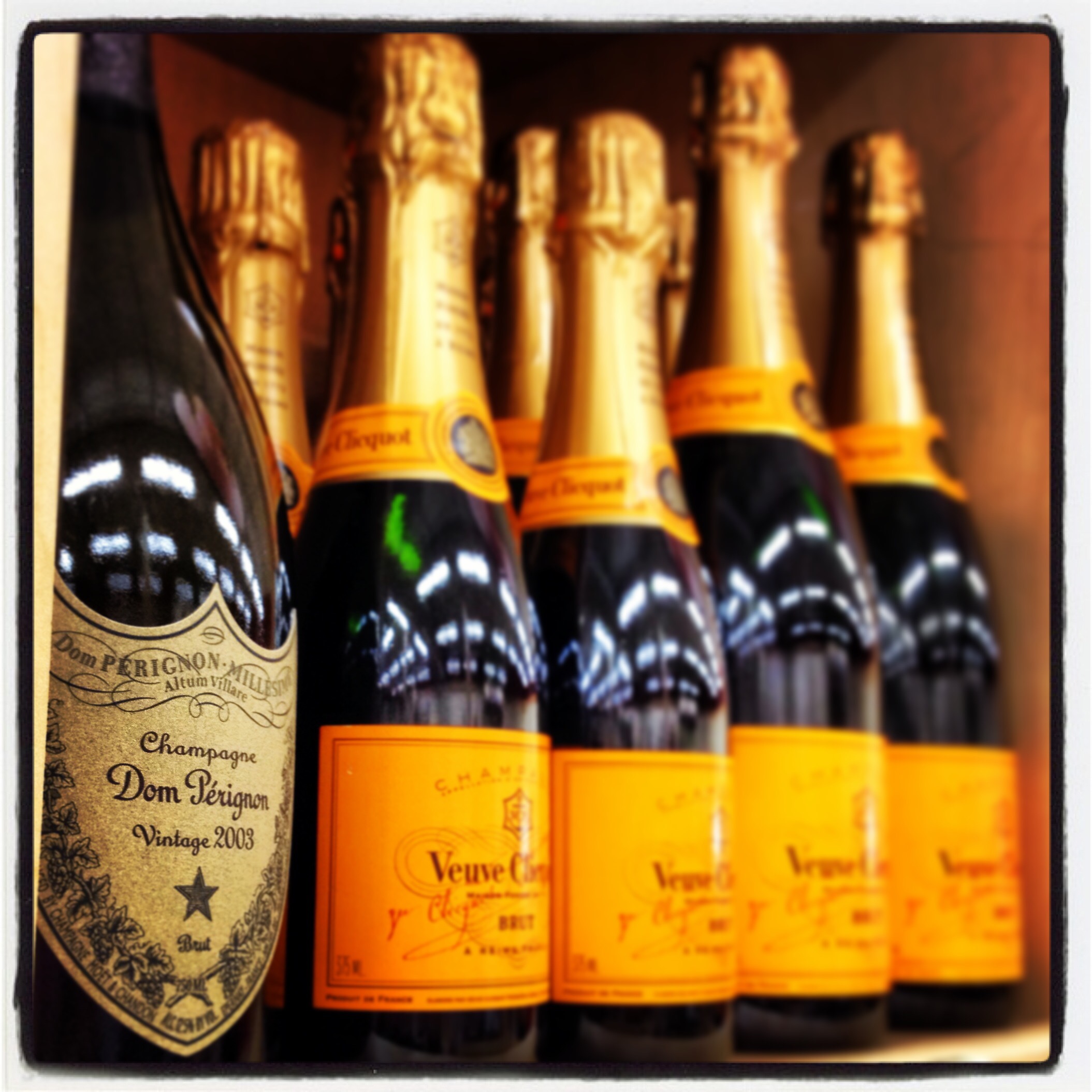
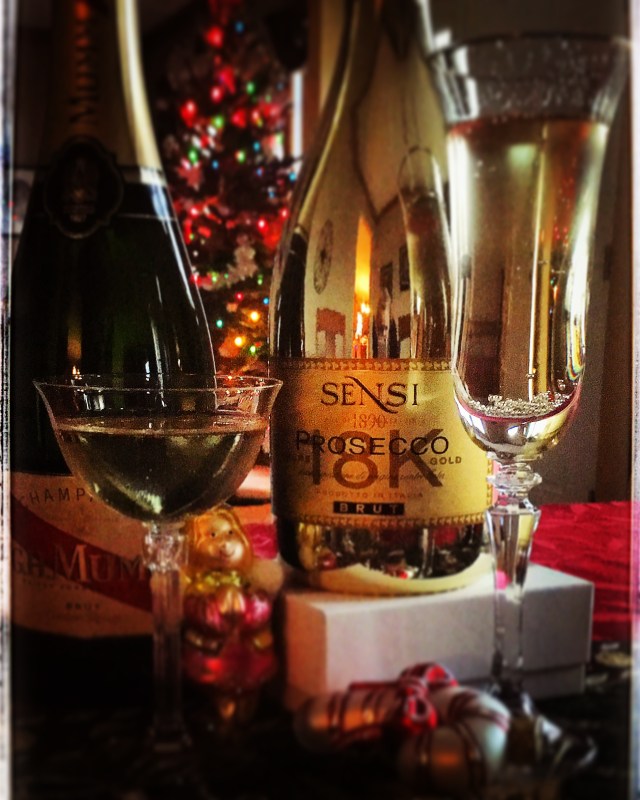
This New Year’s, HubbyDoug and I are keeping it simple at home with chicken and tempura vegetable fondue and prosecco. While I’d love to bring on 2016 with a big bottle of Dom Pérignon, I’ll be the only one drinking it;  HubbyDoug’s not a fan of champagne. And drinking the entire bottle myself probably won’t lead to a very happy New Year’s Day.

I chose prosecco for dinner over traditional champagne because of the lighter, more floral | fruit vibe it brings to the party. Since dinner will take a couple of hours to meander through, I figure I can pace myself nicely until midnight.

But when the Times Square ball drops, I’ll treat myself to a split of Vueve Clicquot. It’s my little gift to me to bid the old year adieu, and welcome in the promise of a brand new year.

Now… What are you drinking New Year’s Eve??

Cheers!

©TheWineStudent, 2015


Pop! Getting the Fizz into Your Favorite New Year’s Sparkler


image

Your bubbly is chilling, the perfect glasses shimmer waiting for the strike of twelve and the pop of the cork. But what exactly makes your sparkling wine the effervescent delight you save for special occasions? The answer lies in the method.

The classic method is commonly used for the fermentation of sparkling wines, (Champagne, Prosecco, Moscato D’Asti and Cava). While many grapes are picked when the sugar content is fairly high, Champagne grapes (Chardonnay, Pinot Noir and Pinot Meunier) are picked earlier when sugar levels are low and acidity is high. The juice of the grapes is pressed off early to ensure little skin contact which keeps the wine white.The first fermentation occurs the same way as all wine, converting the natural sugar in the grapes to alcohol while the carbon dioxide is allowed to escape, producing the base wine. Because of the higher acid content, the wine at this point isn’t very tasty. The blend or assemblage occurs, using base wines from various vineyards and occasionally, vintages.

Primary fermentation begins as soon as yeast is added to the must (the freshly pressed grapes). And like a party of kids hopped up on pixie stix, in this phase there is a lot of activity; lots of foam, and crazy bubbling. The yeast at this point grows quickly because of the sugar, nutrients and oxygen. Up to 70% of the total amount of alcohol is produced during this phase which lasts about three-five days. This is known as aerobic fermentation because the fermentation vessel is left open to air.

When secondary fermentation occurs, there is no more oxygen and sugar is minimal which now makes it anaerobic fermentation, where air must be kept at a minimum. This allows the yeast to give its energy to making alcohol. Alcohol levels then rise to the point where any remaining yeast dies off. Secondary fermentation can last between one – two weeks and produces 30% alcohol. It’s the most important part of the whole process in making sparkling wines, it is the only way to produce a fully sparkling wine.

At this time it’s a mixture of still wine, sugar, yeast and a clarifying agent. It’s then bottled and then and capped with a temporary ‘soda’ cap to allow for the further addition of yeast and sugar. These components then react with one another, creating the fermentation inside the bottle. Fermentation then converts the sugar to alcohol and carbon dioxide, which is now trapped inside the bottle, infusing the wine with bubbles.

There are other ways that bubbles can be infused into sparkling wines:

  • Carbon Dioxide Injection ~ (the soda pop method)
  • Metodo Martinotti ~ pioneered by Federico Martinotti, and adapted by Eugene Charmot in 1907, and used specifically for Prosecco and Moscat D’Asti, secondary fermentation occurs in bulk tanks and is then bottled under pressure.
  • Methode Champenoise ~ effervescence is produced by secondary fermentation within the bottle as above but this is specifically used to produce Champagne.
  • Transfer Method ~ which takes the wine blend to bottle for secondary fermentation, which increases the complexity. but then transfers the wine out of the individual bottles into a larger tank after spending the desired amount of time on yeast.

So now that we’ve established how the bubbles get there, what is the difference between Champagne, Prosecco and Cava? Bubbles are bubbles, right? No. No they are not.

Here’s the basic break down:

Champagne ~France ~ Secondary fermentation occurs in the sealed bottle. Grape varietal(s)~ Chardonnay, Pinot Noir, Pinot Meunier. The flavors have a tendency to be more complex and rich. While it can be more expensive, many lovers of this sparkler wouldn’t have it any other way. They are very loyal to their bubbles and to their brand. Notable brands: Dom Perignon, Vueve Cliquot, Moet and Chandon, Pierre-Jouét.             $60-$300+. Moderately priced Champagne will run between $60-$80.

Prosecco ~ Italy ~ Secondary Fermentation occurs in the Martinotti-Charmot method: occurring in large vats and then being transferred to bottle once fermentation is complete. Grape varietal: Glera. Steadily gaining traction in the sparkly bubbles market, Prosecco is becoming well-known among Millenials who prefer a price-friendly, lighter, fruit-forward bubbler. LaMarca, Sensi. $14-$30.

Cava ~ Spain ~ Large vat secondary fermentation is the prime method for Cava. Varietals include: Macabeo, Parellada and Xarel-lo grapes. A lighter vibe (and price) is again why many choose Cava as an alternative sparkler to Champagne. Freixenet, Segura Viuda. $12-$20

Whether you choose Champagne, Prosecco,  Cava, or sparkling cider, I hope you have an amazing New Year’s Eve and a spectacular 2016!

Cheers!

©TheWineStudent, 2015

Tricks and Treats: my top picks for Hallowe’en ’15! 

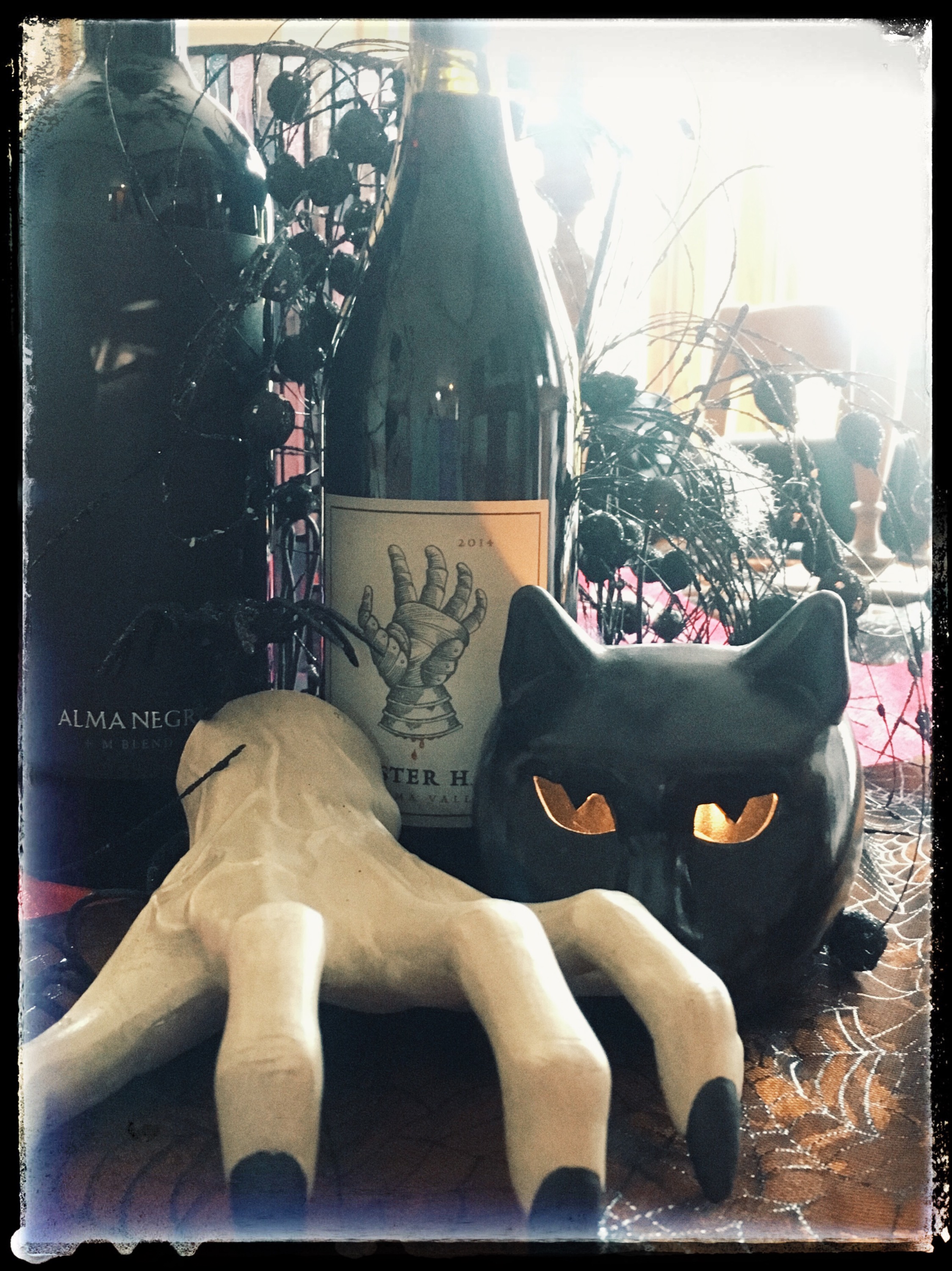
The witching hour is nigh! And to celebrate, I narrowed down my choices this year to two bewitching vintages. The label art had a little to do with it. But what was listed on the label was most intriguing.

I offer up to you, in no particular order (and also because I haven’t tried them… yet) ~ my top two Hallowe’en wine picks!

2012 Alma Negra M Blend (black soul) ~ a blend so mysterious, they don’t even list what’s in it! Which, frankly, is what piqued my curiosity. A little trip into the catacombs to research was indicated. Grape varietals in this blend are Bonarda and Malbec. Oh, the skeleton references i could make about Bone-arda (bad pun = everybody sip). Bonarda, described as the ‘workhorse’ grape of Argentina, produces large yields is lighter-bodied than Malbec yet fruit forward with flavors of cherry, plum with moderate acid and light tannins. This vintage was aged eight months in 50% American – 50% French oak barrels.

 2014 Sinister Hand ~ This spirited vintage, while young, is made in the Rhone style, blending Grenache, Syrah, Mourvedre and Cinsault. Prone to rot in damp conditions (think nasty zombie),  Cinsault thrives in hot appellations. When added to Rhone, it adds structure, perfume and softness, making this offering sound beautifully complex indeed.

Anyone who loves a good horror story can tell you, it’s not the simple tale that’s spine-tingling. It’s the one that builds, and has complex twists and turns that are the most satisfying.

The real trick for me will be to not rip into these treats before Hallowe’en!

Cheers! 
©TheWineStudent, 2015

The Good, First Year ~ A Conversation with: Nathan Hayes of Athens Uncorked

In almost any venture, the first year is one of the most difficult. Getting through it can be a test of strength, savvy and sheer determination. Nathan Hayes (and sister Kathryn Blake) of Athens Uncorked can relate. But through it all, they’ve persevered, learned much, and had a lot of fun. When I visited last year, they were still under construction but it wasn’t hard to imagine how great the finished project would look. Flash forward twelve months, the cosy surroundings are as I had pictured them; comfortable couches, great wines, and a warm, welcoming vibe.

Being on a field trip, with research being at the top of my list, I couldn’t visit and not try a wine flight. I chose ‘The Big Three Red’ which featured Chasing Lions Cab Sauv, Liberty School Merlot and finished with the Elouan Pinot Noir. Many wine flights I’ve experienced are served beginning with the lightest first, finishing with the bolder, more full-bodied. This flight was flipped. Nate’s philosophy is to finish a tasting on a lighter note. Who was I to argue?

But before I sampled some great wines, I sat down with Nate in a quiet corner of Athens, Ohio’s only wine bar to talk about their freshman year, the challenges they faced, and what’s next as their sophomore year approaches.

So you’re coming up to the first year anniversary. Congratulations! That’s awesome!

We are! Thank you! Yeah, I can’t believe how fast it went. Boom!

What’s been the most memorable thing for you this year?

Oh my gosh! It has just been such a learning experience. We’d heard from a lot of people going into this that the first year, especially, would be just a non-stop learning experience,and they were completely right. Lots of great lessons; some have been pleasant surprises, you know ‘oh, this is wonderful; we didn’t think this would work as well.’ Some have been the other side of the coin where we think, ‘Okay, we need to re-think this.’ It was a good year but a lot of learning.

What were some of the challenges you found this year?

You know, in hindsight, we’ve realized how fortunate we were in the process of actually just getting open. Everything, honestly, went very smooth. It took a little longer than we thought it would but in all honesty, everything getting to the door being unlocked went pretty easy. The challenges we’ve run into were that there aren’t many wine bars in this area; even the wine bars in the Columbus area are typically more restaurants so there’s a real lack of general knowledge as to what a wine bar is. Even the people that come in from the wine tourism industry, we often have to correct people that we’re not a winery; we don’t produce the wine. That being said, a lot of people that come in just have no idea how a wine bar works; the etiquette involved, the general layout of a wine bar, the wine bar menu. So that’s been a little more of a challenge than what we thought; getting people to understand what a wine bar is, how we operate. Also, when people live in an area where there’s never been a wine bar, the only wines they’re accustomed to are name-brand recognizable. One of the things we had to try to do is carry wines that you just wouldn’t see everywhere. With our demographic, generally over the age of forty, we have succeeded in bringing in an exclusively mature adult clientele; we’re very happy with that. There’s a problem with that, though, in that this market does not go out that often.They do like to go out, often they need to find child care, or finish their work; many of them are faculty here at the university. We love the clientele that we’re bringing in but that clientele group is not typically out every Friday and Saturday night. The other side of that coin too is, as one of our favorite clients observed, there has never been a bar in Athens for older customers. So that’s been a challenge; getting the word out. There’s an assumption in Athens that any bar that exists within walking distance of the college is a college bar. And we’re the first ones that aren’t. To specifically target a niche market is challenging.

Do you find this changes how you approach your advertising?

We’ve tried a few different forms of advertising: radio ads with the local radio stations, we’ve done some newspaper, and a feature in Sip magazine. We’ve done rack cards for some of the Hocking Hills cabins. We’ve also done, primarily, Facebook. It is fascinating how we hear, over and over again, “Oh we’ve been following you on Facebook for months. We’ve been following you since before you opened. Oh we saw you on Facebook.” The second thing is the local tourism. We get a lot people in here who saw our ad in their Hocking Hills cabin. We’re kind of surprised that we’re pulling in a lot regionally, much more than we thought we would. And we anticipate that growing next year.

And you’re on Twitter as well?

We’re not on Twitter. We’re on Facebook and Instagram. I find that for the primary market that I’m reaching, they typically just do Facebook, and occasionally Instagram. I’ve never heard a single customer say, “are you on Twitter?”

Last year, you were telling me that your plan was to switch up the wine flights monthly or bi-monthly. Did it work?

Originally, we were changing the menu every two months, right out the door. And honestly, it was a nightmare trying to figure out how much stock to keep in so you wouldn’t run out before your menu ended. Also, we found that every two months caused a lot of frustration between the servers and the customers. For servers, it takes time to get to know our wine menu, and customers would fall in love with a wine, and maybe only make it in a few times a month, and all of a sudden it’s gone. So then we decided every three months and even that caused a problem! It just was always too fast, expensive to print up new menus, very expensive to stock an entire wine menu ready to go. And it was causing a problem figuring out how much to keep in the back. So we decided every four months; three times a year it changes out and we can still be seasonal with it. That gives the customers more time, and the servers are loving it because they learn to pronounce everything and don’t worry about changing it up right away. Every month I’m featuring a special flight, so that’s just three extra wines instead of an entire menu. So with this month being October, we’re kind of going with a darker, Halloween dark red wines. Next month for November, we’re going to be doing some whites and reds for a flight that you could pair with a Thanksgiving dinner.

How do you choose the wines that you feature in your flights?

I try to figure out what I want the menu’s aim to be. For the summer, I wanted some really eclectic wines which were really fantastic. I wanted wines that you just wouldn’t ordinarily see. Italian whites but not a single Pinto Grigio; we’re talking Vernaccia, Soaves, more authentically original wines. We also did a Rosé flight and a Syrah flight. I wanted that menu to be kind of specific. Going into the fall, I decided to go more mainstream. This menu has the big three red or the big three white or the world of Sauvignon Blanc; kind of like your basic wines, varietals that people are comfortable with. I figure out what I want the overall goal of the flights to do. So if I’m going to showcase a varietal, for instance, next time around I’m going to do a Pinot Noir flight so you have to have your Oregon, your French. And then there are some crazy ones from Argentina. So you start with the menu, then condense it down into the flight and then into the ones that you think people will enjoy.

Have you ever put one together that you thought, “hmmm, not so much”?

The most notorious mistake that I’ve made so far was including a pomegranate ginger wine, the first sip you’d take you’d get this interesting pomegranate and then this zing from the ginger. I thought it was a great one to put on our main sweet Ohio flight. I think we made into four days of the first week before we pulled it off the menu. It was too outside the box for people ordering the sweet Ohio wines. So now the sweet flight only includes a Catawba, Concord and a Blueberry wine. And people love it! With my Sauvignon Blanc flight right now, there were two New Zealand’s with a California in the middle. The first was like drinking pure lemongrass, just phenomenal! The second one is by a winery called Parducci, it’s so light, it’s like drinking a breeze. And the third one is back to New Zealand but it’s got more of a flintiness to it.The problem with putting the Parducci in the middle is it got a little lost. I decided to put it at the end to end things on a lighter note. So there’s a learning curve to putting them together and going from what I like to what I think the customers will like.

Athens is a big Halloween town, any plans for Halloween?

(Laughs) You know we are finding that some of the bigger event weekends that happen are actually kinda bad for our business. Game days, Homecoming, Halloween, the town goes crazy. So what we’re going to do instead is Friday night we thought we’d offer some special ciders, I’m going to encourage my staff to dress up and we’ll just try to make it a fun evening. We’re going to be closed Saturday. But then on Sunday, November 1st, a good friend’s dad is a character actor/historical interpreter who does one-man shows, and one of his best is Ichabod Crane. So that evening we’re going to have some special sangria, and special hot cider with rum, and he’s going to do an hour long performance of Ichabod Crane visiting a tavern and telling his stories.

When did you start your book club?

I always wanted to do one and we started it abut two months in. And each month we’ve seen it grow. It’s really been a lot of fun. Last month we read “The Widow Cliquot.’ For this month, we’re doing ‘Something Wicked This Way Comes’ by Ray Bradbury and in November we’ll read ‘The Martian’ which is sci-fi, a lot of fun and a real page turner. A surprising number of teachers from the local schools come and they love it. Of course, I pair wines with the books, that’s part of the appeal (laughs). And I don’t think people care as much why I’ve chosen the wines, as long as the wines are good! They’re just excited to drink wine and talk about books.

So how do you pick your wines for the book club?

It’s just what seems to work, for ‘The Widow Cliquot’ that was easy, just sparkling wines. For ‘Something Wicked’ I chose a Garnacha, it’s a great wine from Argentina but it has this cool blue label with these black birds silhouetted over, it’s kind of spooky. Some books are easier than others. For ‘The Martian’ I’m just going to pick the driest reds I possibly can. We’ll do ‘Under the Tuscan Sun’ some time in mid-winter and we’ll obviously choose some Super Tuscans for that.

What special things are you doing to celebrate your first anniversary?

December 5th, which is our one year, is also the repealing of Prohibition so we thought that’s a great anniversary for a lot of reasons. We thought we’d tie it in with a roaring twenties theme which is perfect. We’ll have some Champagne specials served in the coupe glasses. We’ll just create a Facebook event and see how many people we can pack in. The regulars we have are very, very loyal; they’ve been with us since the first day we opened. They fell in love with it right away and keep coming back very consistently. We’re hoping with the first anniversary that we can get the word out. We just hope that we can reach more people.

Do you think you’ll expand and include meals or just stay focussed on the wine?

That was one of the things that I was taken aback with, is how much food we actually sell, even though we’re not a restaurant. One thing we hear so much is that people wished we served entrées. A lot of wine bars that we researched, over time, morph into restaurants. And still, I doubt we’ll ever do that.I don’t think it’s something my sister or myself want to do. While it is spacious here, in terms of preparing dinners, we’re not zoned or licensed for it. I think we need to stay really focussed. One of the things I’ve been constantly reading about is experiences young business owners, particularly bar owners have; lessons learned and mistakes they’ve made. One of the things is: don’t expand too quick. Just because you’ve had a great year does not mean you just spend everything and expand. Preemptive expansion can really hurt a business; if you can’t sustain it you’re in trouble. Another one was: do not change your hours that first year. Some nights, especially Mondays, are generally slower. I might only have, say, ten customers but they’re the same ten customers every Monday. They come in and they love it. It’s really about working on the relationship I have with my customers. It’s challenging sometimes to keep in mind the big picture.

In the end, it’s all about the customer base that we’re growing. If we’re here every Monday, they’re here every Monday, and we fall into a good pattern. They begin to tell their friends and then I can build a relationship with them as well. Plus our place is cozy, people love it, especially in the winter. It’s all been good. It’s a blast!

This slideshow requires JavaScript.

©TheWineStudent, 2015
Edited, deleted and manipulated: one-night only with wine, and artist Rose Haserodt


On one of the first really chilly nights this season, my fellow culture vulture, Shelly, and I ventured down to visit the one-night-only art event by Cleveland artist Rose Haserodt. Presented by EmergeCleveland, and housed at the Singer Steel building in Murray Hill, it was a unique and vibrant experience. The industrial feel of the space with its high ceilings and skeletal walls set the scene for art lovers in the Cleveland area. It was great to see visitors of all ages coming out to enjoy the work. EmergeCleveland is a collective of social entrepreneurs who invest in emerging artists; selecting one artist per year for a ‘site specific installation and exhibition.’

But what is art without a lovely glass of wine to sip? On the list for the event was a complex and warming 2011 Dante red blend from Michael Pozzan Wines. The rich nose of leather, and tastes of chocolate, blackberry jam and molasses provided a toasty companion that kept us warm as the temperature dipped. It paired beautifully with the canapes of brie, strawberries and red grapes.

We enjoyed the evening with EmergeCleveland, Rose Haserodt and her work. Judging by the turnout to this event, and the number of red dots on the paintings, there will be much success in her future ~ no editing, deleting or manipulation needed.

Cheers!

This slideshow requires JavaScript.

©TheWineStudent, 2015

Sunday Fun Day!

  
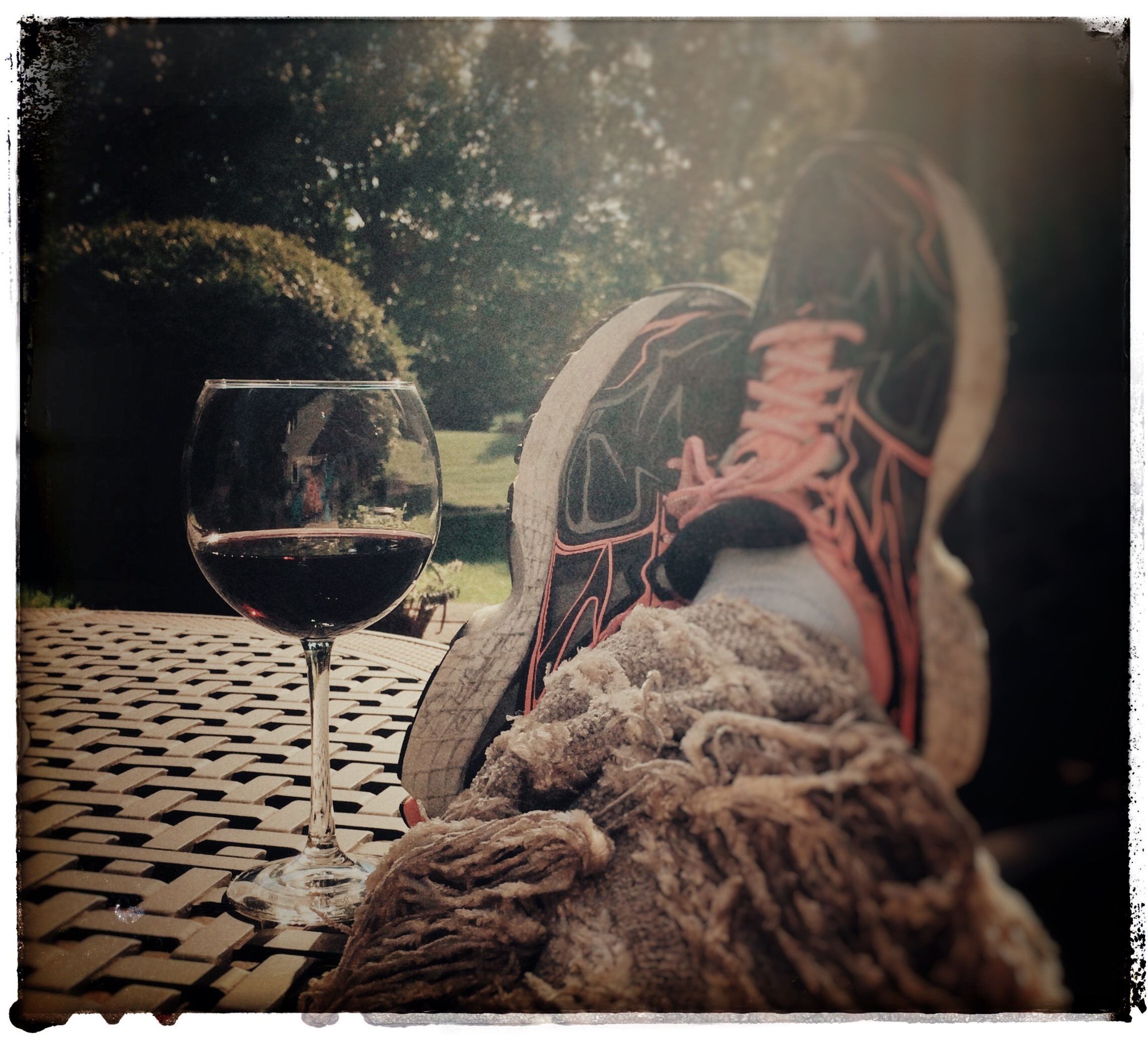
When I went for a run with my girl today, I could feel the change in the air. It didn’t matter that just last week we’d had the best park charcoal barbeque ever, in sweltering heat. What a difference a week makes…

The chill in the breeze and the way the sun hit the trees felt all too familiar. When I got home, I busied myself with little chores that I’d put off in the past few weeks. Feeling accomplished, even though I still had my running clothes on, I opened at bottle of 2010 Mendoza Vineyards Malbec. I wanted to take a little moment to toast the little things that herald the coming fall ~ even though we’ll have a few more warm days before the cold air becomes a longtime companion. 

Cheers!