Clean as a Whistle

With the holidays fast approaching, it’s time to get those little jobs [you love to ignore] done before your guests arrive and the wine is uncorked. Because you know the jobs, no matter how small, will never get done when that happens.

Cleaning my wine decanters is one of those jobs. I admit I haven’t been decanting my wine in the past few months; instead favoring the aerator or just going au naturel and pouring right from the bottle into the glass. I did stop, however, at just taking a straw to my bottle because I like to stay a little classy. Since I’d been neglecting my decanter, a fair bit of old sediment had accumulated on the bottom and was tough to get out with the standard method of cleaning.

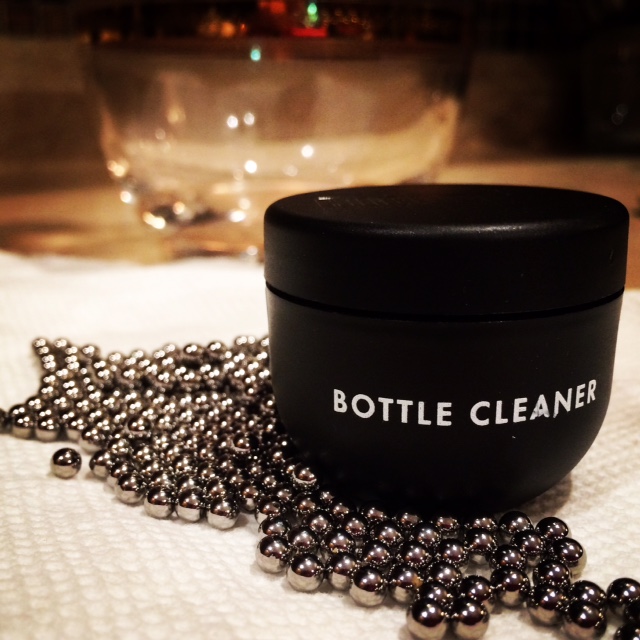
I’d seen bottle brushes that looked like they’d do the trick but one of my decanters was irregularly shaped and the brush wouldn’t reach the main area of trouble. Further research lead me to the Riedel decanter cleaning beads; little stainless steel beads that are shaken around the bottom of the decanter and naturally power away stains and old sediment residue.

The way they work is simple: Take your decanter, fill about half way with water, pour in the beads and swirl, or gently shake back and forth for about two minutes. Pour the water and beads through a strainer, let the beads dry and reuse again. I found with my decanter, it took a little longer to get the stubborn stains out but what resulted was a crystal clear decanter, ready to use for some beautiful holiday wine!

I finished the experiment by placing my decanter on a wine decanter dryer stand so that all the water could drip and/or evaporate. Nice. And easy.

All this cleaning is making me thirsty. And now that I know how to easily cleanse my decanters, I just might have to find a vintage that’ll help me whistle when I work.

Cheers!

©TheWineStudent, 2014

Viva El Vino! Cinco de Mayo and Mexican Wine

Spicy hot days and cool evenings can produce some fantastic wine. With vineyards planted as far back as 1524, Baja, and in particular, the Guadalupe Valley in Mexico has been producing some wonderful vintages.To celebrate Cinco de Mayo, I could’ve chosen a traditional shot of Tequila, blended a Margarita or at least poured an icy Corona. But I remembered a bottle of wine that we bought on our last trip to Cancun. And I was instantly transported back to savoring a glass as we enjoyed a shimmery golden sunset. Pop goes the cork.

A Little History Lesson

In the earliest days of the Spanish settlers in Mexico, they brought with them grapevines since they believed, as many of us still do today, that wine was nutritional, healthy and quite fun to drink. There was little need to convince the Mexican people of this; the Aztecs had been already cultivating the wild Cimarron grape from which juice was extracted, mixed with fruits and slightly fermented to create a beverage known as acachuk. As decreed by Hernan Cortes in 1524, settlers were ordered to plant a thousand grapevines for every one hundred natives in their service.

Mission Statement

The expansion of viticulture in the Baja region occurred largely because of the Jesuit priest Fray Eusebio Khun who in1683, founded several missions which began cultivating indigenous grapes and making wine for religious ceremony held at each of the missions. In 1697, Father Juan de Ugarte became the “founding father of Baja’s viticulture.” On one of his trips to Guaymas, he brought back some ‘vitis vinifera’ vine cuttings to be cultivated, since the endemic grape varietals didn’t meet the Spanish criterion for wine grapes. Over the years, ministry and laypersons worked together to increase the volume of wine production as well as the expansion of vine growing regions to where they launched new outreach missions. The divine was happening to the vine. And yes, that was a really bad pun, and so you must drink some good wine to cleanse your brain.

The Baja wine region includes:

  • Santo Tomas Valley ~ founded in 1791 and located 18kilometers from the Pacific Ocean maturity temps of the grapes vary between 14 – 36 degrees celsius
  • Guadalupe Valley ~ founded in 1834 it is by far the largest area of wine development. Located 30 kilometers north of Ensenada, is 320 meters above sea level and is the most topographically diverse ranging from granite to red clay. Low temps at night and high daytime temps make for an area that has the most favorable environment for maximum grape development.
  • Ojos Negro Valley ~ It was so named due to the two oval swamps that looked like black eyes. These marsh areas have all but disappeared due to underground depletion but what remains is a diverse vegetative environment with highly cultivated irrigation systems to accommodate for the higher levels of rainfall.
  • San Vicente Valley ~ Located 90 km south of Ensenada with an altitude of 110 meters above sea level, San Vicente has unique vineyards where the grape maturity temps from a minimum of 10 degrees celsius.

 Muy Caliente!

Much of Mexico can be too hot to produce very flavorful wines; the heat has a tendency to push the grapes into ripeness before full flavor can be developed. The Guadalupe Valley has a unique microclimate of mineral-rich soil and sea breezes that gently cool the heat; bringing the grapes into a robust maturity. Our wine for tonight is Pitxos a combination of an 07 Grenache, 05 Syrah and an 06 Merlot from Bodegas de Santo Tomas in Ensenada. And while I wouldn’t normally pair a blend like this with chicken, the heat from the spices I’ll use might just be a good juxtaposition. Since I had to do a product shot, I did have a sample. On its own, it’s very rich with black cherry overtones, mild to moderate spice, a definite alcohol vibe (probably from the hot climate), and zippy currant on the finish. And I can say that it travelled quite well (we bought it in ’11); withstanding a plane ride home and undisturbed cellaring since then.

Wines from Mexico are available in the US from Wines from Baja.com.

Whatever your choice of drink to celebrate the day, I wish you a happy and safe Cinco de Mayo.

Que tengas uns noche buenisima!

©TheWineStudent, 2014


Green Day in Ohio: Celebrating Sustainability in Winemaking


The winemaking carbon footprint can loom quite large but many wineries are now making the conscious move towards sustainability and making sure that the footprint they leave is one that will help keep the planet beautiful for generations to come.

Sustainable winemaking involves:


  • Changing from power usage to solar power, thereby cutting energy consumption.
  • Reusing and recycling all water and making their own compost as fertilizer.
  • Practicing Integrated Pest Management: Using owls, bats, hawks or other wildlife, as well as cover crops to help control insects.
  • Also using weed control | border management by goats or sheep to cultivate the vineyards instead of traditional chemical pesticides and herbicides.
  • Using low-gravity flow techniques to move wine steadily downward through the winemaking process, decreasing the use of energy consuming conveyor belts and equipment in the process.
  • Recycling all materials used in the winemaking process.
  • Erecting or modifying buildings to make them energy efficient.
  • Using biofuel or alternately powered farming equipment; preferably using horsepower instead of tractors when workable.
  • Ensuring that workers, employees are fairly treated.


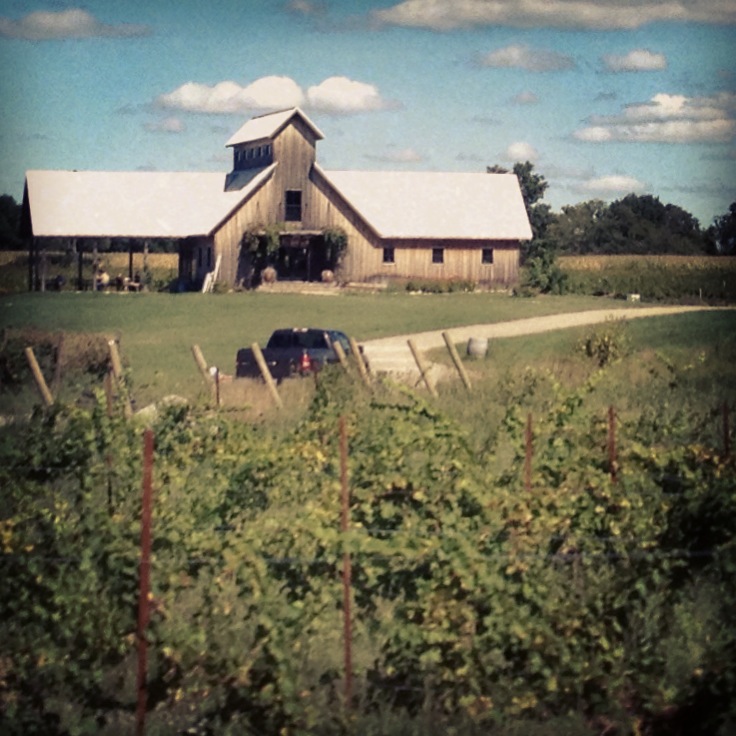
 Vermilion Valley Vineyards is one of the few identified sustainable wineries in North East Ohio that uses recycled materials, solar energy and storm-water management (large tanks collect storm-water for reuse in the vineyard). Located in Wakeman, OH about 45 minutes west of Cleveland, Vermilion Valley Vineyards is situated beside a fully restored wetland that is home to natural residents like Bluegills and Large Mouth Bass, and naturally occurring, native plant life. The wetland also serves to provide the winery a viable heat source in winter, and acts as an area to release heat overloads during high summer. The heating | cooling systems are ‘ground sourced’ HVAC using the wetlands. Their vineyard building has 40-plus “R” insulation for its walls and roof; saving energy that would normally have to be produced by burning fossil fuels.


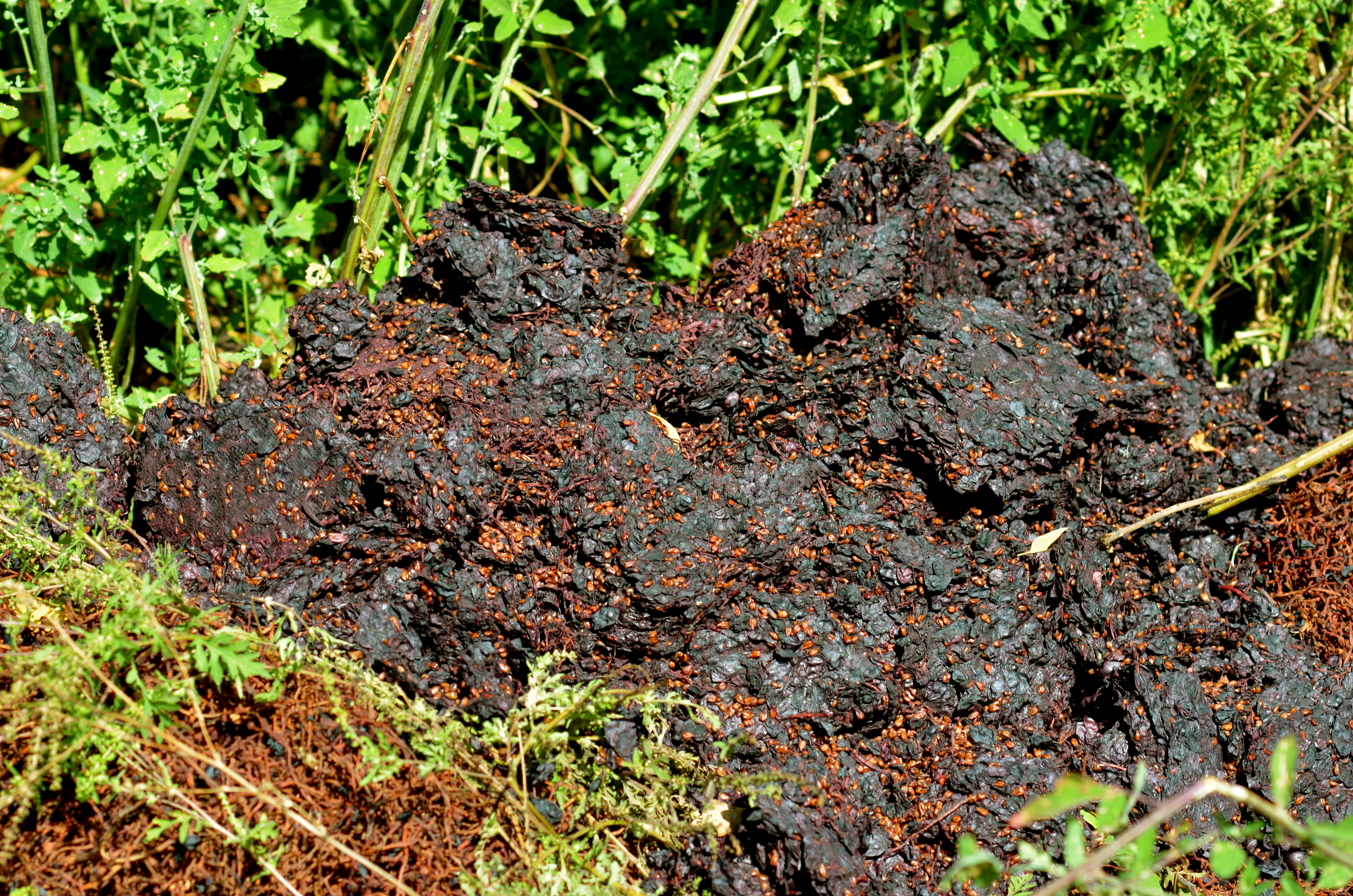
Vermilion Valley Vineyards’ philosophy is one of holistic agriculture: viewing the entire farm as a living organism. They work to build soil fertility by using composted grape skins, stems and seeds.What comes out of the earth, eventually goes back in.

Using composted grape skins, seeds and stems

Using composted grape skins, seeds and stems @ Vermilion Valley Vineyards


Crop rotation, companion planting and cultivation is the main source of natural pest and disease management. In cases where it doesn’t work, they employ Integrated Pest Management ~ where some conventional but less toxic pesticides are permitted ~ but it is used only sparingly and never where non-chemical interventions have been shown to be most effective. They have maintained a commitment to find new certified organic fungicides that will precisely target problematic organisms.


To further educate the public about the importance of sustainable farming practices, they created the Green Lit Scholarship Fund. The fund rewards select graduating high school students wishing to pursue a career in sustainable winemaking | farming, as well as those majoring in a related field (forestry, agriculture and architecture) and is awarded annually. The winery hosts several fund raising events during the year to provide support.

While it can seem like a daunting proposition to completely revamp a winery’s operating practices to incorporate sustainable winemaking, it can be done. And it can be a work in progress. But the commitments to the environment that are made now will ensure a better world that we leave for our children to enjoy.

And that’s worth toasting.

Cheers!

©TheWineStudent, 2014

Chips Ahoy


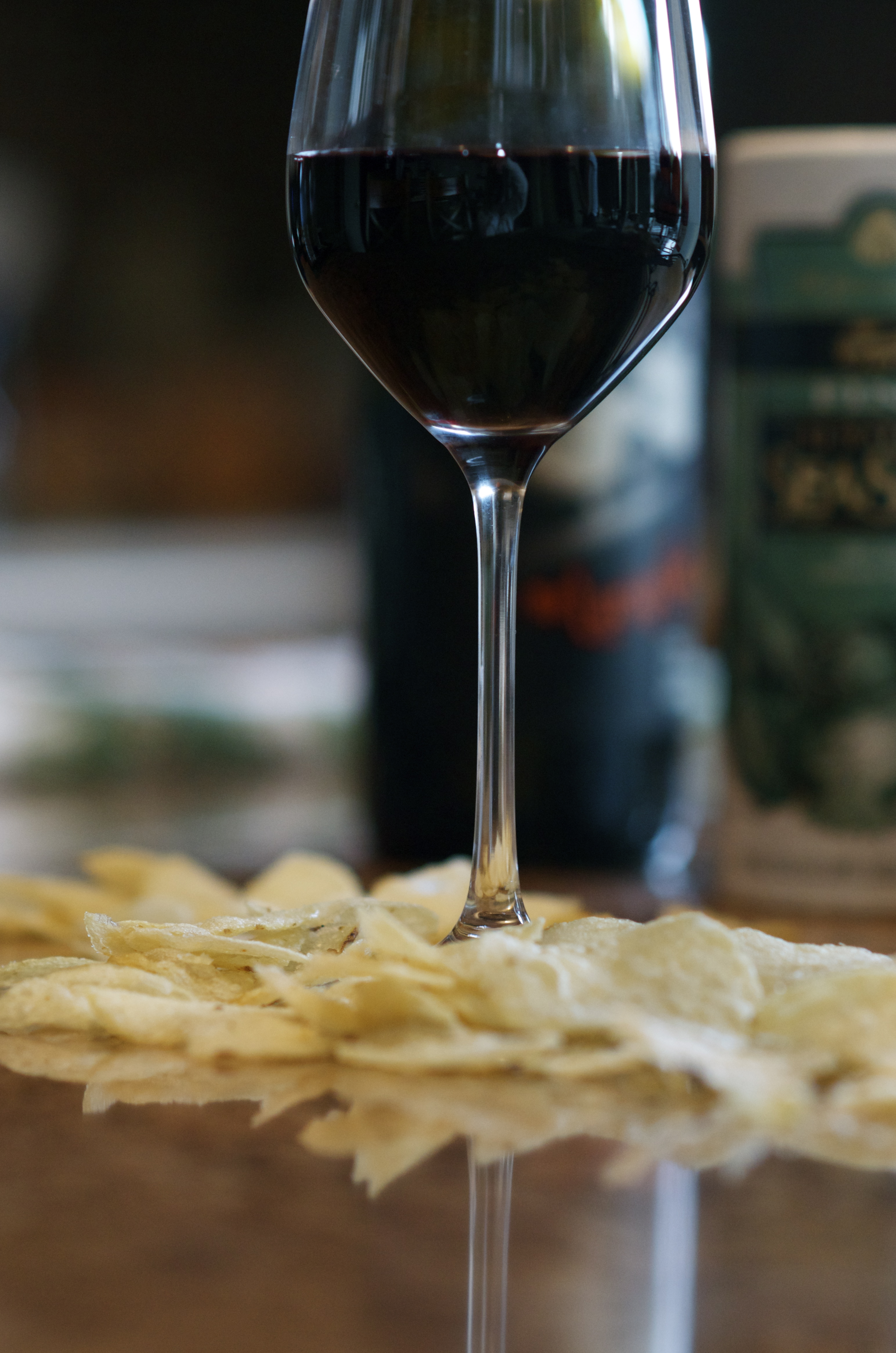
Today, I opened a bottle that I’d had for a little while. But when I tasted it… well, it wasn’t exactly off but a little more bitter than I was expecting. What to do? I ripped open a bag of Lay’s Classic Potato Chips. I’d been craving them, had gone for a long run earlier in the day, and up until now, had been really, really good about my my foodie choices. But why would I think chips would go with any wine, much less this one?

When I  took my WSET course last year, I remembered that in the food and wine pairing class, salt had been considered a wine-friendly component of food that can aid in softening some harder elements of wine.

Salty foods also:

  • Increase the perception of body in the wine
  • Decrease the perception of the wine’s bitterness and acidity

The chips actually did their thing quite nicely. The wine became considerably less harsh and easier to enjoy.

Clearly, it wasn’t a day for carefully selecting the vintage, and the exact right variety of potato. And much that I’d read had chips being paired with Champagne or other sparklers. My choice: An Australian Shiraz. And it was made much softer and enjoyable with this pairing.

You might want to experiment on your own with kettle-cooked-cracked-pepper-gourmet what have you, and that would be great. But if you’re finding your wine a little too harsh, and your pantry has only a bag of chips, be brave.  You might discover that what’s inside can be just as nice as the most expensive, savory hors d’oeuvre.

Cheers!

©TheWineStudent, 2014

Vina Medicata ~ The Doctor is In… Your Glass

What’s good for the heart may also be very good for lung cancer. In a groundbreaking study just published in  Cancer Cell International, investigators from Brock and McMaster universities in Canada have shown that wines are effective in stopping the spread of non-small-cell carcinoma.

Over the past few years, much has been written about the benefits of  polyphenol resveratrol on cardiovascular health, confirming that drinking a glass of red wine a day can help keep the heart surgeon away.

In cancer, cell damage occurs from oxidation, a process that releases harmful free radicals. Polyphenol resveratrol, is a potent antioxidant that prevents this damage. The significance of this study: This is the first time that researchers have demonstrated this link using actual wine instead of a synthetic form.

Evangelia Tsiani, associate professor of community health sciences at Brock University and Dr. Theos Tsakiridis, from the Radiation Oncology division at McMaster University’s Department of Oncology, looked at the effects of Cabernet Franc, Cabernet Sauvignon, Pinot Noir and Riesling on Non-Small Lung Cancer Cells (NSLCC). Using wine from Niagara-on-the-Lake wineries, they found strong data suggesting that wine may have “considerable anti-tumour and chemoprevention properties in lung cancer and deserves further systematic investigation in animal models of lung cancer.”

While all the reds had a significant effect, and in small doses, the Pinot Noir was the most effective. White wines produced an effect that was evident but higher doses were required to be significant. And as with most things in life, moderation is key. Too much of a good thing will not help increase the result, and it’ll just give you a sore head in the morning.

According to Mark McNeil [via the Hamilton Spectator], just eating the wine grapes was not identified by the research team as a beneficial way to deliver the resveratrol needed to obtain these results ~ it may be a combination of resveratrol and the various, currently unidentified, chemicals in fermentation that impact the cancer cells.

While more investigation is needed to determine whether this study will yield the same effect in animals, it’s an excellent step in the right direction for helping prevent the progression of a disease that affects so many.

So drink up! In many cases, it’s just what the doctor ordered.

Cheers!

©TheWineStudent, 2014

Easy Reader 101: The Drops of God

With the weather doing its best to make me a shut in, I thought I’d rethink my daily snow shovel workout and settle in with a book or two (or four) about wine.  The Drops of God is a Manga series of stylized comic novels about the myriad aspects of wine. Written and illustrated by Tadashi Agi and Shu Okimoto, it begins with a quest: the two sons of a recently deceased, renowned wine expert must compete to find and identify the twelve ‘heaven- sent’ wines. Within one year, the winner will correctly answer to which wines, and what vintages, their father was referring. As the story unfolds, it illuminates the finer points of wine service; the benefits of decanting, what to look for in terms of color: How it indicates both maturity of the wine and the climate of where the grapes were grown. The books also demonstrate how two people drinking the same wine can have vastly different impressions about what it tastes like. In this world, the images, memories, sights, smells and feelings wine can evoke, may ultimately uncork its ability to heal.

Manga (MAH-Nnnn-Gah) is traditionally read from right side to left, with the panels and text also read from right

The Drops of God ~ Book One

The Drops of God ~ Book One

to left. This takes a wee bit of getting used to but the information and story is so interesting, it really doesn’t matter. The artwork of Manga is quite distinctive with characters that have large eyes, small mouths and an outpouring of over exaggerated emotions.  And what’s really amazing to me is the detail given in the novels about the wine industry (from vineyard to wine cellar to restaurant) and how looks, labels and first impressions can be very misleading.

The strength of these books is that they appeal to all wine audiences from beginner to expert.

They’re a really cool way to study and gain an in-depth understanding of the magic of wine.

Cheers!

©TheWineStudent, 2014

Let Us Prey

It was a cold and blustery night in the Cleve; wild arctic winds whipped the snow around like an angry toddler shaking up a snow globe. Braving the elements, HubbyDoug and I met our friends, Shelly and Hal, for dinner and drinks at Humble Winebar in Lakewood, a funkycool restaurant, just southwest of downtown Cleveland. Looking for something to restore some warmth the icy night had stolen, Shelly noticed Predator Old Vine Zinfandel on the menu. Having fond memories of our time in Lodi at the Macchia event two years ago, and being fond of the Zin, we thought we’d give it a try. Allison, our server, said that it was a rich, full-bodied wine with notes of blackberry, chocolate and hints of bacon ( yum ~ I like bacon).

It was just as Allison described, but along with the rich dark fruit vibe and bacon, was a beautiful pepper finish that kept us warm well after the last sip. It was a more complex, layered wine. Paired with the roasted artichokes, sun-dried tomato goat cheese and proscuitto, it complimented the flavors; coaxing out creamier quality of the cheese. The tuna puttanesca had a bit of a peppery | garlic vibe to begin with, and the Predator brought more of that to the forefront. When I sipped a bit with the sausage pizza, I found the pepper of both to be quite heavy; I’m not always comfortable breaking a sweat at dinner ~ it was just too much of a good thing.

I think what I enjoyed best about this wine was that it had an old-world consistency: The taste you got at the start of the glass is what you enjoyed from the last drop. The bacon vibe that I loved so much, I deduce, came from barrel-aging, perhaps in an older barrel with more toasting to bring out the smoked essence. But that’s just a guess.

Hal and Dougie give it a thumbs up!

Hal and Dougie give it a thumbs up!

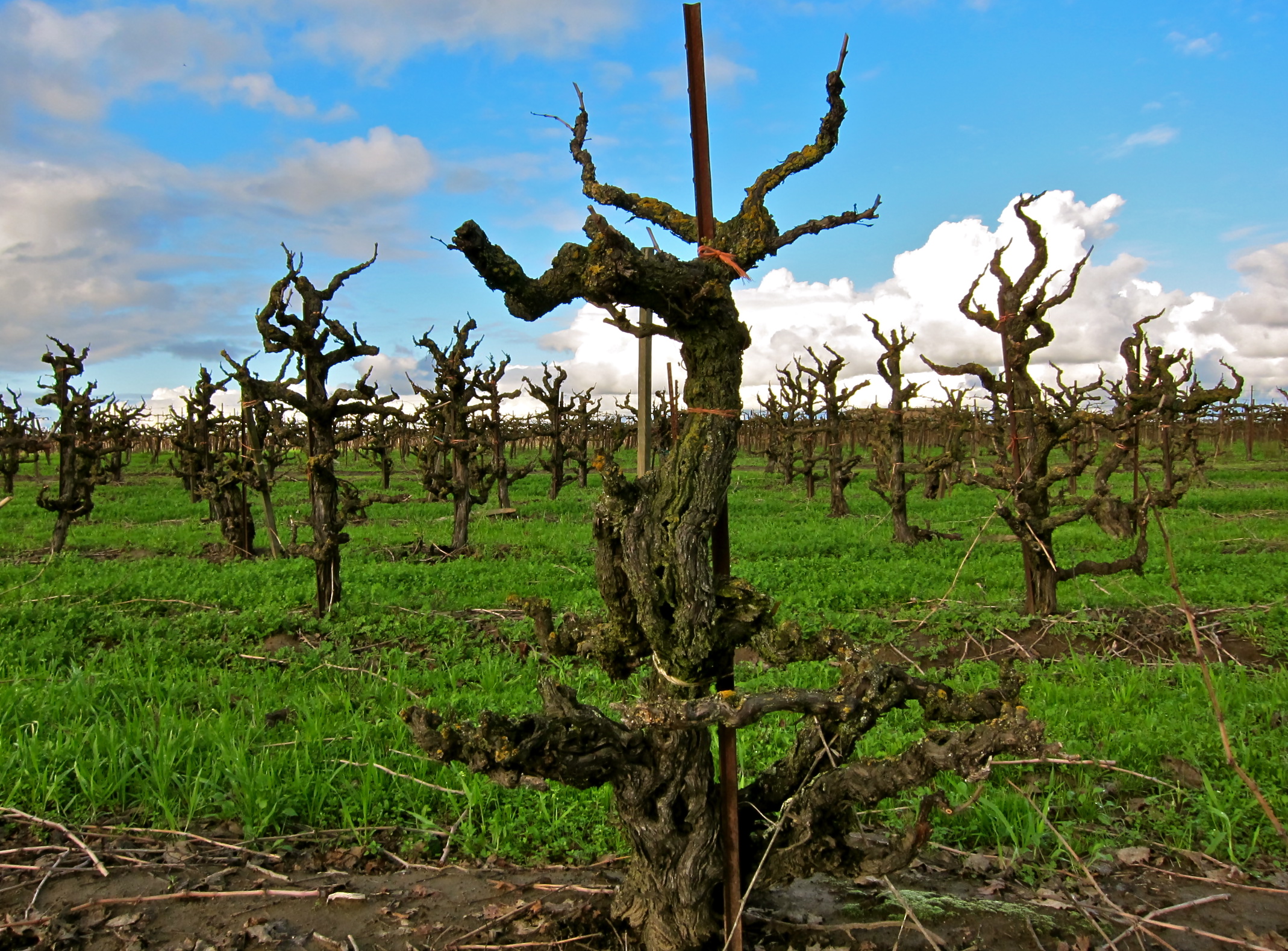
Intrigued by the Old Vine phenomenon, I wanted to investigate further. At first glance, most old vines look like they wouldn’t produce anything other than dust. But looks can deceive. Ravenswood winemaker and founder, Joel Peterson (via Sonoma County Winegrape Commission/ History in a Glass, May 2007) states that Old Vine Zinfandel “represents the most unique and traditional wine of California.”

Peterson defines Old Vine Zinfandel:

  • 0-10 years: young vines
  • 10-50 : middle age
  • 50- 80: old vines
  • 80+ : ancient
Old Vine, Head-Trained Zin (Image via Lodiwine)

Old Vine, Head-Trained Zin (Image via LodiWin

According to the wine blog Vinobo, most old Zinfandel vineyards are head-pruned meaning that the vine looks like an umbrella, with vines cascading from the top (trellised grapes, which most of us are familiar with, have clusters in a row, roughly waist high). Sun can shine into the middle of the vine of head-pruned grapes, since the leaves cascade from the top. As the sunlight patterns change through the day, different angles of the vine get what’s known as ‘dappled sunlight‘ therefore no grapes get burned. The dappling effect creates a perfect condition for nurturing Zinfandel, yet theses grapes are very labour intensive to harvest: They must be hand picked.Trellised grapes also can be pruned for the dappling effect but can be machine harvested, which is so much easier for the grower and crew.

Old vine Zinyards generally have lower yield than many other varietals, no irrigation and the soils are thin which makes the vine work a little harder. But all that hard work pays off with more power, color and intensity in the wine. With age comes ‘experience’ and older Zins tend to benefit from their time in the sun ~ their fruit tend to ripen more evenly, and gain more spice the older the plant. Just as we tend to get pruney with too much sun exposure, on Zins it actually works as they age.

And if you’re looking for a serious predator, look no further than the ladybug on the label; that’s what they use as a natural predator against nasties that invade the vineyard.

Cheers!

©TheWineStudent, 2014

No Corkscrew? No Problem?!

You’ve got the premium artisan cheese, stellar wine that you spent at least three quarters of an hour deciding on, and the glasses that, in one look, will convey your supercool sense of style. You’re ready to begin your fabulous feast and realize…you have no corkscrew. Damn! So close and yet so far. Short of brandishing a sabre to cut open the neck of the bottle, you’re out of luck. Or are you…?

Scanning the interwebs, I found a few methods you can try in a pinch:

  •  MacGyver Paperclip Method: take two paper clips, unfold and push down either side of the cork in the neck of the bottle. Rotate the lower pointy clip ends into the bottom of the cork and then get a pen. Wrap the upper ends of the paper clip around the pen above the neck and start pulling. And keep on pulling. By nightfall, you might have that bad boy out.
  • Screw it: take a big screw (or nails) hammer them into the cork and pull (hard). But who the hell brings nails, hammer and screws to a picnic? Moving on…
  •  Pump It Up (or syringe method): Uh…okay. So you’ve already drilled a hole into your cork and you just happen to have a bike pump (or syringe) handy. Put the needle into the cork, apply a little air pressure and…pop! goes the cork. It worked in the video…
  •  Push It: Using anything sturdy (tire gauge, Sharpie, whatever) that will fit, and just push the damn cork into the bottle. It’s not pretty, sexy, or showy but it’s an old stand-by that’ll get the job done. I hear ninety percent of the time … it works every time.

The method I thought was the most interesting was opening the bottle with a shoe. In theory it works like so: Take the bottle, put it in the heel of your shoe and hit it against a solid surface ~ like a tree (or picnic table). Voila! In six or seven strikes, your bottle is open and the wine can flow. In the YouTube videos I watched, it looked pretty easy. And many people have been writing about this method the past couple of days, so I guess I’m a bit redundant. But I wanted to try it for myself; I am an empirical girl ( living in an empirical world).

How did it work for me? Well, click the video below:

Another method is to take a gun and shoot the neck right off the bottle. You might end up with some glass chards or gunpowder in your goblet but… being a Canadian girl, I think I’ll just use my hockey stick.

Cheers!

©TheWineStudent, 2014

Have a Happy (and Healthy) New Year

December has been an absolute blur ~ from Christmas parties to last minute shopping (I know, it comes the same time every year) to spending a wonderful  visit with friends who live far away ~ I now find myself on New Year’s Eve with a nasty cold. Bah! As I write this, I’m bundled up sipping tea with lemon. Am I pairing it with any beautiful vintages? Sadly, no. Any wine I try to sip (with or without mulling spices) makes my symptoms just that much worse, and me just that much more fun to be around. I see how HubbyDoug and my girl are looking sideways at me ~ I now know what it must be like to be a harbinger of viral doom.

So why does wine, with all of its health benefits, create such havoc in some people? According to MayoClinic.com, it is due to a sensitivity to histamine and an intolerance to the alcohol content in the wine. Wine and beer are high in histamine ~ a chemical also produced by the body to aid in the immune response. The body does this as a way to protect itself from any incoming pathogens or irritants. If you have an intolerance to alcohol, your body is not as well equipped to efficiently  break down the alcohol you consume, which leads to the histamine response and… I think you see where this is going.  And when you have a cold and your sinuses are already inflamed, it’s just like putting out a fire with gasoline.

I like to believe that I’m very tolerant of most alcohol, especially wine. But with this cold, I don’t think I’m going to tempt fate. So I’m taking the night off. But that doesn’t mean you should. Especially tonight of all nights! So go, enjoy! I don’t mind.

Even though my cold has me sidelined tonight, I didn’t want to let the old year slip away without sending some warm wishes your way. And I hope you’ll be toasting with some fabulous wines that start your 2014 off on a high note.

Cheers!

©TheWineStudent, 2013

No-jolais


When she wrinkled her nose and winced, I knew that maybe I shouldn’t go there. I’d asked my local wine consultant about a 2012 Beaujolais I’d just found in my wine collection. Low in the rack and fairly dusty (I guessed I missed a few spots with the Swiffer), it had been long forgotten. I wondered if it would it be worth opening or would I have a bottle of imported vinegar? The wince should’ve been enough of a deterrent. I’d found last year that it was somewhat lacking with my holiday meal; even with a mild turkey, it didn’t really come alive. So, wincing looks aside, I chose to test it. I just don’t feel right about dumping a bottle unless I know it really has no hope.

The good news was that it didn’t smell like a musty basement, the bad was that it really hadn’t gotten any more depth or interest over the year in a bottle. At least it was consistent.

Traditionally, Beaujolais is to be consumed young, and only in a rare vintage, could you find a more mature, drinkable offering. According to Wine Spectator, the 2013 vintage is particularly interesting due to a rainy spring season, late flowering and subsequent delayed harvest, and a larger difference between the Beaujolais Nouveau and the Beaujolais – Villages Nouveau (the latter having much more ‘grip’ and length of finish).

I know, I missed the big release on November 21 with all it’s fanfare and celebration. And perhaps if we’re feeling like we want to revisit already explored territory over the holiday, we’ll try a bottle of the ’13.

But I think we’ll be busy sampling a few treats I’ve lined up to celebrate and give thanks.

Cheers!

©TheWineStudent, 2013