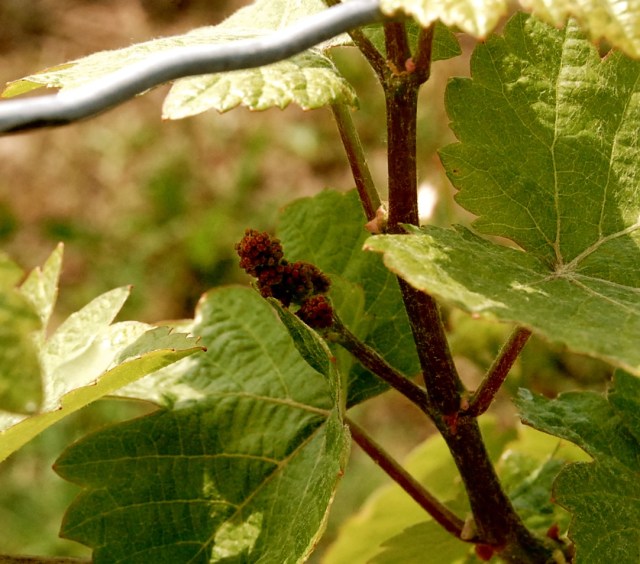
Breaking Bud

For the most part, this past winter was not one of discontent. Unless, perhaps if you’re a winemaker. It’s a balancing act when it comes to managing freeze-thaw cycles in a vineyard. Most vines are resilient enough to withstand the below freezing temperatures for a time only to rise and bloom when it’s safe to wake up. This winter and spring were a little different, though.

While bud break  in March is not unheard of, it usually it begins when the danger of frost has safely passed. Winter bud damage can occur at temperatures below -25 C; vine damage can occur between -28 and -30C. The level of damage also depends on the grape: Vidal and Cab Franc being heartier varietals can withstand extremes, but the more delicate Pinot Noir, and Gerwurtztraminer suffer the most when they are exposed to temps of below -10C.

But like anything in nature, adaptability is everything. According to an article in the University of Maryland Extension, buds acclimate in two ways:

  • Dehydration ~ where water contained inside the bud and vine move into intercellular spaces. Shrinkage, if you will.
  • Cryoprotection ~ sugar and protein complexes that bind water work as cryoprotectants which lower the freezing point of water allowing contents of the cell to ‘supercool’ without the generation of dangerous ice crystals.

The difficulty facing winemakers here in the Ohio River Valley is that spring came on early and strong with record mild temps, potentially causing grape buds to emerge earlier than usual. Bud break occurs approximately around late April through mid May. While early bud break allows for the potential of a longer growing season and riper fruit, it also increases the vulnerability to a late spring frost. If shoots are lost, the crop size decreases, yet the quality of the resulting wine can increase.

Matt Meineke, owner and vineyard manager of M Cellars in Geneva, Ohio says [via e-mail] , “with the mild winter early bud break was a concern but we do feel things should be in the clear at this point. Many growers use fans and we actually use a potassium/ calcium spray, and a little luck, to get by on our estate vineyards. On the vineyards we manage we use fans and of course luck!”

Temperatures in North East Ohio for March ranged from 28F on March 2 to a crazy high of 75F on March 8, with variations on that theme throughout the month, ending with a high on the 31st of 70F. It’s no wonder the buds were confused — I was. As temperatures began to decrease again, the frost, snow and ice could likely encroach upon the tender new vines, and damage could then take hold. Just how much damage remains to be seen. As Meineke explains, “ any extreme temperature fluctuation will cause the plants to deactivate from winter hardiness which is always a concern regardless of the variety. Some varieties are more tender, especially the vinifera wine grapes we grow such as Pinot Noir, Chardonnay, Cabernet Sauvignon, Riesling, etc.”

So what happens if frost bites the young vines? Having a plan B is essential to a successful season. According to Meineke, “if we have an early frost that causes damage, we would be using our secondary buds for production. This would cause production to be down and typically ripening may be delayed as well. That said, we would probably not be in a good position to make premium red wines, we should be considering premium rose wines as that is what nature has told us to do.”

As for any changes the consumer might see in terms of pricing, Meineke explains, “as far as pricing goes I don’t think we have a lot of room for an increase to the end consumer. We find local wines hard enough to sell on the open market and this would simply be one more reason for the end user to look elsewhere for their wine purchase.”

Even with this season’s fluctuations in temperatures, by the looks of things, the vines are all right. And so will be this year’s vintages.

Cheers!

©TheWineStudent, 2016

Celebrating Women of the Vine 🍷⚗🔬

  
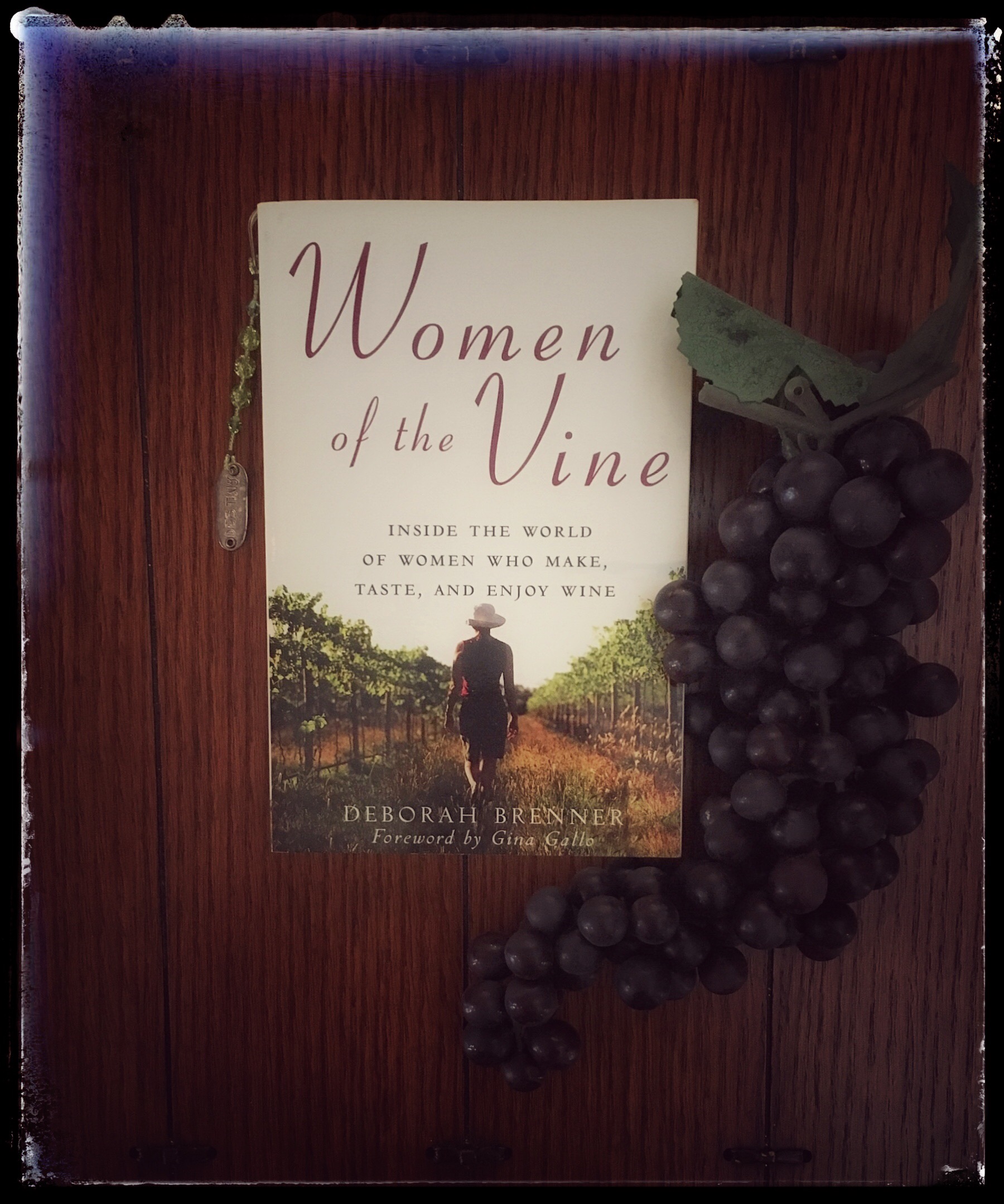
To honor International Day of Women and Girls in Science, I revisited Women of the Vine, an inspiring book by Deborah Brenner. In it, she examines a varied cross section of women who are making great strides in what has been, over centuries, a male dominated profession. 

Some of the women profiled came into their calling dynastically (Stephanie Gallo), some discovered their passion along the way ~ punching down the cap of discrimination  (Merry Edwards) to have a satisfying career, and one blended her love of science and unique ability to identify aromas and tastes (Dr. Ann C. Noble). 

To create exceptional wine that stands the test of time, it’s a marriage of science, instinct, wisdom, and perseverance. These women understand that very well. 

From sommelier to winemaker to marketing, to creating the wine aroma wheel, Women of the Vine gives an interesting perspective for all wine lovers, and also for girls studying science who may be looking for an alternative in science-based careers. 

Cheers! 

Pop! Getting the Fizz into Your Favorite New Year’s Sparkler


image

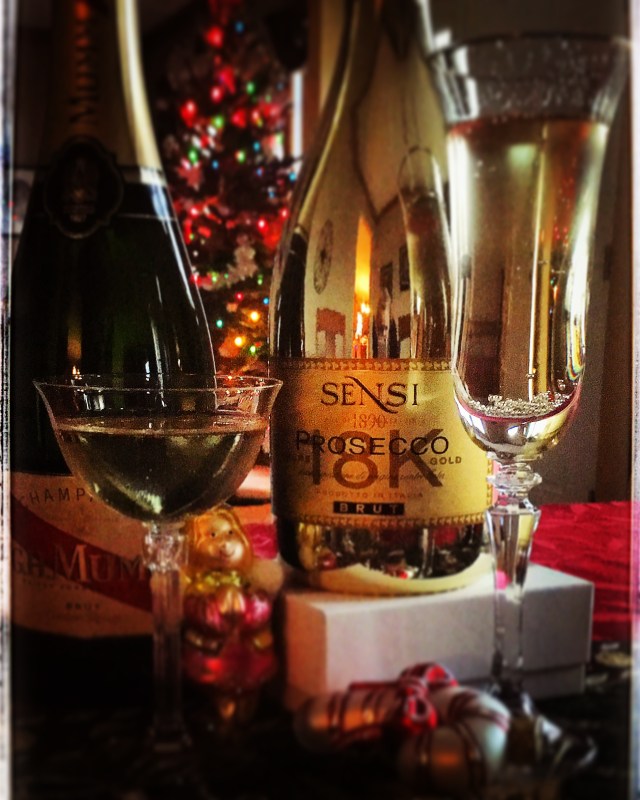
Your bubbly is chilling, the perfect glasses shimmer waiting for the strike of twelve and the pop of the cork. But what exactly makes your sparkling wine the effervescent delight you save for special occasions? The answer lies in the method.

The classic method is commonly used for the fermentation of sparkling wines, (Champagne, Prosecco, Moscato D’Asti and Cava). While many grapes are picked when the sugar content is fairly high, Champagne grapes (Chardonnay, Pinot Noir and Pinot Meunier) are picked earlier when sugar levels are low and acidity is high. The juice of the grapes is pressed off early to ensure little skin contact which keeps the wine white.The first fermentation occurs the same way as all wine, converting the natural sugar in the grapes to alcohol while the carbon dioxide is allowed to escape, producing the base wine. Because of the higher acid content, the wine at this point isn’t very tasty. The blend or assemblage occurs, using base wines from various vineyards and occasionally, vintages.

Primary fermentation begins as soon as yeast is added to the must (the freshly pressed grapes). And like a party of kids hopped up on pixie stix, in this phase there is a lot of activity; lots of foam, and crazy bubbling. The yeast at this point grows quickly because of the sugar, nutrients and oxygen. Up to 70% of the total amount of alcohol is produced during this phase which lasts about three-five days. This is known as aerobic fermentation because the fermentation vessel is left open to air.

When secondary fermentation occurs, there is no more oxygen and sugar is minimal which now makes it anaerobic fermentation, where air must be kept at a minimum. This allows the yeast to give its energy to making alcohol. Alcohol levels then rise to the point where any remaining yeast dies off. Secondary fermentation can last between one – two weeks and produces 30% alcohol. It’s the most important part of the whole process in making sparkling wines, it is the only way to produce a fully sparkling wine.

At this time it’s a mixture of still wine, sugar, yeast and a clarifying agent. It’s then bottled and then and capped with a temporary ‘soda’ cap to allow for the further addition of yeast and sugar. These components then react with one another, creating the fermentation inside the bottle. Fermentation then converts the sugar to alcohol and carbon dioxide, which is now trapped inside the bottle, infusing the wine with bubbles.

There are other ways that bubbles can be infused into sparkling wines:

  • Carbon Dioxide Injection ~ (the soda pop method)
  • Metodo Martinotti ~ pioneered by Federico Martinotti, and adapted by Eugene Charmot in 1907, and used specifically for Prosecco and Moscat D’Asti, secondary fermentation occurs in bulk tanks and is then bottled under pressure.
  • Methode Champenoise ~ effervescence is produced by secondary fermentation within the bottle as above but this is specifically used to produce Champagne.
  • Transfer Method ~ which takes the wine blend to bottle for secondary fermentation, which increases the complexity. but then transfers the wine out of the individual bottles into a larger tank after spending the desired amount of time on yeast.

So now that we’ve established how the bubbles get there, what is the difference between Champagne, Prosecco and Cava? Bubbles are bubbles, right? No. No they are not.

Here’s the basic break down:

Champagne ~France ~ Secondary fermentation occurs in the sealed bottle. Grape varietal(s)~ Chardonnay, Pinot Noir, Pinot Meunier. The flavors have a tendency to be more complex and rich. While it can be more expensive, many lovers of this sparkler wouldn’t have it any other way. They are very loyal to their bubbles and to their brand. Notable brands: Dom Perignon, Vueve Cliquot, Moet and Chandon, Pierre-Jouét.             $60-$300+. Moderately priced Champagne will run between $60-$80.

Prosecco ~ Italy ~ Secondary Fermentation occurs in the Martinotti-Charmot method: occurring in large vats and then being transferred to bottle once fermentation is complete. Grape varietal: Glera. Steadily gaining traction in the sparkly bubbles market, Prosecco is becoming well-known among Millenials who prefer a price-friendly, lighter, fruit-forward bubbler. LaMarca, Sensi. $14-$30.

Cava ~ Spain ~ Large vat secondary fermentation is the prime method for Cava. Varietals include: Macabeo, Parellada and Xarel-lo grapes. A lighter vibe (and price) is again why many choose Cava as an alternative sparkler to Champagne. Freixenet, Segura Viuda. $12-$20

Whether you choose Champagne, Prosecco,  Cava, or sparkling cider, I hope you have an amazing New Year’s Eve and a spectacular 2016!

Cheers!

©TheWineStudent, 2015

Tricks and Treats: my top picks for Hallowe’en ’15! 

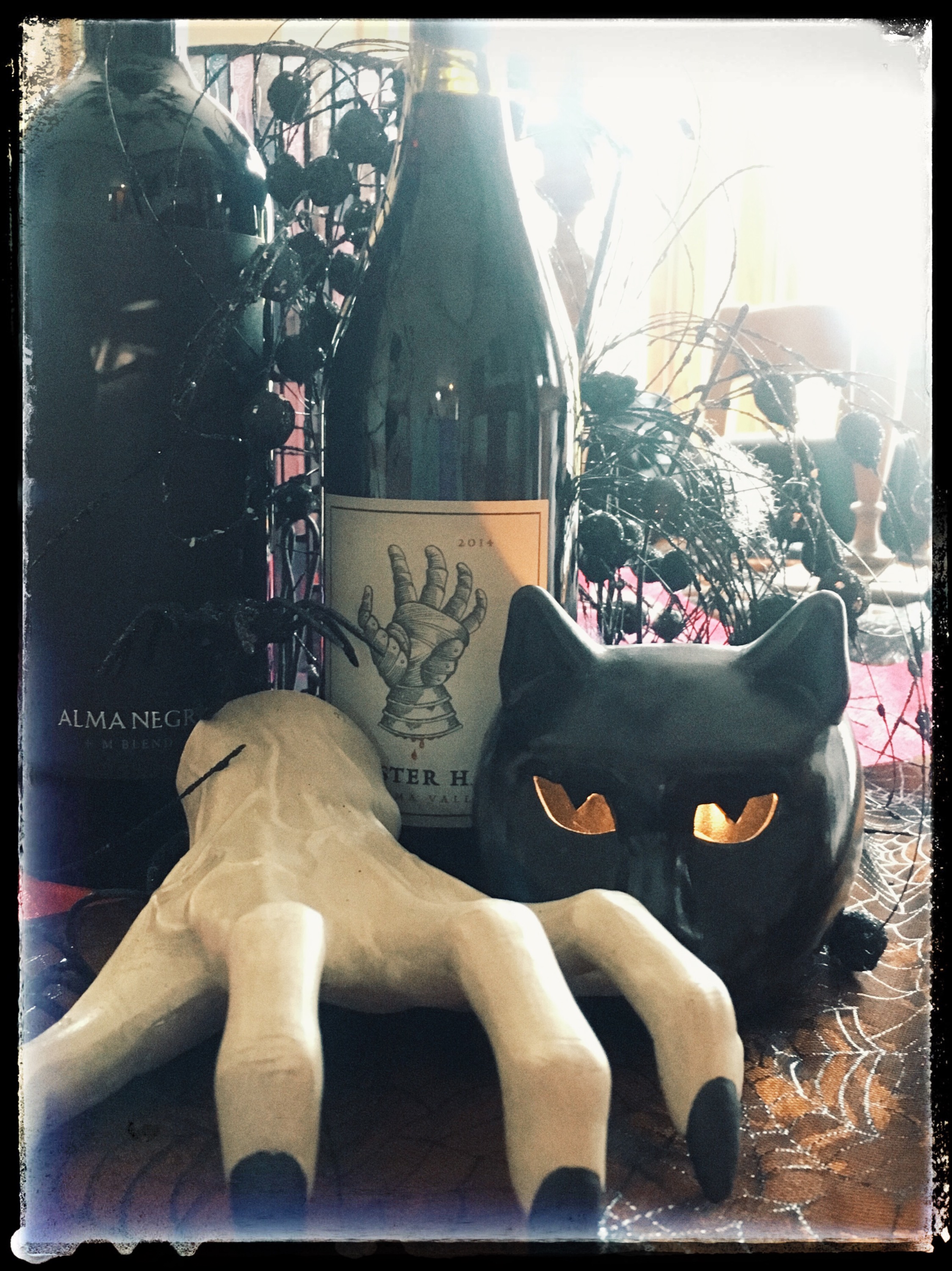
The witching hour is nigh! And to celebrate, I narrowed down my choices this year to two bewitching vintages. The label art had a little to do with it. But what was listed on the label was most intriguing.

I offer up to you, in no particular order (and also because I haven’t tried them… yet) ~ my top two Hallowe’en wine picks!

2012 Alma Negra M Blend (black soul) ~ a blend so mysterious, they don’t even list what’s in it! Which, frankly, is what piqued my curiosity. A little trip into the catacombs to research was indicated. Grape varietals in this blend are Bonarda and Malbec. Oh, the skeleton references i could make about Bone-arda (bad pun = everybody sip). Bonarda, described as the ‘workhorse’ grape of Argentina, produces large yields is lighter-bodied than Malbec yet fruit forward with flavors of cherry, plum with moderate acid and light tannins. This vintage was aged eight months in 50% American – 50% French oak barrels.
 2014 Sinister Hand ~ This spirited vintage, while young, is made in the Rhone style, blending Grenache, Syrah, Mourvedre and Cinsault. Prone to rot in damp conditions (think nasty zombie),  Cinsault thrives in hot appellations. When added to Rhone, it adds structure, perfume and softness, making this offering sound beautifully complex indeed.

Anyone who loves a good horror story can tell you, it’s not the simple tale that’s spine-tingling. It’s the one that builds, and has complex twists and turns that are the most satisfying.

The real trick for me will be to not rip into these treats before Hallowe’en!

Cheers! 
©TheWineStudent, 2015

Somm: Enchanted Evening

In most endeavors, practice makes perfect. To pass the prestigious yet painstakingly difficult Master Sommelier Exam, practice is as essential as eating and sleeping, both of which most candidates eschew in favor of studying.  Somm follows four men who risk their personal lives, their livelihoods, and most of their sanity trying to achieve the coveted position in the Court of Master Sommeliers. It sounds almost like a Dungeons and Dragons quest and in some ways it seems just as daunting.

The exam occurs only once a year and covers three main components:

  • Theory ~ wine laws and regions
  •  Service~ professional behavior
  • Blind Tasting ~ determining the varietal, vintage and exact appellation, etc. Etc…etc…etc…

Just watching them do the blind tasting alone got my head spinning; the rapid fire way they could describe the scent, flavors, nuances, color, mouth-feel and body was astounding. If it was up to me, I’d give them all a pass. It’s intimidating to consider that out of roughly fifty or so who take the exam, only about six pass. For those who don’t make the cut, it’s back to the massive boxes of recipe cards, and sipping, swirling, spitting and memorizing. Which in this doc, isn’t nearly as light-hearted and fun as it sounds.

The next time you’re in a restaurant and the sommelier wants to recommend a great wine, trust them. They’ve put in the hours, sweat and, yes, tears to help you make the best bets in choosing wines that will enchant your evening.

Cheers!

©TheWineStudent, 2015

Chills and Thrills!

I think the coast is clear. It’s now safe to put your patio furniture in its full lounging position. Summer has arrived in the Cleve!

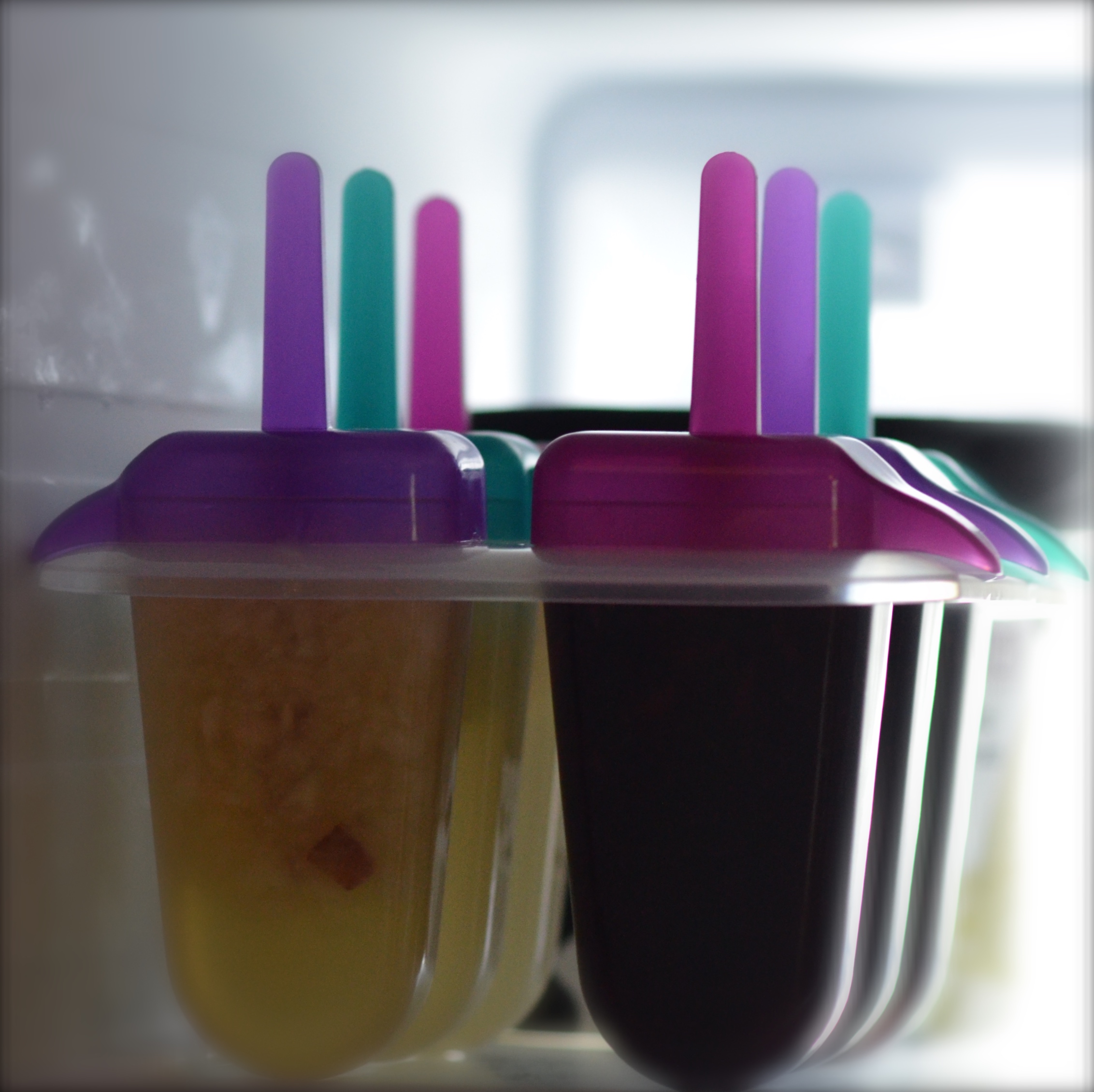
I can’t think of a better way to celebrate days when the mercury climbs, than running through a sprinkler or enjoying winesicles. I did some research and found many variations on the theme. The easiest two were from Bon Appetit magazine.

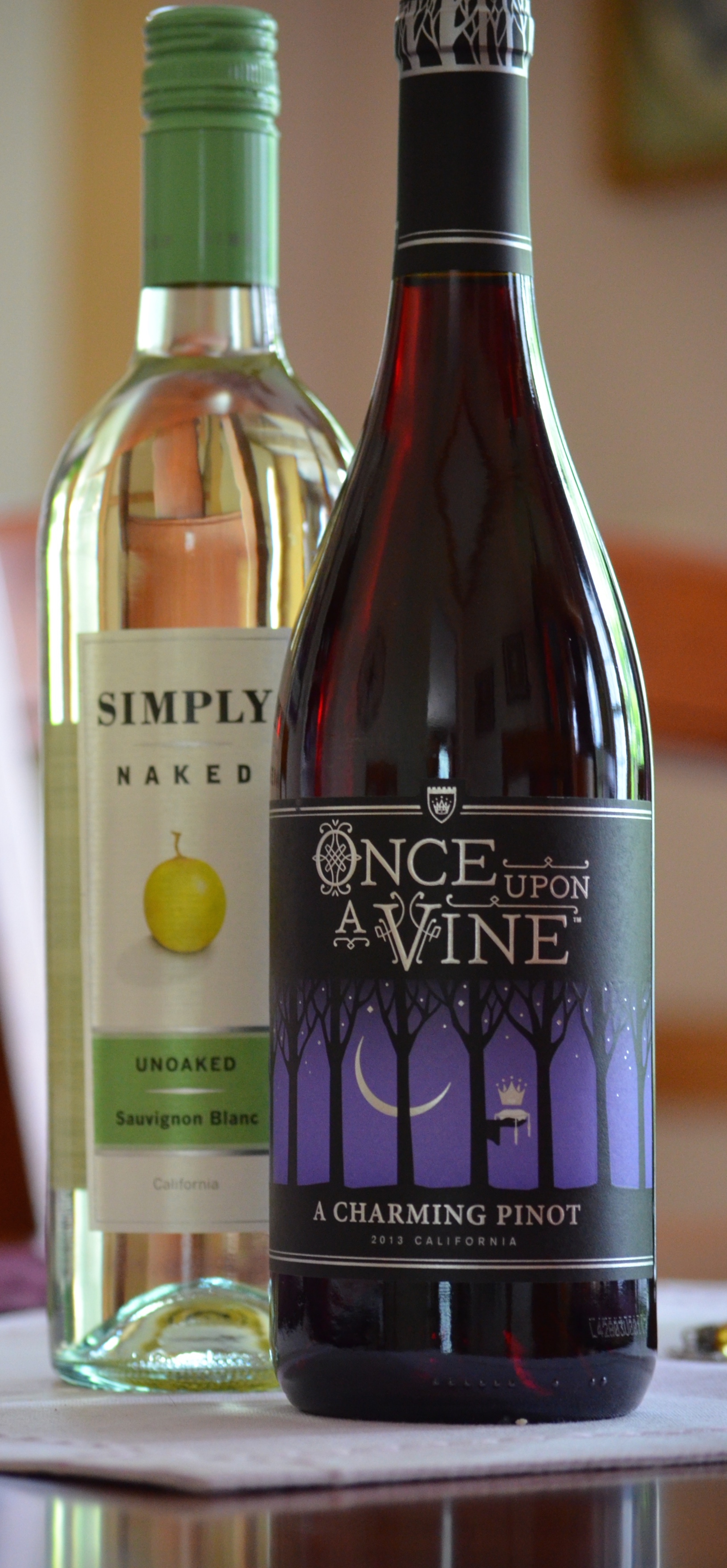
Here they are, complete with my substitutions. Instead of the suggested Kim Crawford Sauvignon Blanc and Pinot Noir, I used Simply Naked Unoaked Sauvignon Blanc and Once Upon a Vine’s 2013 Pinot Noir.

Sauvignon Blanc-Infused Yellow Peach and Vanilla Ice Pops

  • 4 oz organic dark cane sugar ( i used regular organic cane sugar)
  • 11-inch piece of vanilla bean, split lengthwise ( I used organic vanilla extract)
  • 3-4 overripe yellow peaches (I could only find white peaches)
  • 7oz Sauvignon Blanc

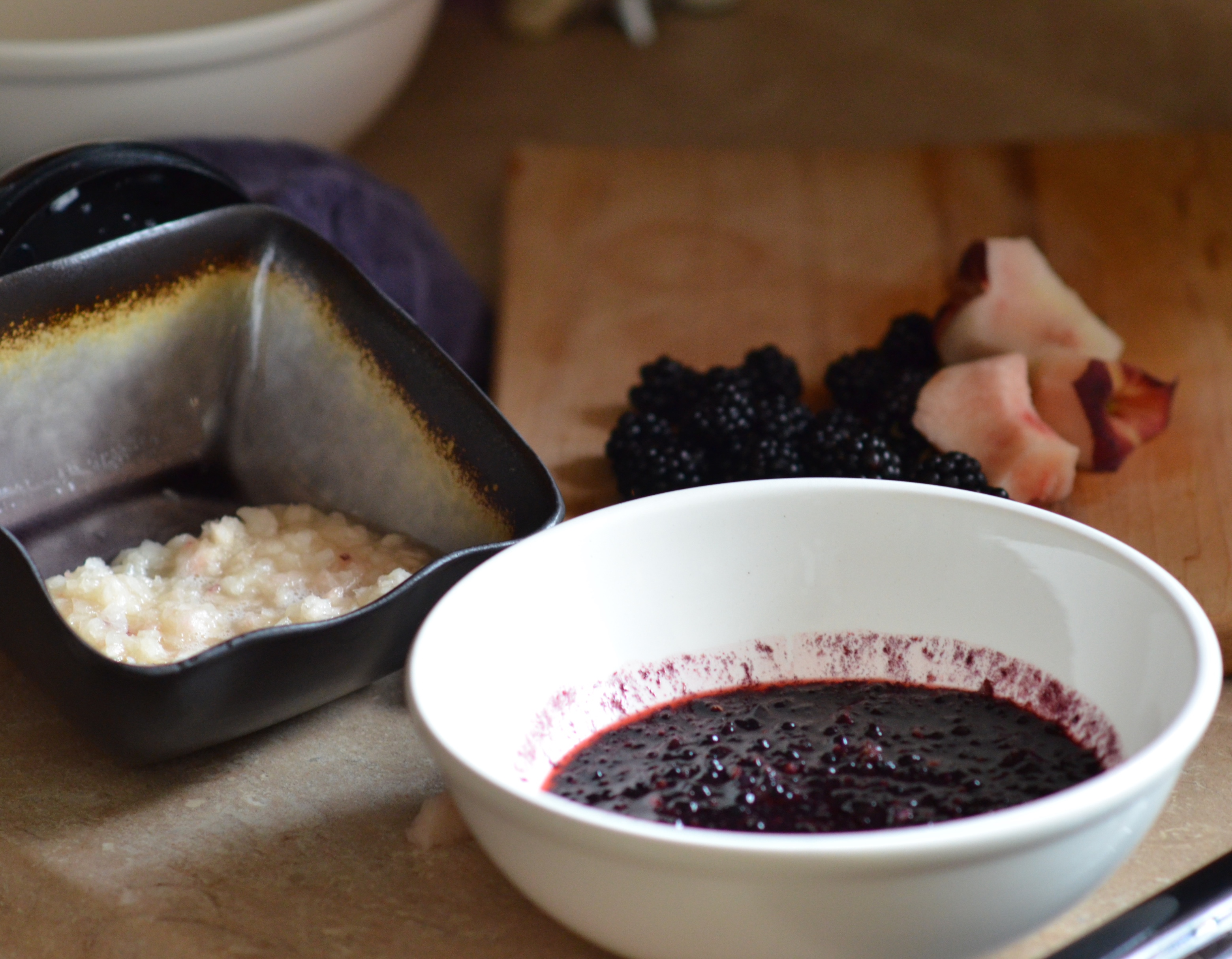
Combine sugar and 4 fluid oz water in a saucepan. Gently heat, while stirring, until sugar is completely dissolved. Remove from heat, add cut vanilla bean and steep for 15 minutes. Remove bean and allow syrup to cool completely.pureed white peaches and blackberries

Rinse peaches and pat dry. With paring knife, remove pits and stems. Lightly puree peaches, being sure to leave some texture, resulting in about 16 fluid oz. Combine puree with cooled vanilla syrup and Sauvignon Blanc, stirring well to incorporate.

Pour into molds, add sticks and freeze until solid (about 4-6 hours). Unmold and serve!

Pinot Noir-Infused Blackberry Ice Pops

  • 4oz organic dark cane sugar (again, I used regular organic cane sugar).
  • 11/2 pounds blackberries (about 5 cups)
  • 6-8 ounces Pinot Noir

Combine sugar and 4 fluid ounces water in a saucepan. Gently heat while stirring until sugar dissolves. Remove from heat and allow to cool completely.

Rinse blackberries and dry with paper towel. Lightly puree in blender.

Add 6 ounces of cooled liquid sugar, 6 ounces Pinot Noir and taste. If you like a stronger Pinot Noir flavor, add the remaining 2 ounces. I added a little extra Pinot to the mix and found it then had a more wine-based vibe, as opposed to a fruit-in-your-face essence. As with anything related to wine, it’s all a matter of preference.

Pour into molds, add sticks and freeze until solid (about 4-6 hours). Unmold, serve and enjoy!

A little of the Pinot Noir mixture was left over and I tasted it on its own. Wow! The consistency was like a warm, boozy compote and would be fantastic over vanilla ice cream or gelato. So much yum!

A bit about the wine you choose: many wine connoisseurs would shudder at the thought of putting their Pinots in the freezer. That’s why I purchased lesser priced wines; it’s ok to be cheap for these recipes. Any wines that are particularly nuanced or delicate will be lost in a winesicle so a skimpy budget can be your guide. With choosing the Sauvignon Blanc, I decided to specifically look for one that was unoaked. My thought being that the oak might be too strong in a sweet mix. Again, that’s just a preference.

Below, I’ve included two other recipes that seem amazing and I’ll try another time; my kitchen was messy enough!

If you happen to try them, leave a message in the comments; I’d love to know how they worked for you!

Red Wine Fudgsicles recipe via: abeautifulmess.com

  • 1 cup red wine
  • 1 1/2 cup dark chocolate chips
  • 1 1/2 cup milk

In a small pot, simmer wine over lo | medium heat for 12-18 minutes, allowing it to reduce. Remove from heat and whisk in chocolate until completely melted. Stir in milk and pour into popsicle tray and freeze overnight.

Champagne and Strawberry Popsicles  recipe via:bsugarmama.com

  • 1/4 cup water
  • 1/4 cups sugar
  • 2 Tbsps lemon juice
  • 1 pound fresh strawberries
  • 1 cup sparkling wine, Champagne, or Cava

In a small pot, add water, sugar, and lemon juice; bring to a slight boil. Boil for 5 minutes and until sugar dissolves. Set aside and let cool. This makes your simple syrup. Cut tops off the strawberries and slice them in half. With food processor, slightly puree strawbs. Put strawberries into a bowl and combine with the simple syrup and sparkling wine. Slightly stir until well incorporated. Pour the mixture in the popsicle molds and freeze at least six hours, overnight is best.

Combine any or all of these delish recipes with great friends, some cool tunes, and a slip’n’slide, and you’ve got yourself a good time.

Cheers!

©TheWineStudent, 2015

Birthdays, Blessings and a Glass of Biltmore

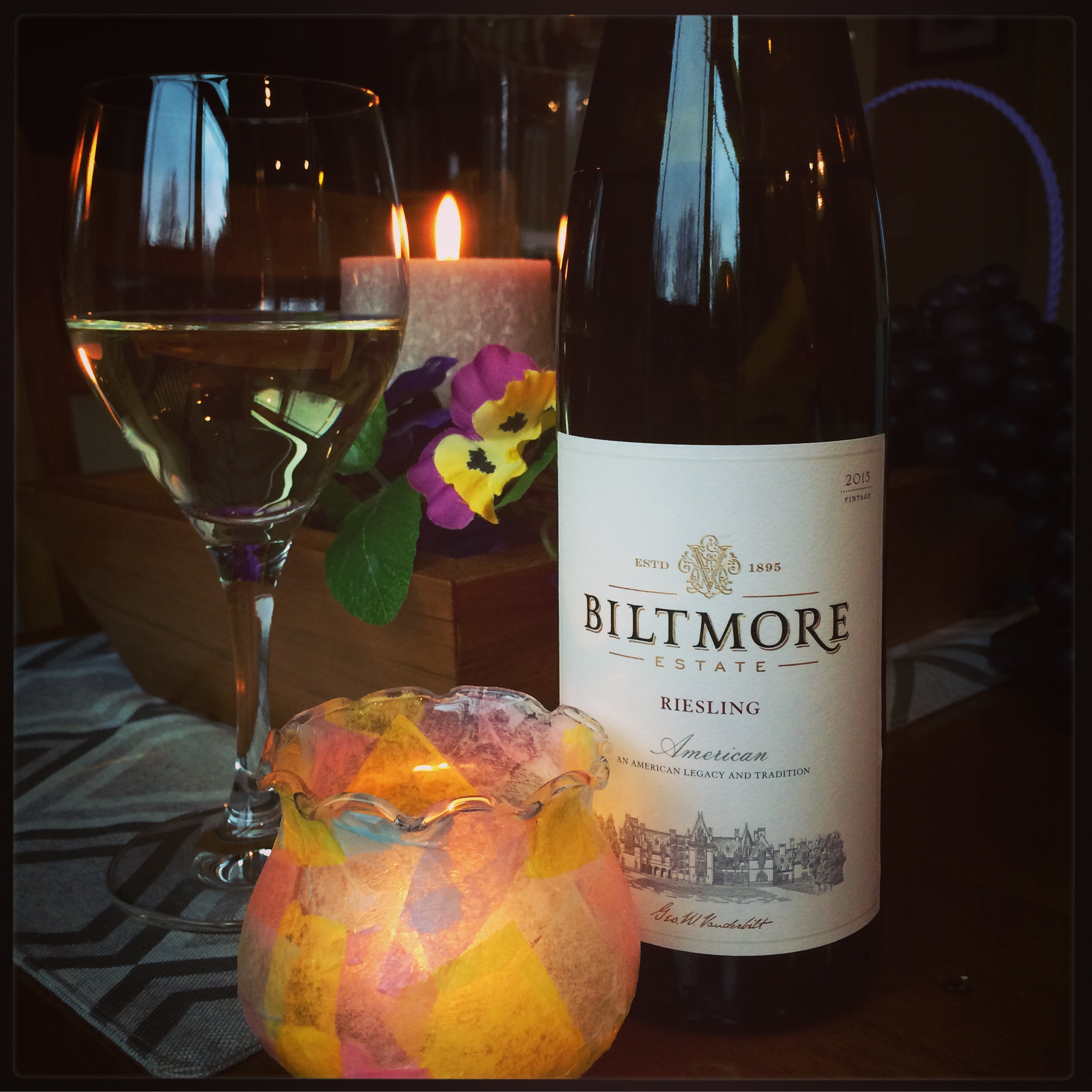
Lately, I’ve been writing about white wines on Wednesday but I wanted to push it back for a very special occasion. It’s my girl’s birthday. What makes it doubly special is that her day is also my late father’s birthday. I still celebrate with a toast to him. My sister used to make the joke that while she and our other siblings got him traditional birthday gifts, I gave him a grandchild. On that one particular April 16th, I got marks for creativity, and timing (I wasn’t expecting her debut until the 18th). And her birth had no other inducement than a warm bath and watching the movie Jerry Maguire. I wonder how many other births have been brought on by hearing Tom Cruise yell, “show me the money!”?

To toast the occasion, I wanted to find something that would pair a simple but spicy dish. Riesling came to mind. Instead of finding the traditional Alsace version, I wanted to find an offering that was closer to home. The 2013 Biltmore Riesling fit the bill. Cultivated on the Biltmore Estate in Asheville North Carolina, the combination of mineral rich, yet tough soil and cooler climates create the perfect environment for producing some fine, complex Riesling.

Qualities of Riesling ~

  • thrives in cool climates and poor soil ~ cooler climates increase its acidity which gives it the bright complex quality.
  • aromatic and floral. stone fruit vibe : apple, apricot, peach, pear. clean in taste, clear in the glass, complex aromas in more mature vintages including a gasoline (yes).
  • the compact bunches on the vine make it prone to noble rot (botrytis cinerea) which is actually a good thing.

Noble Rot serves two distinct purposes to wine:

  • It intensifies a wine’s sweetness while adding intensity and complexity. It does this by causing grapes to dehydrate while at the same time keeping sugar levels constant. Grapes affected by Noble Rot are more syrupy, sweeter and some may have a higher alcohol content.
  • It adds flavor ~ noble rot grapes have have higher levels of phenylacetaldehyde, an aromatic compound that can be described like honey, rose, or beeswax.

If you can say ‘phenylacetaldehyde quickly three times, you get to take a sip!

On the scale of dry to sweet, this Riesling tended to be more on the sweet-ish but with a distinctive spice finish. It was full-bodied with a honey-like, viscous mouthfeel. Subtle floral notes of stone fruit (apricot) were prominent on the nose. Paired with grilled chicken tacos, it brought out a nice spiced pear vibe that was most satisfying.

One of the things about enjoying a glass of wine is that it allows you the chance to sit back and reflect on times shared with those you love. It helps to slow the world down to savor the moment because, as I’ve found over the past few years, those moments can be fleeting. It’s hard for me to wrap my head around the fact that my daughter is growing up so quickly; and that my dad has been gone for almost five years. And while I miss him every day, I feel very blessed that he and his granddaughter will always share this day. There’s a beautiful continuity in that, and it fuels the belief that some blessings were meant to be.

Cheers!

©TheWineStudent. 2015

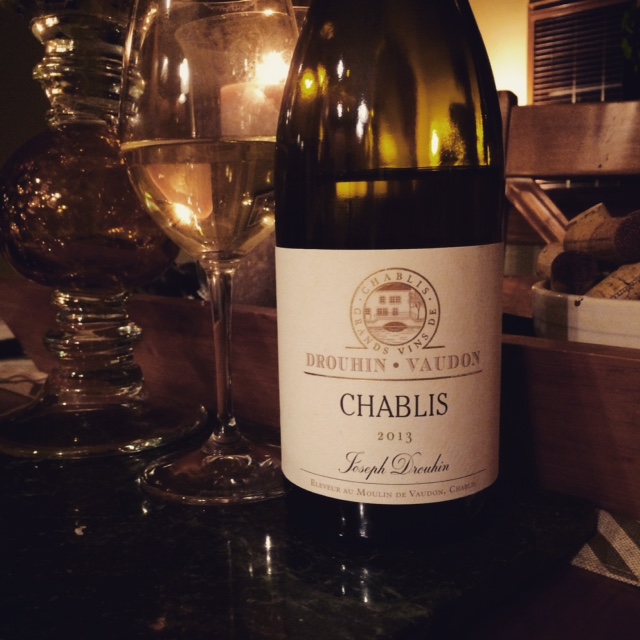
White Wine Wednesday: Chablis!

When I used to think of Chablis, I always had the vision of it being like Chardonnay’s little sister; always just too young to sit at the grown-ups’ table. And when I shopped for a white wine, I’d pretty much bypass it for some other (any other) alternative.  That was very short-sighted.

Produced in the Northern district of Burgundy, Chablis is comprised of Chardonnay. Cool regional climate produces a, dry,  higher acid, less fruity wine than its big sister. Chablis is generally less oakey, due to less time maturing in the barrel.

Chablis has three quality levels:

  • Petit Chablis ~ Produced on the outskirts of Chablis, varies in quality, is matured in stainless steel tanks and should be enjoyed young. It is the least expensive Chablis. Pair with cheese, cooked shrimp.
  • Chablis Premier Cru ~ Cultivated on the best site vineyards, Premier Cru comprises 1/4 of the total Chablis production. Pairing suggestion: unbaked: grilled or poached fish with buttery | creamy sauces. Naked: buttery seafood, crab, roast chicken. The acidity of the wine will help cut into the butter.
  • Chablis Grand Cru ~ Grown on west-facing hill directly above the village of Chablis, which allow maximum heat accumulation to grow and ripen the grapes. Both Premier Cru and Grand Cru Chablis spend some time maturing in oak barrels, but less time, generally, than traditional Chardonnay. Premier and Grand Cru chablis can be safely cellared for 10 years or longer. Pairing suggestion: roast veal, steamed or grilled lobster, heavy rind cheeses.

The flavors tend to be reminiscent of wet stones, stone fruit with a bit of citrus. It is pale yellow (almost green) in color, with earthy, savory rather than sweet aromas. Since the flavors are more subtle, it’s really important to serve it lightly chilled: 10-13C (50-55F).

So go ahead, invite the little one to dine with the grown-ups. You’ll find it to be a subtle and very interesting dinner companion.

Cheers!

©TheWineStudent, 2015

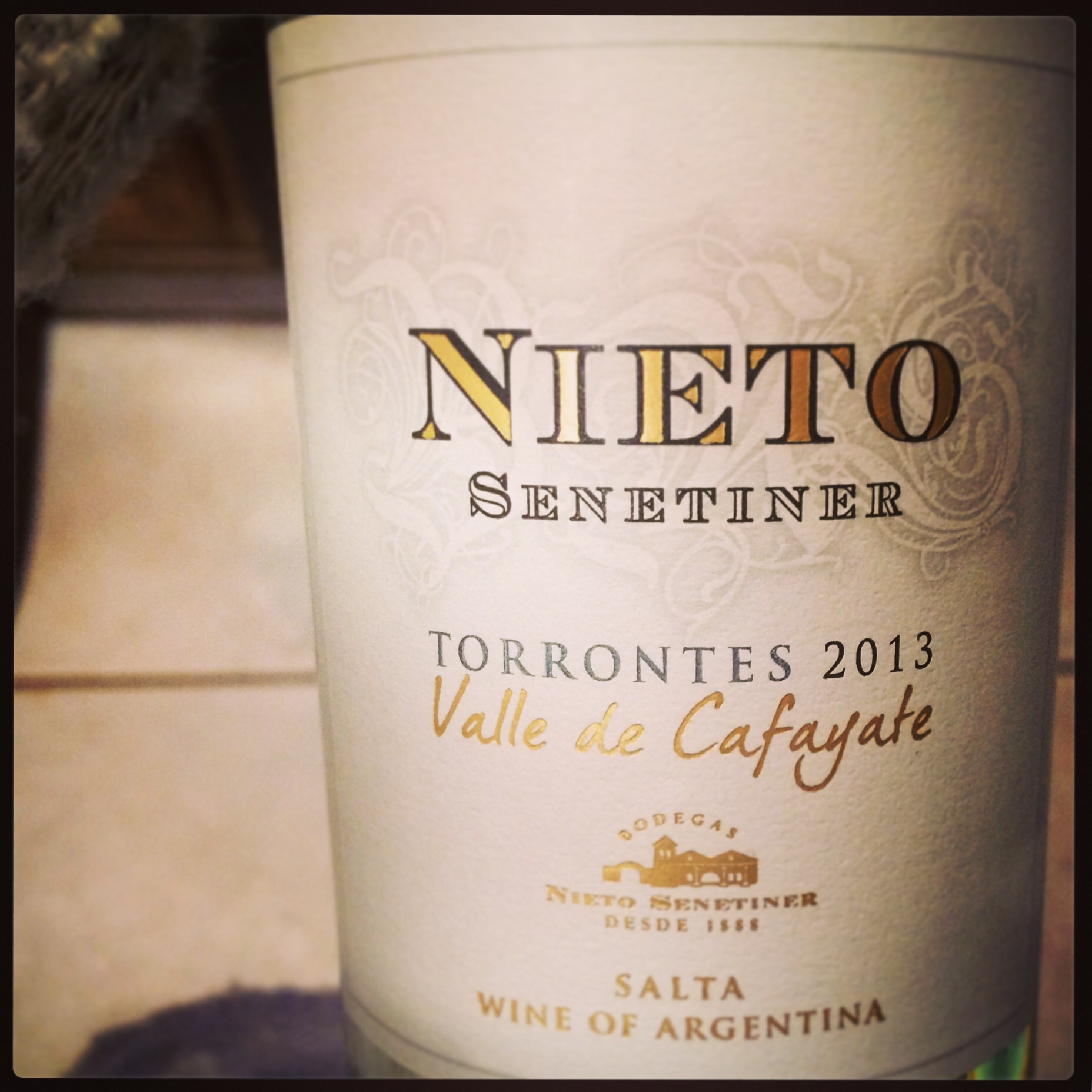
White Wine Wednesday ~ Torrontès

When I was buying white wine for a recent dinner party, I was looking for something with a bit of weight but different than Chardonnay.

Light and crisp with touches of peach and citrus, Torrontès is similar to Voignier in its structure (nice body but delicate ceatures), aromas and acidity. It is a uniquely Argentine white variety. Vineyards in the Cafayate Valley are situated in their own microclimate; approximately 9,800 feet above sea level, with scarce rainfall, creating the perfect environment for light, well bodied wine. Tasting notes suggest enjoying it young ( this was a ’13). And it is well paired with smoked meats, medium-strong cheeses, sea delicacies and Thai food. I paired it with soy- marinaded chicken stir fry with red and green sweet peppers. The soy brought out more of the spice on the finish that was refreshing and enjoyable.

Even though it’s bone chilling here in the Cleve, I wanted to break away from my omni- present reds. I love them but this lightish white was right. For tonight.

Cheers!

©The Wine Student, 2015

Double Bubble: Would You, Should You, Decant Your Sparkler?

When you try to catch bubbles in your hand, they burst. Every so often, you can find that delicate balance of keeping the fragile sphere intact for a millisecond … and then…pop! When drinking a sparkling wine, part of the fun is watching the bubbles catch the light, rise, and burst releasing the beautiful aroma. The idea of decanting a sparkler seems to be the opposite of what you’re trying to achieve by drinking it in the first place: the instant gratification of pop, fizz and sip. It’s a little like putting a hot dog on the end of a dog’s nose and making him wait; it delays the fun and you might end up with some drool on your floor.

But decanting might provide a practical way to get the most out of your sparklers. According to Cellarit.com, decanting sparkling wine, helps to soften and open up younger, non-vintage Champagnes. Quite often, your first glass ~ without decanting ~ may not be as compelling and rich. It may be served too chilled (limiting the aromatics) and may not have opened up enough on first pour to bring out the full flavors. Decanting may help to make your first glass as impressive as your last. For older vintages, many experts insist that decanting is simply not necessary; the wine, with all its depth, nuances and facets, will stand on its own. Only one pour is required.

But wait. Not just any decanter will do if you want to wrangle the bubbles. The lyre decanter is preferred since the pour is more gentle, allowing for the delicate release of the aromatics while preserving the mousse. The key is also in the actual pour into the decanter itself; too fast (rapid aeration) and you’ll quickly lose the effervescence. So be careful and take your time. Sparkling wines, especially Champagnes, are very delicate creations and need a little TLC before you enjoy them. Once decanted, Champagne should be consumed within thirty to sixty minutes to enjoy the conscious coupling of the effervescence and full flavor.

In the cover photo above, I am pouring in the worst way possible. Splashing around does not protect the sparkler but it made for a more interesting picture for me to shoot. I have learned my lesson and shall sin no more. My first resolution of the new year!

Flute, Coupe or … Chard?

As for the appropriate glass with which to serve, current arguments exist for and against a variety of shapes.

  • The traditional coupe Champagne glass (rumored to be shaped like Marie Antoinette’s breast) may have the right idea in terms of a better surface area to enjoy the aromatics but because of the width at the top, the wine quickly loses effervescence.
  • The flute is designed to keep the bubbles in tact and many have a small etching in the bottom to highlight the journey of the bubbles up to the top ~ it’s what gives the ‘necklacing’ effect that’s so pretty. But what you gain in beauteous bubbles, you lose in true appreciation of the wine essence; it’s difficult to get your nose into the flute to experience the subtle aromas.
  • The classic Chardonnay or White wine glass, is gaining more appeal for experts who maintain that the larger shape, and delicate taper, provides more surface area for the fragrance of the Champagne to truly open and display its brilliance. But because there is a larger bowl and no unique etching (it’s not needed for non-sparkling wine) bubbles burst much more quickly. In other words, you get more steak, if you will, but not as much spectacular sizzle.

The choice is yours, ultimately, and there is a vast variety of glasses to suit whatever taste, budget and reason for drinking Champagne and sparkling wine.

I do not have a Lyre-shaped decanter at my home. At $600 a pop, that may be a purchase down the road, but I will try decanting my Champagne tonight, anyway. As any good student will tell you, the fun is in the experimenting. And like the puppy with the hot dog on his nose, I will wait patiently…and try not to drool on the floor.

Whether you decant your Champagne, drink it out of a Chardonnay glass, flute, shoe (yuck) or paper cup, I wish you all a safe, happy New Year’s Eve, and the very best in 2015!

Cheers!

©TheWineStudent, 2014