Love & Gratitude: a Holiday Meditation

The upcoming holidays can be crazy busy (just drive by your local grocery store parking lot try not to shudder). It’s easy to get lost in the frantic chatter permeating so much of where we go and what we do. It’s easy to lose sight of the point.

Is the point to drink wine? Well, in part, yes. Because when you open a great bottle, it’s a like a little meditation. It begins with the twist of the corkscrew (or cap). Next the scent is released, then the gentle cascading pour into your glass sends a signal to the brain that it’s ok to slow down and just be in the moment. You breathe again and delight in the visual of the wine as it settles into the glass – you can get a little lost in its deep ruby color. You swirl, and then sniff – breathing in…and out. Maybe you do this a few more times as the wine opens. All this euphoria and you haven’t even had a drop to drink. Yet. Very meditative indeed.

Part of the fun of holiday wine is in the choosing. So many are out there but not to worry, you’ll find the right one. And even if you don’t, it’s all good. For all the posing that can happen with wine, there really are no wrong answers. Trust yourself.

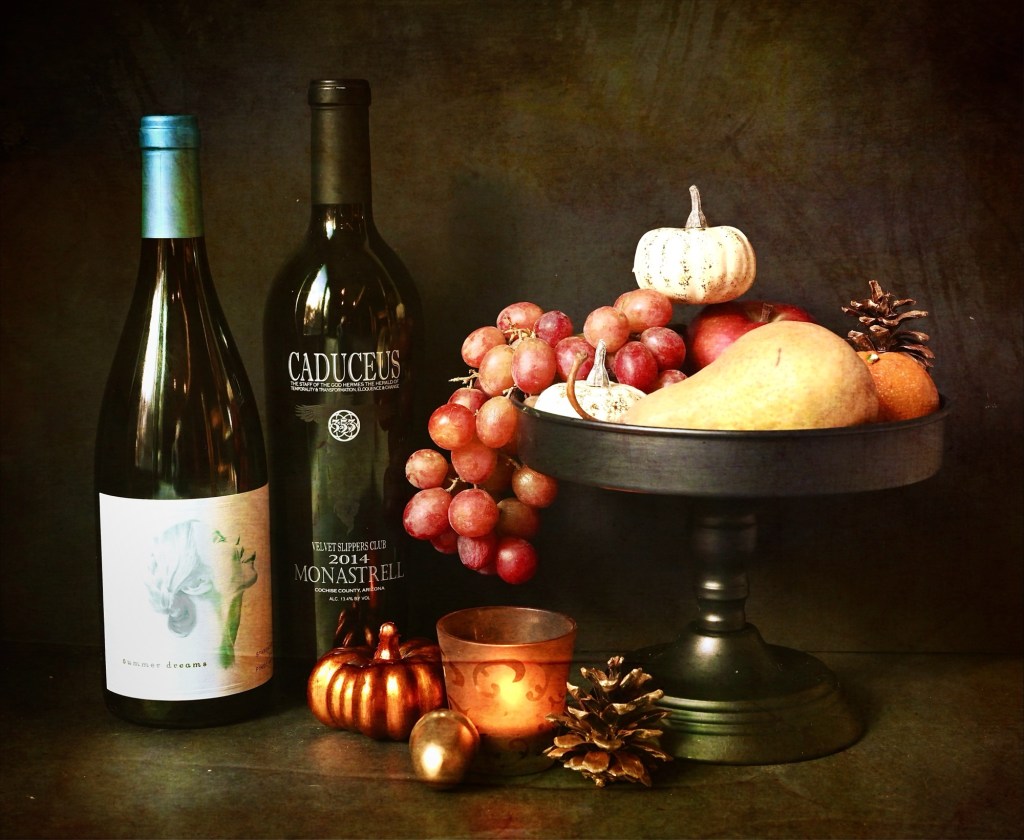
For this year’s Thanksgiving holiday, we’ve chosen two wines that have been resting a while in our wine rack and now need to be enjoyed.

2021 Summer Dreams Stargazing Pinot Noir – This Pinot was a natural choice (HubbyDoug’s favorite wine style) and a great dinner partner for a traditional Thanksgiving meal. Nurtured in select vineyards from the Western Sonoma Coast, this is a beautifully nuanced, cooler climate wine. Cooler climate wines do not equal ‘meh’ or ‘ho-hum’; far from it. This is where a Pinot’s true beauty is often revealed . The Whole berry fermentation of this wine brings complexity and vivacity to its subtle nature. Flavors of dark fruit and berries, cherry pie and violets, along with a little allspice round out this profile. It’s a great traditional choice.

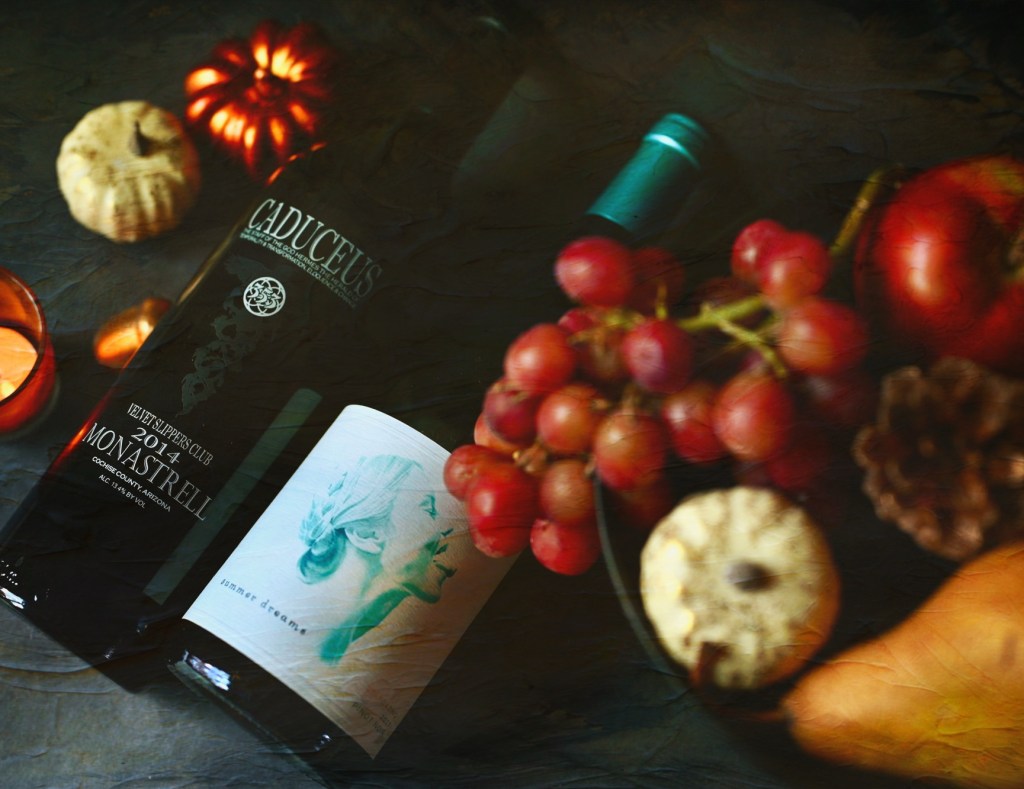
2014 Caduceus Monastrell With its bold flavor profile, this could be called an ‘interesting’ choice for Thanksgiving dinner. Some skeptics might say that it’s way too overpowering. Monastrell (also known as Mourverdre) puts the ‘M’ in GSM wines. Typically, this can be considered a heavy hitter of wine; full bodied and tannic with deeply smoky, with flavors of blackberry bramble, tobacco, cocoa, black pepper. It pairs well with foods that reflect that: Barbeque and smoked meats. Think beefy Texan cookout rather than turkey with trimmings.

But part of being a wine student is the experimentation. My holiday table is my lab! And since there are no wrong answers in wine (lol) we’re giving it a try.

We discovered this Caduceus Monastrell on a trip a few years ago to Jerome, Arizona. We loved the rich and bold flavors of this wine and it was cool to try Monastrell on its own. Typically, it’s part of the GSM triumverate, blending beautifully with Grenache and Syrah.

Winemaker Maynard James Keenan, drummer and frontman of the bands Tool, A Perfect Circle and Puscifer, is a very hands-on vineyard owner; selecting the grapes himself and participating in the creation of his wines. His style involves both open top (which allows better temperature regulation, builds stronger yeast with more oxygen exposure, and the natural cap from the skins provides protection from outside elements) and submerged cap fermentation. It is then puncheon – aged (a larger cask that imparts little flavors from the wood) for 18 months in new and neutral French Oak. This ensures the purest expression of the wine with only the most subtle characteristics from its wooden casing. Powerful vino. I’m excited to taste what happens.

No matter what the outcome of our holiday wine experiment, it’ll be fun! We will meditate on both wines’ qualities and strengths.

The holidays are a wonderful time to reflect, to visit with family and friends; to give thanks and gratitude for the blessings we have.🧡

May you all have a safe and happy holiday season. And be sure to stop, breathe and savor each moment along the way.

Cheers!🍷

©️Copyright. The Wine Student. 2025
Mindful Drinking

Our opinions and attitudes towards alcohol and drinking are often formed from a young age. Watching our parents and relatives’ relationships to alcohol often shapes how we think about, and interact with it throughout our own lives. It may fall anywhere along the spectrum; a casual, occasional drink after work, to extreme party mode where one drink leads to another, then…beyond. Before you know it, some bad decisions are made, followed by deep regret, an Advil, an ice pack, and a solemn pledge to ‘NEVER drink again’ (an oath always made in the harsh light of a hangover).

Society itself has placed drinking in two very clear categories: a main ingredient in having a good time or the potential for serious trouble.

But it doesn’t have to be this extreme.

We know about Dry January & Sober October challenges, which are solid ways to reset after holiday fun, food and drinks. But do we have to go completely dry? It depends…

Mindful drinking takes us to a more meditative place. A place where we can stop and think about not only what we’re drinking but how we’re drinking.

Often drinking becomes almost a default action; one drink tastes like one more and then one more. Mindful drinking allows us to take a breath and a moment to reevaluate our relationship with alcohol; recognizing the reasons for, and consequences of our drinking behavior.

So What Exactly is Mindful Drinking?

Mindful drinking is a shift in consciousness centered between a proactive choice to pursue a healthier lifestyle without having to completely give up drinking. Sober curiosity is another term meaning actively tracking and managing your drinking behavior. More and more attention is being paid to this on social media creating a groundswell of participation and activity. Each sober curious influencer has a story to share. The beer, wine & spirits industry is paying attention: they’re creating more and more lo-alcohol products, and sponsoring a steadily increasing number of dry events. Join the buzz without getting a buzz!

But rather than going cold turkey, mindful drinking is the ability to create space for real change – physically, mentally and financially. It helps pull focus to health and wellness rather than deprivation.

Benefits of Mindful Drinking:

Improved sleep – alcohol can disrupt deep sleep, causing you to wake unrested, and tired. Cutting back, and stopping drinking at least two hours before bedtime can improve your quality of sleep.

Anxiety Reduction – High alcohol consumption causes hormonal imbalances that can increase anxiety. Decreasing about 30% drinking within 30 days can lead to reduced anxiety, and better sleep.

Lower blood pressure – Cutting back to a per day total of 1 drink (for women) and 2 drinks (for men) can help decrease both systolic and diastolic blood pressure.

Healthier liver, healthier brain – modest lower alcohol intake can lower fat build up in the liver, and increase focus and clarity in mental energy, higher cognitive performance and greater motivation.

Weight Management – With an average of 125 calories per drink, a small reduction in alcohol intake can make a big impact.

How to Begin:

Often we find ourselves in social situations where we want to cut back drinking but old habits can die hard. Here are some tips to help keep you on track.

Be kind, yet decline – have a plan and stay with it.Even if you’re offered another drink, politely decline. If you get lots of questions from friends, (and, at first, you will) thank them and redirect the conversation. Drinking is a personal choice, no one should feel ashamed of refusing a drink, even with close friends or family. Keep your goals a priority.

Be aware of triggers for unhealthy drinking – sometimes social or family events can bring on unsettled feelings triggering the need to overindulge. Mindful drinking can help us recognize those triggers so we an be empowered to make conscious choices about our drinking habits even in sticky situations.

Alternate with water – 1:1 ratio – this can become a consistent, positive habit; always having a large glass of water between drinks.

Taste the drink – often, we don’t slow down to truly enjoy what’s in our glass. Take a moment to really see how it looks, smells and tastes. Sip slowly, considering the flavors and nuances of what you are drinking, and enjoy the experience.

Aim for small wins – focus on what you can do. Setting a goal of cutting back one drink per event is attainable rather than setting an unrealistic goal, and then feeling overwhelmed. Slow and steady wins this race. And you might occasionally indulge a bit more than you wanted. It happens. Just be kind to yourself, set your goal for the next event, and don’t give up.

As you head into party season, being mindful of how you drink can help make your holiday celebrations (and the morning after) a little brighter.

Cheers!

©️Copyright. The Wine Student, 2024

Cool for the Summer: Avaline Rosé 🩷😎

I think we can call it official – summertime is here!😎🥂

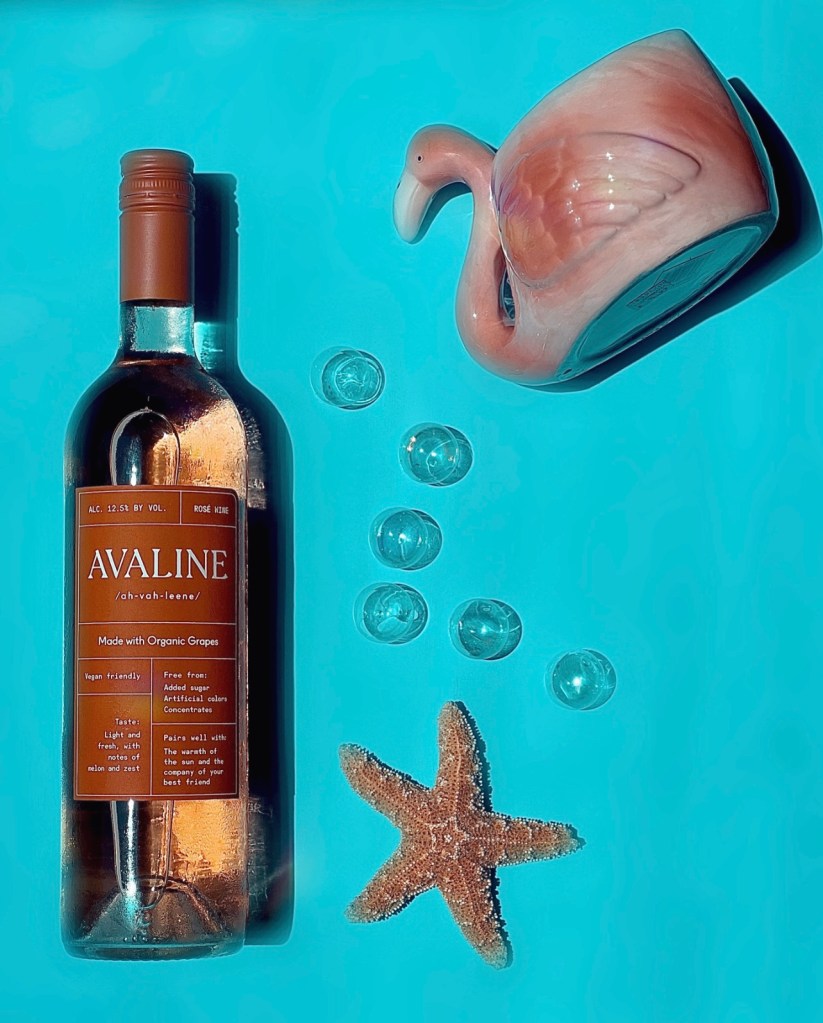
And when that mercury starts to climb, we want less heat and more chill in our glass. A clear choice to beat the heat this season is Avaline (ah-vah-leene) Rosé.

Cameron Diaz and business partner Katharine Power bonded over both a glass of wine, and a shared philosophy: to make great quality wines that are purely organic. They partner only with growers who share their commitment; using only natural methods to create wines from 100% certified organic fruit, with zero synthetic pesticides. No artificial colors, refined sugars or additives are present, and transparency in all winemaking, and labeling, is key. Current regulations do not require nutritional/ingredient information on wine labels. Other than the percentage of alcohol and short varietal list, most of us don’t always know what’s in our glass. This is something Diaz and Power wanted to highlight.

With respect to sustainable winemaking, their sourced vineyards are generally lo-irrigation, or they are dry-farmed, relying only on rain water to provide moisture. With water shortages becoming globally prevalent for growers, decreasing fresh water consumption has become a necessity.

Benefits of lo-irrigation and dry-farming are many: it’s an environmentally responsible choice, and produces more intense flavor in the fruit. Like all things, balance is important. Dry- farming is best with well-established vines that have deep root systems. However, it can take years before this happens. Vines that have regular irrigation tend to have more shallow root systems – they don’t have to work as hard to find their water source. To coax the younger vines into strong fruit producers, sometimes low irrigation, only when needed, is essential.

Avaline Rosé, a Vin de France wine, is cultivated in Provence by Famille Negrel wines. Their vineyards are lo-irrigation, adding moisture only when necessary, especially if the crop is in danger. Chickpeas are grown on site to provide vital nitrogen to the vines. Their vineyards are certified organic by ECOCERT.

Sometimes rosés can taste watered down, as though the crop had too much rain at harvest. Others taste as more heavy-handed, trying too hard to be flavorful. This wine, with its blend of Cinsault, Grenache, Cabernet Sauv, Syrah and Caladoc is flavorful, fresh and well-balanced.

Tasting notes:

Flavors of honeydew melon, orange zest, cardamom/ginger spice, and tart white peach lingered gently on the finish. Ethereal and delicious, and possessing a light-bodied, yet lingering mouthfeel.😙

A 5FL OZ pour was 107 calories, 2.6G carbs and zero fat (says so right on the label).

Ok, my pour was a little larger than that. 😉

See you on the patio!⛱️

Cheers!

©️Copyright. 2023. The Wine Student.
Field Trip: Biltmore Estate Winery🍷🏰

Visiting the Biltmore Estate is like taking a journey back in time. An awesome example of both architecture and design, its esthetic influenced by the great chateaux of France.

Click the video below to tour with me!👇

We’d originally planned this trip with our friends Carl and Deb, in May 2020… and we all know what wasn’t happening then. So it was wonderful to finally have all our schedules reconnect!

When I first researched Biltmore, I was pleasantly surprised to learn about their winery. Documents dating back to 1916 show that George Vanderbilt had begun collecting wines for his cellar. Jump forward to the early 1970’s, William Cecil, George Vanderbilt’s grandson, established vineyards on the property. The first Biltmore wines were made available for sale in 1979 under French winemaster Phillipe Jourdain’s direction. In May 1985, Biltmore Estate Winery opened its doors to the public for tours and tastings. Building on the original French-American hybrid plantings, Jourdain planted additional vinifera varietals to ensure the future of their wine cultivation.

Sharon Fenchak joined Biltmore in 1999, eventually becoming winemaker in 2003, then head winemaker in 2018, further crafting on the foundations laid out by previous winemakers, Jourdain and Bernard Delille. She now oversees an annual production of approximately 150,000 cases.

Situated in the Blue Ridge Mountains, at an elevation of 2,500 ft, growing conditions in this part of North Carolina can be challenging, especially with rapidly fluctuating temperatures during growing season. Days here are warm yet humid, with cooler nights, a high incidence of rainfall, and risk of late-harvest frost. This combination makes growing more delicate varieties difficult. Heartier varieties flourish here. Polk County, just south of the estate, has a lower elevation and a ‘thermal belt’ micro climate, reducing the risk of damage to the fruit.

Locally sourced wines include robust varietals including Chardonnay, Cabernet Sauvignon, Cabernet Franc, Petit Verdot, and Merlot. Their Biltmore Reserve NC Rosé is a home-grown, balanced blend of heartier Cab Sauv and Cab Franc of both estate and lower elevation North Carolina vineyards.

To produce a wide array of offerings, grapes and juice are sourced from not only North Carolina but California and Washington. Their American Series wines reflect this diversity.

The winery also maintains a commitment to sustainability; using locally sourced water from nearby Long Valley Lake, and recycling their plastic, glass, paper and steel. Adjacent to the Winery, is a nine-acre, 1.7 megawatt system that includes more than 7,000 solar panels to help counterbalance estate energy usage. Grape byproducts such as crushed stems and skins are used for mulch and compost. Retired barrels become planters and used corks are repurposed as wine racks to display their wines in retail stores. Biltmore has also partnered with Cork Reharvest and the Cork Forest Conservation Alliance to reuse corks and help decrease the depletion of cork trees. Visitors are encouraged to drop off used corks at the winery, all estate restaurants, and Whole Foods stores throughout North Carolina.

Out of town? You can mail your used corks to:
Biltmore Estate Wine Company
Re: Cork Recycling
1 North Pack Square
Asheville, NC 28801 👍

We tasted some wonderful wines on our tour but here are the three we took home:

2021 Biltmore Estate Grenache Blanc

My pick: The 2021 Limited Release Grenache Blanc. While it’s not from indigenous grapes, I loved the bright, refreshing and flavorful alternative to Rosé. I’m used to grenache as a lovely red so this was a treat. a nice, bouncy alternative. Tropical flavors of banana, melon, citrusy mandarin, and a light, playful mouthfeel. I can’t wait to pair with some delicate cheeses, fruit or charcuterie.

2020 Biltmore Estate Tempranillo

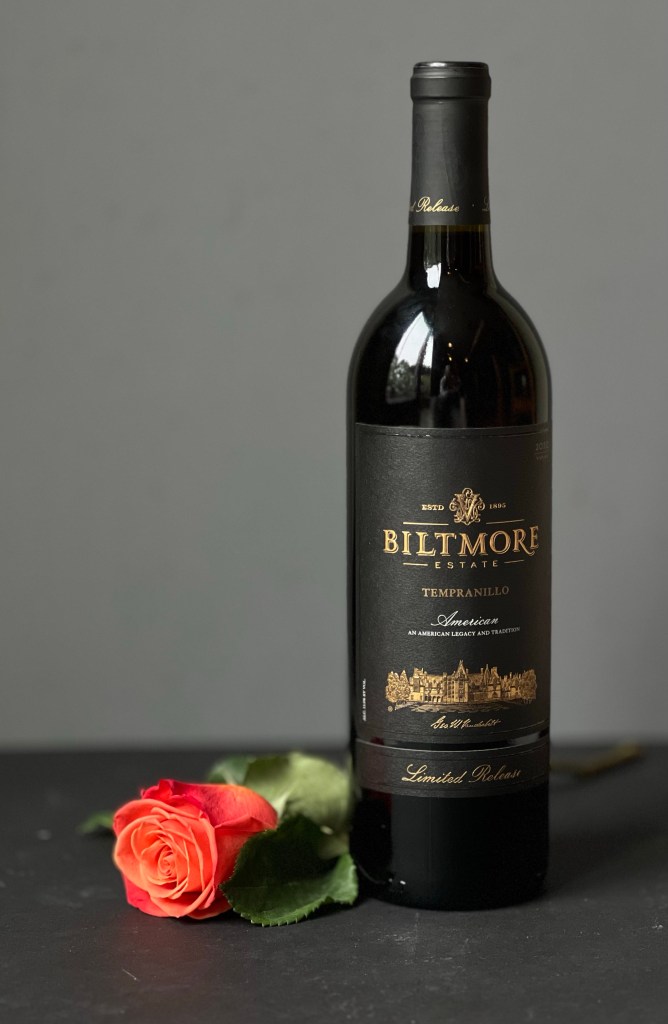
Dougie’s pick: The 2020 Limited Release Tempranillo. American Appellation with flavors of dark fruit, fig, and nice grippiness from the tannins. Aged 16-20 months in oak.

13% alcohol. $24.00

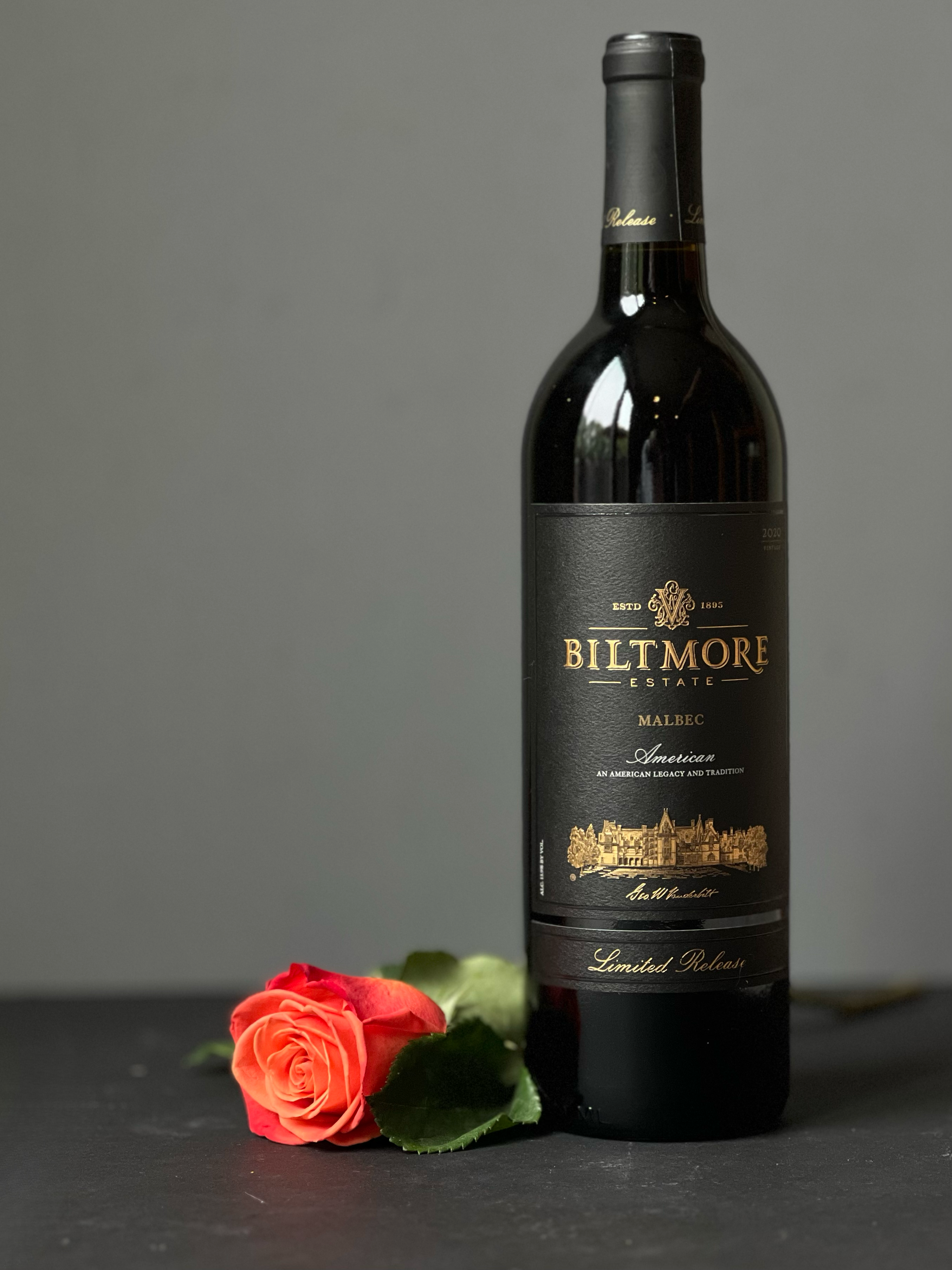
2020 Biltmore Estate Malbec

Our pick: The 2020 Limited Release Malbec. Something fun for Malbec Mondays! We haven’t had Malbec in some time so this was a nice change from our go to Pinot Noir. Rich blueberry, blackberry and plum with a hint of spice on the finish. Also aged 16-20 months in oak. It’s one to savor slowly and enjoy with maybe a nice beef brisket. Yum!

13% alcohol. $ 22.40

The best part about the trip was finally reconnecting with our friends again, and to take a little step back in time. ♥️

Biltmore is definitely worthy of a place on your bucket list; and the wine makes it even better!

Cheers!🍷

©️Copyright. 2023. The Wine Student.
Dry Spell

The last of the holiday treats are gone, and you feel like you need to take a little break. You’ve decided to embrace Dry January. Good for you! In your quest, maybe you’ve noticed a few alcohol-removed, dealcoholized or non-alcohol wines on the shelves of your local store.

Although the tipsy factor might not be there, alcohol-removed red wines, like their boozy cousins, contain resveratrol, a powerful anti-oxidant contained in the skins of red wine grapes.

Here are some other health benefits of drinking dealcoholized red wine:

• Decreased risk of cardiovascular disease

• Decreased risk of cancer, inflammation, diabetes

• Decreased blood pressure

• Less calories than regular wine

• Decreased passing out while binge-watching your favorite show and missing the best part

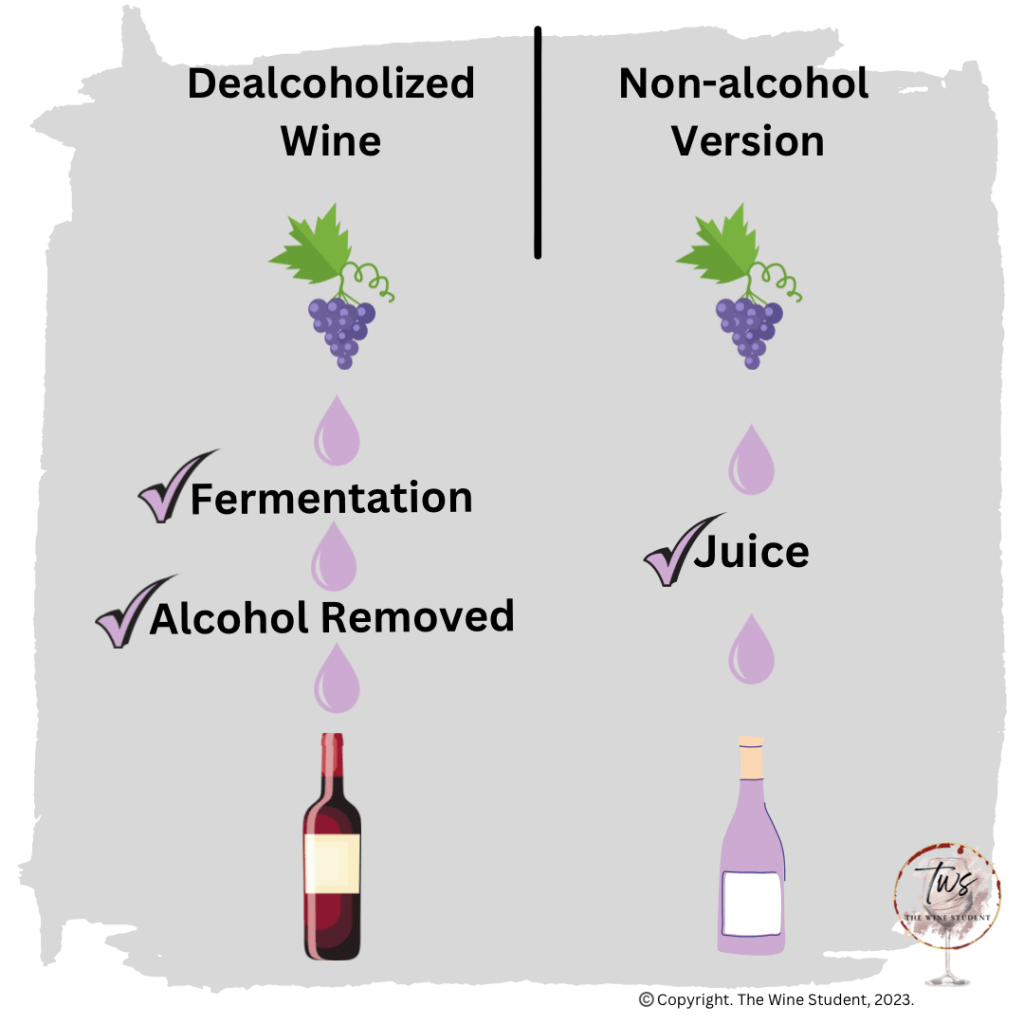
What’s the difference between dealcoholized and the non-alcohol version? Dealcoholized wine has gone through the traditional processes of winemaking: fermentation – which ensures skin contact, and turns grape juice into wine. The alcohol is then removed before bottling. Non-alcohol vino goes straight from juice to the bottle with no fermentation.

Still, it can be a little confusing when you’re searching for these wines. So check the label.

On the front, look for the term ‘alcohol-removed wine’. The back will have a nutrition facts label, and the terms ‘contains less than 0.5% alcohol by volume’ and dealcoholized wine’. Some non-alcohol offerings simply state “wine alternative” which means it is juice that hasn’t been fermented.

So how do you take alcohol out of wine?

Here are three methods:

Spinning Cone Technology:

Freshly fermented wine, made in the traditional way, is poured into the top of a spinning cone column. Rotating cones transform the wine by centrifugal force, and turn it into a thin filmy liquid. Nitrogen gas is then fed into the bottom part of the column to extract flavors and aromas of the wine, and to prevent the wine from oxidation. The remaining liquid is passed through the column again to remove the alcohol. Flavor and aroma essences are then recombined with the dealcoholized wine, and blended with unfermented varietal grape juice to replace any lost volume. This creates a wine with less than 0.5% alcohol by volume. The entire process is done repeatedly and at low temperatures.

Vacuum Distillation:

Similar to spinning cone, traditional winemaking occurs before the alcohol is removed by extracting off the alcohol at a low temperature in a vacuum, keeping the wine’s flavors and aromas intact. Once the alcohol is removed, the essences and flavors are mixed back in.

Reverse Osmosis:

We’ve heard about this for water purification; in winemaking the process is the same. Wine passes through a very fine filter that water and ethanol pass through. The ingredients of wine, such as tannins, and other elements responsible for color, flavor and aroma are left behind.

According to liquor.com, here are some of the more popular alcohol-removed wines:

Best Red:

Ariel Cabernet Sauvignon – $32.45

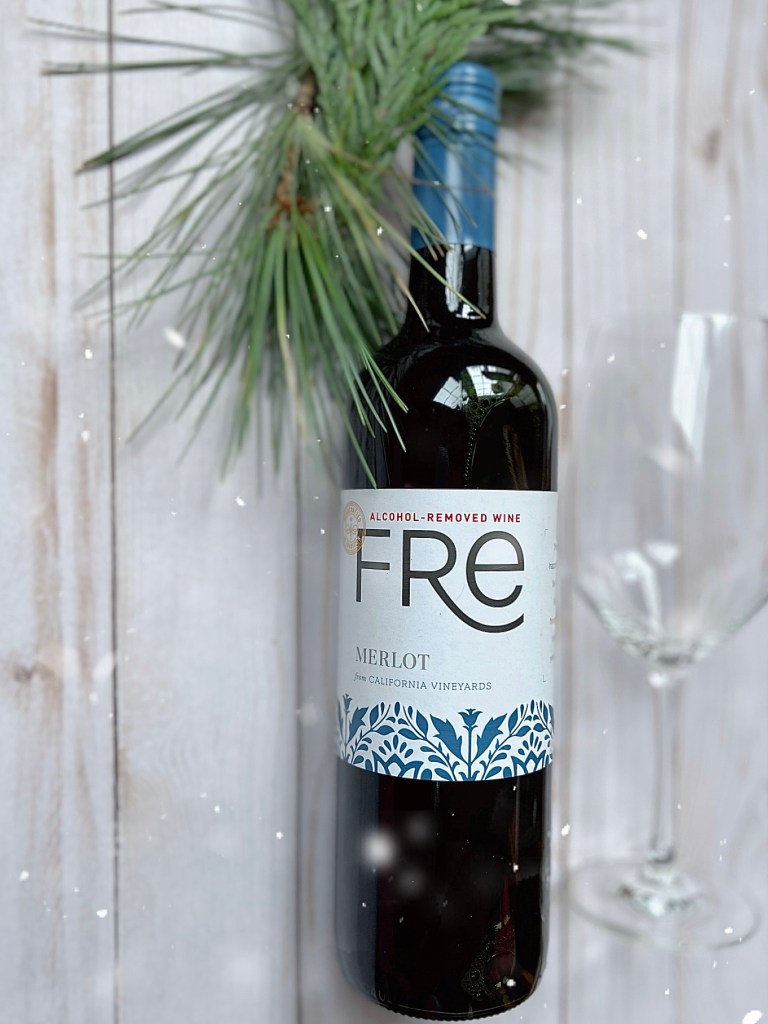
Fre Merlot – $9.99

Best White:

Giesen Marlborough Sauvignon Blanc 0% Alcohol – $16.99

Luminara Alcohol-Removed Chardonnay – $16.99

Best Rosé:

St. Regis Nonalcoholic Shiraz Rosé – $17.99

Best Brunch Bubbly:

Freixenet Sparkling Alcohol-Removed Wine – $9.99

I tried the Fre Merlot. The consistency is thinner than its traditional counterpart. It tastes sweet, like a natural varietal grape juice. It had a nice, bright mouthfeel, and a beautiful claret color. And the looks you get when you pour a glass at 10:00 am are pretty comical. 😆

If you want to enjoy a dry new year, but still want enjoy the health benefits of red wine, take a closer look at some of these wine options. And let me know what you think in the comments!

Cheers!🍷

©️Copyright. The Wine Student, 2023.

You Smell Like a Wet Dog: The Fault in Our Wine

Dig if you will the picture: you’re in a great restaurant, your sommelier has just opened a wonderful bottle of wine at your table. They pour a bit in your glass. You swirl, then you sniff, then you sip. You nod to the somm that all is well, and the remaining glasses are poured. Easy, right?

But what happens if you get a wine that smells (or tastes) awful? The immediate impulse (aside from spitting it all over the tablecloth) is to just grin and bear it, and pretend that it’s delightful. Don’t make waves, and don’t seem like a wine snob. Wait. You’re paying for that bottle; it should be delightful.

How can you detect the fault in our wine? Start with your nose. Especially with things like cork taint, the nose always knows. Think back to the restaurant example, and the swirl, sniff, sip. This isn’t just fluffy posturing, there is a point to it. If the wine is corked, it’ll smell like wet newspapers, musty cardboard or, yep, a wet dog. We love Fido, but not in our wine.

What to do at a restaurant if you’ve noticed cork taint or another fault? With kindness, send it back. Yes. Send. It. Back. This is precisely why they have you sample the wine before pouring for the rest of the table. Be polite but don’t be shy. Most restaurants want to know if they have a bad bottle. It might not be an isolated situation; the entire case or shipment may be off. You’re paying a lot of money to not drink bad wine.

Please remember to be kind to your server or somm. Any fault isn’t their fault. They are there to help you.♥️

Now, if you’ve opened your wine at home and it’s corked, don’t dump it! Pour the remaining wine back into the bottle and take it back to your place of purchase. Most wine sellers will happily take it back or will offer an exchange. In fact, it’s good to let them know so they can notify their distributor or the winery. Companies need to know if they have a bad batch floating around; their reputation’s on the line.

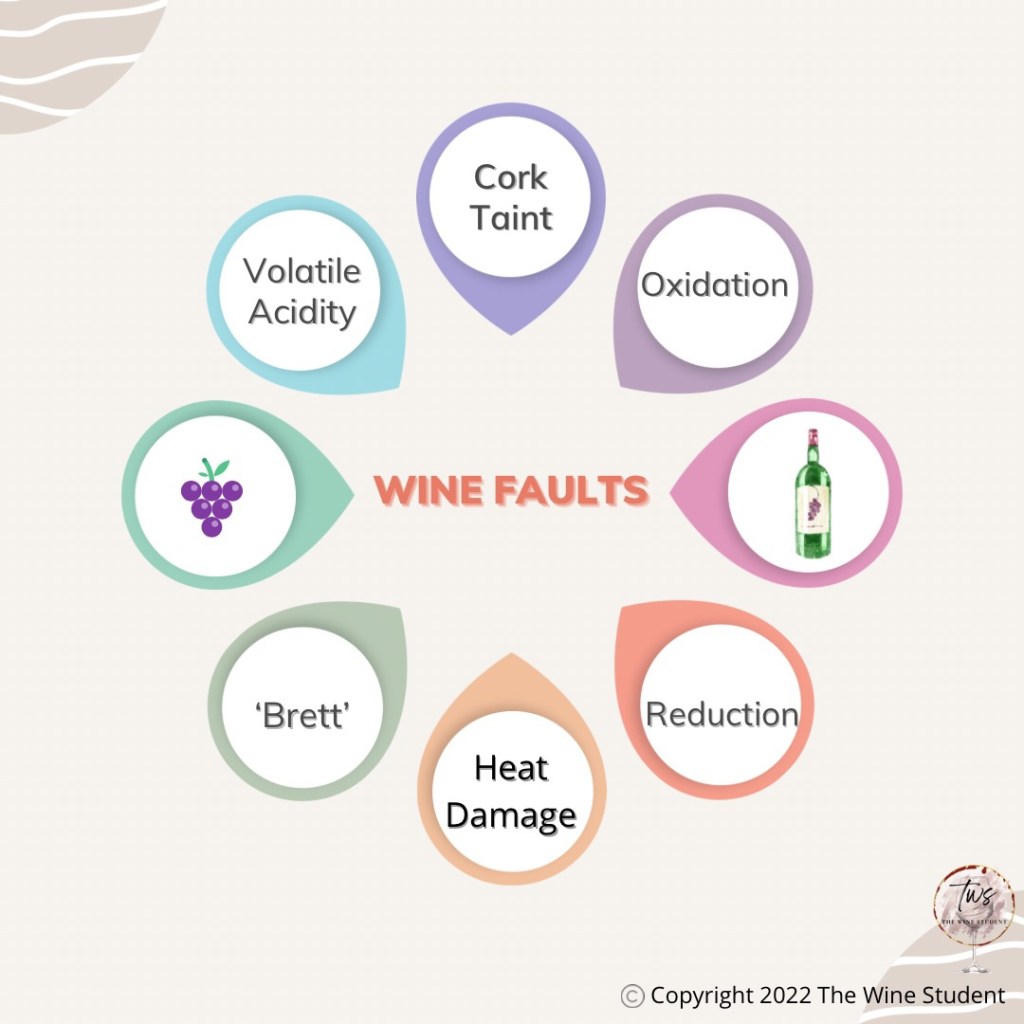
Some Causes of Faulty Wine:

Cork Taint ~

Infected cork – caused by chlorine (TCA-Trichloranisole) coming in contact with corks

TCA compounds may also be present in wood/rubber in the winery (barrels, beams, rubber transfer tubing, etc) – this is why even some screw cap wines can become corked

• Smells like: wet dog, wet cardboard, musty cellar

• Remedy: None. Be kind and send it back

Also: cork in your wine doesn’t mean your wine is corked. A crumbly cork doesn’t always mean the integrity of the wine is compromised. But be safe and taste the wine before you serve it!

Remedy: to get rid of floating cork bits pour your wine through a fine mesh strainer or coffee filter

Oxidation ~

• Wine (red or white) has a brownish tinge

• Not always bad – sometimes oxidation can be a winemaking choice

• It can be prominent (in a good way) in Sherries or Tawny Port

• Oxidation can happen over time to all wine, white or red, and happens when storage allows too much oxygen into the bottle (e.g. storing bottles upright instead of sideways)

• If you find this in young, light wines, like Pinot Grigio, Pinot Noir, Sauv Blanc, it’s a fault

Smells like: sharp scents of bruised apples, linseed oil, a nutty or caramel vibe (which is not always a bad thing)

• Ask whether the wine is meant to be oxidized before sending it back⚠️

Brettanomyces ~

• Not technically bad, Brett is a wild yeast that ferments along with wine yeast

• Earthy, rustic aromas permeate the wine which many enjoy, and can be a winemaking choice

Smells like: bandage (medicinal), sweaty leather or a barnyard ~ and if that’s your thing, it’s not a fault!

Reduction ~

• Occurs when wine doesn’t get enough oxygen during winemaking – balance is everything

Smells like: garlic, rotten eggs, burnt matches, sulfur

Remedy: Decanting the wine can help (by providing needed oxygen) or stirring your wine with a silver spoon. If it doesn’t help, kindly send it back

Volatile Acidity (VA) ~

• In small amounts, VA can contribute to the complexity of wine, giving it depth, though many people can be very sensitive to this, making it unpleasant to drink

• In larger amounts, it becomes a nice mix for salad dressing

• Having some VA doesn’t make it necessarily a fault, but if it’s not for you, see if you can exchange it for something different

Smells like: nail polish remover, sharp vinegar

Heat | UV Damage ~

• Damage from UV rays doesn’t just happen to skin, it is a serious issue for wine as well.

• Light + heat increase chemical reactions that cause premature aging of wine and heat can cause the bottle to expand a bit, loosening the seal, and letting air in

‘Light strike’ happens when wine is exposed to direct light – e.g. if the wine is left in a sunny window

• Wine can also suffer damage when left in a too hot car (even for an hour) or stored in a room that has wide temperature fluctuations or is too hot.

• Many hot climate wineries will not ship their wines in peak heat seasons to avoid heat damage in shipping.

• Sparkling and white, and older wines are the most vulnerable.

Smells like: not much on the nose, and it tastes ‘cooked’

Remedy: don’t leave your wine in a hot car or store in sunny window!🥵

Now that you know what to look for, hopefully you feel a little more confident in deciding if your wine should be enjoyed or sent back.

The more you sniff (and taste) the better you’ll get at detecting the faults in your wine.

And with any luck, it won’t happen too often!

Cheers!🍷

©️Copyright 2022 The Wine Student

Orange is the New White

A long time ago, when I worked as a bartender, I once served a wine that was orange.

It was not a design choice. It was just bad.

So when I saw that orange wine has been making a big splash, I was a little skeptical. Fool me once…

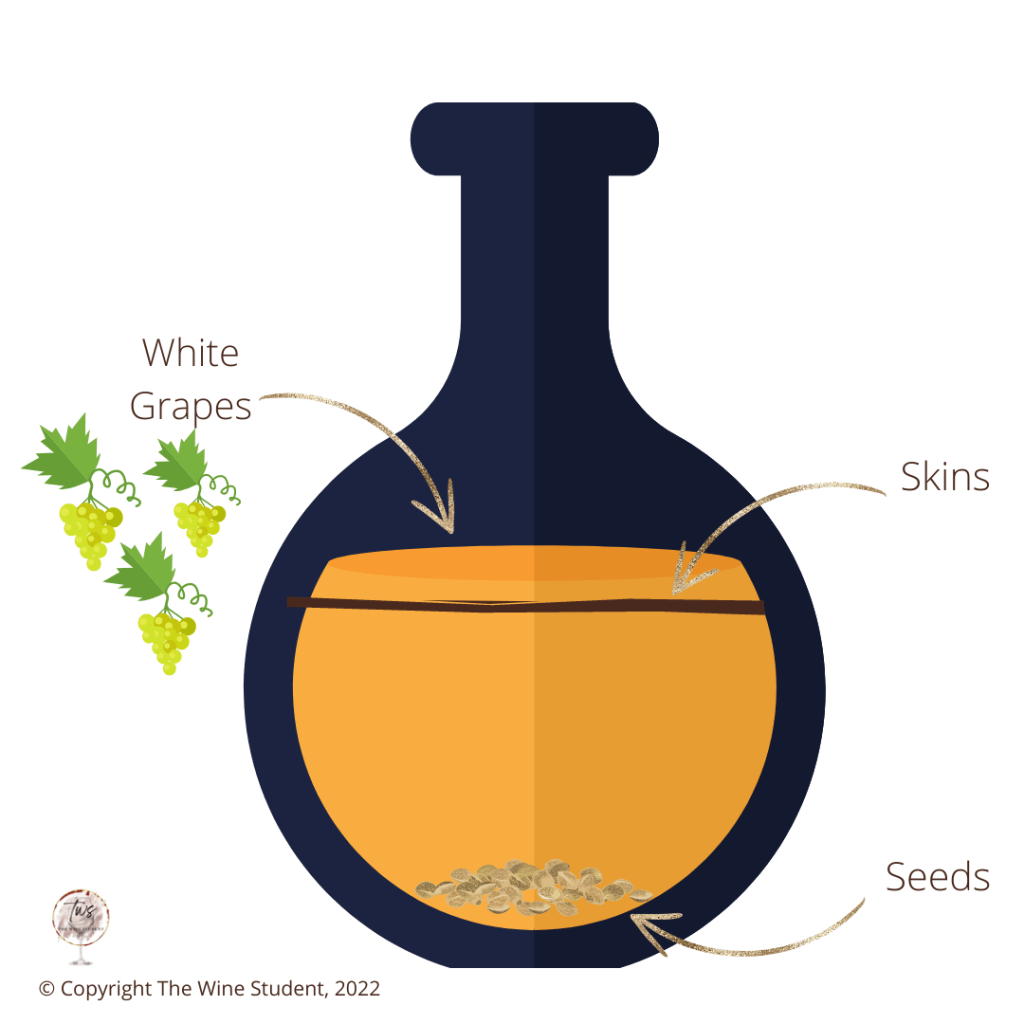
Orange wine is not made from oranges. It’s also not a rosé. It’s actually a natural white wine that gets its colour and flavor from keeping the white grape skins and seeds in contact with the juice for between 4-30 days. The orange colour comes, in part, from the lignin in grape seeds. The longer the contact, the deeper the colour. Most white wines have little to no skin contact.

In most wine production, seeds get discarded prior to any processing of the juice and fermentation. That’s because seed contact can make wine taste bitter. So how do orange wines stack up? Do they taste sour or bitter? It depends. While technically a white wine, orange wines are very dry and tannic, much like a bold red wine. Flavors are bold and brassy with aromas of honeyed jack fruit, sourdough, juniper (like gin), brazil nut, apricot, orange blossom, and bruised apple. They can be very intense on the palate with a sour vibe much like a fruit based beer.

What is jack fruit? I don’t know jack $&@! about jack fruit so I did a little research. When ripe, jack fruit has a strong aroma and tastes like tropical fruit: mango and pineapple, and banana.

Orange wine is not a new ‘oops’. It is an ancient process dating back roughly 5000 years. All elements were left to ferment for time in large buried clay vessels called quevri (kev-ree).

Check out the video below for a little summer fun!

Pairing:

Bold for bold, orange wines pair well with bold foods like curry and Moroccan dishes, Korean and traditional Japanese cuisine. Because of the high tannin, and hint of almond-like nuttiness, it can pair with beef and fish. This is something you can play around with to find your favorite.

It’s a white wine that thinks it’s a red so the pairings could be really colourful. But be careful of the spice quotient: it will bring out the heat in some dishes.🌶🌶🌶

If you’re looking for ‘grippier’ offerings with increased tannin, look for 30+ days of skin contact; fresher, lighter versions have maybe 4-10 days. Because they’re natural with little to no preservatives, drink within 2-3 days after opening. Store in cool, dark areas (between 50-60F). Serve chilled, at around 55-65F. If it’s too cold, you’ll lose the nuance of the flavors.

Look for wines from Italy, Solvenia, Australia, France, South Africa, Austria, and the US.

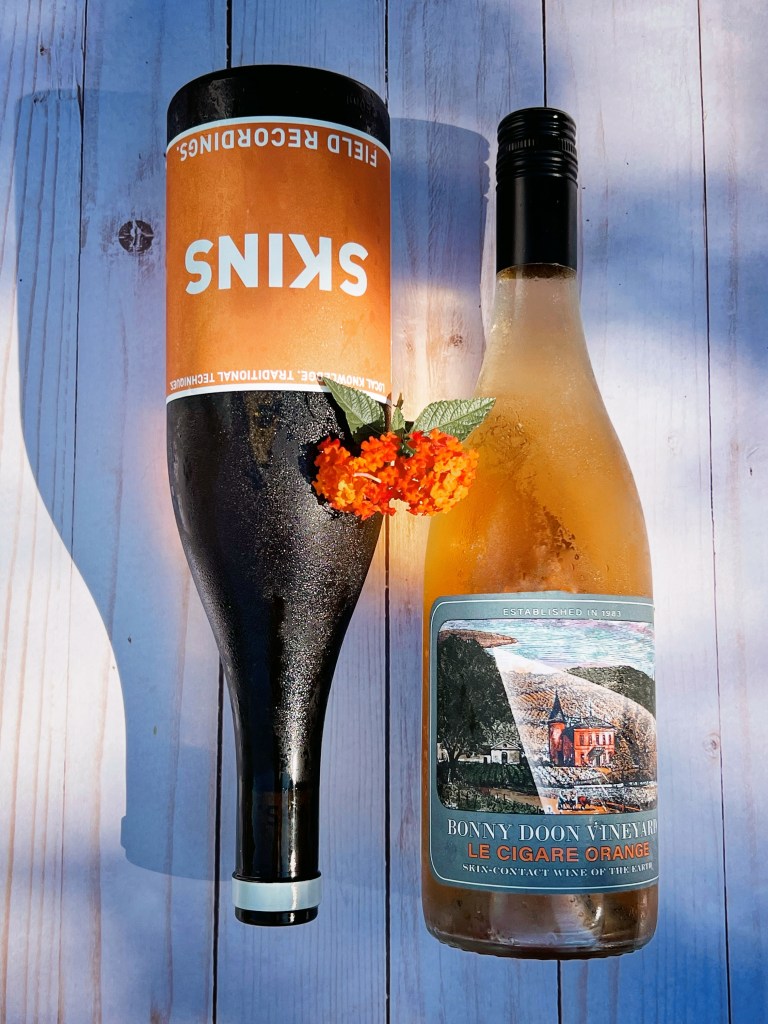
I recently tasted a 2021 Bonny Doon Vineyards Le Cigare Orange (California). It is the ‘skin-contact wine of the earth’ (says so right on the bottle) and is made from 10% Grenache, 80% Grenache Blanc and 10% Orange Muscat. It had a hint of orange blossom on the nose, and a sour, almond vibe on the palate with a dry, puckery, yet bouncy mouthfeel. Flavors of white peach, early-ripe apricot and citrus lingered on the finish.

It sells for $17.99

Here are three others that might float your boat:

• Cos Pithos Bianco (Italy) $27

• Attems Pinot Grigio Ramato (Italy) $20

• Field Recordings Skins (California) $24

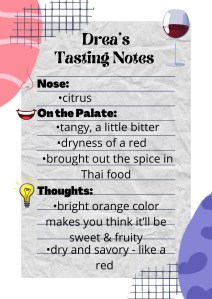
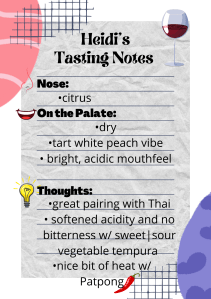
I chose the Field Recordings Skins to share and here’s what we thought:

(Pairing with Thai food)

These orange wines restored my faith that not all orange wine is wine gone bad. And they can be very different than what you might be expecting. But isn’t that half the fun about summer wines ~ trying something new, refreshing and just a little bit different?

Cheers!

©️Copyright. The Wine Student. 2022.

Earth Day 2022 🌎: Rethinking Capsules

You’re opening your favorite bottle of wine, you take the sharp cutter blade and begin to cut, scrape or pull the foil capsule off the bottle. Where does it go next? Probably into the trash. Hey, we all do this; I’m guilty as well. And it’s just a little bit of foil, no big. But when you consider that the US alone generates approximately 286 tons of waste per year, much of which ends up in landfill, a little foil can become a big problem.

Click the video below for more info!👇

In days of old, foil capsules were placed on corks because they prevented rodents and cork weevils from getting into the bottle.

Historically, these foils were made from lead, which we now know is poisonous. Lead was phased out by law in many countries beginning in the late 1970’s.

Capsules are now made from polyethylene or aluminum, which can be recycled, but more often than not, ends up in landfill.

Another issue with capsules is that they obscure the cork and fill level in the bottle. This is important – if the fill is not close to the cork, the wine may become oxidized. Which means not-so-great wine for you.

Additionally, there’s a great expense to the winemaker by using capsules, costing approximately $25,000 per year.

Now, there’s a growing movement to eliminate capsules altogether. With advances in quality control and cellar management, weevils and rodents aren’t the problem they once were. And with screw caps, there’s no issue at all.

Screw caps have steadily become the preferred choice for bottle closure, with many benefits. According to George Zaboura of Royal Park Fine Wines, “screw cap closures are better for the wine. There’s less chance of air getting into the bottle and less chance of the wine being tainted.”

And since they’re made from aluminum, you can recycle your screw caps!

An easy way is to put them back on the empty bottle and place in the recycle bin. You can also collect them in a large can, and once filled, crimp the top and place with your recyclables. This keeps the caps from flying about.

There is still much love, however, for the cork. Cork has, historically, been the preferred wine closure for generations, steeped in tradition. Made from the bark of the cork oak tree which is grown primarily in Northeast Africa, Portugal, Spain, France, Morocco and Tunisia; one tree’s bark can provide enough cork for hundreds of bottles. The tree remains unharmed during the harvest – the bark is scraped off the surface.The material is a renewable, sustainable and biodegradable which makes it an environmentally friendly bottle closure. Natural corks can be recycled. Find out how to recycle yours here!

Additionally, microscopic pores allow minute amounts of air to contact the wine which is key for proper aging, something the screw cap is lacking. With many reds, some of them investments, sometimes that microscopic bit of air can be the difference between a spectacular sip, and one that’s pretty good.

And where would we be without the ceremony and tradition? Popping a cork is much more romantic and satisfying than twisting off a cap.

You may occasionally notice some bottles are dipped in a wax. This is another way to seal the wine without the capsule but it’s very time consuming and costly for the winemaker. That’s why you’ll probably only see the wax seal on very select, more expensive wines. When I was out looking for wines, I found only three vintages (out of the entire wine shop) that had a wax seal.

Cork has its share of drawbacks – the quality can be variable, the material can be fragile and the cost is up to three times more than a screw caps. As well, there is the issue of cork taint – which can make your wine taste like wet newspaper. No one wants their wine to taste like wet newspaper. That’s nasty!

As with any debate about the environment, there are many points of view. So the choice is yours. With more of a push towards sustainability, reducing waste and recycling, there can be many ways to love our wine and help make a healthier planet. 🌎🌱💚

Cheers!🍷

©️Copyright. The Wine Student, 2022.

Wine Reads! 📖🥂

If you live where there is a regular accumulation of snow, then this winter has been a long one. And if you’ve been a little reluctant to go out right now, and just finished bingeing SuperPumped, The Dropout, or S2 of Bridgerton, here’s a way to unplug, and decompress. And apart from just drinking wine, which is always nice, reading about it can be just as interesting (without the buzz).

Below are two books that helped me get through many a long winter’s journey into night.

Packed with lots of info, and so well-written, they’re like taking a comprehensive, self-directed wine course without the hefty fee and stress-inducing exam at the end.

Check out the video below for a little taste of what you’ll find!

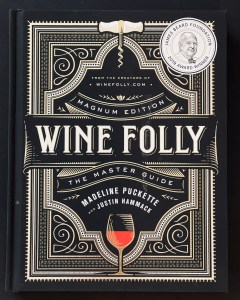
Wine Folly: Magnum Edition by Madeline Puckette & Justin Hammack

Image via The Wine Student

From the #1 ranked wine education site winefolly.com, Wine Folly: Magnum Edition is a culmination of many viewpoints: from wine writers and educators, to wine professionals and scientists.

Madeline Puckette is a wine sommelier, writer and visual designer. Justin Hammack is an entrepreneur, digital strategist and web developer.

This book takes you on a journey through the basics and beyond; how wine is made, facts about drinking wine (and how to avoid that pesky headache), a funny section on wine etiquette, and how to smell wine (to actually detect faults, not just to look fancy). It lays everything out with super cool graphics, and easy to digest descriptions that make learning easy if you’re new to wine, and a great review if you’re an old pro.

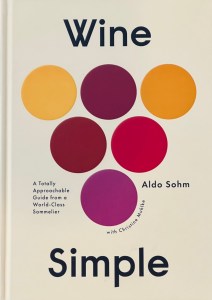
Wine Simple by Aldo Sohm w/ Christine Muhlke

Image via The Wine Student

Sohm was named 2008 Best Sommelier in the World by the Worldwide Sommelier Association and namesake of the Aldo Sohm Wine Bar in New York City. Christine Muhlke is former food editor of the New York Times Magazine, and contributing editor at Bon Appêtit magazine.

Wine Simple also has great depth of information, fun graphics, and cool side bars. An added feature: the main points of each section are highlighted for you, saving you time (and highlighter).

Check out the ‘Wine With Bad Raps” section for a good rundown on pre-conceived wine reputations that might make you go “hmmmm…”. It may have you completely reconsidering your next wine purchase.

There’s also an honest view about boxed, bagged and canned wines (spoiler: they’re not all that bad).

Both books examine wine regions, flavor profiles, practical magic of storing and serving, and much more.

Each have excellent chapters about food and wine pairing, which can be daunting at the best of times. And each have fun graphics, charts and practical info about cooking with wine. Wine Folly has a little pairing exercise that involves potato chips, cheese, honey and a pickle. I am SO going to try this in an upcoming post!

Both books are excellent and make learning accessible, enjoyable, and will have you understanding, pairing and enjoying wine like a pro in no time!

If you read either (or both) let me know what you think in the comments! 👇

Have a safe and happy Easter weekend!🐰💜

Cheers!🍷

©️Copyright. The Wine Student, 2022.

Wine in the Raw

Totally natural. Wild and unfiltered. Just as nature intended. Wine in the raw refers to how some wines are made. It doesn’t mean you have to drink it without your clothes on. But I guess if that’s your thing, by all means.

Circling back to ancient winemaking techniques, natural wines came to prominence again in France and Italy in the 1980’s. And now there is a growing natural wine movement here in North America, dovetailing with farm-to-table philosophy.

So what’s the difference between natural, biodynamic and organic wine?

Biodynamic winemaking embraces a holistic view that everything in the universe is connected; man, the moon, the planets and the stars. Respecting the environment, and ethical, self-sustaining agriculture, it’s more about the processes before harvest; farming, cultivating and tending to the land and fruit.

Like natural wines, no pesticides or unnatural herbicides are used. Ducks, horses, cows and sheep living on the vineyard provide natural fertilizer, and weed management.
Discarded grape skins are recycled into compost and spread back onto the land to nourish future vintages.

Biodynamic wines are also cultivated and harvested based on the biodynamic calendar – planting and harvesting on moon cycles and daily tasks broken down into the earth’s four elements.
It sounds a little trippy but you have to love the philosophy; great, sustainable wine production that literally gives back to its roots and the environment.

Organic wines are GMO free with no synthetic additives, pesticides or herbicides. Organic winemakers also respect sustainable farming practices and must pass yearly USDA inspection to retain certification.
Certification can be seen on the label and is an assurance that what you’re pouring into the glass is 100% organic.

Like Organic and Biodynamic, natural wines use grapes that haven’t been sprayed with herbicides, and only natural predators are used to manage pests.
Grapes are hand-picked, and only native or wild yeast is used in fermentation. The wine is unfiltered and there are less than 50ppm sulfite additives, if any. Natural wine can be seen as an excellent display of terroir – the true expression of the wine growing region – since what you pick and cultivate on site is precisely what goes into the bottle.

Many natural winemakers prefer ancient techniques such as fermenting in clay or concrete ‘amorphae’ vessels that impart no flavor to the wine. Oak barrels can sometimes be rejected because of the additional flavors they may add to the wine. But, again, that’s a choice. Many natural winemakers want their wines to taste of the grape, and only of the grape.
Some also allow their white wines a little bit of skin contact; just enough to produce an orange hue (more on that in an upcoming post).

Natural wine can have a lower alcohol content and higher acidity. Since it’s unfiltered, it can sometimes look cloudy with natural sediment that floats and then settles at the bottom of the bottle.

Bottle for bottle, natural wines taste…just as lush and lovely as commonly cultivated wines, but not all travel well. As Jake, Wine Steward at Giant Eagle said, “Because they are natural, they don’t always do as well with shipping.Your best bet for natural wines is to buy them directly on site if you can.”

While natural wines can be stored for a few years, it’s best to enjoy them sooner rather than later. They typically require refrigerated storage because of their volatility. The lack of preservatives can make them less able to handle changes in temperature and therefore are more prone to going off.

Be sure to look for the terms ‘minimal intervention’, ‘natural winemaking techniques’ or ‘unfiltered/unfined’ on the label.

I have to admit, it isn’t always easy to find all-natural, unfiltered wines in a local wine shop. I did manage to find one: Newton Unfiltered Chardonnay from Napa Valley, California. And it was one of the last bottles available.
When I looked at the bottle, I was expecting to see something cloudy or with sediment resting gently at the bottom like an unshaken snow globe. This wine was crystal clear.
During maturation, their winemakers hand-stir the wine, as needed, to re-distribute any sediment. The reason is clear: many people seeing sediment or cloudiness in a wine assume that the wine has gone bad, is tainted or off, and are less likely to purchase a wine that looks this way. In the world of wine, looks can be everything.

Newton Vineyard has a decades long commitment to sustainable winery practices and are Napa Green Certified; held to strict requirements including water | energy conservation, reducing greenhouse gas emissions and the winey’s carbon footprint, pollution prevention, and a commitment to social equity.

Going natural might be a little more expensive to buy but consider the amount of time and care taken to cultivate and produce these wines. Great things sometimes take time. And with the growing numbers of wineries adopting sustainable practices, they’re headed in the right direction.

Here are some other notable natural wines to look for.

In these times of growing global environmental awareness and truths, it makes sense to support those who have made a commitment to sustainable wine production.🌱🌿🍇

And you can enjoy them with or without clothes.☺️

Cheers!🍷

©️ Copyright The Wine Student, 2022