Four Blondes, Five Wineries


This past weekend, I was able to bring my friends Terri, Shelly, and Cindy up to Niagara to experience some Canadian hospitality. And to check out the Niagara Wine Festival. After a brief stop to see Niagara Falls, and enjoy a great first night dinner, we began our journey the next day with Niagara Vintage Wine Tours. Gus, our awesome guide, was so friendly and knowledgable, he did an amazing job of filling in the picture at each winery we visited. He also gave a wonderful, anecdotal history of the town of Niagara-on-the-Lake.

Our tour (which included lunch at The Charles Inn) stopped at the following four wineries:

  • Konzelmann ~ Located on lakefront property, when they opened their doors, in 1984, they were the seventh official winery in Ontario.There are now over 140. They had a great presentation by J.R. who gave a crash course in wine tasting and the proper way to sip effectively. He also talked about how it’s best to allow the wine, especially Icewine, to move to the back of the tongue (with a tiny bit of hang time) to get the full flavor and texture. It was amazing how much more depth there was to the samples we tried.

Four Blondes Pick: 2012 Cabernet Sauvignon

  • Pilliteri ~ One of the world’s largest producers of Ice Wine, Pilliteri is steeped in history and family tradition. The Carretto, featured prominently in the awards room and pictured on many of their labels, is a Sicilian cart that provided transport for families and their belongings or moving their goods to and from market. The barrel cellar/events room is one of the coolest I’ve seen. A stunning concrete table, about 500” long is surrounded by 23 stainless steel chairs on the walls above. the chairs are specially engraved to commemorate significant dates in the history of the winery. Style definitely meets substance as this is a fully functional cellar, maintaining a constant temperature of 12 degrees C with increased protection against light and no vibration to disturb the ageing process. Shelly and I thought it was so cool, we fell behind in the tour and almost got a tardy. But Gus took pity on us and helped us catch up to our group. We joined them just as Francine, our winery guide began our tasting. We sampled quite a few and with such a variety of Icewine, including a Sangiovese and Cab Sauv, it was difficult to choose just one.

Four Blondes Pick: 2010 Exclamation Reserve Cabernet Sauvignon and the 2012 Cab Franc Icewine.

  • Between The Lines ~ After lunch, the skies cleared and we headed to the big red barn that houses this smaller, young winery. BTL has a lot of heart and maintains a preference to keep things small but real. Their wine is only available at the winery or via delivery (only in Canada) or at select farmer’s markets in Niagara and surrounding Ontario regions. I found the wines we sampled a bit young tasting but I believe they have great promise. Cellaring for a couple of years could just bring out the depth and complexity that I tend to look for. I like what Greg and Yannick are doing here, and the commitment they have to stay smaller and focus on creating a great product rather than mass produce and lose what’s unique. They’re headed in the right direction.

Four Blondes Pick: 2012 Lemberger Reserve

  • Marynissen ~ Our last stop was the home of wines chosen by former Prime Minister of Canada, Jean Chretien to be served at official state dinners. It also boasts the oldest commercial planting of Cabernet Sauvignon in Canada. We tasted a few wines ranging from the Unoaked Chardonnay to their notable Gamay Noir. A very pretty boutique winery, it was a quaint stop to round out our tour.

Four Blondes Pick: 2013 Unoaked Chardonnay, which Cindy thought was, “very nice for the region.”

““““““““““““““““““““““““““““““““““““““““““““““““““““`

Peller Estates ~ This winery was not on our tour but we stopped in to round out our day. Beautiful and stately, Peller was a winery the girls spied as we drove into the old town of Niagara-on-the-Lake and mentioned that they wanted to look inside. There was a big country hoe-down going on and while we thought about sticking around to try the mechanical bull, we had dinner reservations so…                                                                                                                                                                                                                Four Blondes Pick:  the Riesling Icewine, fresh and crisp, it was an different alternative to traditional the Vidal.

““““““““““““““““““““““““““““““““““““““““““““““““““““`

Four Blondes Big Pick: 2012 Wayne Gretzky Estate No 99 Vidal Icewine. The delicate floral vibe on the nose and liquid amber, honey and butterscotch taste was heavenly.The rich, velvet-y mouthfeel was also incredibly pleasing. If this was in the Stanley Cup playoffs of Ice Wine, this number 99 just won the shootout.

The Niagara Wine Festival continues today and wraps up September 27 and 28.

Thomas Wolfe once wrote, ‘you can’t go home again.’ Well, in fact, you can. And if you’re really lucky, you can bring some great friends with you.

Cheers!

©TheWineStudent, 2014

This slideshow requires JavaScript.

Up the Creek to Find a Hidden Gem

Up the Creek wine flight

Up the Creek wine flight

With the dog days of summer nipping at our heels, my friend, Shelly, and I decided to take a little road trip. The past few weeks had been incredibly busy for us and we needed to find a place that we could just relax, decompress, and sample some wine. Shelly was already familiar with Thorn Creek Winery, having planned an event with them last year but it was new to me ~ not that I ever need any arm twisting to check out a winery.

Located in Aurora, OH and only 30 minutes by car from downtown Cleveland, Thorn Creek, is a sweet ride to rustic charm, beautiful gardens and some nice wine. Established in 2005, owner David Thorn envisioned what would become the Thorn Creek experience; old world European ambience, blended with a casually elegant vibe.

Before we ordered our wine flight, we took a little tour of the gardens and winery. Down stairs was a beautiful event space that juxtaposed a smaller nightclub feel with the warmth of a winery cellar due, in part to the wooden casks that lined the walls. Outside, the gardens unfolded almost labyrinth like, winding casually from an old English courtyard, through a lanterned brick pathway to a tented waterfall garden wedding space.

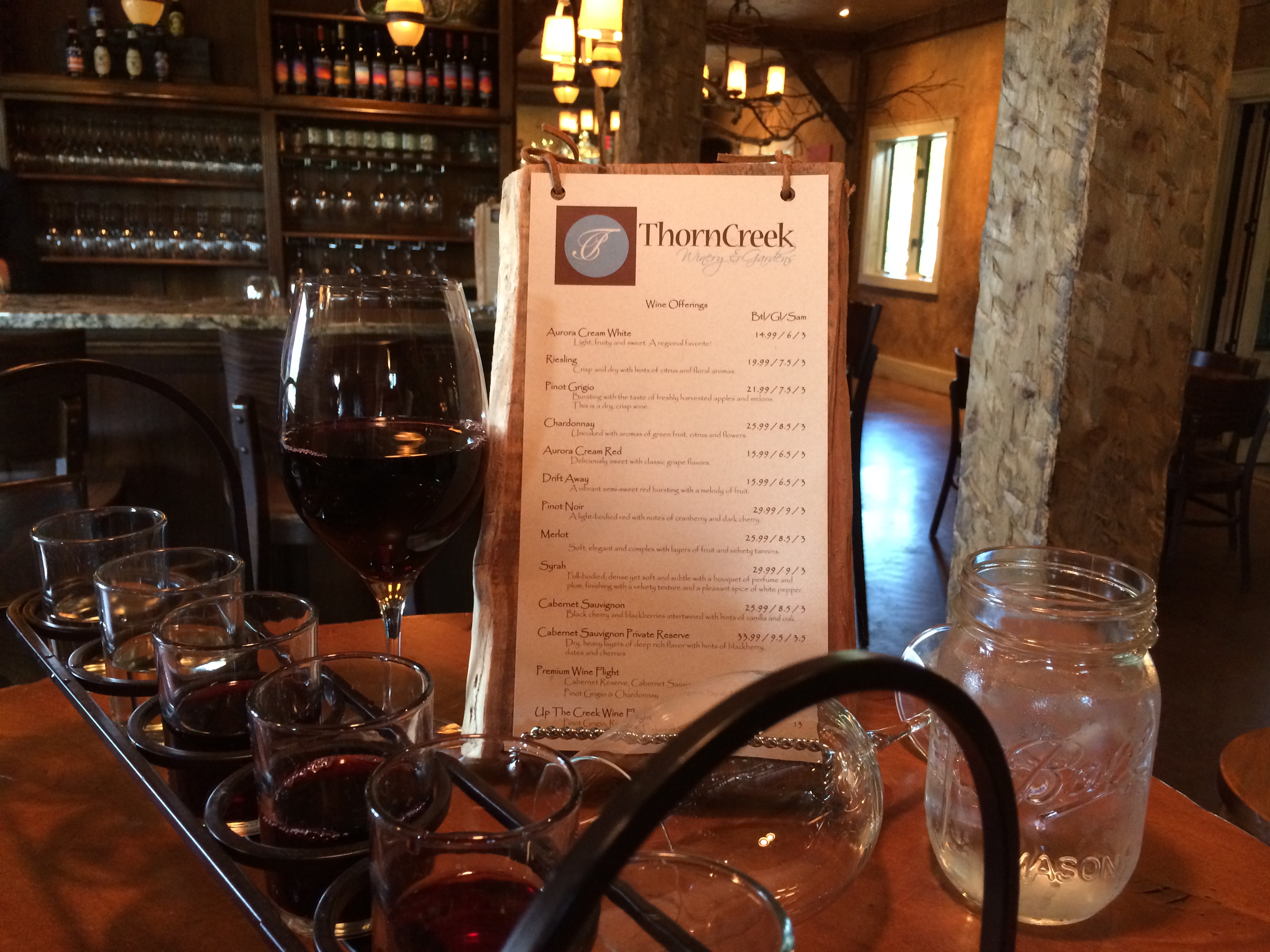
Thorn Creek’s approach to winemaking includes purchasing select grape products from other wine growing regions around the country; then marrying those qualities with grapes native to Ohio. For our wine flight, we chose Up the Creek, which included Pinot Grigio, Riesling, Cab Sauvignon, Merlot,  Aurora Cream Red, and Aurora Cream White. We paired our wine samples with seasonal strawberry lettuce wraps and some amazing braised short rib sliders, which brought more depth to our wine selections.

My pick: the Pinot Grigio, which had a great honey-like vibe and texture. It paired beautifully with the strawberries, goat cheese and chocolate dusted almonds. Shelly liked the Cab reserve, which we had in addition to our flight. She found it had a slight pepper-y finish on its own but when paired with the sliders, awakened a more full bodied warmth.

One of the things I enjoy about life in Cleveland is the incredible variety of urban and rural experiences; both are cool in their own unique way. Nearby destinations like Thorn Creek give the experience of being at a Napa winery getaway without feeling like you’ve really left the city.

Cheers!

©TheWineStudent, 2014

This slideshow requires JavaScript.


Green Day in Ohio: Celebrating Sustainability in Winemaking


The winemaking carbon footprint can loom quite large but many wineries are now making the conscious move towards sustainability and making sure that the footprint they leave is one that will help keep the planet beautiful for generations to come.

Sustainable winemaking involves:


  • Changing from power usage to solar power, thereby cutting energy consumption.
  • Reusing and recycling all water and making their own compost as fertilizer.
  • Practicing Integrated Pest Management: Using owls, bats, hawks or other wildlife, as well as cover crops to help control insects.
  • Also using weed control | border management by goats or sheep to cultivate the vineyards instead of traditional chemical pesticides and herbicides.
  • Using low-gravity flow techniques to move wine steadily downward through the winemaking process, decreasing the use of energy consuming conveyor belts and equipment in the process.
  • Recycling all materials used in the winemaking process.
  • Erecting or modifying buildings to make them energy efficient.
  • Using biofuel or alternately powered farming equipment; preferably using horsepower instead of tractors when workable.
  • Ensuring that workers, employees are fairly treated.


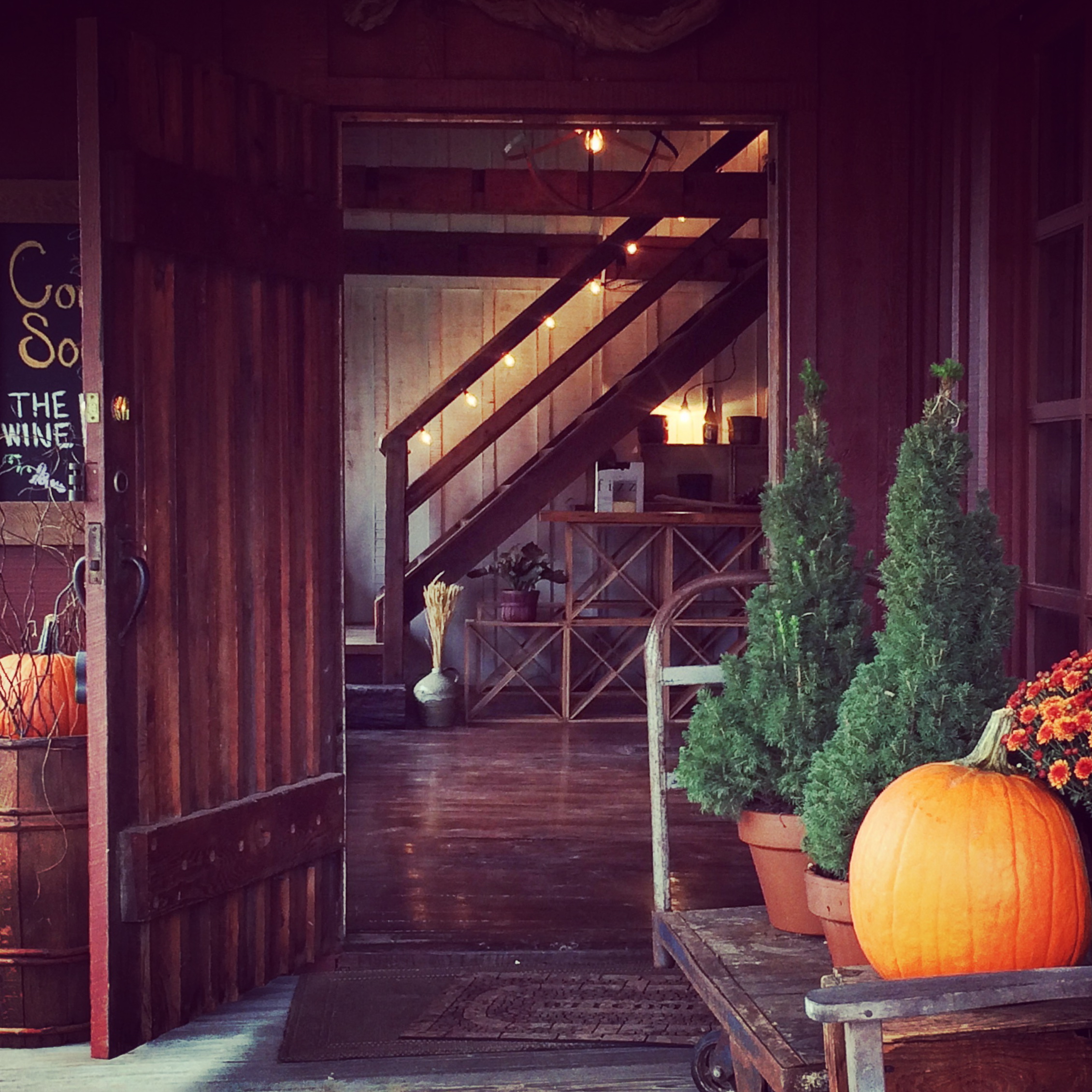
 Vermilion Valley Vineyards is one of the few identified sustainable wineries in North East Ohio that uses recycled materials, solar energy and storm-water management (large tanks collect storm-water for reuse in the vineyard). Located in Wakeman, OH about 45 minutes west of Cleveland, Vermilion Valley Vineyards is situated beside a fully restored wetland that is home to natural residents like Bluegills and Large Mouth Bass, and naturally occurring, native plant life. The wetland also serves to provide the winery a viable heat source in winter, and acts as an area to release heat overloads during high summer. The heating | cooling systems are ‘ground sourced’ HVAC using the wetlands. Their vineyard building has 40-plus “R” insulation for its walls and roof; saving energy that would normally have to be produced by burning fossil fuels.


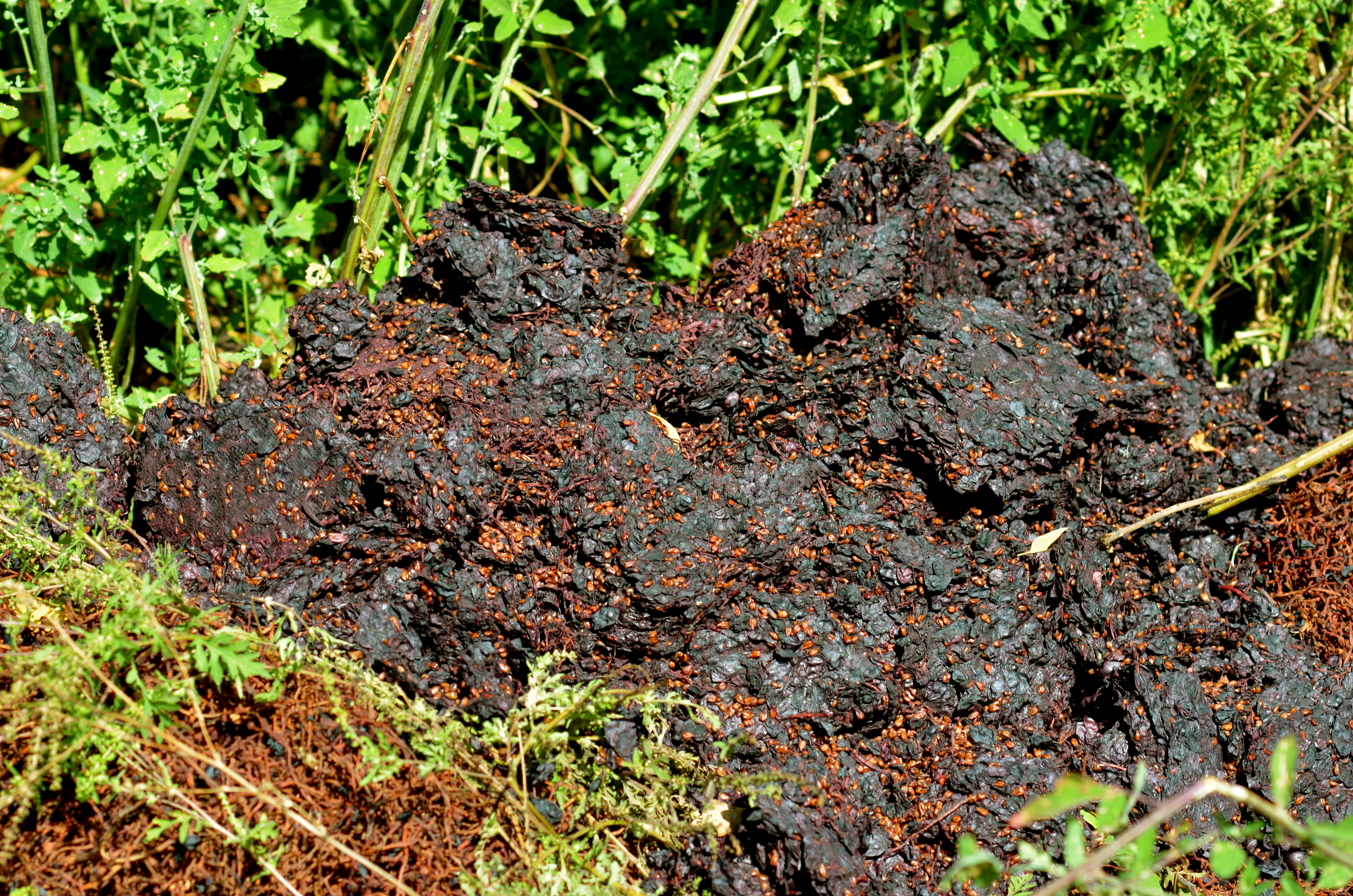
Vermilion Valley Vineyards’ philosophy is one of holistic agriculture: viewing the entire farm as a living organism. They work to build soil fertility by using composted grape skins, stems and seeds.What comes out of the earth, eventually goes back in.

Using composted grape skins, seeds and stems

Using composted grape skins, seeds and stems @ Vermilion Valley Vineyards


Crop rotation, companion planting and cultivation is the main source of natural pest and disease management. In cases where it doesn’t work, they employ Integrated Pest Management ~ where some conventional but less toxic pesticides are permitted ~ but it is used only sparingly and never where non-chemical interventions have been shown to be most effective. They have maintained a commitment to find new certified organic fungicides that will precisely target problematic organisms.


To further educate the public about the importance of sustainable farming practices, they created the Green Lit Scholarship Fund. The fund rewards select graduating high school students wishing to pursue a career in sustainable winemaking | farming, as well as those majoring in a related field (forestry, agriculture and architecture) and is awarded annually. The winery hosts several fund raising events during the year to provide support.

While it can seem like a daunting proposition to completely revamp a winery’s operating practices to incorporate sustainable winemaking, it can be done. And it can be a work in progress. But the commitments to the environment that are made now will ensure a better world that we leave for our children to enjoy.

And that’s worth toasting.

Cheers!

©TheWineStudent, 2014

Gervasi Vineyard: The Grape Escape


If I could design a winery, this would just about do. It would have picture perfect scenery, great food, wonderful wine and a vibe that would entice any stress to fall away. Pulling in to Gervasi Vineyard in Canton, Ohio, I felt as though I was entering a different world.

From the moment we got out of the car, to wandering around the vineyard exploring the Villas, Marketplace and restaurant, it was a place that felt so relaxed and tranquil. I was happy to be with my friends, Terri, Cindy and Shelly ~ we hadn’t been together on the road since our trip to Napa almost two years ago. It was wonderful to reconnect while sharing some laughs and good wine.

After enjoying lunch on the patio we strolled the grounds and saw family come  together for a 92nd birthday celebration. Others played  games of bocceball or corn hole. Scattered here and there were couples enjoying a glass or two of their favorite wine,  while lounging in Adirondack chairs by the pond.  But before we got too blissed out, we made our way to the Bistro tasting room for our Wine Flights.

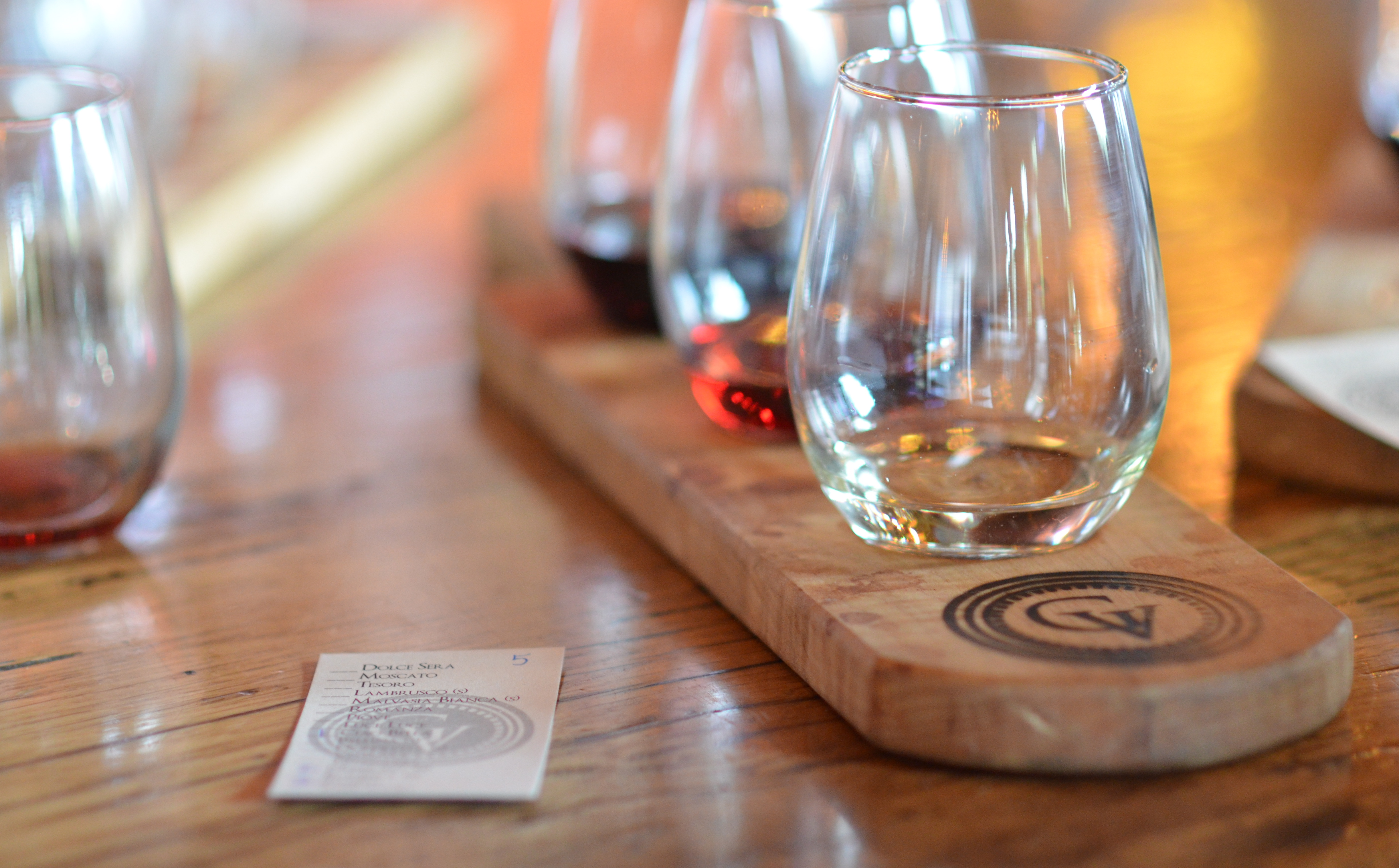
Some highlights: Ciao Bella: One of their Chardonnay offerings that had a slighlty bitter fiddlehead start but settled into a buttery finish. The Lambrusco, a sparkling white made from grapes imported from Italy. It had a refreshing pear and vanilla vibe that the girls thought would pair nicely with apple, peach or strawberry tarts. Next up was Malvasia Bianca, one of their select wines that had a much stronger pear on the nose and a nectarine, honey vibe.

For the reds, I chose the ZinZin; a mighty smooth operator tasting of bold black cherry with a peppery bite on the finish. The last choice in my flight was the Nebbiolo, that started out with a chipotle pepper ~ chocolate vibe on the nose but ended with an unexpected earthy finish.

Wanting to end our visit with something a little sweet we decided to indulge in a little Pizza Nutella; a wickedly good confection of Nutella and chocolate ganache with toasted hazelnuts, topped with a creamy vanilla gelato. Nutella pur tutti!

It was the perfect end to a truly perfect day.

Cheers!

This slideshow requires JavaScript.

©TheWineStudent, 2013


Vintage Ohio Wine Festival ’13

This slideshow requires JavaScript.

The skies were changeable, and in the Cleve this summer, it’s been pretty much  the norm. Throwing caution to the wind but coating my hair with another layer of anti-humidity hairspray, I met HubbyDoug and our friends, Z and Cindy, on the East side to check out the Vintage Ohio Wine Festival at the Lake Metroparks Farmpark in Kirtland, OH.

The place was huge, with tasting areas scattered throughout food and craft booths. Surveying it all we just decided to find a spot and get in line. Our pick for the night: The Winery at Spring Hill ~ Chambourcin. It had a light and refreshing cranberry vibe and offered the most complexity of the wines we sampled. I also enjoyed the Auburn Twin Oaks Winery ~ Maple and Vine sweet dessert wine.  Made from a blend of Riesling, Traminette, Vignole, Vidal, and infused with maple syrup , I thought it would pair nicely with richer, creamier cheeses such as Brie, goat or triple creme. As for sweets with this sweet; fresh fruit (pear, fig, apple)  or delicate biscotti would enhance the flavours. Anything too tart… wouldn’t be smart. Okay, I’m really sorry, that was bad.  And if you’re reading this after 5pm, you should have a sip of wine. Maybe two.

On our way out, we stopped by the American Wine Society booth. I had a great chat with reps Arlene Mole, and Janice Cobett, Regional Vice President. The AWS promotes wine appreciation through education and they told me about some  upcoming events, including the National Conference taking place in Sandusky this November. Hmmm, spending a weekend learning more about wine? I’m there!

The festival features live music with local talent, cooking demonstrations, wine education seminars, a ‘Meet the Wine Makers Experience‘ and a Gourmet Food Truck Explosion, which, as we happily discovered,  just meant really amazing gourmet fusion entrees.

The fun continues today, from 1 until 10 pm.

Cheers!

©TheWineStudent, 2013

Summer Solstice, Wine, and Finding a G-Spot?

This slideshow requires JavaScript.

Wait. What? Yeah, I thought the same thing when I saw the list of wine offerings last weekend at the 11th Annual Sarah’s Vineyard Summer Solstice Festival in Cuyahoga Falls. I’d been looking forward to this event for a while because I had wanted try some other local wineries in North East Ohio that I’ve yet to visit. It’s great  because you can sample from many local wineries that aren’t always featured at other wine events in and around the Cleve. We started by sampling Sarah’s Vineyard‘s top three; The Sweet Elisa ~ a Concord and Niagara grape blend; Painted Lady ~ Riesling and Chardonnay and the Miserabile ~ A Tuscan blend of Merlot, Sangiovese and Zin ~ their biggest seller of the festival’s first two nights. The woman next to me described it as ‘powerful’ and it was probably the most interesting and complex of the wines we sampled.

The best wine name had to go to Red Horse Winery’s G-Spot; a Riesling blended with a tart little hint of Granny Smith apple. I’m not one for apple wine but this wasn’t a bad combination; refreshing and crisp, it definitely got everyone’s attention. HubbyDoug’s pick of the day was their Pinot Noir.

I liked Mastropietro‘s  Chambourcin ~ which, served slightly chilled, seemed to have a little more depth of flavor than normally found in a typical blush. It provided a nice, light sip on this smokin’ hot day.

Summer Solstice is a time when we celebrate the promise of wonderful things to come. This festival was a great celebration of some Ohio wineries’ proud offerings of the season.

Cheers!

©TheWineStudent, 2013

2013 Cleveland Wine Festival

This slideshow requires JavaScript.

The night breeze was almost tropical. And that’s saying something for the Cleve. Every year, I look forward to going to the Cleveland Wine Festival at Voinovich Park, and this year it was spectacular. My friends, HubbyDoug and I arrived early enough to sample responsibly and get a good look at this year’s offerings. The pick of the night for my friends Terri and Shelly: the 2012 Estancia Moscato. Light and refreshing, it delivered a nice complexity with the sweetness, which made it a good sipping wine ~ requiring seconds (and thirds) to get the ‘full view’ of flavors. At least, that’s what they told me.

What I found most interesting this year was seeing a real change in label art. Many of the brands represented moved towards (especially for their entry-level wines) more eye-catching, funky artwork; spectrum of pastel to neon to color-blocked lettering, backgrounds, and lots of movement on the label. Be.Wines had a little test you could take to discover what type of wine suited you. I thought it’d be really interesting to see how the test scores changed as the night went on; someone who started the evening as a steadfast golden retriever (one of the choices) might end up as a jungle cat by closing time. Rowrrr!  They seemed to be reaching their target market; I saw a lot of  Millennial ladies taking the test as the night went on.

Many Ohio wines were well-represented and my choice for the evening was Laurello Vineyards Rodavi, a 50 | 50 blend of Merlot and  Cabernet Franc.I’m not always a fan of Merlot but blended with their Cab Franc, it brought an extra dimension of fruit and tannin that I don’t find with Merlot on its own.  I was also fortunate to sample a little of their 2012 Cabernet Franc, which I found to be a delicate combination of red cherry and a hint of vanilla.

When all the elements come together to make a great evening: good weather, great friends, food and wine, you can’t ask for anything more.

Cheers!

©TheWineStudent, 2013

Workin’ it in Washington

Pretty in Pink

Pretty in Pink

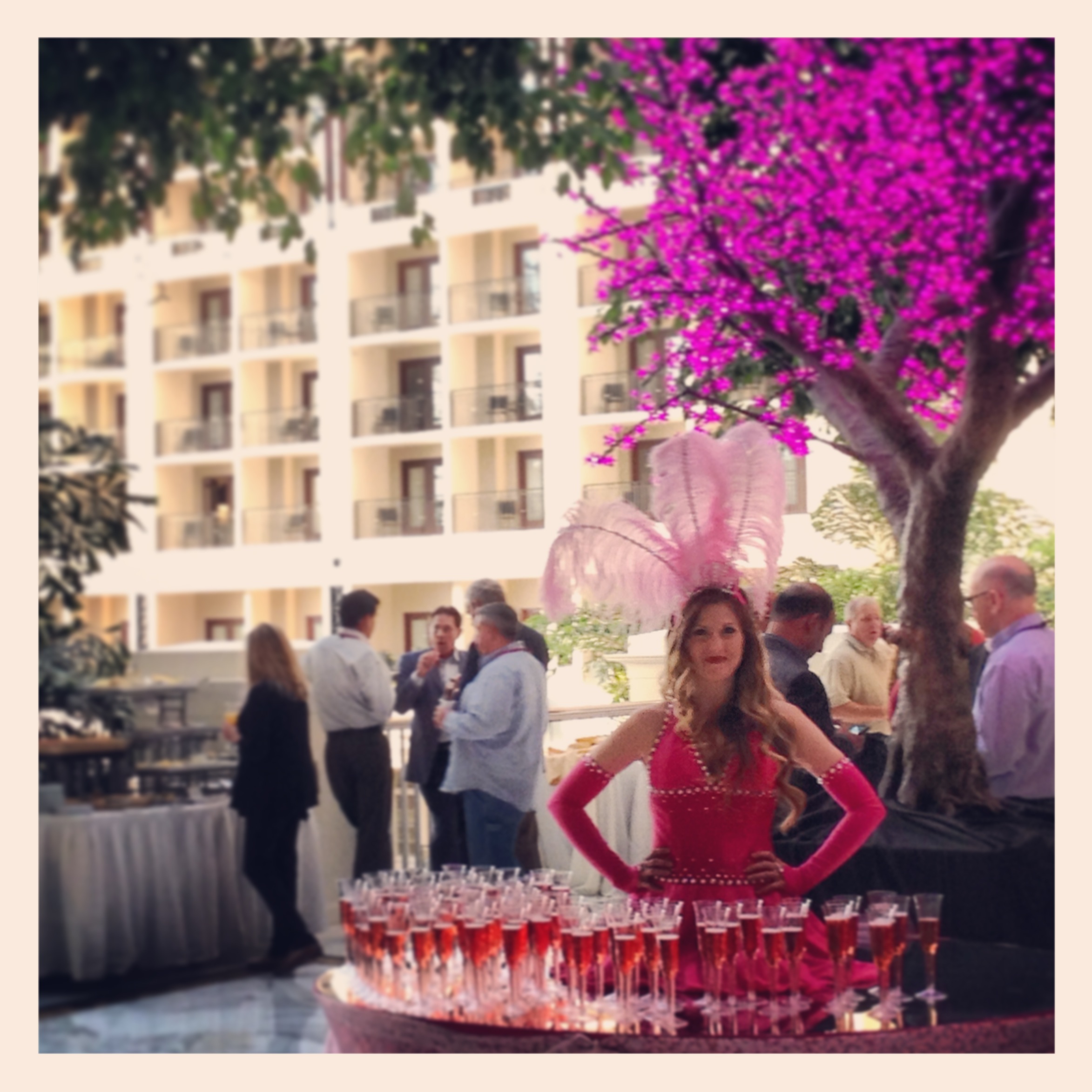
Bubbly and fun, this lovely girl was serving a Pink Prosecco Party Punch. She was working an event I attended this past weekend in DC. While it wasn’t specifically a wine event, there was always a glass of fermented fun nearby. Which is good, since it usually helps to loosen the tie of even the stuffiest stuffed shirt.

Prosecco is a sparkling wine from, most notably,  the region of Veneto in North Eastern Italy.  Pink Prosecco is just what it sounds like. What makes it pink? Skin contact with the Pinot Nero (Noir) grape.  According to WineSearcher.com the varietal blend is: 85% Prosecco (Glera) ~ the 15% remaining may include: Bianchetta Trevigana, Perera, Chardonnay, Pinot Grigio, and Pinot Noir (if you want it pink). Some notable brands worth sampling: Ruffino ($12), Canella ($17), Bisol Bel Star ($20). For mixing in punch, you might want to stick with the lower priced offerings. If you’re going to spend $20 on a bottle, it’s best to keep it the star of the show.

I find that sparklers like Prosecco go right to my head, so my rule of thumb is: One glass to feel dreamy ~ two or more and it’s lights out. But when combined with one of the first warm evenings of spring, it prompted me to start thinking, and anticipating, a great season ~ alfresco and under the stars.

Cheers!

©TheWineStudent, 2013

It’s Always Sweet in Florida: San Sebastian Winery


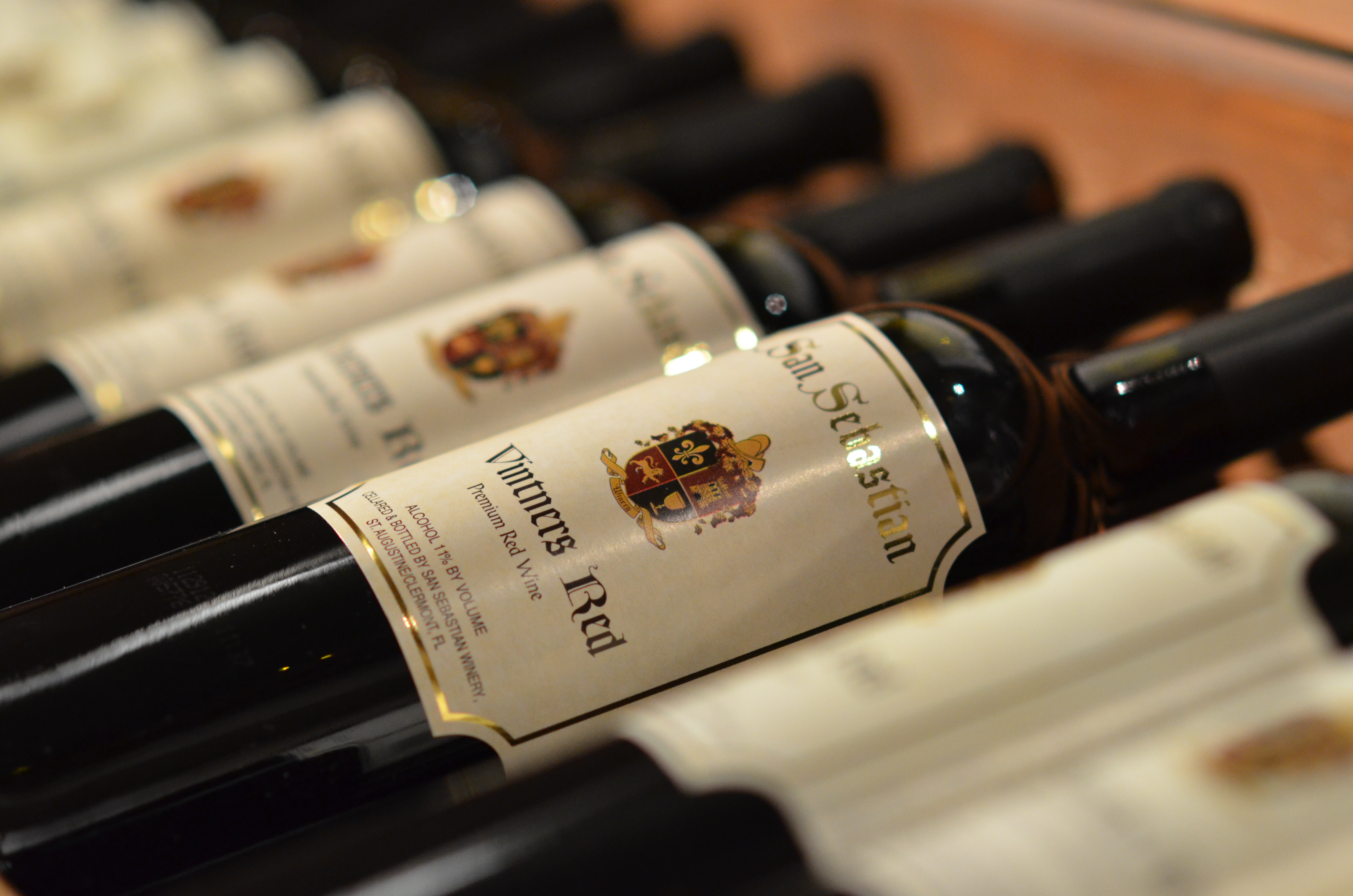
Wherever I travel, I always try to find a winery. Not that I can’t go a day without a glass of wine, but it’s a great way to check out local offerings and to taste the differences in growing regions. On this first trip to Jacksonville, I wasn’t sure I’d find one so close. San Sebastian Winery in St. Augustine, was only 45 minutes away by car. Sweet.

Established in 1996, San Sebastien Winery uses a combination of hybrid bunch grapes; Stover, Suwannee, Blanc Du Bois along with Muscadine. The Muscadine grape thrives in humid, warm conditions and well-drained, loamy sand. It bears fruit in small, loose clusters that allow for better air flow and circulation. If you look at the picture, they look really different from what we’re used to here in Ohio.

Muscadine Grapes Image via drlindseyduncun

Muscadine Grapes Image via drlindseyduncun

Their growing season begins from bud break in mid-March to harvest in late July and August.The skins change from a bronze into a deep blackberry color, when fully ripe, and have a very high content of polyphenols and trans-resveratrol, highly touted for its’ health benefits. Muscadine wine is typically sweeter due to the sugar content from the winemaking process.

Unlike many wineries I’ve visited, there was no direct access to their vineyards, (Lakeridge Winery) located several miles away in Clermont, Fla. So we toured the winery, saw an informational video about how wine is made, had a quick look at the barrel room, the bottling area and finally wound it all up in the tasting room. There, we sampled a few of their products including: the Castillo Red (very Merlot-like) and the Stover Reserve ~ quickly moving down the list, from dry to sweet, until we reached the sherry and port.

Tour guide Doc Michealson, instructed visitors on why the swirl is important and, specifically, how to properly sip the port and sherry. He explained that it would take three sips of each to get the full flavor. One lone sip and all we’d taste would be “the booze”, not that there’s anything wrong with that. However, I got his point that the beauty was in tasting the nuance of the flavors. For a winery whose mandate is for visitors to take with them some education about wine, and also a bottle or two, they do a nice job.

We found that most of the wines tended to be on the sweet side, even ones that were billed as dry, tasted quite sweet. That makes sense given the type of cultivar that do well in summer heat as well as the style of winemaking. It also could be because our palates are used to beefier, full-bodied reds from Italy, Oregon, Washington and Napa.

But that was the most interesting element because it was a true expression of their particular terroir.

Instead of being a copy of some other style, it was uniquely their own.

Cheers!

This slideshow requires JavaScript.


©TheWineStudent, 2013


Apt Pupil

I’m so excited! I just registered for the WSET level 1 Foundation Certificate course at the American Wine School here in Cleveland! For three Mondays starting in April, I’ll learn about varietals, factors affecting the style of wine, food and wine pairing and proper wine service. I’ve been wanting to take this course for a long time , and it’ll be great to immerse myself in a methodical look at the world of wine.

This winter has made my brain feel a little like Swiss cheese, so I can’t wait to have a new challenge. And when the main topic is wine, who says learning can’t be fun?

Cheers!

©TheWineStudent, 2013