Clean as a Whistle

With the holidays fast approaching, it’s time to get those little jobs [you love to ignore] done before your guests arrive and the wine is uncorked. Because you know the jobs, no matter how small, will never get done when that happens.

Cleaning my wine decanters is one of those jobs. I admit I haven’t been decanting my wine in the past few months; instead favoring the aerator or just going au naturel and pouring right from the bottle into the glass. I did stop, however, at just taking a straw to my bottle because I like to stay a little classy. Since I’d been neglecting my decanter, a fair bit of old sediment had accumulated on the bottom and was tough to get out with the standard method of cleaning.

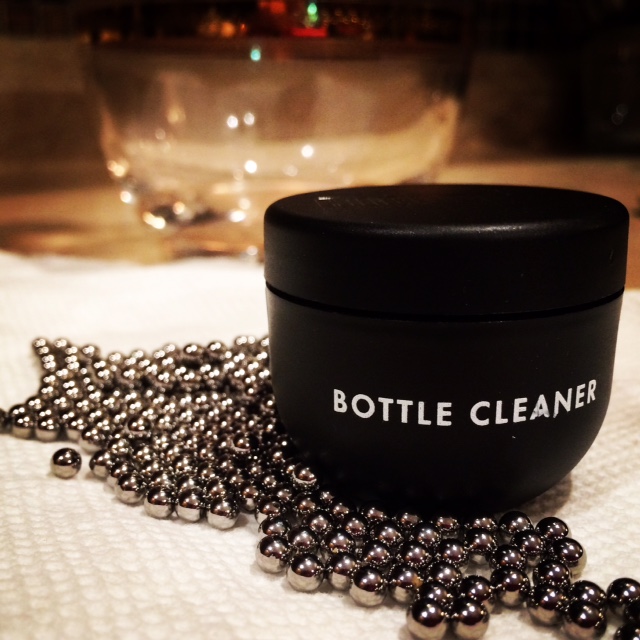
I’d seen bottle brushes that looked like they’d do the trick but one of my decanters was irregularly shaped and the brush wouldn’t reach the main area of trouble. Further research lead me to the Riedel decanter cleaning beads; little stainless steel beads that are shaken around the bottom of the decanter and naturally power away stains and old sediment residue.

The way they work is simple: Take your decanter, fill about half way with water, pour in the beads and swirl, or gently shake back and forth for about two minutes. Pour the water and beads through a strainer, let the beads dry and reuse again. I found with my decanter, it took a little longer to get the stubborn stains out but what resulted was a crystal clear decanter, ready to use for some beautiful holiday wine!

I finished the experiment by placing my decanter on a wine decanter dryer stand so that all the water could drip and/or evaporate. Nice. And easy.

All this cleaning is making me thirsty. And now that I know how to easily cleanse my decanters, I just might have to find a vintage that’ll help me whistle when I work.

Cheers!

©TheWineStudent, 2014

Great Expectations

When the frost is on the pumpkin, we usually have the mindset that summer’s fun is on the wane and we need to start battening down the hatches against old man winter. But I like to believe that there’s still a lot of fun to be had.

Here are two new venues that promise to bring a little mirth to the wine in your glass.

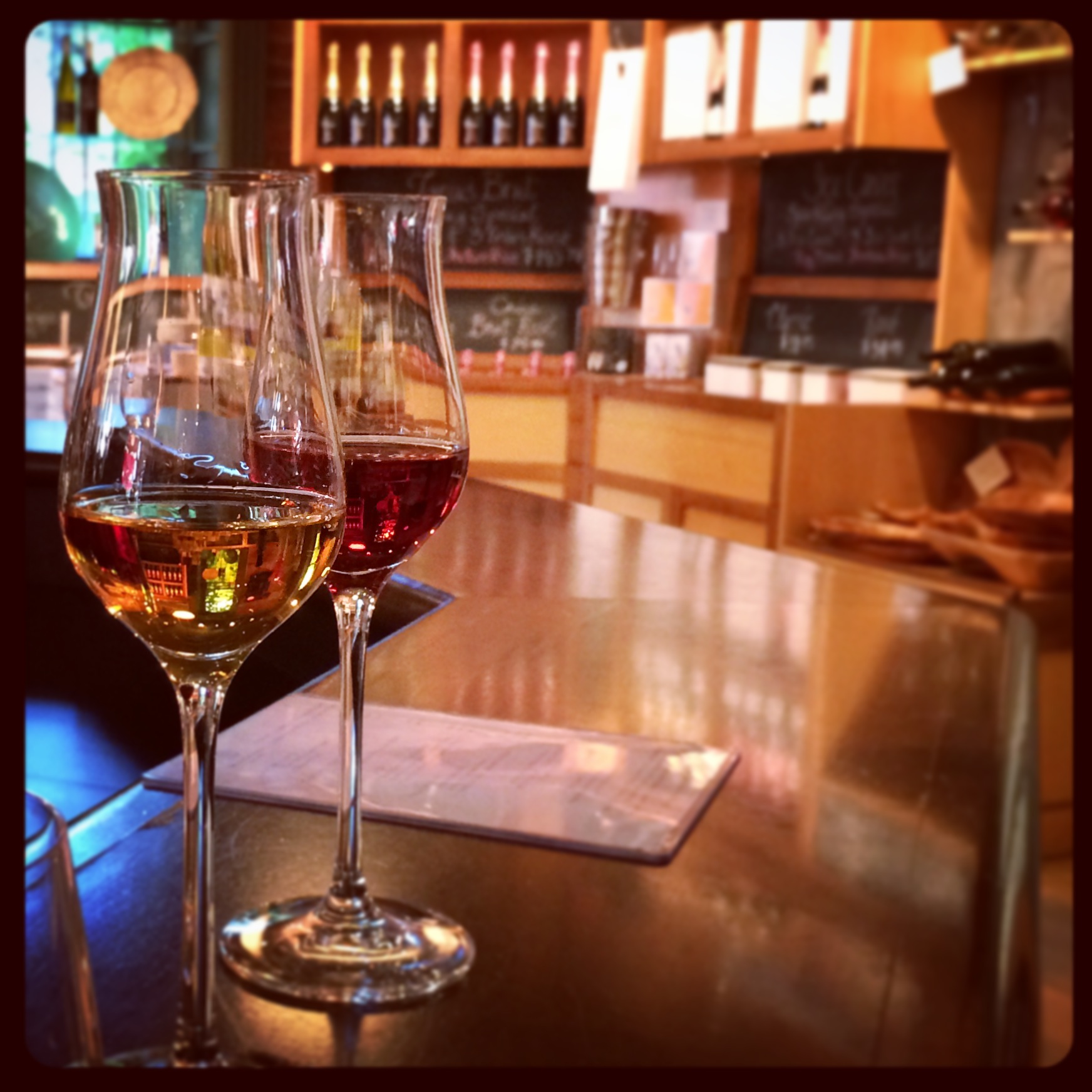
Athens Uncorked ~ Located close to Ohio University, Athens Uncorked is poised to become the ‘first grown-up’ wine bar in Athens. With over thirteen years of café and culinary experience, siblings Nate Hayes and Kathryn Blake’s vision is to provide Athens a quiet, ‘off the beaten path” adult lounge atmosphere. Avid wine students themselves, Nate and Kathryn have been hitting the books to research which wines will make up their flights and tasting menu. “We were red wine snobs,” confessed Hayes. “But since we’ve been sampling so many whites that we want to put on the menu, it’s opened our eyes to how many great white wines are out there.”

A variety of seven themed wine flights will range from organic wines, sweet to dry whites; bold and beautiful reds, to a ‘Home Sweet Home’ flight showcasing native Ohio wines. “We really want to hit all the bases with our wine flights,” said Hayes. “ And every two months or so, we’ll change and reset the menu to give our guests a new experience in what’s available.” Their Cellar collection will feature high-end wines sold by the bottle. To keep the focus on the wine, a small, simple tapas-style menu will be available.

Though they’re currently in the throes of construction, Hayes was kind enough to take me on a little tour; they had just finished painting the walls a gorgeous, deep purple color. We did most of our interview in the cosy loft area that will be used for monthly tastings and special events. He described the decor as “comfortable and relaxed” with couches, chairs and tables designed to keep the emphasis on their tagline of ‘wine, conversation and friends’.

Athens Uncorked has targeted the opening for mid-November and expect to be in full swing in time for the Thanksgiving holiday season.

Athens Uncorked, 14 Station Street Athens, OH, 45701

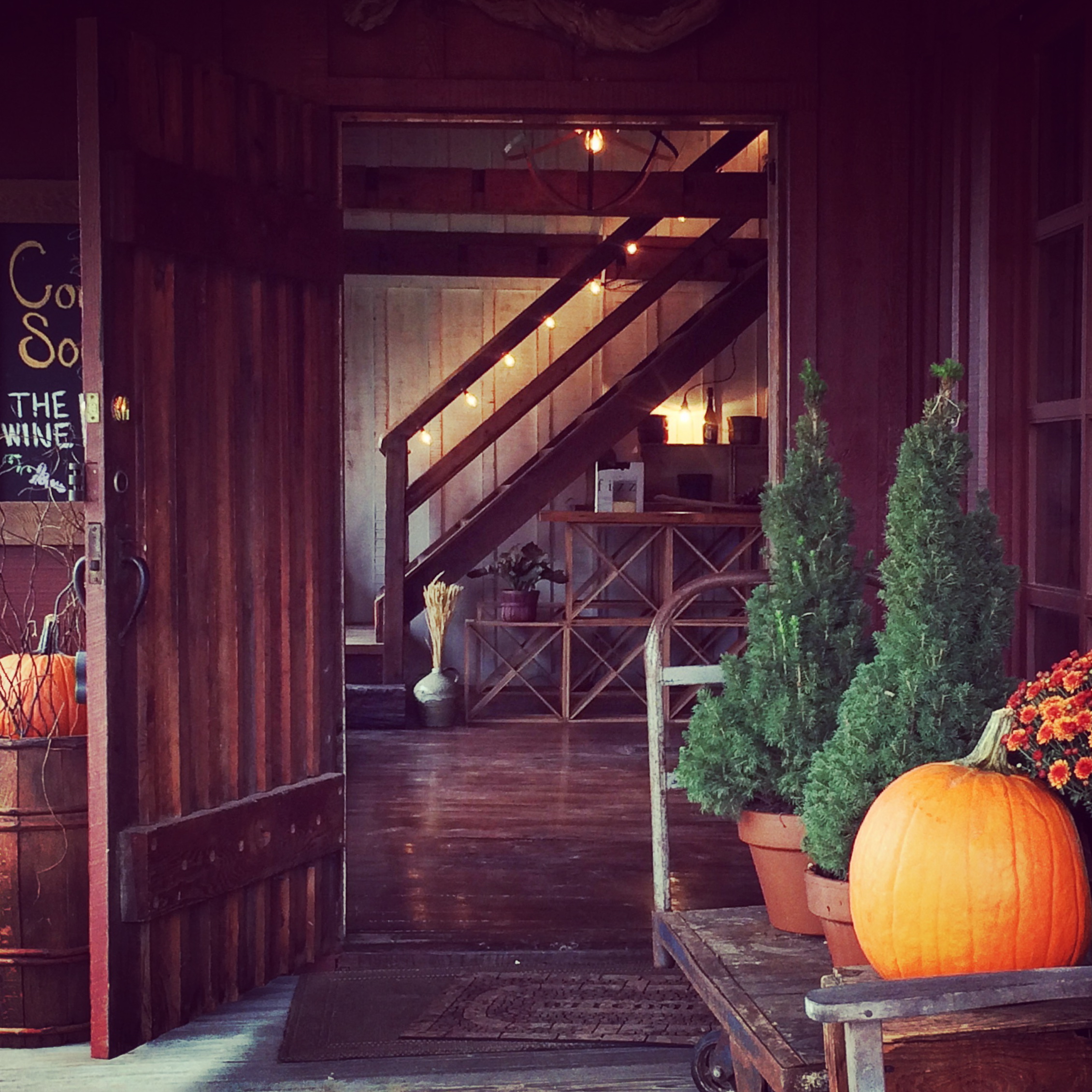
The Wine Mill ~ In the heart of Peninsula, Ohio, in a vintage mill dating back to 1846, The Wine Mill is a part of history re-imagined. Partners Steven McClellan and Patrick Cunningham have a vision of pairing a charmingly rustic setting with a wide variety of fine wines.

Dave Mazzone, Fine Wine Specialist at the Wine Mill, said the wine flight groups are at price points that are easily accessible. “We’ll have a wide array that will have an upscale regional and varietal interpretation. We want the focus to be on having people try things that are new to them,” he said. “The wines featured will be more boutique, and not the average wines that can be found anywhere.” In selecting featured wines for the tasting menu, Mazzone said the key is to offer the familiar as well as the new. “We want to maybe challenge people’s paradigms of what wine drinking ought to be but also still delivering, in a very high level, to what people’s expectations already are. So the vision is to be a blend of those two thoughts.”

The Wine Mill will also have their own label varietal wines. “There’s going to be a Pinot Grigio, Pinot Noir, Chardonnay and a Cabernet available in the very near future. After that, a reserve Napa Valley red wine as well,” Mazzone said. “The Wine Mill will be exploring some relationships, through me, that I’ve got with some great grape growers and great wine producers to commission them to produce wines for The Wine Mill that they’ll put their own personal label on,” he said. “They’ll be Ohio wines that aren’t necessarily grown in Ohio. Even though it’s not locally sourced produce, it’s going to be a locally sourced business.”

As for eventual plans for full scale winery at The Wine Mill, Mazzone said that the original vision was to begin as a winery but since achieving licensing permits can be lengthy process, the thinking became more long term. “My advice to them was to open up their doors, offer a niche product at a fair price, and do it in a really well-serviced way, and build a following.” Producing their own wines will be a marriage of local and bi-coastal. Planting grapes on the adjacent property will be the next phase. “There’s a lot of room there to do a few select varietals,” said Mazzone. “And anything else produced would be grapes sourced from other wine growing regions.”

For the menu, food items will be unique in presentation but designed to serve two or more. “Just like the song says, ‘one is the loneliest number’,” joked McClellan. “Everything we offer will be in quantities for the entire table to share,” he said. “We’ll also be featuring a selection of high-end cheeses because the wine deserves it.”

The tasting area, including an upstairs loft, and outdoor patio, can accommodate groups of up to 150 guests. The bordering eight acre property will have winding trails leading to a natural, wooded ceremony | event area furnished with chairs, tables, and fire pit. “We want to keep a natural, not manicured, feel,” said McLellan of the outdoor space.

Progressing from concept to construction to opening has been “a real learning experience,” said Cunningham. Pending permits and finishing touches, he estimates that The Wine Mill should be set to “open in mid-November.”

The Wine Mill ~ 4964 Akron-Cleveland Rd. Peninsula, OH, 44264

It’s such an exciting time for the Ohio wine industry. These two new wine ventures both share a vision and enthusiasm for the grape, as well as offering visitors fun and unique wine experiences, any time of year.

I wish them both the best of luck and can’t wait to stop by again to check out how things are going!

Cheers!

©TheWineStudent, 2014

This slideshow requires JavaScript.
Four Blondes, Five Wineries


This past weekend, I was able to bring my friends Terri, Shelly, and Cindy up to Niagara to experience some Canadian hospitality. And to check out the Niagara Wine Festival. After a brief stop to see Niagara Falls, and enjoy a great first night dinner, we began our journey the next day with Niagara Vintage Wine Tours. Gus, our awesome guide, was so friendly and knowledgable, he did an amazing job of filling in the picture at each winery we visited. He also gave a wonderful, anecdotal history of the town of Niagara-on-the-Lake.

Our tour (which included lunch at The Charles Inn) stopped at the following four wineries:

  • Konzelmann ~ Located on lakefront property, when they opened their doors, in 1984, they were the seventh official winery in Ontario.There are now over 140. They had a great presentation by J.R. who gave a crash course in wine tasting and the proper way to sip effectively. He also talked about how it’s best to allow the wine, especially Icewine, to move to the back of the tongue (with a tiny bit of hang time) to get the full flavor and texture. It was amazing how much more depth there was to the samples we tried.

Four Blondes Pick: 2012 Cabernet Sauvignon

  • Pilliteri ~ One of the world’s largest producers of Ice Wine, Pilliteri is steeped in history and family tradition. The Carretto, featured prominently in the awards room and pictured on many of their labels, is a Sicilian cart that provided transport for families and their belongings or moving their goods to and from market. The barrel cellar/events room is one of the coolest I’ve seen. A stunning concrete table, about 500” long is surrounded by 23 stainless steel chairs on the walls above. the chairs are specially engraved to commemorate significant dates in the history of the winery. Style definitely meets substance as this is a fully functional cellar, maintaining a constant temperature of 12 degrees C with increased protection against light and no vibration to disturb the ageing process. Shelly and I thought it was so cool, we fell behind in the tour and almost got a tardy. But Gus took pity on us and helped us catch up to our group. We joined them just as Francine, our winery guide began our tasting. We sampled quite a few and with such a variety of Icewine, including a Sangiovese and Cab Sauv, it was difficult to choose just one.

Four Blondes Pick: 2010 Exclamation Reserve Cabernet Sauvignon and the 2012 Cab Franc Icewine.

  • Between The Lines ~ After lunch, the skies cleared and we headed to the big red barn that houses this smaller, young winery. BTL has a lot of heart and maintains a preference to keep things small but real. Their wine is only available at the winery or via delivery (only in Canada) or at select farmer’s markets in Niagara and surrounding Ontario regions. I found the wines we sampled a bit young tasting but I believe they have great promise. Cellaring for a couple of years could just bring out the depth and complexity that I tend to look for. I like what Greg and Yannick are doing here, and the commitment they have to stay smaller and focus on creating a great product rather than mass produce and lose what’s unique. They’re headed in the right direction.

Four Blondes Pick: 2012 Lemberger Reserve

  • Marynissen ~ Our last stop was the home of wines chosen by former Prime Minister of Canada, Jean Chretien to be served at official state dinners. It also boasts the oldest commercial planting of Cabernet Sauvignon in Canada. We tasted a few wines ranging from the Unoaked Chardonnay to their notable Gamay Noir. A very pretty boutique winery, it was a quaint stop to round out our tour.

Four Blondes Pick: 2013 Unoaked Chardonnay, which Cindy thought was, “very nice for the region.”

““““““““““““““““““““““““““““““““““““““““““““““““““““`

Peller Estates ~ This winery was not on our tour but we stopped in to round out our day. Beautiful and stately, Peller was a winery the girls spied as we drove into the old town of Niagara-on-the-Lake and mentioned that they wanted to look inside. There was a big country hoe-down going on and while we thought about sticking around to try the mechanical bull, we had dinner reservations so…                                                                                                                                                                                                                Four Blondes Pick:  the Riesling Icewine, fresh and crisp, it was an different alternative to traditional the Vidal.

““““““““““““““““““““““““““““““““““““““““““““““““““““`

Four Blondes Big Pick: 2012 Wayne Gretzky Estate No 99 Vidal Icewine. The delicate floral vibe on the nose and liquid amber, honey and butterscotch taste was heavenly.The rich, velvet-y mouthfeel was also incredibly pleasing. If this was in the Stanley Cup playoffs of Ice Wine, this number 99 just won the shootout.

The Niagara Wine Festival continues today and wraps up September 27 and 28.

Thomas Wolfe once wrote, ‘you can’t go home again.’ Well, in fact, you can. And if you’re really lucky, you can bring some great friends with you.

Cheers!

©TheWineStudent, 2014

This slideshow requires JavaScript.

When Stoned Isn’t Always So Much Cooler

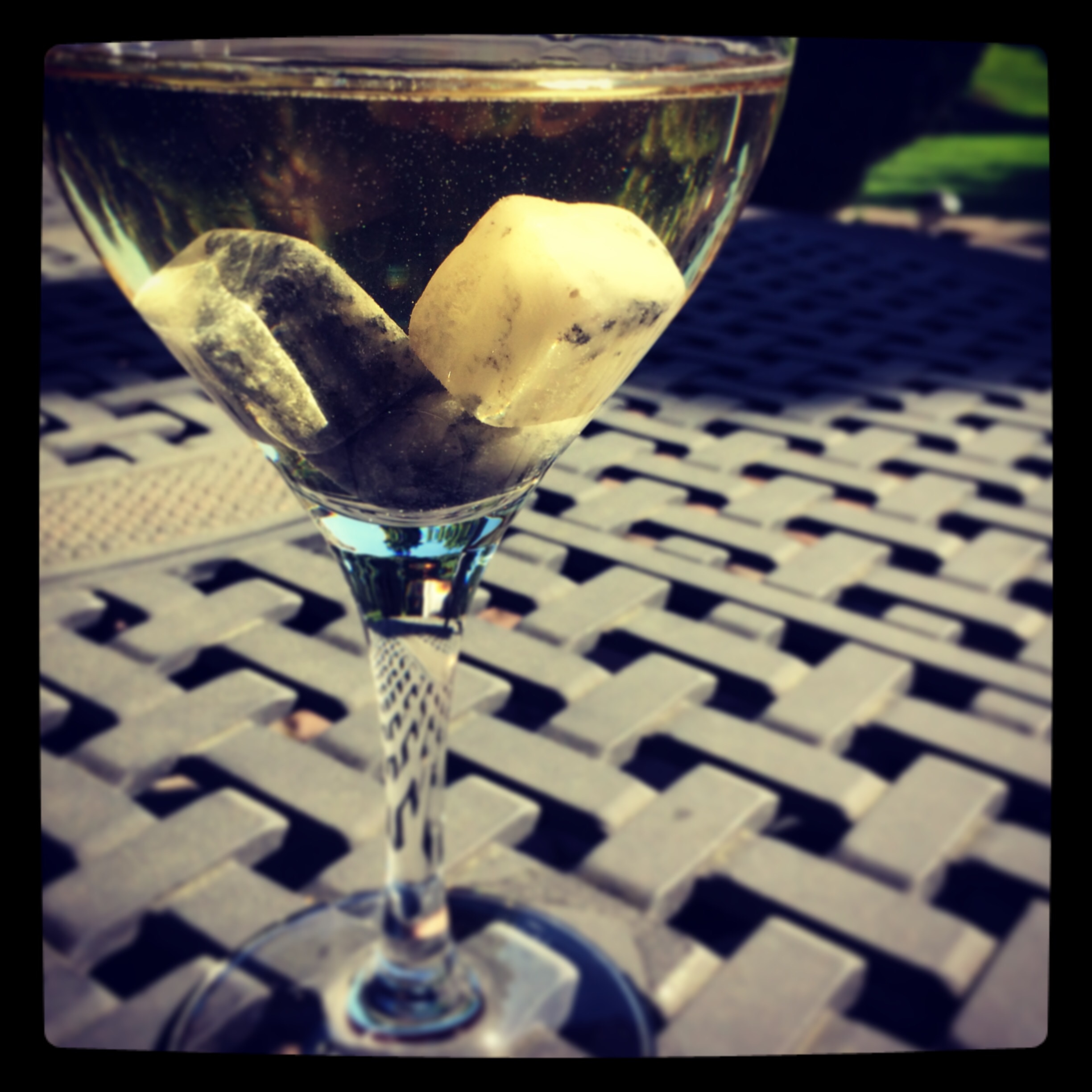
It was bright, sunny, hot (yes) and crystal clear here in the Cleve. And like the summer romance that vanishes by Labor Day, I chose to make the most of it while it was here. I wanted a little glass of Chard to toast a beautiful late afternoon but nothing was cold (stupid fridge ~  for not knowing what I needed before I knew what I needed). Bah! And so I did something one should never do with any white wine ~ I opened it anyway and tried to chill it with some frozen whiskey stones. Desperate times called for somewhat desperate measures. How did they fare? About as well as you can imagine … notsomuch. While they created a nice little bubbly effect on the glass, they didn’t help cool the temp to drinkable. But then again, they’re not really designed for wine.

Well, live and learn. And in future, I’ll make sure I always have a couple of bottles on the chill. Because that’s so much cooler for me if I do.

Cheers!

©TheWineStudent, 2014

Chips Ahoy


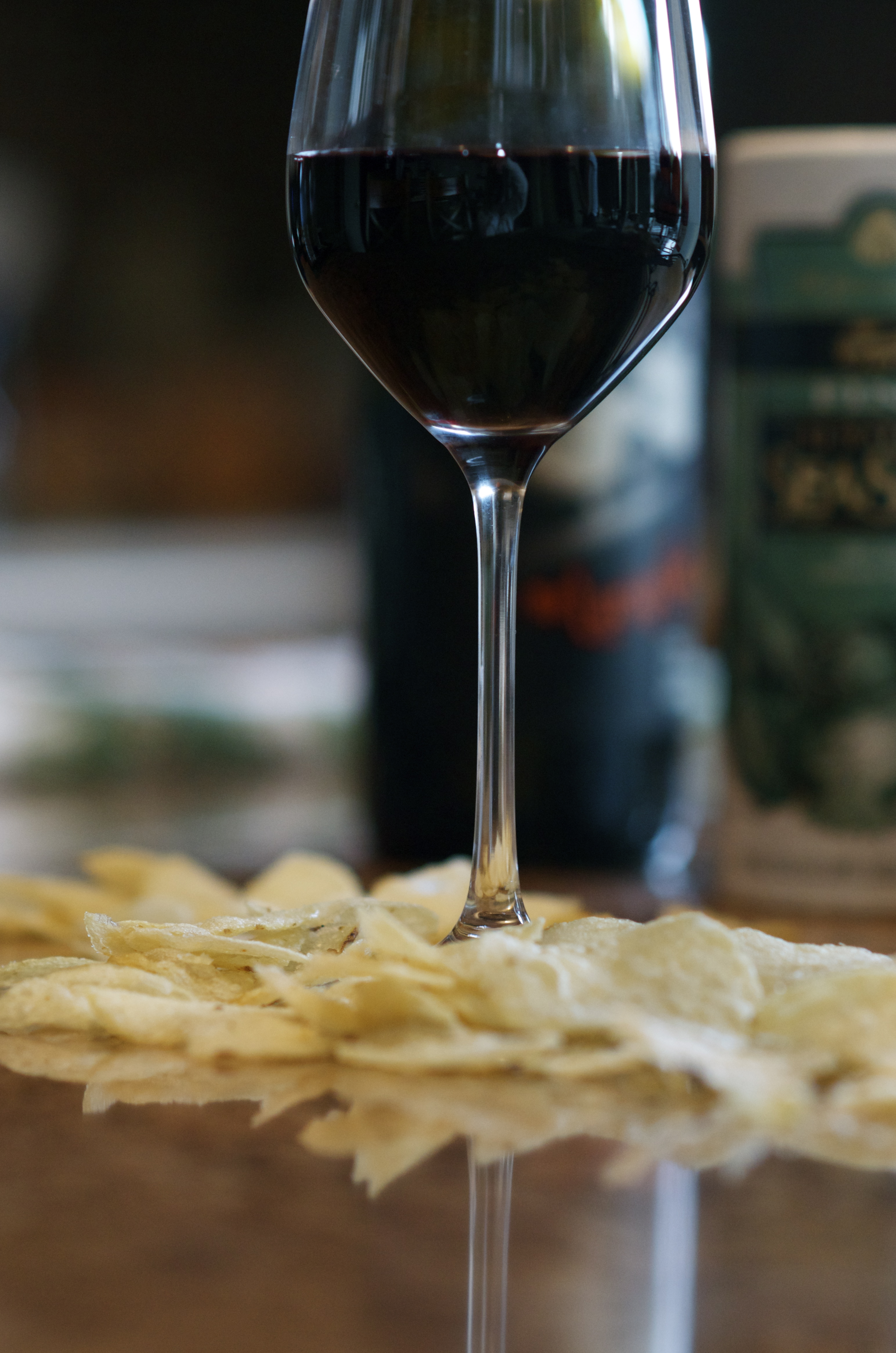
Today, I opened a bottle that I’d had for a little while. But when I tasted it… well, it wasn’t exactly off but a little more bitter than I was expecting. What to do? I ripped open a bag of Lay’s Classic Potato Chips. I’d been craving them, had gone for a long run earlier in the day, and up until now, had been really, really good about my my foodie choices. But why would I think chips would go with any wine, much less this one?

When I  took my WSET course last year, I remembered that in the food and wine pairing class, salt had been considered a wine-friendly component of food that can aid in softening some harder elements of wine.

Salty foods also:

  • Increase the perception of body in the wine
  • Decrease the perception of the wine’s bitterness and acidity

The chips actually did their thing quite nicely. The wine became considerably less harsh and easier to enjoy.

Clearly, it wasn’t a day for carefully selecting the vintage, and the exact right variety of potato. And much that I’d read had chips being paired with Champagne or other sparklers. My choice: An Australian Shiraz. And it was made much softer and enjoyable with this pairing.

You might want to experiment on your own with kettle-cooked-cracked-pepper-gourmet what have you, and that would be great. But if you’re finding your wine a little too harsh, and your pantry has only a bag of chips, be brave.  You might discover that what’s inside can be just as nice as the most expensive, savory hors d’oeuvre.

Cheers!

©TheWineStudent, 2014

Lusca the Irish: Wine from the Emerald Isle

Kiss me! I’m Irish. Actually, I am. And for these past three St. Patrick’s holidays, I’ve been on a quest to find the elusive Irish wine. Coming up about as lucky as a sliding down a banister with the splinters pointing in the wrong direction, I found nothing that was a true wine made exclusively in Ireland. So I wrote instead about Mead ~ and while it is a traditional Irish honey fermented drink, it’s not wine in the sense of the true grape nectar. Faith and begorrah, I searched today and found a little pot ‘o’ gold at the end of the rainbow. The third time was definitely the charm.

Planted in 2002 by David Llewelyn, Lusca Irish Wine currently produces a small trove of about 300 bottles per year of: Cabernet Sauvignon, Merlot, Dunkfelder and Rondo. Sauvignon Blanc, Gerwurztraminer and Schoenberger round out their whites. Vineyards are planted near their orchards, just outside the village of Lusk , and use cloche-like polythene structures to encase the vines during the summer months. They find that this helps protect the fruit and foliage canopy from rain, subsequent rot, disease and insects ~ negating the need for pesticides. It also acts to increase temperatures helping to mature the late-ripening fruit.

The wine is made exclusively from their own grapes, using simple winemaking methods, natural filtration processes and is hand bottled and labelled. These are some mighty young wines, to be sure, but may be worth a sample after a wee bit of cellaring to gain some depth and complexity.

Lusca wines are currently available from www.winesonthegreen.com.

As my Da used to say when he’d toast the day, “May the good Lord take a liking to you … But not too soon!”

Slainte!

©TheWineStudent, 2014

Vina Medicata ~ The Doctor is In… Your Glass

What’s good for the heart may also be very good for lung cancer. In a groundbreaking study just published in  Cancer Cell International, investigators from Brock and McMaster universities in Canada have shown that wines are effective in stopping the spread of non-small-cell carcinoma.

Over the past few years, much has been written about the benefits of  polyphenol resveratrol on cardiovascular health, confirming that drinking a glass of red wine a day can help keep the heart surgeon away.

In cancer, cell damage occurs from oxidation, a process that releases harmful free radicals. Polyphenol resveratrol, is a potent antioxidant that prevents this damage. The significance of this study: This is the first time that researchers have demonstrated this link using actual wine instead of a synthetic form.

Evangelia Tsiani, associate professor of community health sciences at Brock University and Dr. Theos Tsakiridis, from the Radiation Oncology division at McMaster University’s Department of Oncology, looked at the effects of Cabernet Franc, Cabernet Sauvignon, Pinot Noir and Riesling on Non-Small Lung Cancer Cells (NSLCC). Using wine from Niagara-on-the-Lake wineries, they found strong data suggesting that wine may have “considerable anti-tumour and chemoprevention properties in lung cancer and deserves further systematic investigation in animal models of lung cancer.”

While all the reds had a significant effect, and in small doses, the Pinot Noir was the most effective. White wines produced an effect that was evident but higher doses were required to be significant. And as with most things in life, moderation is key. Too much of a good thing will not help increase the result, and it’ll just give you a sore head in the morning.

According to Mark McNeil [via the Hamilton Spectator], just eating the wine grapes was not identified by the research team as a beneficial way to deliver the resveratrol needed to obtain these results ~ it may be a combination of resveratrol and the various, currently unidentified, chemicals in fermentation that impact the cancer cells.

While more investigation is needed to determine whether this study will yield the same effect in animals, it’s an excellent step in the right direction for helping prevent the progression of a disease that affects so many.

So drink up! In many cases, it’s just what the doctor ordered.

Cheers!

©TheWineStudent, 2014

Easy Reader 101: The Drops of God

With the weather doing its best to make me a shut in, I thought I’d rethink my daily snow shovel workout and settle in with a book or two (or four) about wine.  The Drops of God is a Manga series of stylized comic novels about the myriad aspects of wine. Written and illustrated by Tadashi Agi and Shu Okimoto, it begins with a quest: the two sons of a recently deceased, renowned wine expert must compete to find and identify the twelve ‘heaven- sent’ wines. Within one year, the winner will correctly answer to which wines, and what vintages, their father was referring. As the story unfolds, it illuminates the finer points of wine service; the benefits of decanting, what to look for in terms of color: How it indicates both maturity of the wine and the climate of where the grapes were grown. The books also demonstrate how two people drinking the same wine can have vastly different impressions about what it tastes like. In this world, the images, memories, sights, smells and feelings wine can evoke, may ultimately uncork its ability to heal.

Manga (MAH-Nnnn-Gah) is traditionally read from right side to left, with the panels and text also read from right

The Drops of God ~ Book One

The Drops of God ~ Book One

to left. This takes a wee bit of getting used to but the information and story is so interesting, it really doesn’t matter. The artwork of Manga is quite distinctive with characters that have large eyes, small mouths and an outpouring of over exaggerated emotions.  And what’s really amazing to me is the detail given in the novels about the wine industry (from vineyard to wine cellar to restaurant) and how looks, labels and first impressions can be very misleading.

The strength of these books is that they appeal to all wine audiences from beginner to expert.

They’re a really cool way to study and gain an in-depth understanding of the magic of wine.

Cheers!

©TheWineStudent, 2014

No Glove, No Love: Wine Condoms?

Quick! Put it on before it spills all over the place! And don’t use Saran Wrap because that doesn’t work. No, ladies and gentlemen, the Wine Condom is not a condom that tastes like wine. Developed by Mitchell Strahan, and his mother, the Wine Condom provides an interesting way to reseal your bottle of wine ~ without the risk of drippage that can occur with traditional bottle stops or reused corks. Like most great inventions, necessity was key; Mitchell’s mother, stand-up comedian Laura Bartlett tried to use Saran Wrap and an elastic band to seal her unused bottle of wine. When she tried to store it on it’s side in the fridge, sadly, there was no happy ending.

Made from food-grade rubber, the Wine Condom works like a standard condom: Put the little cap over the end of the bottle and roll down the neck until…wait ~ did you at least get a dinner before this? The ‘one-and-it’s done’ condom creates a seal on the outside of the bottle, allowing you to lay it on its side, or it can fit on your refrigerator door shelves, which can be a problem with a cork or bottle stop.

The Wine Condom at Work [Image via Foodbeast.com]

The Wine Condom at Work [Image via Foodbeast.com]

 Currently, the Wine Condom is only available through Kickstarter. With a donation of $7 or more, you get a pack of 10 wine condoms ( the ‘large package’ contains 25). A $30 donation gets you a pack of wine condoms, a cool T-shirt and they’ll raise a glass to you!

Be careful with using wine condoms with sparkling wine ~ the carbonation causes the condom to blow right off! It’s better to be safe than sorry ~ you don’t want to shoot your eye out.

The Wine Condom seems to be really trending right now, and it’s great to see someone with an entrepreneurial spirit and sense of humor doing well.

Don’t you just love a story with a happy ending?

Cheers!

©TheWineStudent, 2014

No Corkscrew? No Problem?!

You’ve got the premium artisan cheese, stellar wine that you spent at least three quarters of an hour deciding on, and the glasses that, in one look, will convey your supercool sense of style. You’re ready to begin your fabulous feast and realize…you have no corkscrew. Damn! So close and yet so far. Short of brandishing a sabre to cut open the neck of the bottle, you’re out of luck. Or are you…?

Scanning the interwebs, I found a few methods you can try in a pinch:

  •  MacGyver Paperclip Method: take two paper clips, unfold and push down either side of the cork in the neck of the bottle. Rotate the lower pointy clip ends into the bottom of the cork and then get a pen. Wrap the upper ends of the paper clip around the pen above the neck and start pulling. And keep on pulling. By nightfall, you might have that bad boy out.
  • Screw it: take a big screw (or nails) hammer them into the cork and pull (hard). But who the hell brings nails, hammer and screws to a picnic? Moving on…
  •  Pump It Up (or syringe method): Uh…okay. So you’ve already drilled a hole into your cork and you just happen to have a bike pump (or syringe) handy. Put the needle into the cork, apply a little air pressure and…pop! goes the cork. It worked in the video…
  •  Push It: Using anything sturdy (tire gauge, Sharpie, whatever) that will fit, and just push the damn cork into the bottle. It’s not pretty, sexy, or showy but it’s an old stand-by that’ll get the job done. I hear ninety percent of the time … it works every time.

The method I thought was the most interesting was opening the bottle with a shoe. In theory it works like so: Take the bottle, put it in the heel of your shoe and hit it against a solid surface ~ like a tree (or picnic table). Voila! In six or seven strikes, your bottle is open and the wine can flow. In the YouTube videos I watched, it looked pretty easy. And many people have been writing about this method the past couple of days, so I guess I’m a bit redundant. But I wanted to try it for myself; I am an empirical girl ( living in an empirical world).

How did it work for me? Well, click the video below:

Another method is to take a gun and shoot the neck right off the bottle. You might end up with some glass chards or gunpowder in your goblet but… being a Canadian girl, I think I’ll just use my hockey stick.

Cheers!

©TheWineStudent, 2014