Merry Christmas❣️🎄🎁🎅🏻💋

And to all a good night! 

The holidays are when we can spend time with those we hold dear in our hearts. Or spend time with those wines we hold dear in our hearts. 

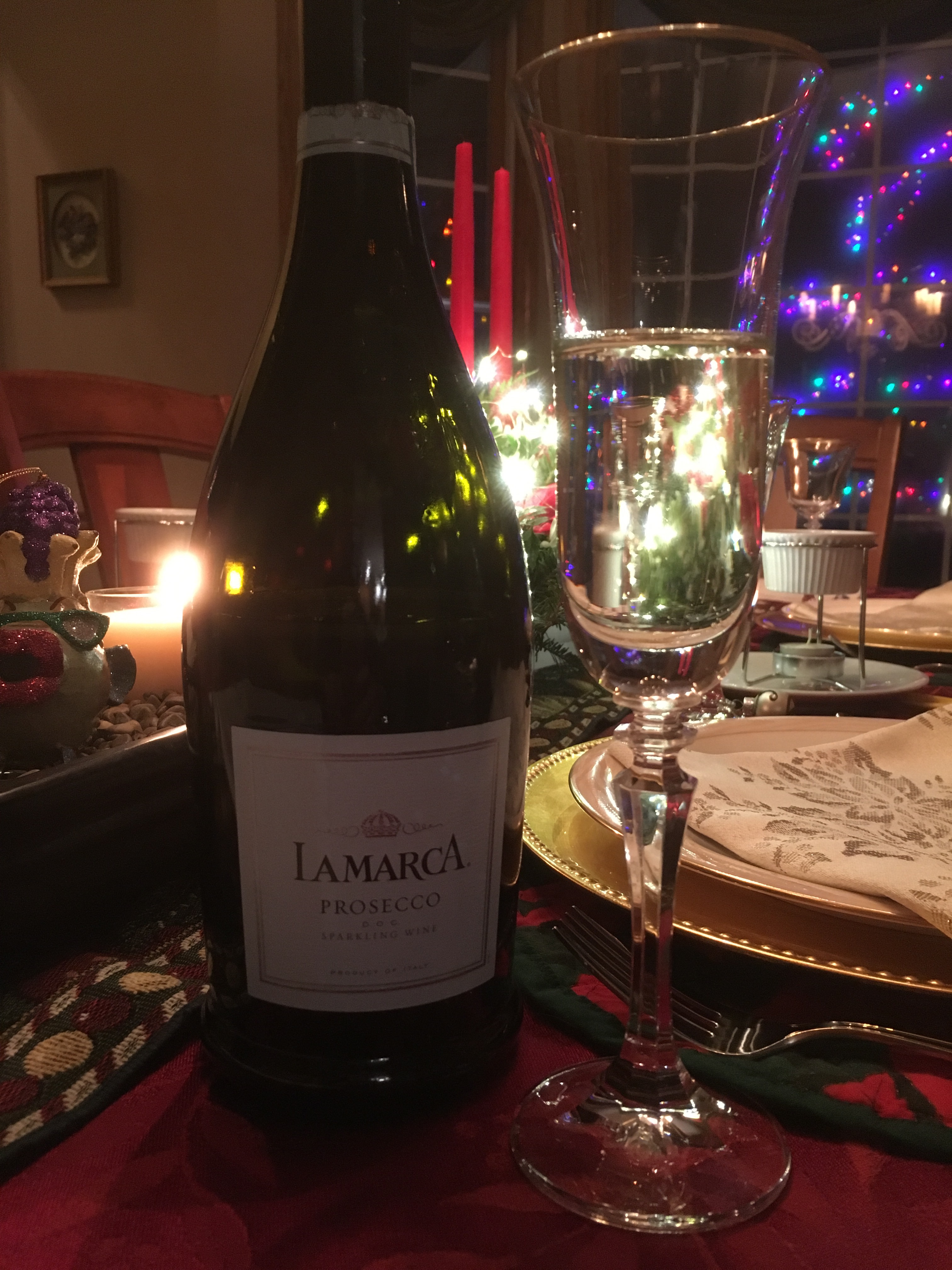
Tonight, HubbyDoug and I are celebrating the season with tried and true picks of LaMarca Prosecco and Elouan Pinot Noir. We’re dining on crab and homemade French Canadian Tourtiere

It’s the simple pleasures that can make the holidays very special. 

I hope you all have a very Merry Christmas. And may all your pleasures this season be simple and special! 


Cheers! 


My New Sparkles for Thanksgiving ✨🍾


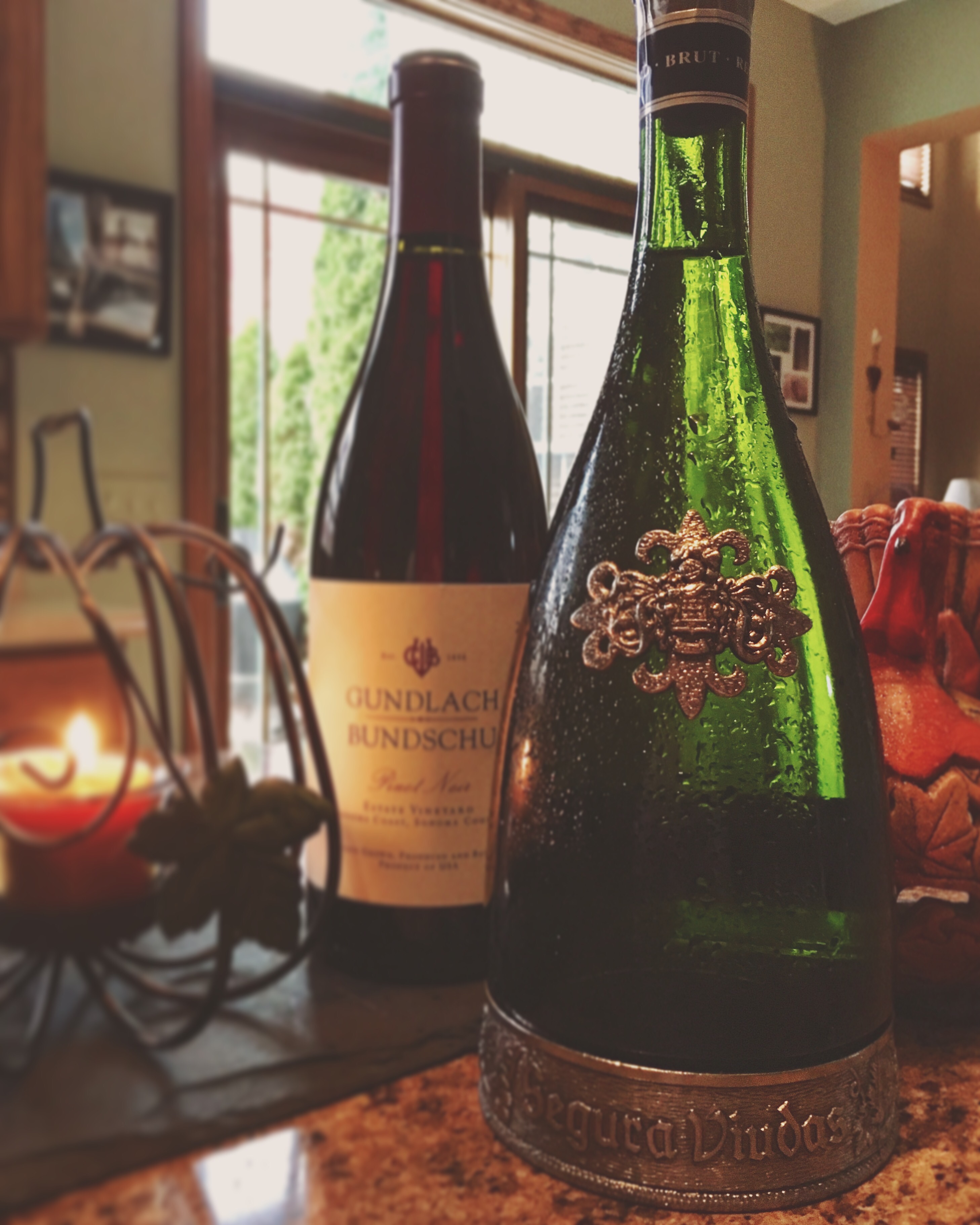
This Thanksgiving, I wanted to shake things up a little. Instead of serving three wines; a bubbler, white and a red, I’ve narrowed the field to two: Segura Viudas Reserva Heredad Cava and a 2013 Gundlach Bundschu Pinot Noir.

But wait…what is Cava?

Cava is a dry sparkling wine that is produced in Spain using traditional, indigenous grapes from a several select growing regions. The most renown is North-East Spain, particularly Penedès.  It is made from 2-3 grape varietals: Macabea (the Viura of Rioja), Parellada, and the earthier Xarel-lo. While most wines are named after their growing region, Cava gets its name from the type of wine. Unlike other sparkling wines, it’s made in ‘Mètodo Tradicional’ or the traditional method used in creating Champagne.

I’ve written before about how sparkling wines are made but here’s a little review: The traditional method allows for  the fermentation of wine in the bottle for months (and sometimes years).  Bottles have a crown cap (think beer cap) to withstand the considerable buildup of pressure (corks would just pop at this phase and no one likes premature popping). Bottles are then slanted downward and kept in this postion to allow the yeast to settle in the neck. After a time, the next phase occurs where just the bottle necks are submerged in a freezing solution; freezing just those few inches of wine that contains the yeast. An ice plug is formed trapping the yeast. At this point, the bottle is turned upright, crown cap removed and the pressure from the gas inside the bottle expells the ice plug (don’t try blaming the dog). What remains is the sparkling bottle of perfection which is then corked and cellared. A painstaking process, it takes great care to make sure it all comes out the way it should.

This is how the traditional method differs  from other approaches to making wine sparkle. Non-traditional method means the wine goes through its fermentation in large metal tanks, is then bottled and carbon dioxide added to the mix.

Cava vs Prosecco

Cava has flavors of lemon flavors with a slightly bitter, nuttier quality on the finish with a more full bodied mouth-feel, and floral notes similar to Champagne. It has many qualities similar to Champagne except that it has a more affordable price point. Feel free to put two in your grocery basket.

Prosecco originates from around the Valdobbiadene region of Italy and is a dry, slightly sweeter, complex bubbler. It’s fermented in steel tanks and has light, crisp flavors of pear, peach, yellow apple, and apricot. Like Cava, it is an inexpensive way to get your bubble on and can be mixed without guilt in a bevy of cocktails.

Whatever you choose to celebrate this Thanksgiving, I wish you all a happy and safe holiday!

Cheers!

My 2016 Halloween Wine Picks 👻

It’s Halloween party time! And what better way to conjure some good times than with a cauldron full of bewitching wine-y potions. 

Something wicked this way comes…


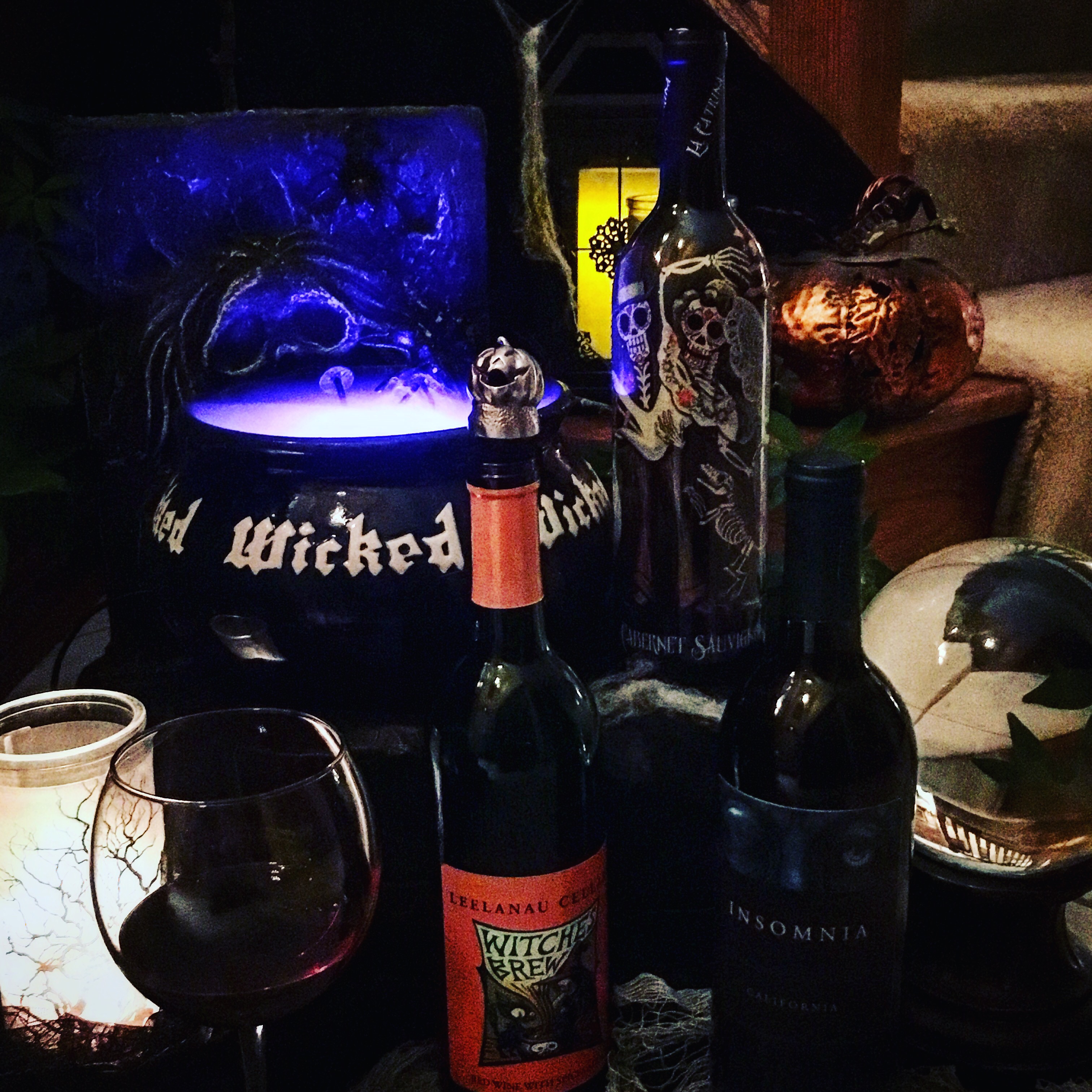
Insomnia~ By far the wine with the coolest label I’ve ever seen — [seriously, press play on the video above] and probably even cooler the more wine you’ve had! The wine had a lighter red color and a crisp clarity. The nose was a light raspberry jam– fruity with hint of maple on the nose. I found it to have a slight flavor of chocolate with a bit of licorice, yet the alcohol vibe was a bit heavy for me.

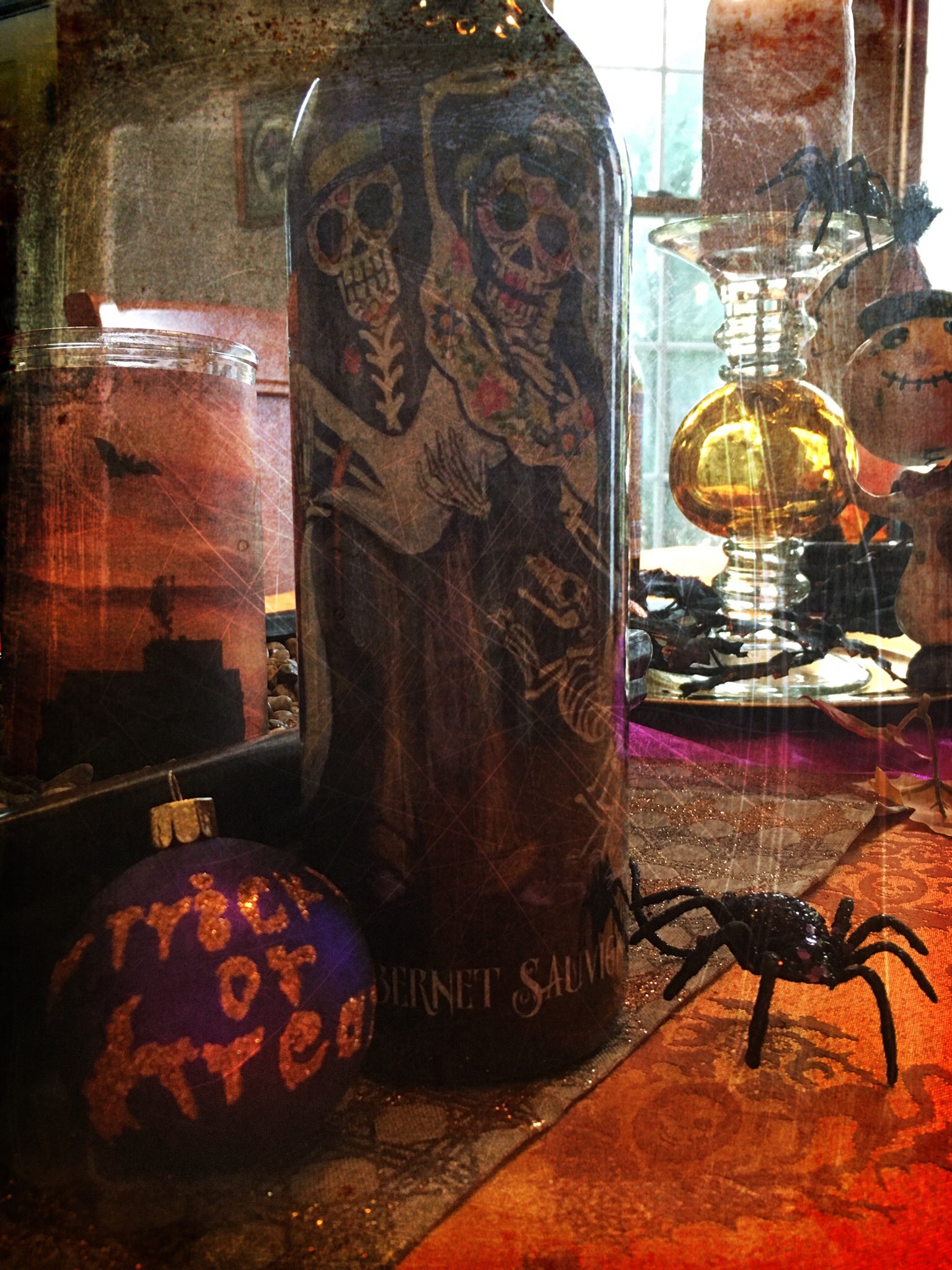
 LaCantina Cab Sauv ~ This offering had a deep, dark claret color with a bouncy blueberry essence on the nose, which wasn’t as  heavy as you might expect from a Cab Sauv. The main flavor was black currant and kind of was lurking. It wasn’t as bold as you’d expect from a Cab Sauv. It was almost like a Pinot in the sense that the flavor sometimes needs to be coaxed  out of the shadows. Overall, not a bad sipper. 

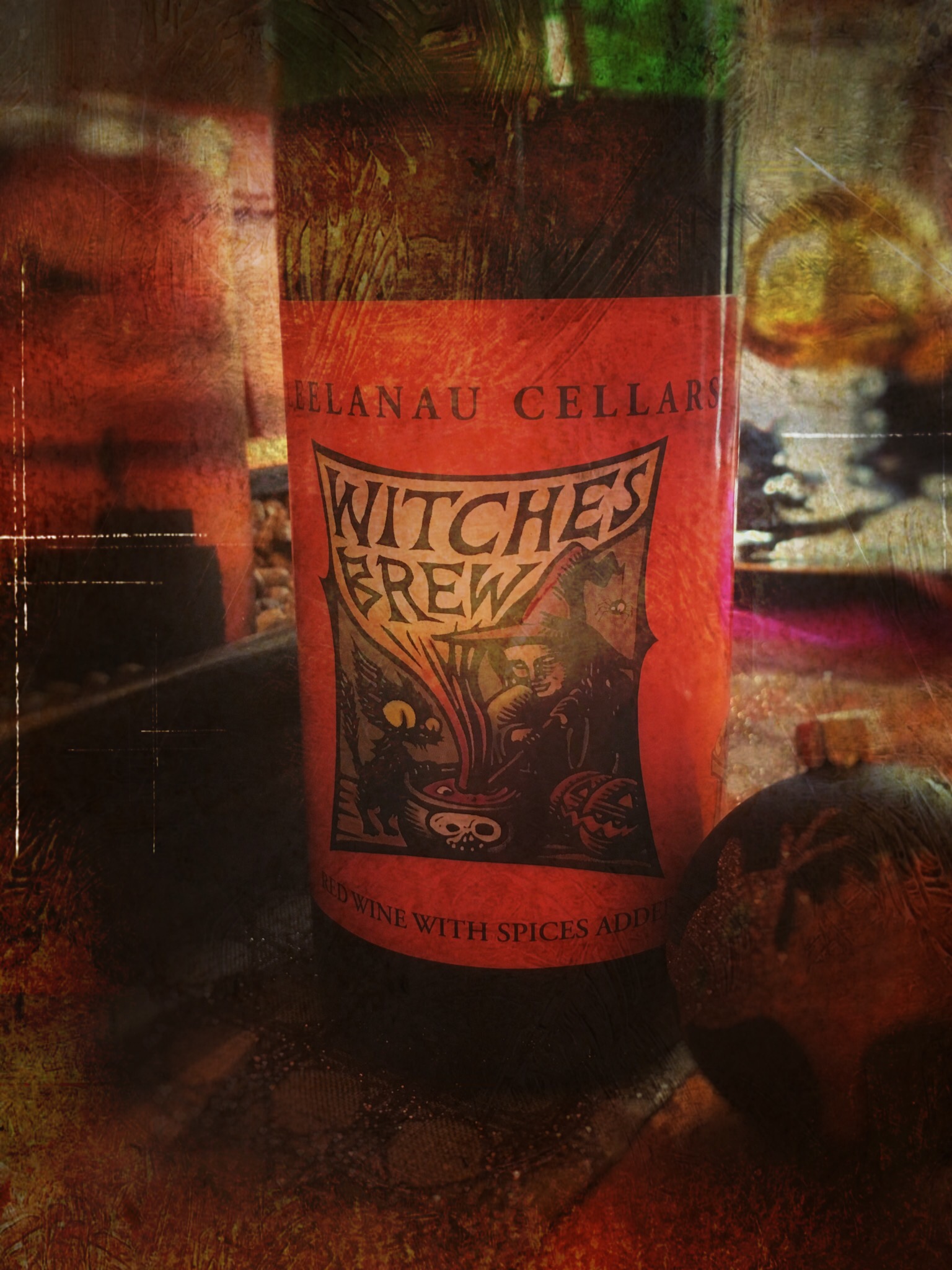
 Witches Brew ~ This fortified wine (because spices are added) is a different type of wine than I’ve experienced. The label suggests warming it like a mulled wine. On the nose was a beautiful scent of vanilla, nutmeg and cinnamon, which was intoxicating. If you enjoy a mulled wine, this will be a sweet treat for All Hallows. Keeping it warm is best. 

So these are my three picks for this year’s Halloween wines…no tricks, just treats. 

Whatever you choose to sip, have a very happy and safe Halloween!

Boo! 👻

My Halloween Menagerie 🎃


 It was at Castello di Amorosa where I was first bitten. Deep in those catacombs, I knew I would never be the same; I needed more. But it wasn’t just the wine that bewitched me, it was the pourer. 

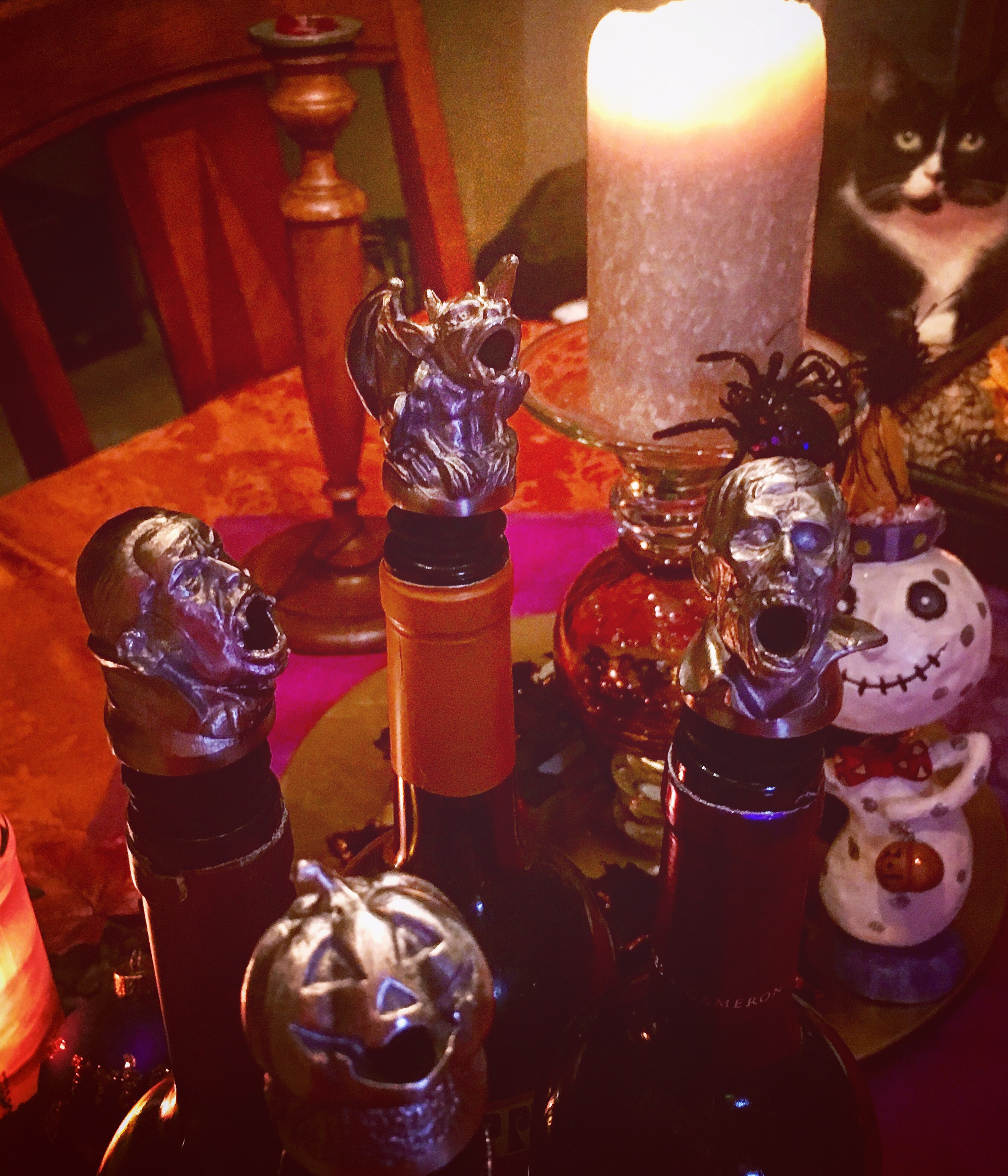
Since I am a Halloween freak, I found myself quite spellbound by these pourers by Menagerie. Made of high grade stainless steel, they provide a spooky way to pour (and aerate) your favorite vintage potion. They retail for about $29.00 and are sold in select tasting rooms or online. 

And while I haven’t collected all of them yet, I’m well on my way to full possession. Bwaa. Ah. Ha! 😈

Next post:  my Halloween wine picks for this year! 🎃👻

Cheers! 

What I Did This Summer Part 2: Redemption, a Star Turn and a Little French Kiss 💋

Jordan Winery and Vineyard

After a busy few weeks of getting my daughter moved and relatively settled in at college, I’m back to my studies. Here’s the second half of my ‘what I did this summer’ report.

The second day of our excellent wine adventure took Hubby Doug and I to three vastly different wineries. One had a home-spun vibe, one had a very cinematic feel and the last took us back in time to a beautiful french chateau.

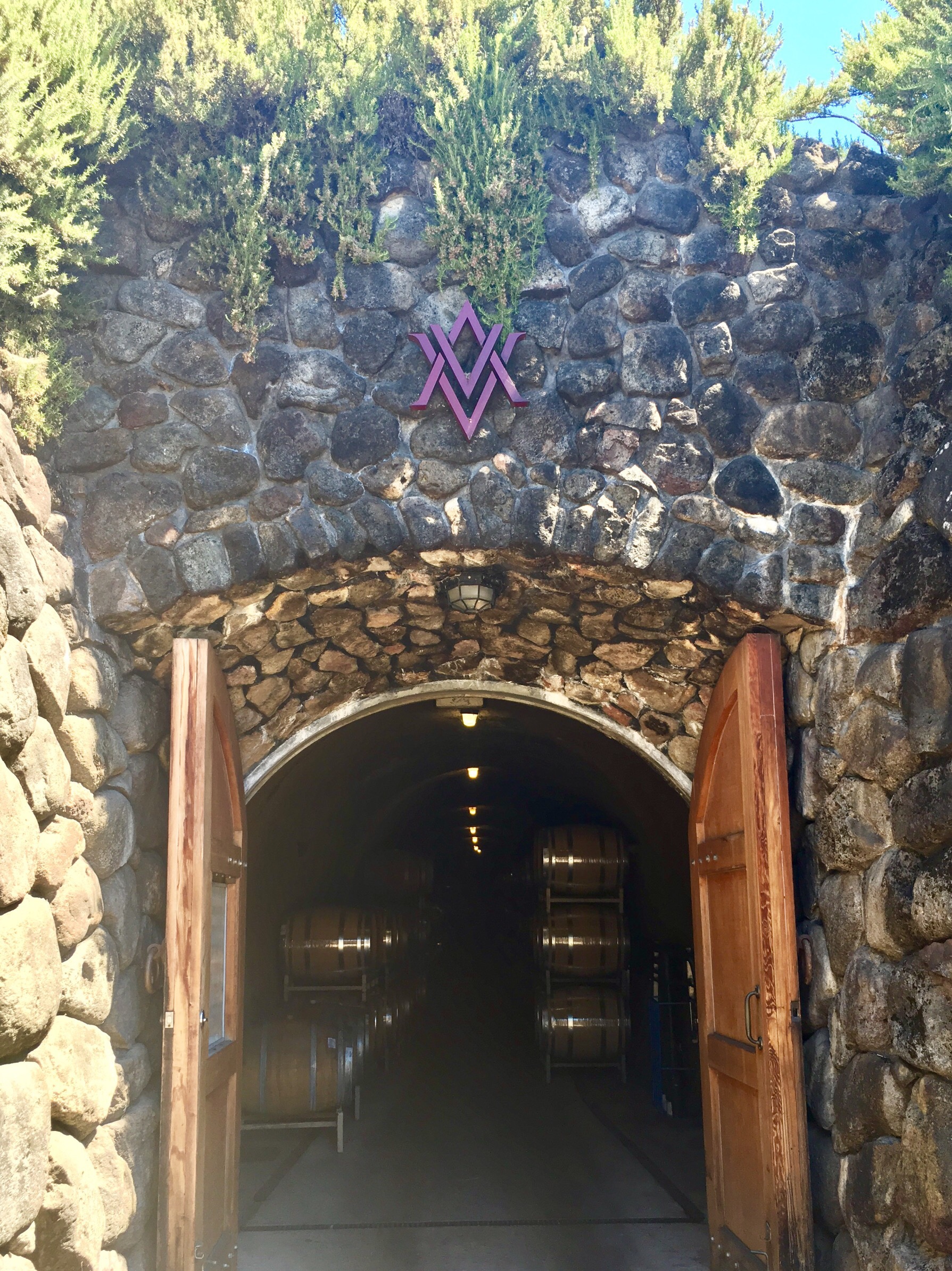
Alexander Valley Vineyard (AVV) ~ In 1961, Harry and Maggie Wetzel purchased the homestead of Cyrus Alexander (the valley’s namesake). In 1963, they planted their first grapes, and In 1968, with perseverance and resolve, their first Cabernet was bottled and a lifetime love of winemaking was born. Winemaker Kevin Hall along with three generations of the Wetzel family are continuing the family legacy of winemaking and farming.
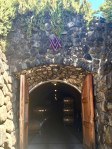
The winery has a cosy tasting room, and an underground cave where we learned about how wines are barrel aged. Very cool (literally). 🙂
When we arrived at AVV, it was just after they’d opened for the day. And while it seemed a bit early to sample, in the name of research we summoned the ‘five-o’clock-somewhere’ rule and tried a couple of small samples. Our two favorite were the 2013 Redemption Zinfandel and the 2012 Cyrus. Both were beautifully nuanced, yet full-bodied.

This slideshow requires JavaScript.


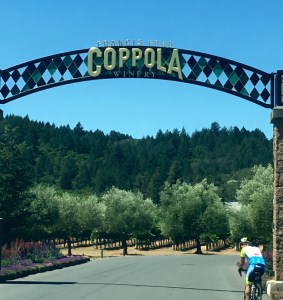
Francis Ford Coppola ~ Driving through the archway gave us the feel of what it must have been like to drive on to a movie lot (without the guard asking if you’re ‘on the list’). Coppola winery was one of the most unique I’ve experienced. It had a img_5614picturesque pool area with cabine where you can spend the day with your family. Most water areas at wineries are reservoirs, overflow basins or decorative ponds that they always kick me out of. Bocce courts and lazy hammocks overlooking the valley give a chill vibe that invite you to grab a glass and relax.
Inside the winery is the main tasting room and movie museum with select memorabilia from several Coppola classics including Apocalypse Now, Tucker: The Man and His Dream, Bram Stoker’s Dracula, and the giant neon martini glass from One From The Heart. Our tasting experience was the Sonoma Inclusive at the main tasting bar. Our pick of the flight was the 2012 Director’s Cut Cinema blend of Cab Sauv, Zin, Petit Syrah and Syrah, and the 2012 1Mille Cab Franc.

One of the coolest wine tasting experiences that I’d love to return for is Tasting in the Dark. Small groups are led to the Coppola tasting labs, then blindfolded and led through a variety of sensory appreciation activities designed to fine tune the senses. Hoby Wedler, a UC Davis graduate, who is himself without sight, leads each group to the discovery of flavor and essence; allowing other senses to become stronger in the absence of sight. As we know when one sense is gone, others take over, and this experience would be amazing to help one begin sharpening their palate.

This slideshow requires JavaScript.

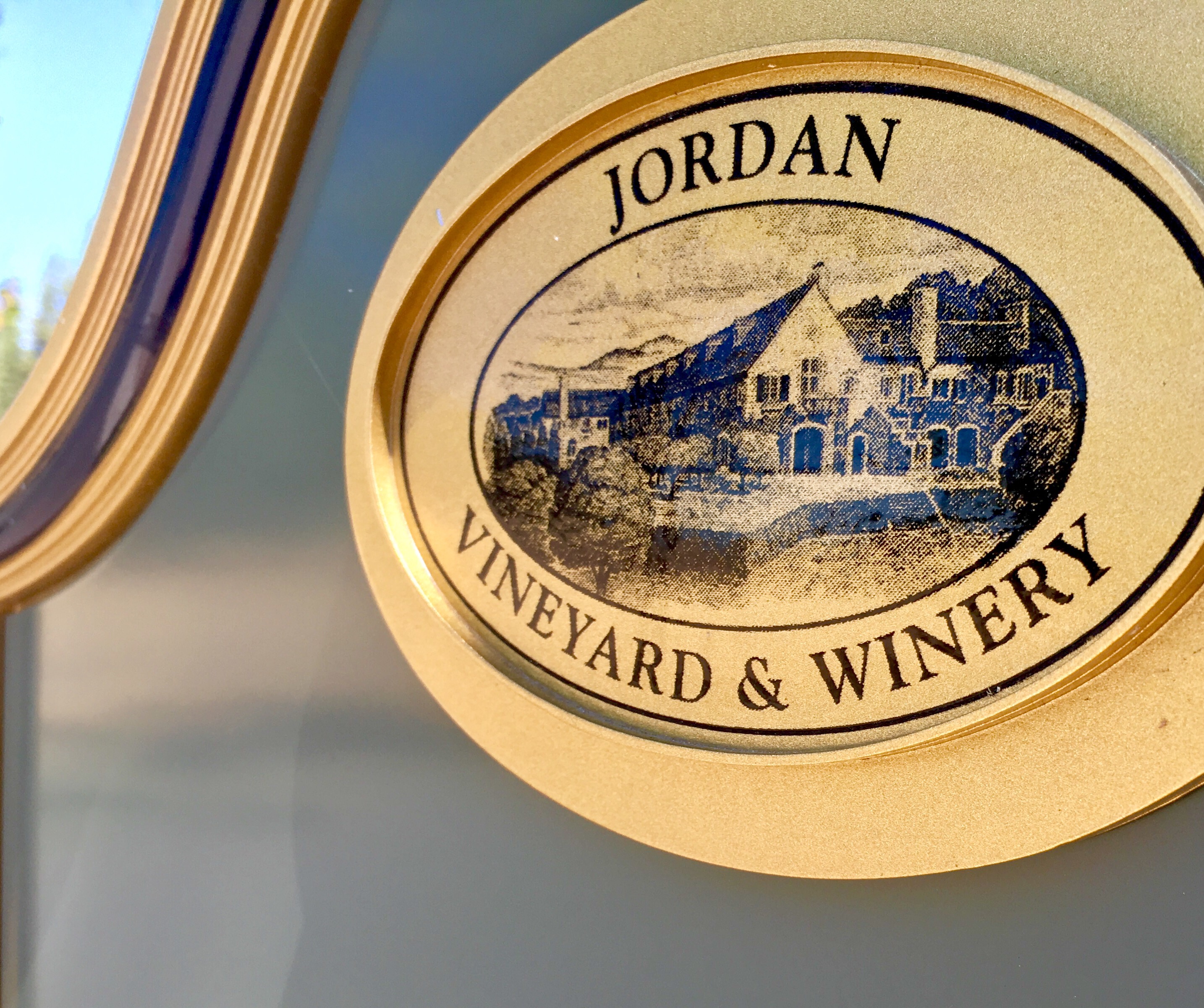
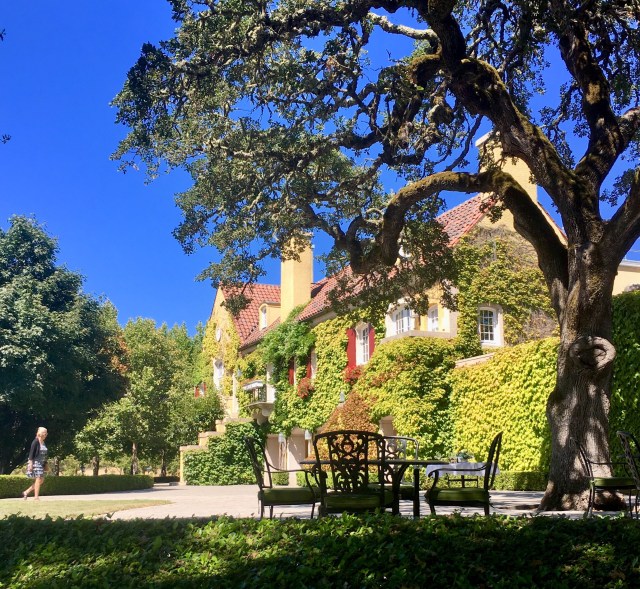
Jordan Vineyard and Winery ~ our final stop of the day took us up a winding road to another world. This by appointment only winery made me think a little of Marie Antoinette’s Petit Trianon – beautiful, elegant and very regal.

When Jordan was established in 1972, the choice was deliberate to focus on creating only singular varietals, but doing them very well. Their Cab Sauv is produced from the Alexander Valley, and Chardonnay exclusively from the Russian River Valley. The philosophy being that by focussing on singular wines, a better continuity of style will be achieved, and a consistent realization of balance between fruit, acidity, tannin, and alcohol. Each vintage you open will generally have the same qualities time after time.

We chose the Library Tasting, a one hour tasting. The Chardonnay tasting was paired with an Ahi Poke with Quinoa and Heirloom Tomatoes. Usually I’m not into raw tuna but this was a lovely combination that beautifully enhanced the subtle notes of the wine.

On to the private tasting room where we sampled three older vintage Cabernet Sauvignon paired with a variety of artisan cheeses and a Jordan Estate Olive Oil.

Our pick? If you guessed Cab Sauv, grab yourself a glass of wine because you are very smart! Our vintage was the 2007~ something very special indeed.

This slideshow requires JavaScript.


It was an amazing day of touring and tasting and I hope one day I’ll be lucky enough to go back.

Cheers!

©TheWineStudent, 2016
Wine on the Waterfront 


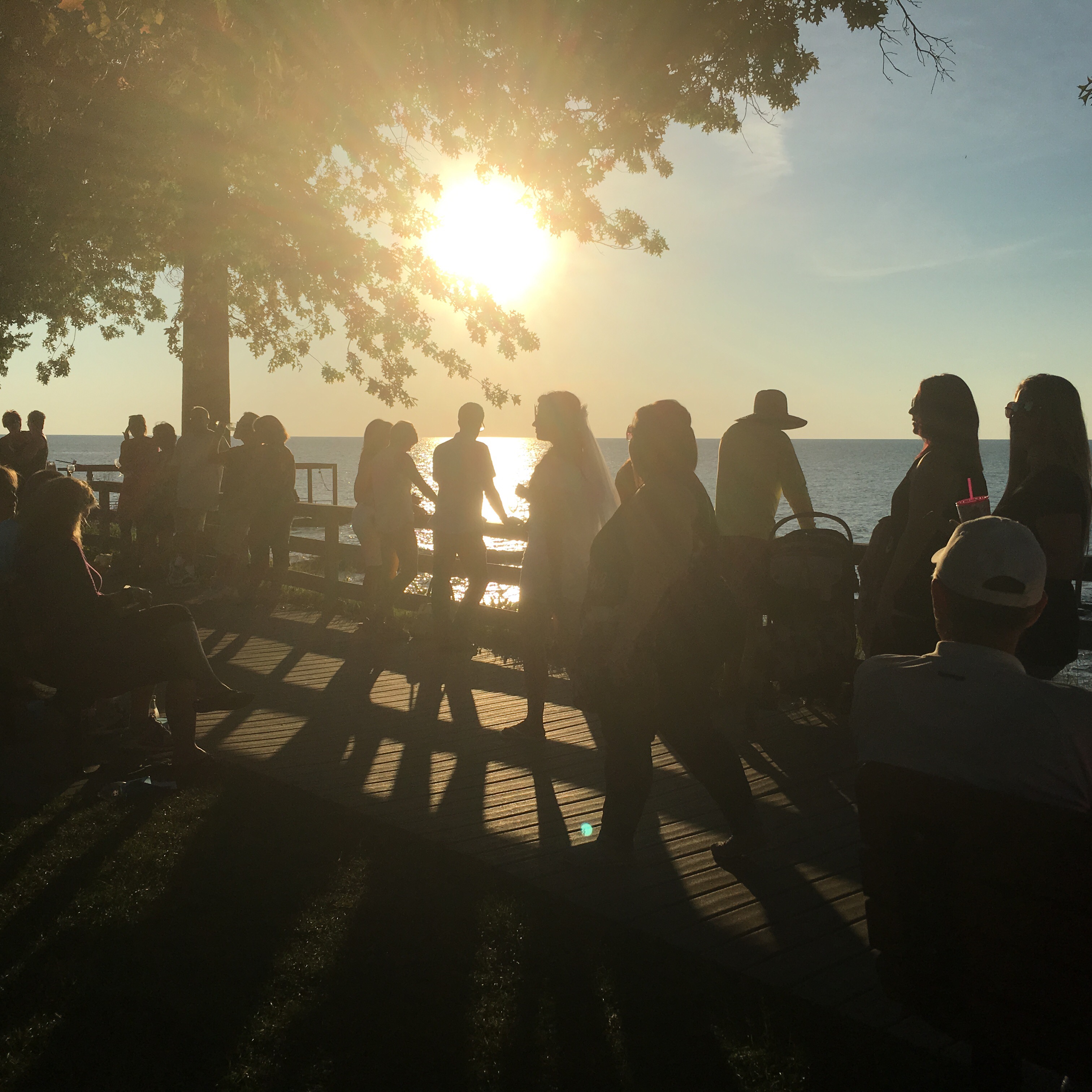
To celebrate that summer is actually here in the Cleve, my friend Shelly and I checked out the 5th Annual Waterfront Wine Festival in Avon Lake, OH.

In support of the Smiles for Sophie Forever Foundation confronting pediatric brain cancer, this event featured several local Ohio wineries including Matus, Paper Moon, Firelands, Humble Bee and Vermillion Valley.

My pick for the day: Vermillion Valley Cabernet Franc. Served slightly chilled, it had a light, flavorful vibe of blueberry, raspberry and hint of dark cherry that was enjoyable but not heavy. It definitely took the edge off the heat from the sun.

With the beautiful breeze off Lake Erie, and plenty of sunshine, it was a great event that drew fantastic crowds and helped to support a great cause.

Cheers!

This slideshow requires JavaScript.

©TheWineStudent, 2016


Breaking Bud

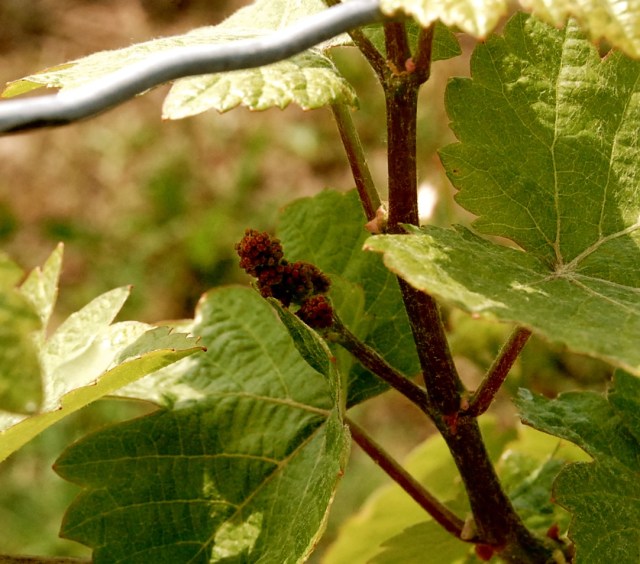
For the most part, this past winter was not one of discontent. Unless, perhaps if you’re a winemaker. It’s a balancing act when it comes to managing freeze-thaw cycles in a vineyard. Most vines are resilient enough to withstand the below freezing temperatures for a time only to rise and bloom when it’s safe to wake up. This winter and spring were a little different, though.

While bud break  in March is not unheard of, it usually it begins when the danger of frost has safely passed. Winter bud damage can occur at temperatures below -25 C; vine damage can occur between -28 and -30C. The level of damage also depends on the grape: Vidal and Cab Franc being heartier varietals can withstand extremes, but the more delicate Pinot Noir, and Gerwurtztraminer suffer the most when they are exposed to temps of below -10C.

But like anything in nature, adaptability is everything. According to an article in the University of Maryland Extension, buds acclimate in two ways:

  • Dehydration ~ where water contained inside the bud and vine move into intercellular spaces. Shrinkage, if you will.
  • Cryoprotection ~ sugar and protein complexes that bind water work as cryoprotectants which lower the freezing point of water allowing contents of the cell to ‘supercool’ without the generation of dangerous ice crystals.

The difficulty facing winemakers here in the Ohio River Valley is that spring came on early and strong with record mild temps, potentially causing grape buds to emerge earlier than usual. Bud break occurs approximately around late April through mid May. While early bud break allows for the potential of a longer growing season and riper fruit, it also increases the vulnerability to a late spring frost. If shoots are lost, the crop size decreases, yet the quality of the resulting wine can increase.

Matt Meineke, owner and vineyard manager of M Cellars in Geneva, Ohio says [via e-mail] , “with the mild winter early bud break was a concern but we do feel things should be in the clear at this point. Many growers use fans and we actually use a potassium/ calcium spray, and a little luck, to get by on our estate vineyards. On the vineyards we manage we use fans and of course luck!”

Temperatures in North East Ohio for March ranged from 28F on March 2 to a crazy high of 75F on March 8, with variations on that theme throughout the month, ending with a high on the 31st of 70F. It’s no wonder the buds were confused — I was. As temperatures began to decrease again, the frost, snow and ice could likely encroach upon the tender new vines, and damage could then take hold. Just how much damage remains to be seen. As Meineke explains, “ any extreme temperature fluctuation will cause the plants to deactivate from winter hardiness which is always a concern regardless of the variety. Some varieties are more tender, especially the vinifera wine grapes we grow such as Pinot Noir, Chardonnay, Cabernet Sauvignon, Riesling, etc.”

So what happens if frost bites the young vines? Having a plan B is essential to a successful season. According to Meineke, “if we have an early frost that causes damage, we would be using our secondary buds for production. This would cause production to be down and typically ripening may be delayed as well. That said, we would probably not be in a good position to make premium red wines, we should be considering premium rose wines as that is what nature has told us to do.”

As for any changes the consumer might see in terms of pricing, Meineke explains, “as far as pricing goes I don’t think we have a lot of room for an increase to the end consumer. We find local wines hard enough to sell on the open market and this would simply be one more reason for the end user to look elsewhere for their wine purchase.”

Even with this season’s fluctuations in temperatures, by the looks of things, the vines are all right. And so will be this year’s vintages.

Cheers!

©TheWineStudent, 2016

Happy Easter! 


Much love to you all on this Easter Sunday!

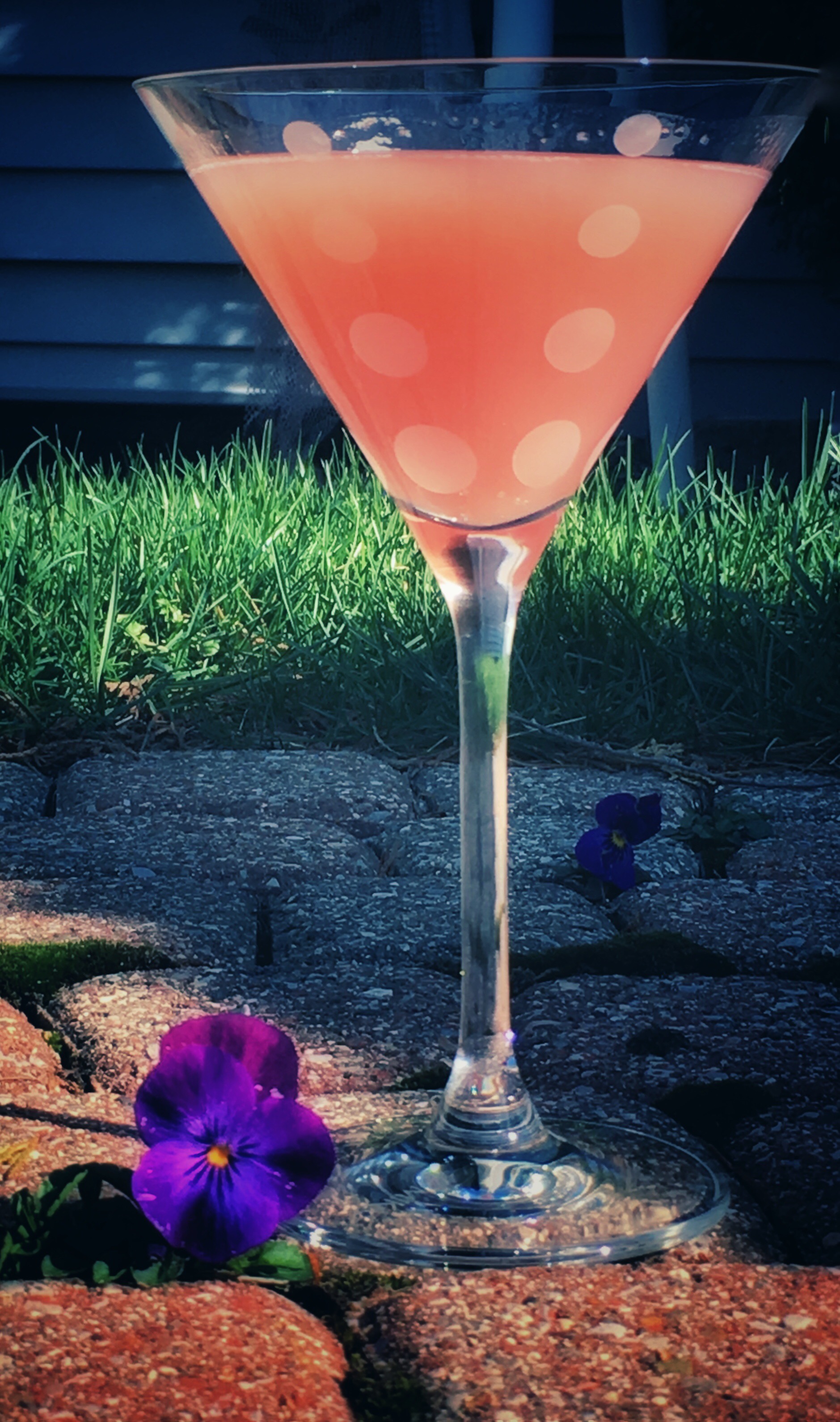
We are starting the day off with beautiful Bellini cocktails. I wish I could say that made them myself, but I decided to make things a little easier with a pre-made concoction from Canella. It is heavenly with our homemade waffles, dijon devilled eggs, hot cross buns, and fresh fruit salad.

Holidays like this allow for time to take stock of the blessings (no matter how small) at play in life.                                Some blessings today: a stellar day in the Cleve 🌞,  healthy and happy family, and wonderful friends on both sides of the border.

I wish you all day rich in joy and chocolate. And a nice bellini cocktail is a great way to start it off. 😄

Cheers!

House of Cards Binge Watch Weekend!


Deception! Backstabbing! Lies! What better way to spend a cold weekend in the Cleve than bingeing on season four of Netflix series House of Cards.

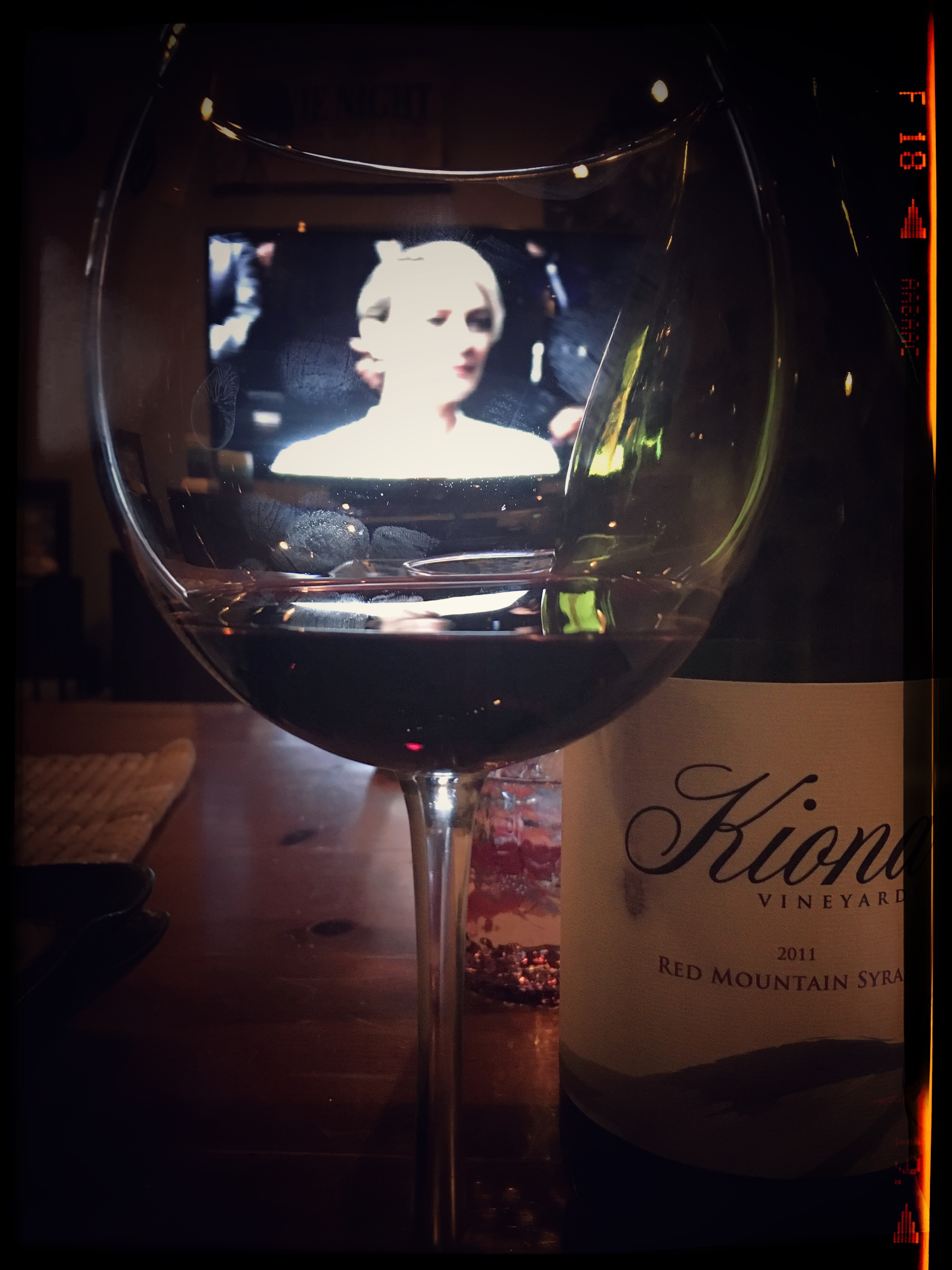
To appropriately enjoy the delicious unfolding of events, we needed an appropriately delicious wine. We chose a 2011 Kiona Vineyards Red Mountain Syrah. It’s rich, dark and full of flavors that reveal themselves slowly and stealthily. Much like Frank and Claire’s unraveling machinations.

Did I mention that this wine is from Washington? The state, that is. 😉

Cheers!

Celebrating Women of the Vine 🍷⚗🔬

  
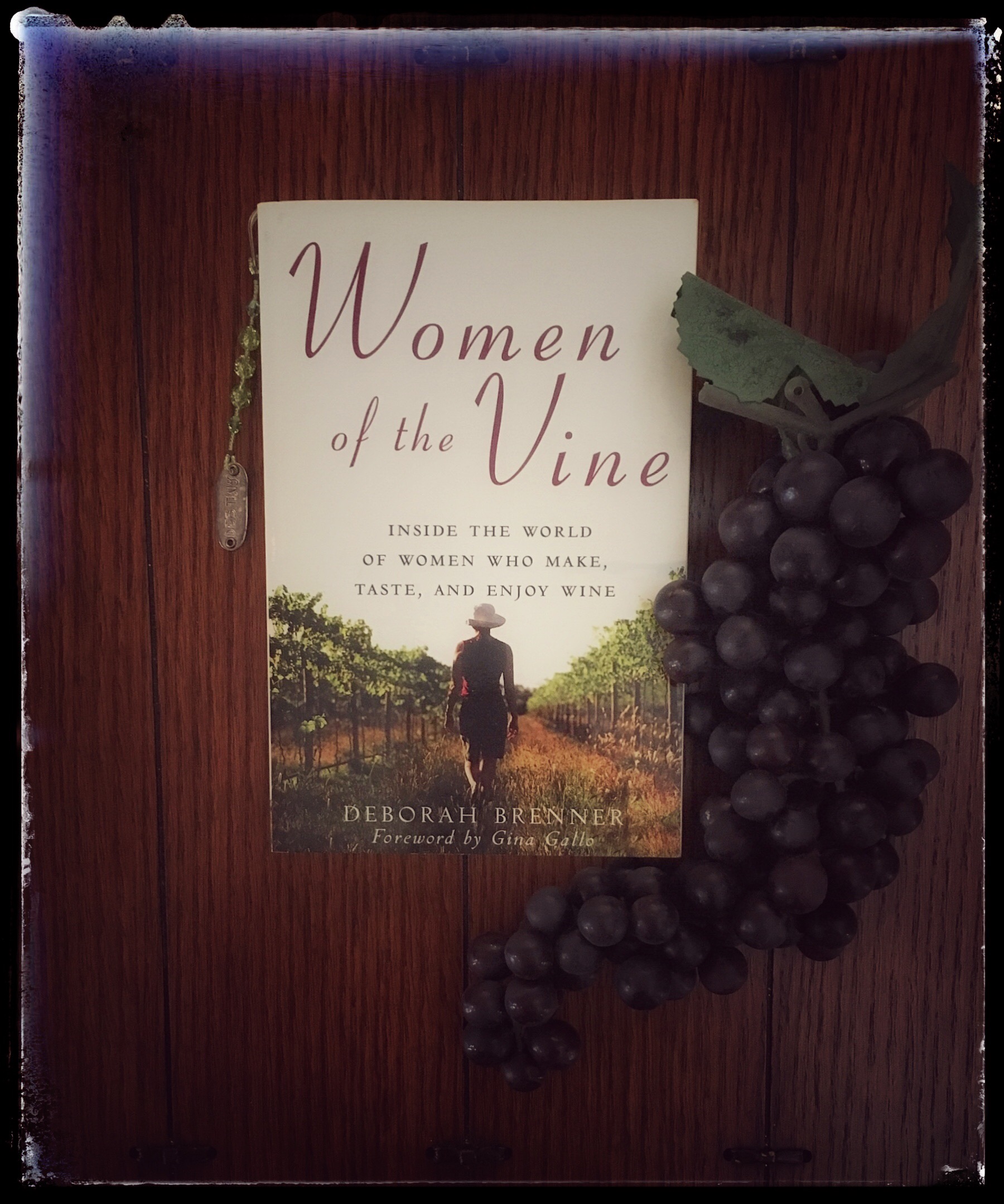
To honor International Day of Women and Girls in Science, I revisited Women of the Vine, an inspiring book by Deborah Brenner. In it, she examines a varied cross section of women who are making great strides in what has been, over centuries, a male dominated profession. 

Some of the women profiled came into their calling dynastically (Stephanie Gallo), some discovered their passion along the way ~ punching down the cap of discrimination  (Merry Edwards) to have a satisfying career, and one blended her love of science and unique ability to identify aromas and tastes (Dr. Ann C. Noble). 

To create exceptional wine that stands the test of time, it’s a marriage of science, instinct, wisdom, and perseverance. These women understand that very well. 

From sommelier to winemaker to marketing, to creating the wine aroma wheel, Women of the Vine gives an interesting perspective for all wine lovers, and also for girls studying science who may be looking for an alternative in science-based careers. 

Cheers!