Here’s to all the amazing, strong women in the world: may we know them, may we be them, may we raise them, & may we enjoy their amazing wines! 🥂
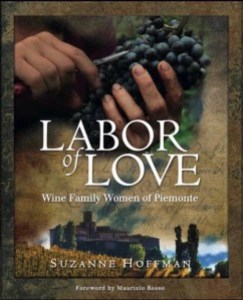
I’ve written before about some amazing women winemakers, and a great book that celebrates them.
It’s wonderful to read about their journeys from vine to wine. Each woman has a unique tale to tell. Their stories are not always easy but they’re worth sharing; not just for us but to inspire our daughters, and their daughters, and generations of daughters.
These stories, especially in this current political landscape, are crucial. They show the courage, strength and perseverance that is very much like the struggles of the vine itself.
Visit their sites. Read their stories. If you can, buy their wines. You’ll be glad you did.
In the past, I’ve written about Ice Wine; how it’s harvested, how it’s made, and how it’s enjoyed. Like all remarkable feats of winemaking, it is a delicate balance of weather, timing, and the tenacity of everyone involved to help create it.
I’d been feeling pretty blue that I couldn’t be at The Niagara Ice Wine Festival. For me, the festival was always a place to connect with friends and sample some great wines. But the weather here in the Cleve has been unpredictable, gray and drab. Squalls of snow kept blowing in whenever I could possibly travel. Bah.
But… I had my own bottle of ice wine that I’d been wanting to share. And then I remembered my neighbor, Pam, also had a bottle of ice wine that she wanted to share. Things were looking up. Hey, if I can’t be at the festival, I’ll have a little one of my own. Let the pop-up Ice Wine Fest begin!
I quickly put together some treats to sample with our two wines; then made my way through the frozen Ohio tundra. Ice and snow doggedly lashed at my face. Inch by inch I walked, trudging through glacial molasses, uphill – both ways!
Ok, I only had to walk next door. But it was very yucky and slick outside.
Here’s what we enjoyed:
Pam had a Breitenbach Vidal Blanc that she’d found on a recent visit to Amish Country in Dover, Ohio. I brought a 2015 Jackson-Triggs Vidal Reserve from Niagara, Ontario.
Now, if we were true die-hards we would’ve enjoyed them outside. But it was way too frosty, so we enjoyed them inside Pam’s kitchen.
Starting with:
Breitenbach Vidal Blanc – had a clear, golden blonde color, and with a light syrup mouthfeel. It tasted young but with a blossoming structure. The flavor was most like a pluot. Yes, a pluot. A pluot is a stone fruit hybrid of plum and apricot. It looks like a plum, and it tastes like a plum, yet it has that delicate floral sweetness of ripe apricot. We paired first with a bit of brie – which decreased its sweetness. Salty pistachios neutralized the flavor almost entirely. Shifting back to sweet, milk chocolate ramped up the sweetness, and strawberries fully coaxed out both the sweet, and the fruitiness.
Price point: $43.95
2015 Jackson-Triggs Vidal Reserve– was light amber in color, and was sweet, less fruity, but possessed a robust, full-bodied mouthfeel. It had a honey-like viscosity, but then took a slow curve to a bourbon vibe. Pairing it with a salted chocolate Heath bar, decreased its presence a little. But when we paired it with brie, it became a melt-in-your-mouth butterscotch sensation. Since it was an older vintage, the flavors were more melded and mature, and influenced by some gentle oxidation. But this it gave a delightfully lush taste.
Price Point: the 2015 listed at $72.99 on wine.com but newer vintages: $39.99 at LCBO.
It was a tale of two very different vintages, and I guess it was a little like comparing apples to oranges. Yet the idea wasn’t to evaluate as much as enjoy the wine, noting little elements unique to each.
I think the nicest part was being able to spend some time with a good friend. All too often, as winter settles in, we sometimes see less of our friends and neighbors. This was a sweet, impromptu opportunity to reconnect and catch up.
The Niagara Ice Wine Festival concludes this Sunday, January 29th. The Ohio Ice Wine Festival runs from March 1st-31st, in and around Geneva, OH. Since it’s a little closer to home, I’m hoping to check it out!
The little wine bottle puffer in the cover photo isIceware by Wild Eye Designs. I purchased mine from Amazon.
What was the coolest field trip you ever went on in school?
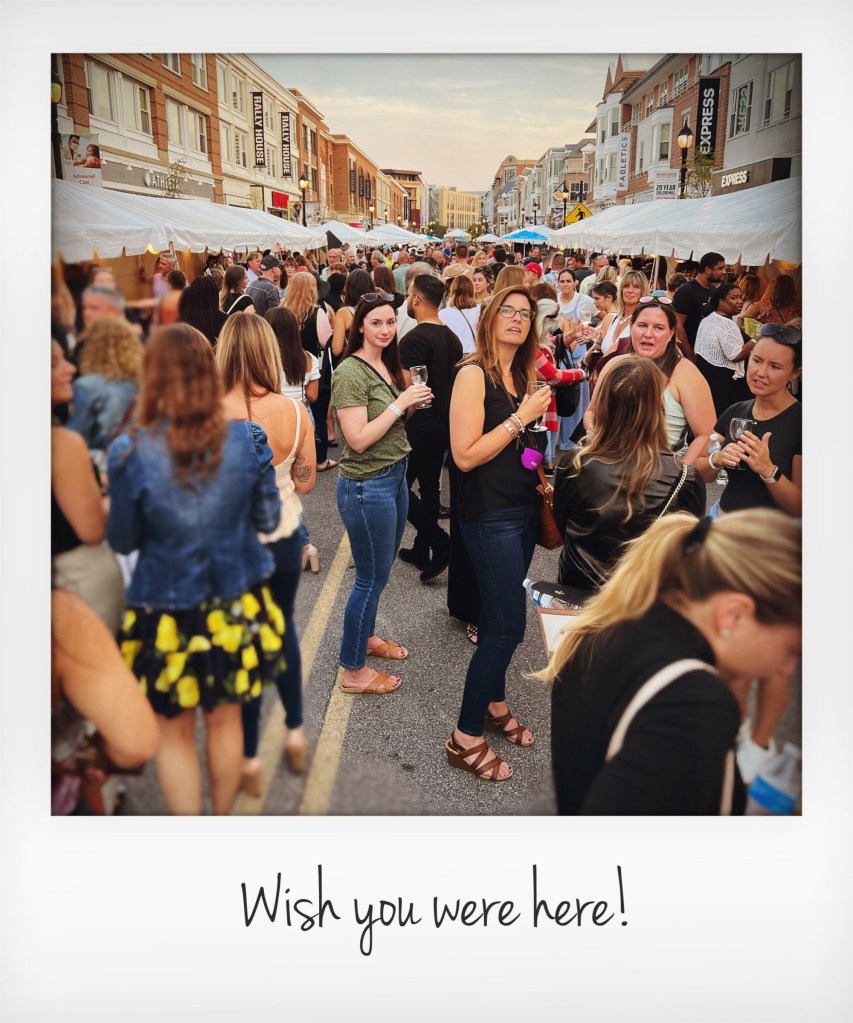
For a wine student like me, this is pretty much the Holy Grail. Where else can you learn about wine, meet people who love it, & sample the product, too?So much fun!
It was a beautifully dry, lush blend of Chardonnay and Pinot Noir giving it a nice, subtle complexity. This would be lovely for a Sunday brunch. But honestly, all of them would!☺️
Click the video below to join me at the festival!
Lots of great sampling to be had and the proceeds go to help many wonderful children!🌈
The Crocker Park Wine Festival continues Sept 17th from 2pm until 10pm.
Dig if you will the picture: you’re in a great restaurant, your sommelier has just opened a wonderful bottle of wine at your table. They pour a bit in your glass. You swirl, then you sniff, then you sip. You nod to the somm that all is well, and the remaining glasses are poured. Easy, right?
But what happens if you get a wine that smells (or tastes) awful? The immediate impulse (aside from spitting it all over the tablecloth) is to just grin and bear it, and pretend that it’s delightful. Don’t make waves, and don’t seem like a wine snob. Wait. You’re paying for that bottle; it should be delightful.
How can you detect the fault in our wine? Start with your nose. Especially with things like cork taint, the nose always knows. Think back to the restaurant example, and the swirl, sniff, sip. This isn’t just fluffy posturing, there is a point to it. If the wine is corked, it’ll smell like wet newspapers, musty cardboard or, yep, a wet dog. We love Fido, but not in our wine.
What to do at a restaurant if you’ve noticed cork taint or another fault? With kindness, send it back. Yes. Send. It. Back. This is precisely why they have you sample the wine before pouring for the rest of the table. Be polite but don’t be shy. Most restaurants want to know if they have a bad bottle. It might not be an isolated situation; the entire case or shipment may be off. You’re paying a lot of money to not drink bad wine.
Please remember to be kind to your server or somm. Any fault isn’t their fault. They are there to help you.♥️
Now, if you’ve opened your wine at home and it’s corked, don’t dump it! Pour the remaining wine back into the bottle and take it back to your place of purchase. Most wine sellers will happily take it back or will offer an exchange. In fact, it’s good to let them know so they can notify their distributor or the winery. Companies need to know if they have a bad batch floating around; their reputation’s on the line.
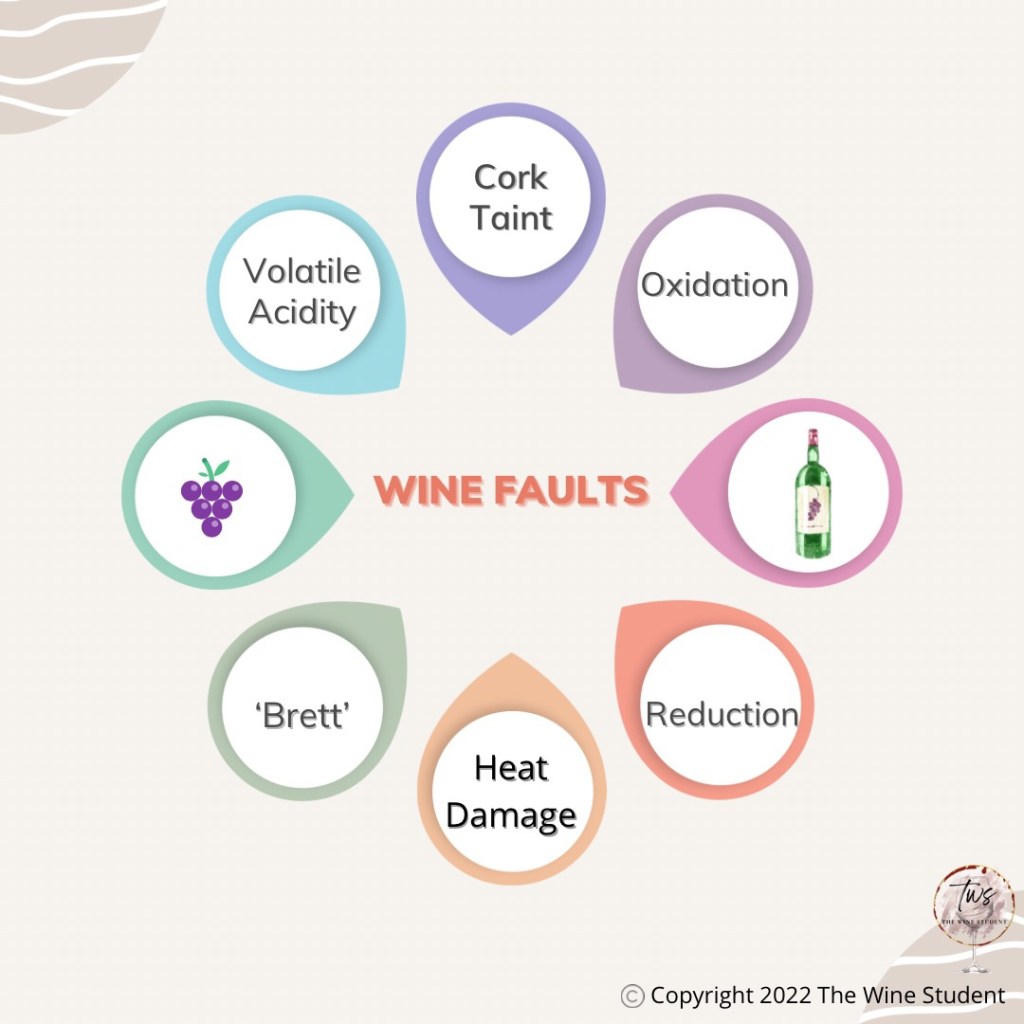
Some Causes of Faulty Wine:
Cork Taint ~
• Infected cork – caused by chlorine (TCA-Trichloranisole) coming in contact with corks
• TCA compounds may also be present in wood/rubber in the winery (barrels, beams, rubber transfer tubing, etc) – this is why even some screw cap wines can become corked
Also: corkin your wine doesn’t mean your wine is corked. A crumbly cork doesn’t always mean the integrity of the wine is compromised. But be safe and taste the wine before you serve it!
Remedy: to get rid of floating cork bits pour your wine through a fine mesh strainer or coffee filter
Oxidation ~
• Wine (red or white) has a brownish tinge
• Not always bad – sometimes oxidation can be a winemaking choice
• It can be prominent (in a good way) in Sherries or Tawny Port
• Oxidation can happen over time to all wine, white or red, and happens when storage allows too much oxygen into the bottle (e.g. storing bottles upright instead of sideways)
• If you find this in young, light wines, like Pinot Grigio, Pinot Noir, Sauv Blanc, it’s a fault
• Smells like: sharp scents of bruised apples, linseed oil, a nutty or caramel vibe (which is not always a bad thing)
• Ask whether the wine is meant to be oxidized before sending it back⚠️
Brettanomyces ~
• Not technically bad, Brett is a wild yeast that ferments along with wine yeast
• Earthy, rustic aromas permeate the wine which many enjoy, and can be a winemaking choice
• Smells like: bandage (medicinal), sweaty leather or a barnyard ~ and if that’s your thing, it’s not a fault!
Reduction ~
• Occurs when wine doesn’t get enough oxygen during winemaking – balance is everything
• Remedy: Decanting the wine can help (by providing needed oxygen) or stirring your wine with a silver spoon. If it doesn’t help, kindly send it back
Volatile Acidity (VA) ~
• In small amounts, VA can contribute to the complexity of wine, giving it depth, though many people can be very sensitive to this, making it unpleasant to drink
• In larger amounts, it becomes a nice mix for salad dressing
• Having some VA doesn’t make it necessarily a fault, but if it’s not for you, see if you can exchange it for something different
Smells like: nail polish remover, sharp vinegar
Heat | UV Damage ~
• Damage from UV rays doesn’t just happen to skin, it is a serious issue for wine as well.
• Light + heat increase chemical reactions that cause premature aging of wine and heat can cause the bottle to expand a bit, loosening the seal, and letting air in
• ‘Light strike’ happens when wine is exposed to direct light – e.g. if the wine is left in a sunny window
• Wine can also suffer damage when left in a too hot car (even for an hour) or stored in a room that has wide temperature fluctuations or is too hot.
• Many hot climate wineries will not ship their wines in peak heat seasons to avoid heat damage in shipping.
• Sparkling and white, and older wines are the most vulnerable.
• Smells like: not much on the nose, and it tastes ‘cooked’
• Remedy: don’t leave your wine in a hot car or store in sunny window!🥵
Now that you know what to look for, hopefully you feel a little more confident in deciding if your wine should be enjoyed or sent back.
The more you sniff (and taste) the better you’ll get at detecting the faults in your wine.
“The Ladybug wears no disguises. She is just what she advertises. A speckled spectacle of spring, A fashion statement on the wing…. A miniature orange kite. A tiny dot-to-dot delight.”- J. Patrick Lewis
During the busy days of summer, it’s easy to forget the little things; a warm evening breeze, toes in the sand, glass of wine in your hand. If the past two years have taught us nothing else, it’s the simple pleasures that we need to pay attention to. Little things sometimes have the biggest impact.
Farmers and gardeners love the lady bug. According to ThoughtCo.com, the lady bug (beetle) are beneficial predators who munch on many pests of the garden such as scale insects, whiteflies, mites and especially, aphids. Over the course of a day, a lady bug can scarf down 50 aphids, over a lifetime (about a year), they can consume over 5,000. They really are the ladies who lunch.
Too much of a good thing, though, can become a challenge for growers; an overpopulation can mean that many bugs can snuggle up in the fruit. And this can subsequently taint the wine if they’re not sorted out at pressing.
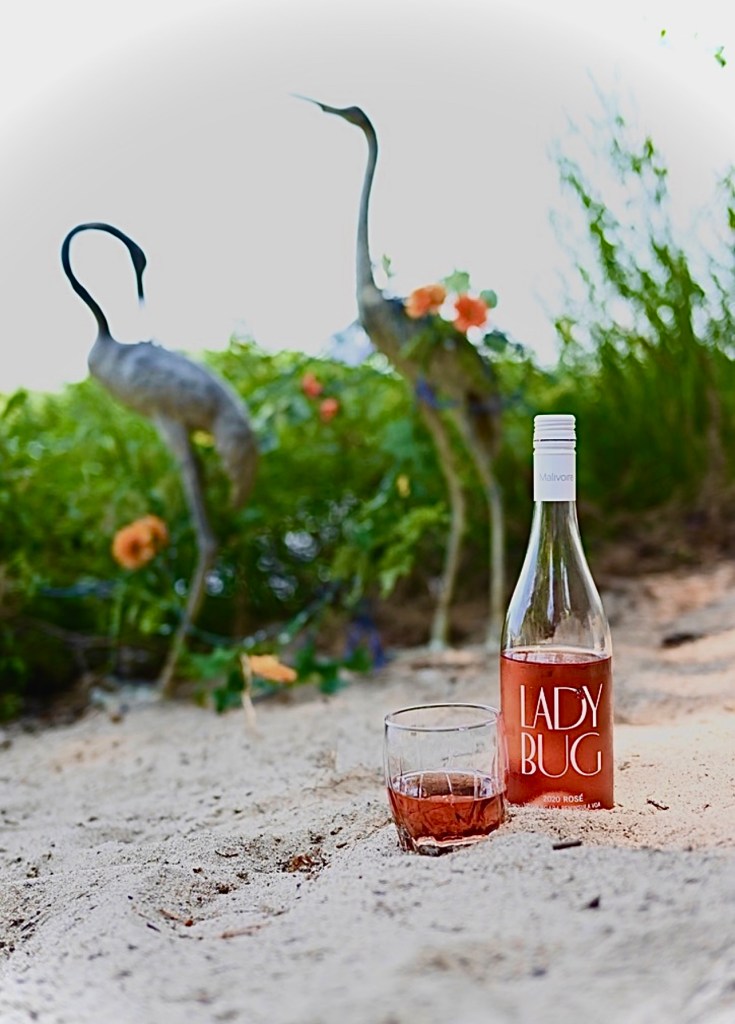
Searching for a nice light wine to pair with my evening chicken stir fry, I discovered this little but mighty gem: 2020 Malivoire Lady Bug. Located in Beamsville, ON, Malivoire is aCertifiedSustainable winery. Made from a blend of 56% Cabernet Franc, 36% Gamay, 8% Pinot Noir, and cultivated especially for this wine, the grapes are harvested when sugars are at 19.5 Brix. The crushed grapes then soak in free-run juice ( juice that runs freely out of the tank by gravity) between two and twelve hours before press. After cold-fermentation and stabilization, the wine is transferred to stainless steel tanks to rest before bottling.
This lady bug had a surprising complexity, revealing different layers of flavor with each sip. Many single varietal roses are good but one-dimensional.
Check out the video below for more summer fun!🏖
Some tasting notes for ya!
• bright berry on the nose – flavors of red raspberry, strawberry,
• cherry, pomegranate – nice burst of tart flavor that sparkled down into a tangy tart that lingered on the finish.
• bouncy mouthfeel makes it great to sip on its own yet it paired beautifully with a gently spiced chicken stir fry with jasmine rice.
A long time ago, when I worked as a bartender, I once served a wine that was orange.
It was not a design choice. It was just bad.
So when I saw that orange wine has been making a big splash, I was a little skeptical. Fool me once…
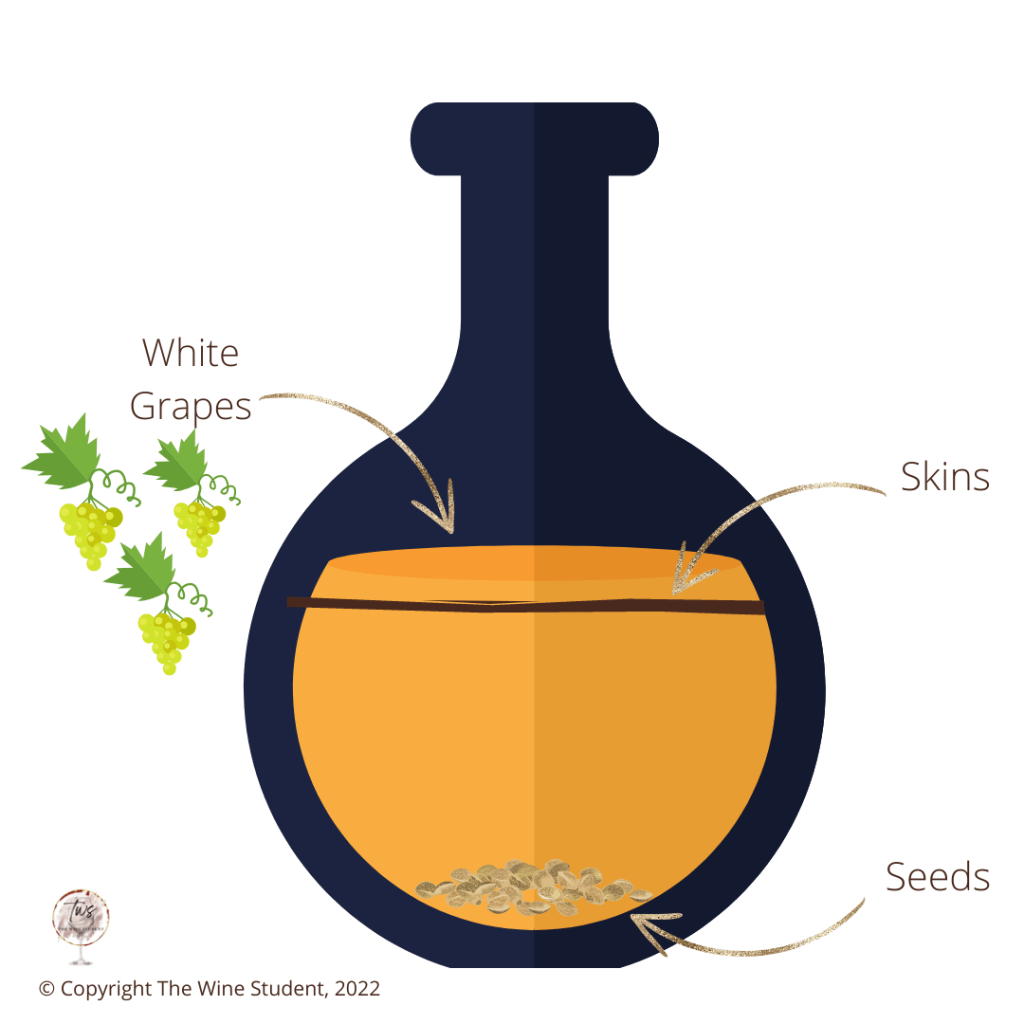
Orange wine is not made from oranges. It’s also not a rosé. It’s actually a natural white wine that gets its colour and flavor from keeping the white grape skins and seeds in contact with the juice for between 4-30 days. The orange colour comes, in part, from the lignin in grape seeds. The longer the contact, the deeper the colour. Most white wines have little to no skin contact.
In most wine production, seeds get discarded prior to any processing of the juice and fermentation. That’s because seed contact can make wine taste bitter. So how do orange wines stack up? Do they taste sour or bitter? It depends. While technically a white wine, orange wines are very dry and tannic, much like a bold red wine. Flavors are bold and brassy with aromas of honeyed jack fruit, sourdough, juniper (like gin), brazil nut, apricot, orange blossom, and bruised apple. They can be very intense on the palate with a sour vibe much like a fruit based beer.
What is jack fruit? I don’t know jack $&@! about jack fruit so I did a little research. When ripe, jack fruit has a strong aroma and tastes like tropical fruit: mango and pineapple, and banana.
Orange wine is not a new ‘oops’. It is an ancient process dating back roughly 5000 years. All elements were left to ferment for time in large buried clay vessels called quevri (kev-ree).
Check out the video below for a little summer fun!
Pairing:
Bold for bold, orange wines pair well with bold foods like curry and Moroccan dishes, Korean and traditional Japanese cuisine. Because of the high tannin, and hint of almond-like nuttiness, it can pair with beef and fish. This is something you can play around with to find your favorite.
It’s a white wine that thinks it’s a red so the pairings could be really colourful. But be careful of the spice quotient: it will bring out the heat in some dishes.🌶🌶🌶
If you’re looking for ‘grippier’ offerings with increased tannin, look for 30+ days of skin contact; fresher, lighter versions have maybe 4-10 days. Because they’re natural with little to no preservatives, drink within 2-3 days after opening. Store in cool, dark areas (between 50-60F). Serve chilled, at around 55-65F. If it’s too cold, you’ll lose the nuance of the flavors.
Look for wines from Italy, Solvenia, Australia, France, South Africa, Austria, and the US.
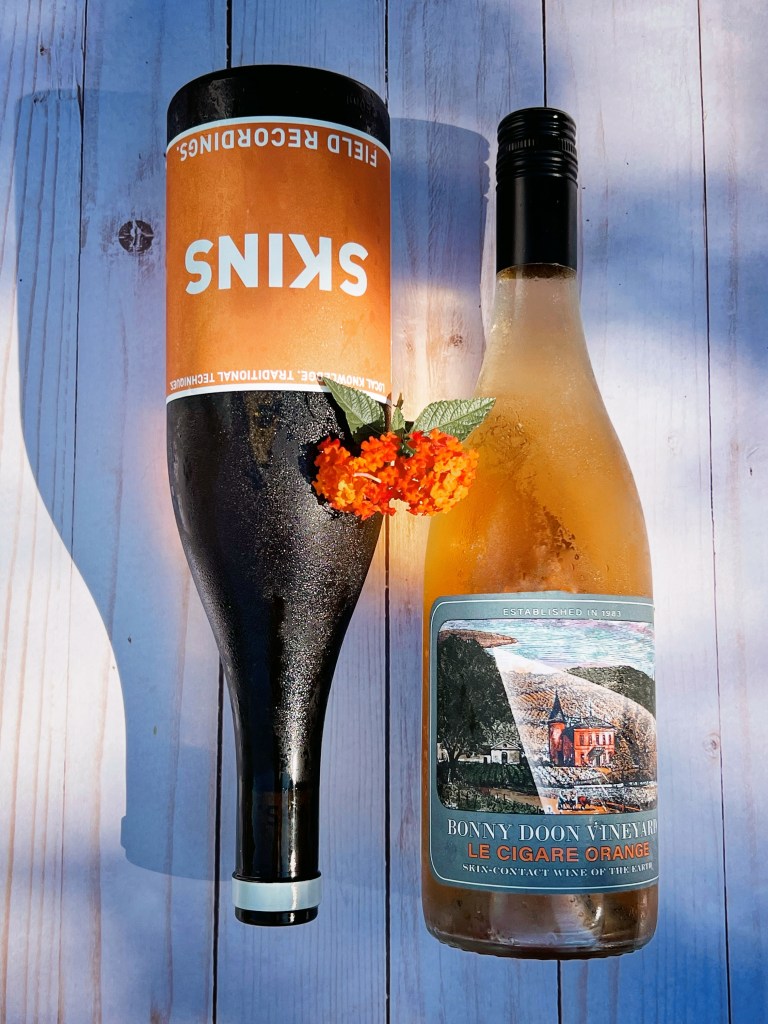
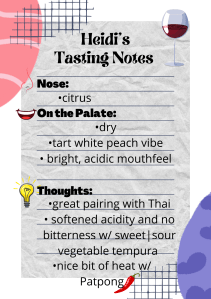
I recently tasted a 2021 Bonny Doon Vineyards Le Cigare Orange (California). It is the ‘skin-contact wine of the earth’ (says so right on the bottle) and is made from 10% Grenache, 80% Grenache Blanc and 10% Orange Muscat. It had a hint of orange blossom on the nose, and a sour, almond vibe on the palate with a dry, puckery, yet bouncy mouthfeel. Flavors of white peach, early-ripe apricot and citrus lingered on the finish.
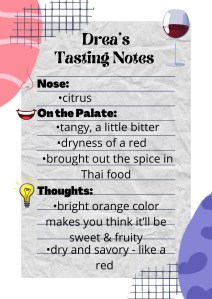
I chose the Field Recordings Skins to share and here’s what we thought:
(Pairing with Thai food)
These orange wines restored my faith that not all orange wine is wine gone bad. And they can be very different than what you might be expecting. But isn’t that half the fun about summer wines ~ trying something new, refreshing and just a little bit different?
• 2 1/2 oz Kinky Pink Liqueur – I used Mango, Passion Fruit + Blood Orange (chilled)
• Prosecco or Sparkling Wine (or no-alcohol sparkler)
• Fresh raspberries
• Lemon twist for garnish
Directions:
Pour tbsp Mathilde Cassis liqueur into a champagne flute (or pretty glass – Mom always deserves a pretty glass). Add Kinky Pink liqueur. Fill rest of glass with your choice of ice cold Prosecco, sparkling wine or favorite no-alcohol option.
Garnish with raspberries and twist of lemon. 🍋
Enjoy!
To all the hard working moms out there, take a some time just for you, and have a very happy Mother’s Day!💖
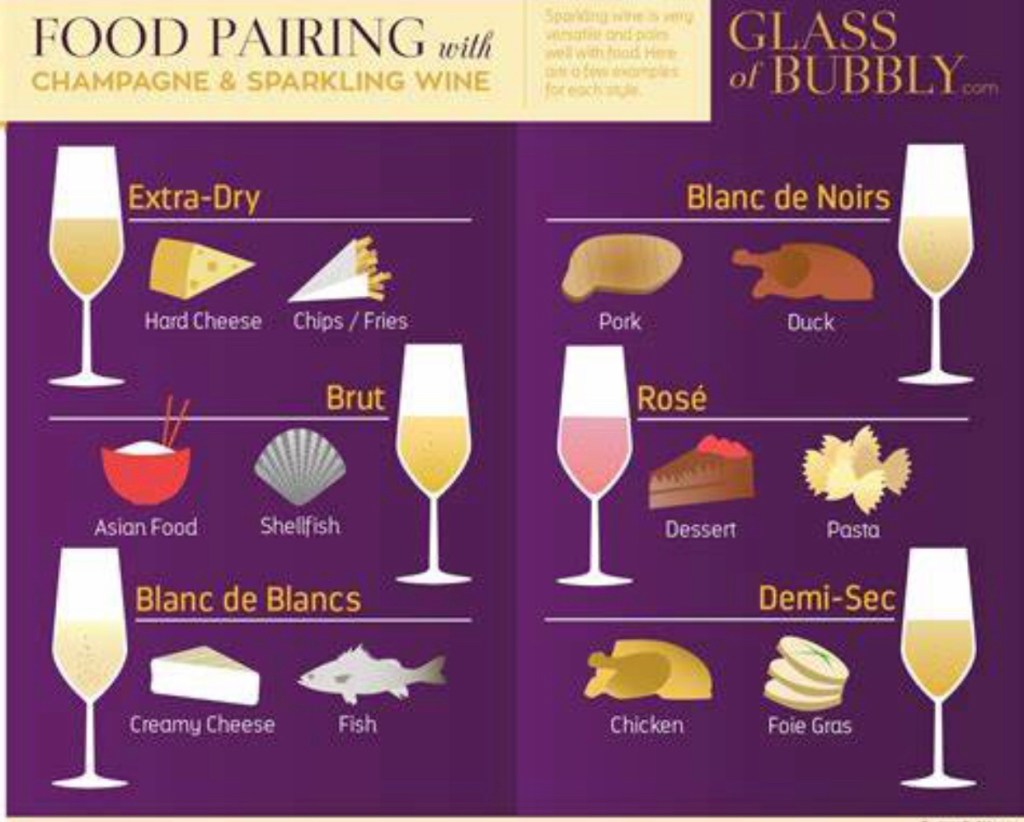
The general rule of thumb for pairing sparkling wines – fish, cheese, chicken.
But what if you’re not feeling that? What if you’re feeling adventurous and want to be free of all rules?
I say, go for it. For the most part, the sky’s the limit, just keep a few tiny guidelines in mind:
Serve your sparkler well chilled – the bottle opens easier and more safely when it’s cold. Allow a bit of time for the bubbly froth to settle and the delicate aromas to unfold.
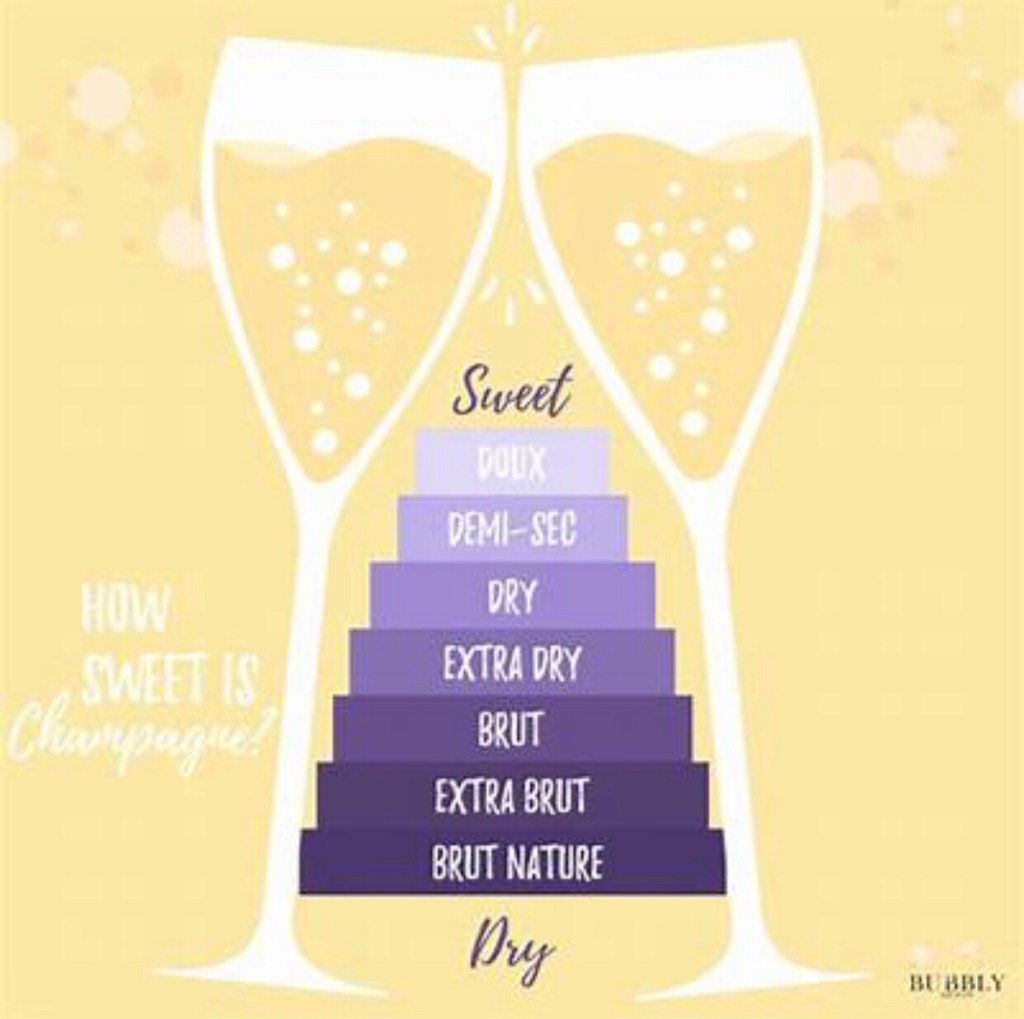
Here’s a great chart from bubblysideoflife.com gives the levels of sweetness to look for when choosing. Not all sparklers are the same.
And the answer is usually right on the label!
Sweetness Levels🥂 [Image via Bubbly Side of Life]
From dry to sweet, when pairing all wines, not just sparkling, you want to:
Match Flavor and Texture – For the most part, you don’t want your food to overpower your wine, or vice versa. You want both to compliment each other; bringing out each other’s best. Intensity of food and wine means its weight, which includes things like, salt, sweet, acidity, spiciness, etc. You want balance. For instance, I don’t enjoy a delicate, low tanninPinot Noir with a hearty, fatty, juicy steak. The steak, (especially if served with a smoky or spicy sauce) overpowers the delicate flavours of the Pinot Noir, which doesn’t have enough tannins to cut through the robust fattiness of steak. It’s not that the wine is bad, it just doesn’t match with the weight of the food.
A beefy, hearty Cabernet Sauvignon, with it’s higher tannin and alcohol punches within its weight class, and matches the steak sip for bite.
Likewise, pairing a Cab with a delicate white fish, overpowers the flavor and weight of the fish so all you taste is the Cab.
When pairing sparkling wines with food, the same principles apply. Lighter, brighter effervescent wines provide a delicate acidity, and in the case of Champagne, have some richness and aged flavors that give you a different experience. I’ve paired Prosecco with a rich, creamy buttery orecchietti pasta dish that was amazing. The bright, fruitiness and acidity cut through the heavy cream of the dish, cleansing the palate with each sip. So if you’re craving mac and cheese (with any combination of cheeses), do it! Experiment! See what you like!😍
The key is matching the prominent aspects of the food and the wine.
Traditional Pairings [Image via Glass of Bubbly.com]
Sweet with Heat – To avoid feeling the burn, pair spicy fare with a sparkling wine that has some residual sugar in it. Sugar cools down the heat of your dish, creating balance.
⚠️Avoid pairing spicy foods with wines that have high alcohol. These will ramp up the heat, creating a three alarm blaze in your mouth. 🔥Most of us don’t enjoy sweating our way through dinner. 🥵 Going spicy? Choose a sparkler that has Extra-Dry, Dry, Demi-Sec or even Doux on the label.
Acid with Fat – Fatty or fried foods play well with high acid wines like Champagne. The acidity cuts a swath through the fat and fried, salty goodness; cleansing your palate for the next bite!
Try fried chicken or french fries, or put out a bowl of potato chips and watch them disappear!
Smoke ‘n’ Oak – Pair gently charred foods with sparklers aged in oak. Think traditional method Brut or Extra-Brut. And keep the meat on the lighter side; chicken, shrimp. Grilled foods tame the oak intensity and bring out the fruity aspects of the wine.
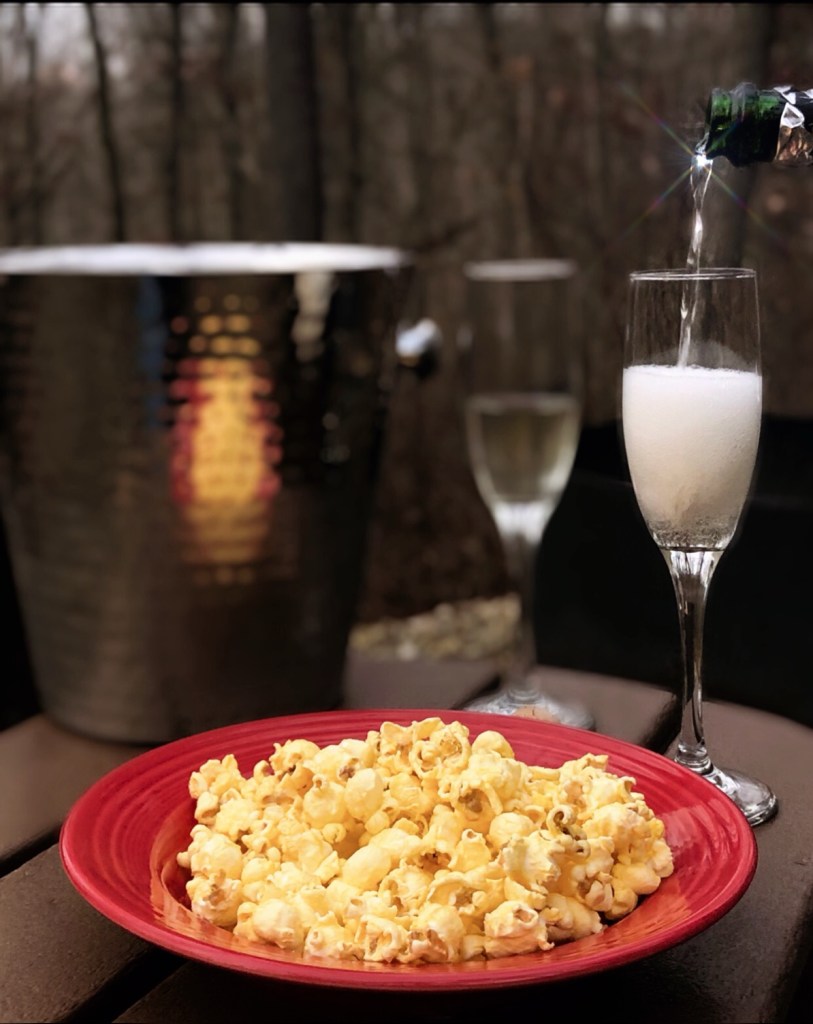
Sweet and Salty – If you love Chicago Mix popcorn (cheddar cheese and caramel blend) you know what’s going on here. Pairing salty foods with a sweet or almost sweet wine makes sweet wine more fruity (and less sweet), and salty foods more savoury. Try… corn dogs! Think about it – you have the gentle smokiness of the sausage inside, combined with the subtle sweetness of the corn bread on the outside, deep fried, and the sauce you put on top (dijon mustard, sweet bbq, ketchup) can change the vibe even more.
I like to keep it classy!😉
Sweet for the Sweet – with dessert, pair a wine that’s at least as sweet, if not sweeter. Sweet wines tend to highlight the sweet aspects of food. If your food is sweeter than your wine, the wine will fade, and seem dull. Again, go for sparkling wines that are higher on the sweet list; Dry, Demi-Sec or Doux.
Pair it with leftover Christmas cookies, Kit Kats, ice cream.🍪🍫🍨
Whatever sparkler you choose, whatever glass you have, whatever food you pair it with, please have yourself have a very happy, safe and healthy New Year!🎉🥳🍾
**Don’t forget to join me tomorrow, Thursday, December 30th, 11:00am on 900CHML’s Bill Kelly Show -with guest host Shiona Thompson!🎙
Last time, we did a deep dive into sparkling wines, looked at a few different ones and how they’re made. Today, we’ll take a little look at how to show off those tiny bubbles. 🥂 Which glass is best? Best is a tricky term. It can simply depend on what you have on hand, and what you like. But if you want to showcase your sparkling wine, especially if you’ve made an investment in that sparkling wine, it’s good to know some of the differences. Let’s look at four types:
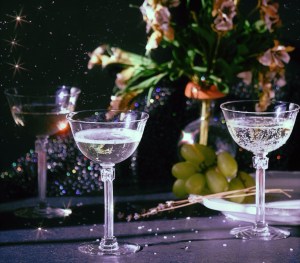
Coupe Glass
Coupe – This glass is the most classic version of all to showcase your sparkling wines. It’s the glass that typically has a wide bowl and opening. The much-circulated myth that King Louis XVI had the glass fashioned after Marie Antoinette’s breast, is just that, a myth. The glass was actually designed in 1660’s England by a Benedictine monk. While it can be a pretty and very classic way to serve your sparkling wine (and the best way to make a Champagne fountain), its design is not optimal. Because of the wide bowl and opening, both the effervescence and delicate aromas of the wine dissipate and fade very quickly. You want to enjoy the bubbles for a while. The coupe glass doesn’t allow for that. Sorry to burst your bubble.
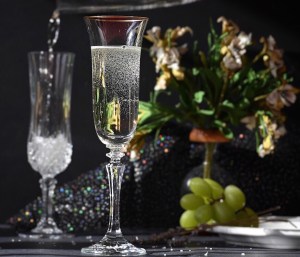
The Flute
Flute – We’ve all seen and held a Champagne flute at least once in our lives. Long and cylindrical, the flute has a much smaller opening and a higher fill line. This can highlight the bubbles as they escape to the surface. Some even have little etches carved at the bottom creating a beautiful necklace effect as the bubbles travel up the sides of the glass. Gorgeous! This design does keep the bubbles intact for prolonged toasting and your 20th try for your perfect Instagram. That’s a plus. But it’s also a minus because the surface area (and high fill in the glass) doesn’t allow for the wine to aerate, or let the delicate aromas of the sparkler to develop or unfold to its full potential. And if you’ve made an investment purchase, you want to fully taste what you’ve paid so much to enjoy. Also, have you ever tried to get your nose into a Champagne flute? That’s trouble just waiting to happen.
Tulip (Redux) – This glass is ideal for any sparkling wine. It has a round shape that narrows gently at the top. This enables both bubble formation and aromas to fully open allowing for the perfect expression of the wine. And you can get your nose into the glass!
Why do I keep wanting you to stick your nose into the glass? To better appreciate all the aromas and flavors of the wine as you sip!
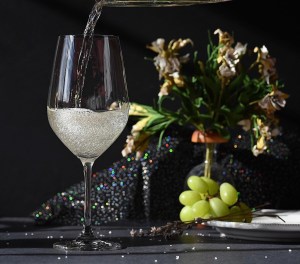
Tulip /Tapering Glass
Tapering Wine Glass – Similar to the red Burgundy glass, this has a larger bowl than the tulip and a somewhat tapered top. This design allows your sparkler to breathe, and open up; bundling all of the flavors and aromas to your nose and palate, and maximizing the full potential of the wine. And the bubbles still look pretty enough for your selfie.
Whatever style of glass you have, try to make sure it has a stem. I know, stemless is a cool looking trend but sparkling wines are meant to be enjoyed cold. Cold temps keep the fresh, vibrant character of the wine and the bubbles bubbling. The heat from your hand as you hold the stemless glass can warm the wine too quickly, removing the chill and tarnishing some of the sparkle.
Of course, if your wine won’t be in the glass that long, all bets are off – a jelly jar is just fine!😁
Next time – Part 3 – Unique Pairings – What to serve with your sparkler when oysters and fish just aren’t your thing.
*Be sure to join me on 900CHML’s Bill Kelly Show, (w/guest host Shiona Thompson) on Thursday, December 30th at 11:00am!🎙🎉
I spent this summer in writer’s purgatory. The anticipation of a summer without masks and worrying about COVID quickly gave way to watching tote boards of daily variant numbers rapidly climbing again. To write about wine at that time seemed a bit frivolous given what was happening in the world. I’m a worrier by nature and was concerned for people everywhere.
I began to realize that researching, writing, and photography, for me, had always been a safe space, and very therapeutic. So, slowly, I’ve been looking here and there to get myself back into the swing of things.
Shall I begin with Wine Chips? Why not begin with Wine Chips?
Just so you know, these are not made with wine, which runs all over the place. They are “made with real cheese” and “flavor optimized for wine”. Wine Chips come in four flavors: Smoked Gouda, Blue Cheese, Manchego and Asiago.
Randomly, I chose Smoked Gouda. On the label they recommend pairing with a hearty Cab Sauv. What did I first pair it with? A light Pinot. OOF. BIG mistake. The Pinot, while a nice wine on its own, was way too light against the robust flavor of the chip.
But isn’t the beauty of research that sometimes it needs more than one sample?
My next choice was a $10 Apothic Dark. Go cheap and brooding or go home.
My rationale? The test of a good wine pairing product is whether it can stand up and be counted. A premium wine can usually make any food taste good. This isn’t always so with a cheaper brand. Which doesn’t mean that lesser – priced wines are bad – many times they can rival the big ticket players – & much ballyhoo of wine is actually in the marketing (I’ll save that for another post).
So how did it all stack up?
First, let me describe the chip itself: thick, both in cut and flavor; smoky and cheesy. They do a good job attempting to re-create the weight and mouthfeel of cheese. To give you a reference, it’s comparable in texture to a thicker Sour Cream ‘N’ Onion chip. Creamy with a distinctive flavor, but less salty. I kept thinking how nice these would be as part of a charcuterie featuring a mild prosciutto, soppressata or sliced bratwurst, spiced cashews, figs, and grapes.
This Apothic blend boasts dark fruit notes of black + blueberry with hints of coffee and dark chocolate. It seemed to meld better with the weighty cheesiness of the chip. And the more I paired it, the better it got. And that was a factor of two things: the wine gradually opening up, and the fact that the wine was robust enough to play with this chip.
And in the spirit of full disclosure, there is no spon con here. My review is completely my own; I have not been gifted any product, neither chips nor wine.
As we enjoy this fall as best we can, please take care of yourselves, and each other. ❤️













 The Wine Student