Of Port and Sherry

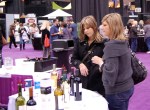
I wanted to add a little more about my experience at the Fabulous Food Show on Sunday. I went as I normally do for the wine sampling. I was particularly interested in the seminar on chocolate and wine pairing given by Joe Fink of Fantasy Candies and Marianne Franz of the American Wine School. I wasn’t disappointed.
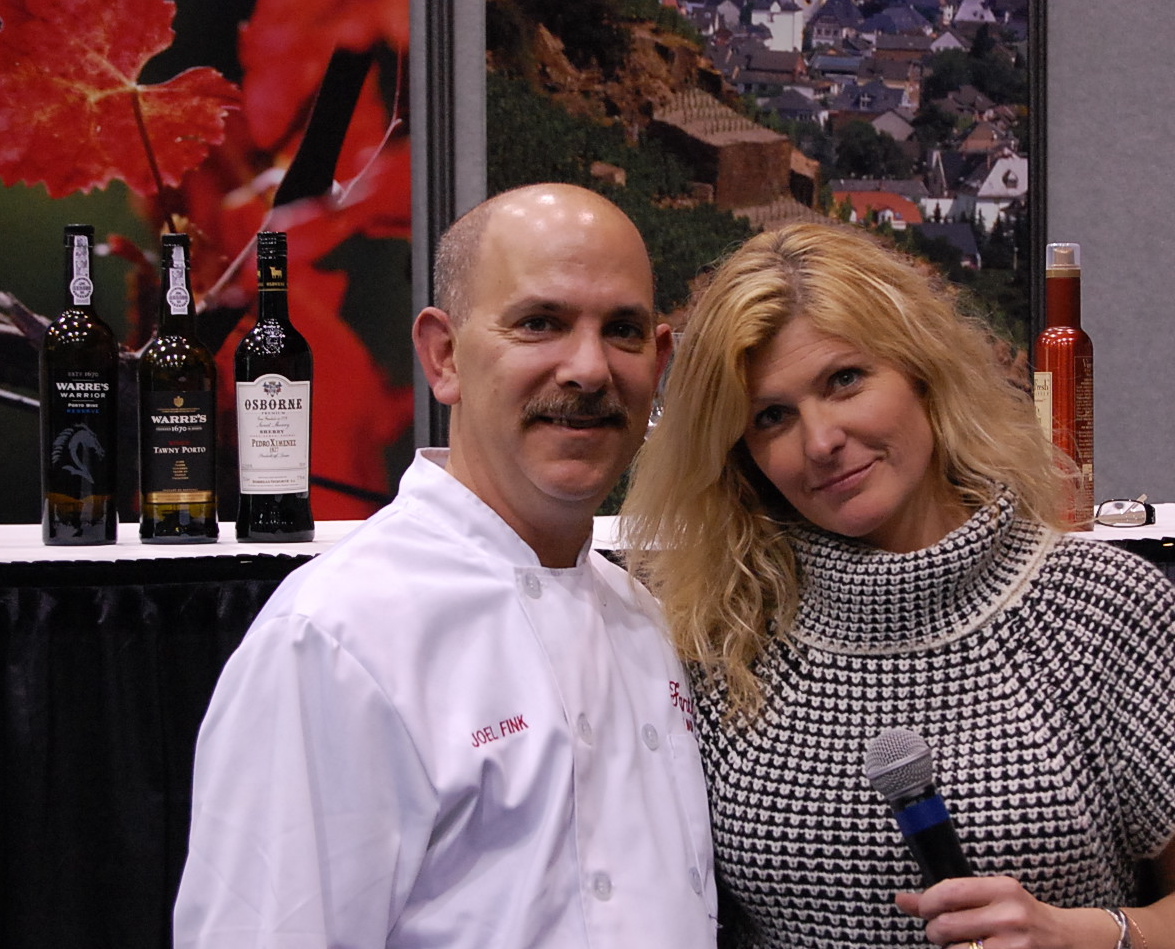
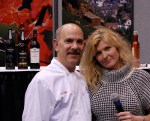
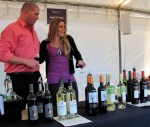
Joe and Marianne
Joe and Marianne


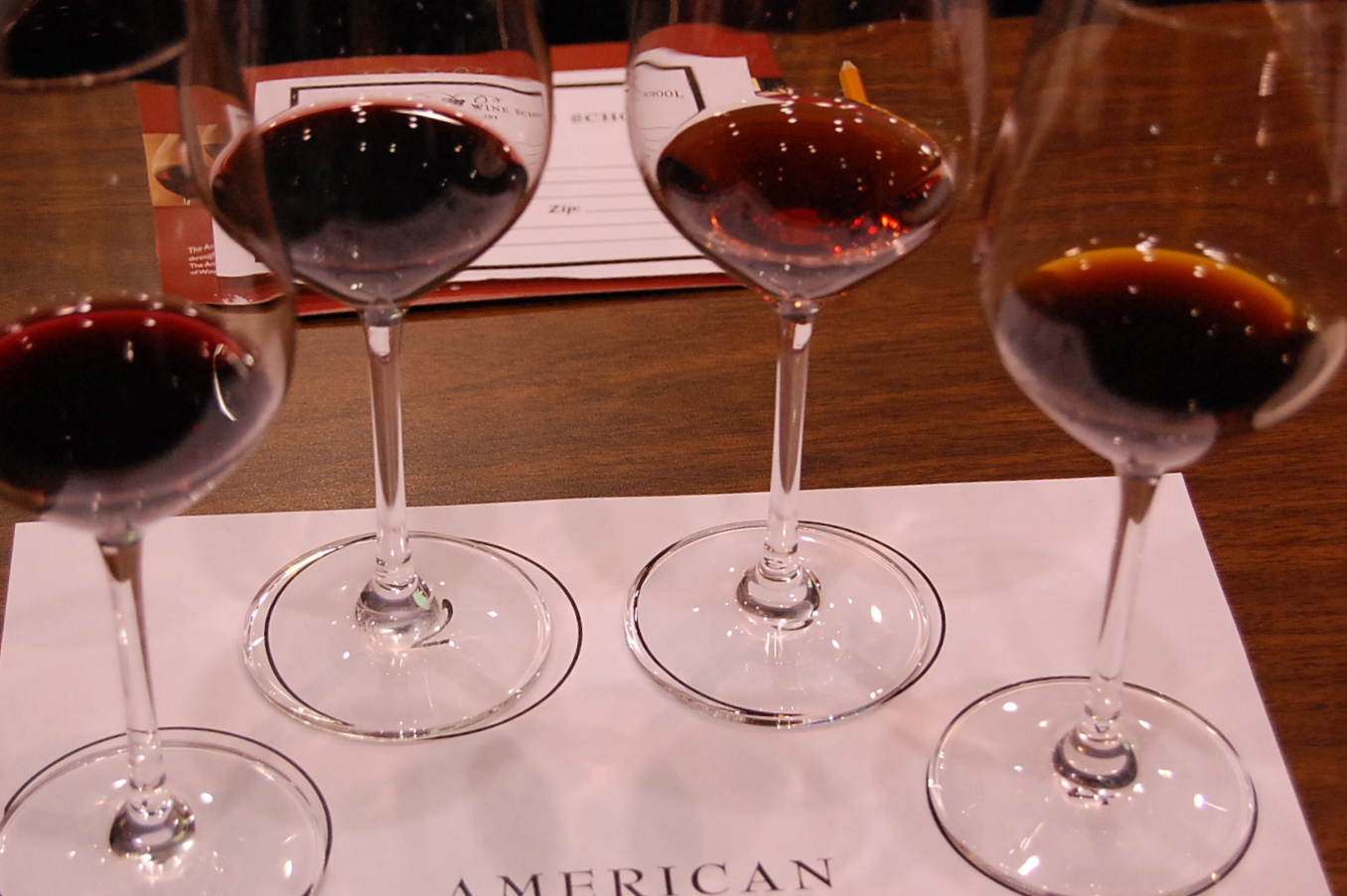
Four Sips of Yum

Four Sips of Yum


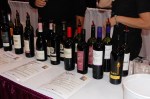
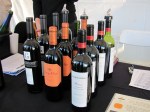
We started with four wines in front of us ranging from a hearty Cameron Hughes Bin 257 Cab Sav, a Warre’s Warrior Special Reserve Port, Warre’s Tawny Port and finally an Osborne PX Sherry. Starting from left to right we paired the Cab with a dark chocolate containing about 72% cocoa. The wine on it’s own was great but pairing it with the  exotic richness of the dark chocolate opened up and new level of deep rich berry and  added a light caramel finish I didn’t expect. While I’d pair chocolate with just about anything, I hadn’t thought of enjoying it with a Cab, which I generally save for a hearty beef dinner on a cold winter’s night. But that’s why I’m the student, and this is a learning experience.

We moved on to a 65% cocoa and paired that with the Special Reserve Port (alright, I tried some of the 72% with this as well, and it was really good). I’m not really a port drinker; in the past I’d found it to be too sweet, almost cloying, so this was a nice way to open my eyes to the world of port and how it could be served. As Marianne noted, sometimes two sweets together can cut down the sweetness you actually experience. But maybe it was the high I got from all the great chocolate that made me feel so accepting. Either way, I was enjoying the combination of the port and chocolate. Of the two, I found the tawny port much richer, complex when paired with the 65% cocoa sample.
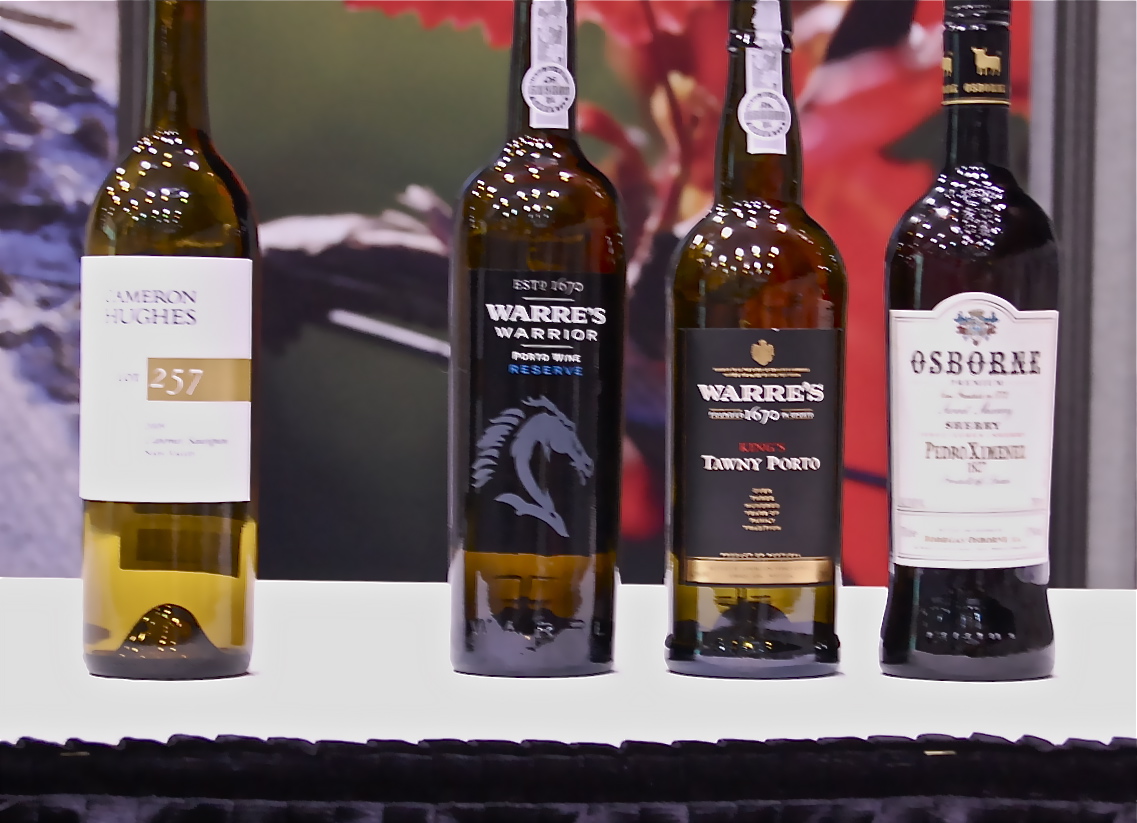
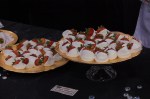
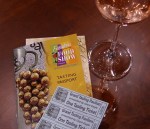
Samples of the day ~ Vote for Pedro!

Samples of the Day ~ Vote for Pedro!

As the tasting went on, I became more interested in what the PX in my last glass would taste like. For years, I’ve had the cliched idea that sherry was something you kept in a cupboard and threw into a crock pot when nothing else was available. I was about to be schooled. I found myself intriqued by the color: a rich, golden brown with thick legs when you swirled it. Thick legs, in this case, is a compliment. The bouquet was of a buttery caramel toffee with a hint of a sweet cigar. Yes, cigar. You know when you smell a waft of a sweet tobacco in the air on a warm summer night? It was like that. When I told my friend Terri (who was also sampling) what I tasted, she looked at me like I was crazy…or needed to be cut off. I was neither. We paired this with with a honey-like milk chocolate and it brought out even more depth of the flavours. Once Terri tried the chocolate and sherry  together, she understood what I meant. When I researched a little further, I learned that Pedro Ximenez is actually made from a sweet vinegar made from grapes that have been sun-dried.

We had a great hour of decadence.  The best part was we didn’t get kicked out of class.

Cheers!


Field Trip ~ The Fabulous Food Show in Cleveland


Cheers!

At the Crocker Park Wine Festival

Wine Tasting 101

Much of what I’ve learned about wine tasting (real wine tasting; not quickly sucking back a wine skin before a high school dance) I’ve garnered from trips over the years to wineries. The American Wine School here in Cleveland has some great classes to demonstrate how to quaff like a pro.  And once you have the basics, you can impress your friends at dinner with your learned snuffing and swishing. I don’t recommend spitting at dinner ~ it generally horrifies the others.

You’ll want to use a glass that gives you the ability to: swirl it without spilling, and get your nose into fully so you can inhale the aroma. In the coming weeks, I’ll write more about glassware and how it can enhance the wine drinking experience.

Unless you’re going to decant your wine for a few hours, or pour it through a wine aerator, you can: swirl it (on a table or countertop) to move a little oxygen through. This works to breathe new life, if you will, into a wine that’s been stopped up in a bottle for a while and improve the flavor you experience.

Love at First Sight

Once you’ve got your wine in the glass, and you’ve swirled it a few times, you’ll want to look for a few things:

  • Clarity: how clear is the wine?  Is there any sediment floating around or settling to the bottom
    • can be described as: muddy, cloudy, bright.
  • Intensity: is the color pale or dark?
  • Color: this indicates the tone or tint of the wine. you could use words like: ruby, purple, crimson, green, yellow, straw, amber

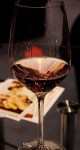
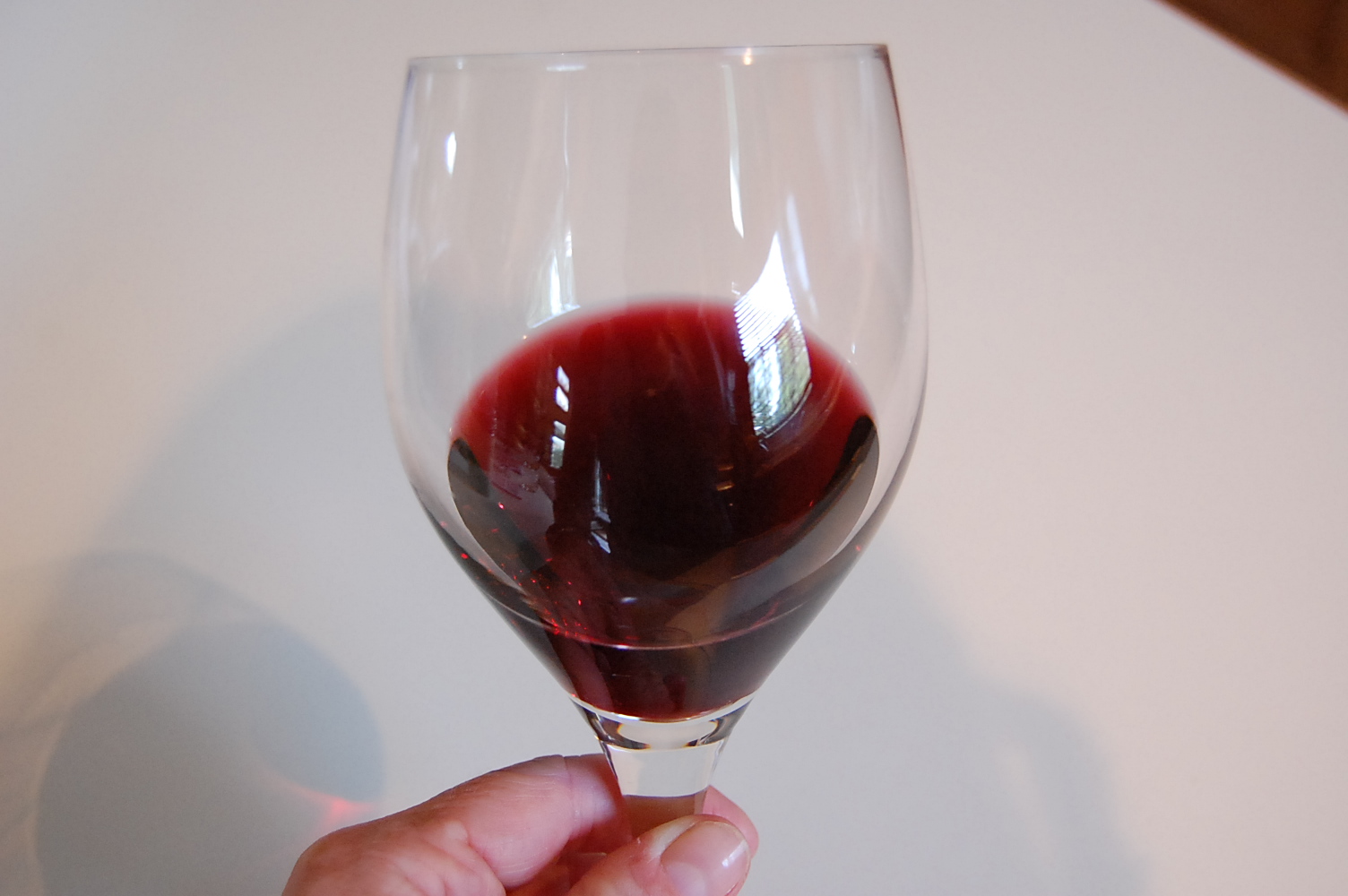
A good way to really see how it looks is to hold your glass at a slight angle over a white surface. You can use a white table cloth or a light countertop.The white surface helps to illuminate the wine and you can see more detail.

After swirling, tilt your glass and take a look. You’ll be surprised at what you can see.

White surface...for better clarity

White surface... for better clarity

On the Nose

Smelling, or nosing, determines several things about a wine:

  • condition (good or bad)
  • intensity (weak or robust and pronounced)
  • character (how you’d actually describe the fruit itself)
  • How to ‘Nose’ a Wine: I know, it sounds all kinds of wrong but it isn’t. Take one short sniff (to determine condition) and ask yourself: is it good or bad? Short sniffs are actually important because air that moves quickly into the nasal passages intensifies the sense of smell.
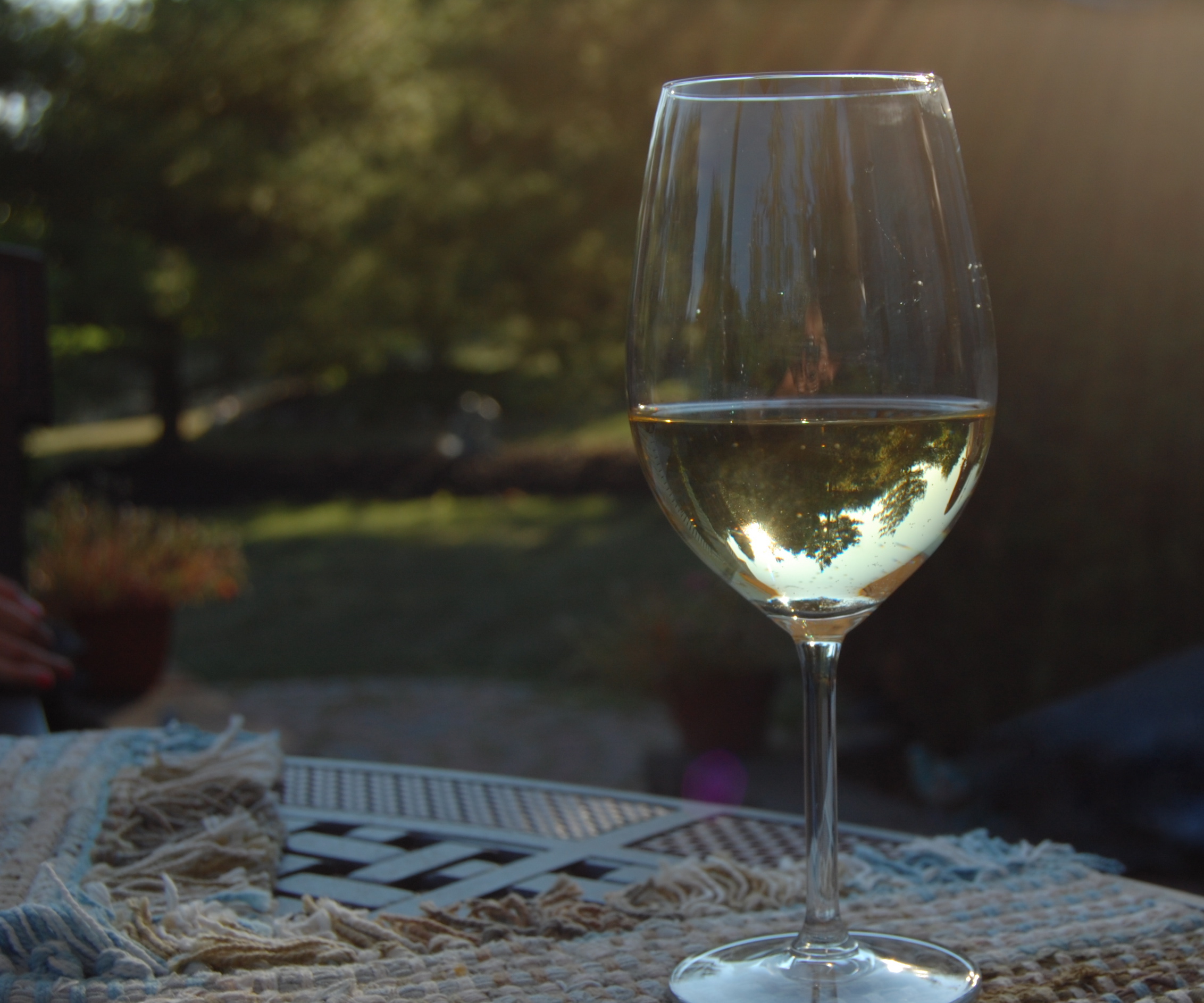
Hello Wine!

Hello Wine!

After this, you can take several more deep, gentle sniffs to determine the aroma’s intensity and character. When you swirl and sniff, see how many ways you can describe the aromas. And don’t worry if you’re just starting out, you will be able to tell if a wine just doesn’t smell good to you. Really.

Over the Teeth and Past the Gums: Taste the Wine

Many experts have said that the best way to taste wine is to take a bit in your mouth, swish it back and forth while opening your mouth just slightly as you do it. This is to bring air into the wine to further oxygenate and bring out the flavors. That may be true, but I just end up with it dribbling down my chin. You can try it but  make sure you have a napkin nearby, just in case.

According to the American Wine School, tasting involves seven components:

  • Sweetness ~ how dry or sweet is it? Whether a wine is ‘dry’ means that there is very little left over sugar
  • Acidity ~ this is the sour yin to the sweet yang; described as fresh, crisp, tart, flat.
  • Tannins ~ provide the robust texture and structure (like espresso); hard, soft, bitter, chewy, round.
  • Alcohol ~ is what carries the aroma and heat (and all this time I thought it was a hot flash); low, medium, high.
  • Body ~ how much weight the wine has on your tongue. It’s like a milky consistency of varying degrees, depending on the type of wine; light, medium, full
  • Fruit ~ the grapey, fruity (and non-fruit) flavors (like smoke, cherry, citrus, butter, stone and vinyl).
    • ** The wine aroma wheel is an excellent tool to help you to describe the fruit tastes you’ll experience. I’ll be looking at that in one of my next posts.
  • Finish ~ is the aftertaste and how long it stays in your mouth; usually described as short, medium, long.

So there you have it; some basics on tasting to get you started.

Cheers!

To read more about  wine tasting:  www.jancisrobinson.com

The Wine Student ~

Over the years I’ve enjoyed a lot of wine. I’ve tasted some, had a bit too much of others but it’s only in the past few years that I’ve seriously wanted to learn more about them. The first step was taking a wine retailing course. In it, I learned about what it took not only to grow and produce wines but how to make tasting and buying of wines a wonderful and unique experience. For me, something clicked and I knew it was a process I’d always want to learn more about.

I’ve spoken to many vintners and grape growers over the years and I’m always impressed by the passion they have about the work they do; the sweat and sometimes tears that go into producing a vintage every season. Each year is a little like Forrest Gump’s box of chocolates: you never know what you’re going to get.

In a few weeks I’ll be taking a first level wine course and I’m really excited about it. I’ll be learning about many aspects of wines, how to serve it, and how to pair it. I’ll take you along with me.

One of the goals I have for this blog is to de-mystify wine. There have been so many times in restaurants where I’ve been  overwhelmed by the choice of vintages, labels and types of wines that I sometimes shut down. While it’s great to rely on the sommelier’s wealth of information, I want to have a better working knowledge of wine. To do that, I have to experience it; from picking a bottle because of the artwork (which, yes, I’ve done from time to time) to the learned suggestion from an expert.

Every few posts I’ll include a wine that I’ve sampled and rate it in so many grapes: 5 grapes = this made my eyes roll back in my head and 1 grape = ‘not so much’. Hmmm…maybe I should raise the bar a little higher for the eye-rolling category – that’s a pretty tall order for anything to do, much less a glass of wine. I’ll work on that one a bit more.

My blog is about pursuing the passion I’ve developed for wine and I hope you’ll enjoy learning right along with me.

Cheers!

Cheers!

Cheers!