Fun with Finals

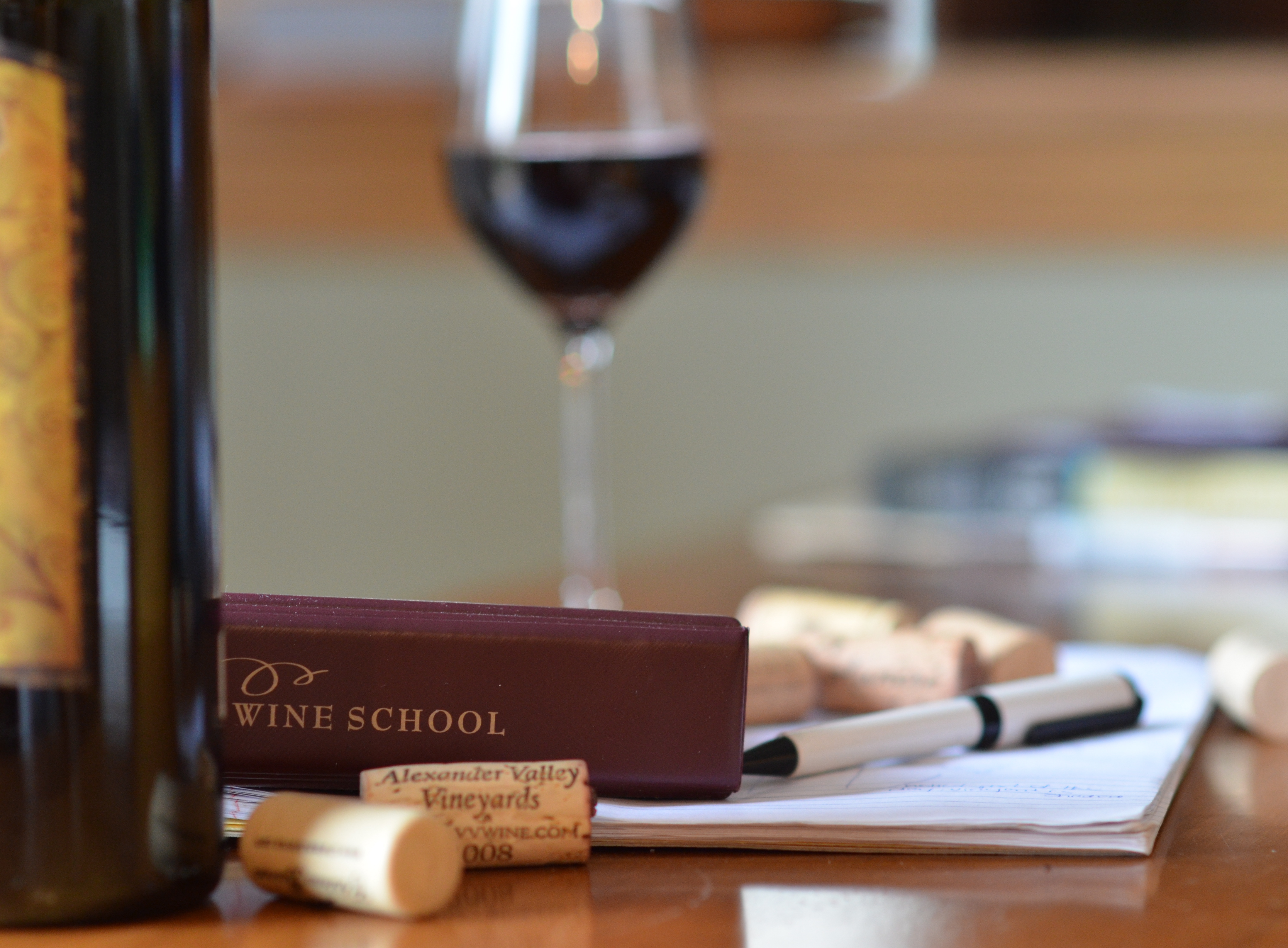
I admit it: I was a little anxious. Yesterday was my exam for the WSET Level 1 Foundation course. I’d studied and paid attention in class, yet occasionally had the feeling in the pit of my stomach that I used to get before I wrote an exam. And it’d been a while since I’d studied for anything. While the course was only three weeks, there was a lot of great information shared not only in the study guide  but in class as well. The wealth of knowledge of instructors Paul Giudici and American Wine School Founder, Marianne Frantz, made the class so interesting and fun; their love and enjoyment of wine was infectious. We studied about the seven noble varieties, styles of wine and how other factors like oak, tannin and acidity affects the wine. We also e xplored the appropriate temperatures for serving wines (including varying temps for white and sweet and sparkling. Not all reds should be served at room temperature). We looked at the importance of correct glassware and why to keep it clean: Dust and detergent residue can adversely affect the taste.

The final night’s class on food and wine pairing  ~ the one  I missed, was in addition to my study notes that, thankfully, I had with me. I learned that: Sweeter and savory dishes can amplify your perception of bitterness, acidity and alcohol burn in your wine. Foods that are higher in acidity and salt can enhance your perception of  the wine’s body, sweetness and fruitiness. Until this class, when I’d choose wine with a dish, I typically thought only of the standard, safe-and-sure pairing principles: White wine with lighter meats and fish; reds with beef and certain pasta dishes.  I’ve since learned that it goes much further than that, in order to get the best taste experience. It’s good to consider the salt-to-acid ratio, not just in the food but also in your wine. For instance, if you’re having a dinner that’s packing some major Chili heat, you’d want to pair it with a lower alcohol white or low-tannin | low-alcohol red. Since Chili heat increases the perception of bitterness, acid and alcohol burn, pairing with a high alcohol wine would be like trying to put out a fire with gasoline. Yowza!

Once I turned the test paper over and read the questions, my nerves fell away. And to celebrate after the exam, I cracked open an ’02 Tempranillo. It was lovely and creamy; deep purple in color and tasted  of rich, ripe raspberry.

I really enjoyed my time at the American Wine School and I hope my schedule will allow me to take the other levels in the WSET Foundation series. If you’re looking for a great, fun way to improve your wine knowledge, I recommend checking out the AWS | WSET Foundation series classes.

Cheers!

©TheWineStudent, 2013

Just Peachy

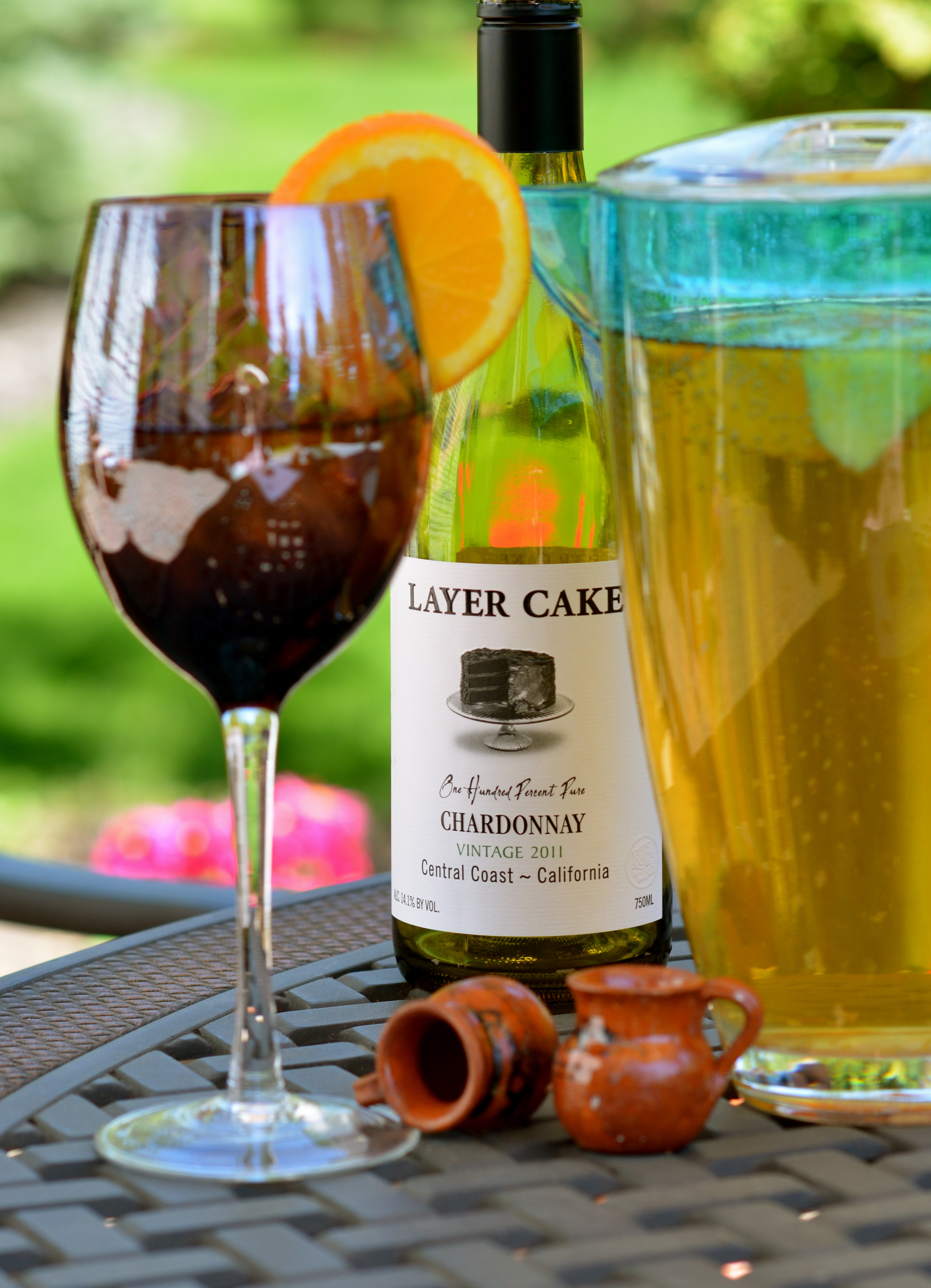
Sald! Peach~Mango~Chardonnay Sangria

Salud! Peach~Mango~Chardonnay Sangria

KISS ~ Keep it Simple, Sweetness!  I used to think that making Sangria would be an arduous task, so I stayed away from it. But I wanted something fun to celebrate Cinco de Mayo. Though not a beer drinker, I’d usually choose the safe and sure Corona ~ where the hardest part would be finding my bottle opener and cutting some lime wedges.  But with the weather being so beautiful (and in the Cleve, you have to take advantage when you can) I craved something fruity, fun and wine- based. I found an easy recipe for Peach~Mango~Chardonnay Sangria.

Some of the recipes I looked up suggested using Voignier, Pinot Grigio, Sauvignon Blanc, which tend to be much more fruity and lighter. Chardonnay is generally a full-bodied white. I chose an ’11 Layer Cake Chard. In part, because it was a less expensive bottle~ about $11~  and because I’d be mixing it with juices, ice and liqueur. I also thought since Chardonnay is so full-bodied, the taste would stand out more in the mix. The tasting notes claimed a citrus, pineapple and lemon curd vibe with a clean finish that I thought would be cool. I was pairing it with homemade Guacamole that was quite salty, and thought the sweet of the Sangria would meld nicely with the salt.

I really liked the Peachy ~ Mango first flush that quickly settled into the citrus and pineapple of the Chardonnay; and it really balanced out the onion, tomato and garlic elements of the guac. The next time I try it, though, I’m going to change it up using an inexpensive Voignier or Sauvignon Blanc, just to see if there is any discernible taste difference.

Cheers!

©TheWineStudent, 2013

Breathe Easy: The Winebreather Carafe

The Winebreather image via givesimple

The Winebreather image via givesimple

A few posts back, I wrote about decanters and aerators and found that there was a significant difference in wine when you use them. I recently read about the Menu Winebreather Carafe. Menu claims that it adds 10x more oxygen to the wine in under 2 minutes…hmmm…that’s pretty interesting … and fast.  When you decant, you have to wait about 2 hours to to get the full effect of the oxygenation. Aeration is pretty instantaneous by comparison.

The way it works: You press the decanter onto the top of any wine bottle then flip it over to pour the wine into the decanter and serve. The beauty of this design is that if there’s any wine left in your decanter, and that’s a big if, you flip again, pour the remaining wine back into the bottle to store in the fridge. That’s kind of cool.

It retails for $49.95 and is available pretty much everywhere including Menu, Wine Enthusiast and Amazon.

Having a little science background (which can be a dangerous thing) I couldn’t just go by marketing copy and a few gold stars (although it seemed to score a lot of them).

Oh no, I’m going to do my own experiment ~ decanter vs. aerator vs. winebreather. I’d like to see for myself what’s what. Alas, I’ll have to wait a couple of days for the last constant; the Winebreather isn’t available at my local wine shops.  That’s a bit of a drag but it’s okay.

I’ll be sure to write a full report on my findings. But to pass the time, I’ll continue to enjoy my Rabbit. The aerator, I mean.

Cheers!

©TheWineStudent, 2013

Peggy, Joan and Betty: My Top Three Mad Wine Cocktails

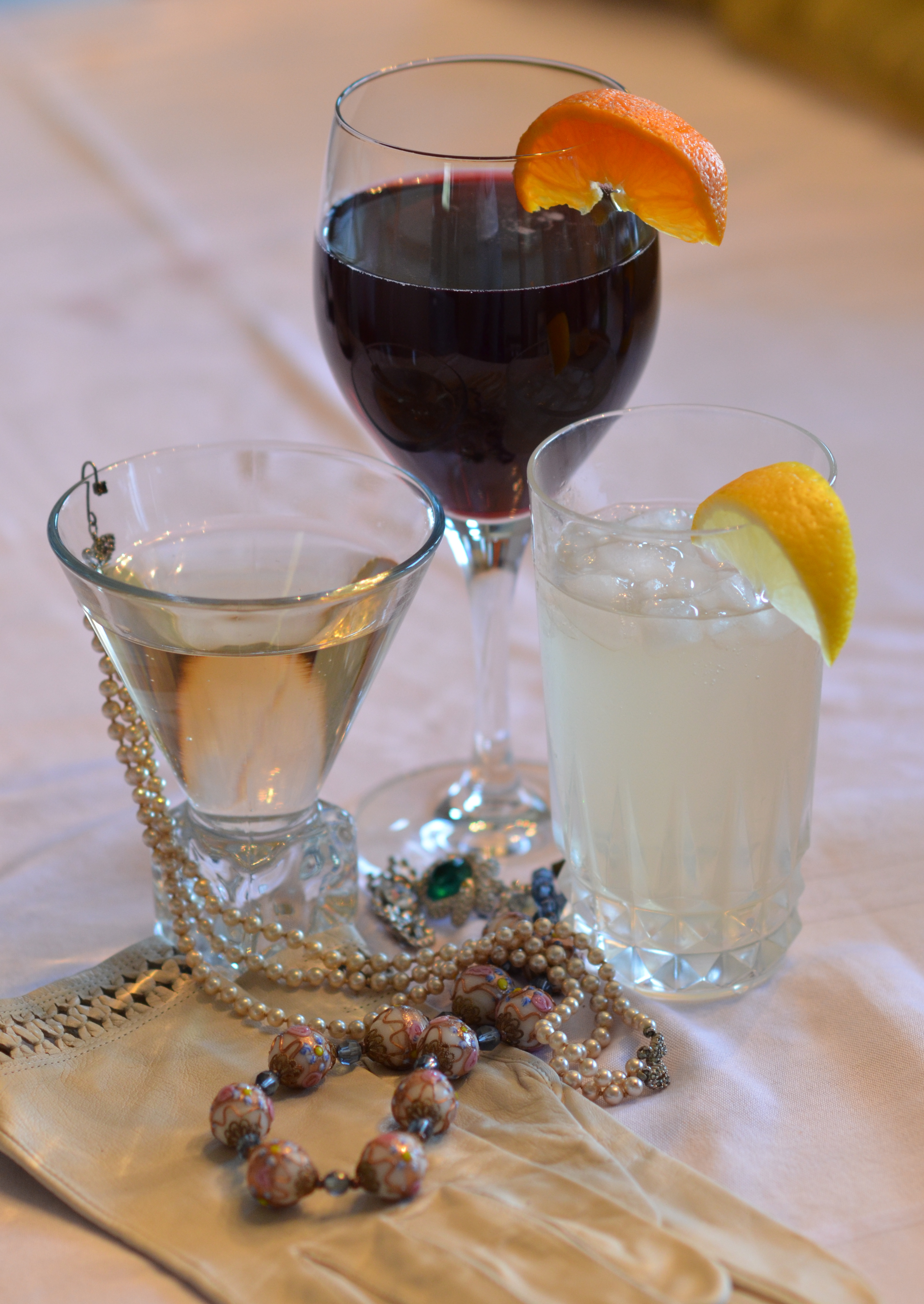
The Ladies: Peggy (L), Joan (C) and Betty (R)

The Ladies: Peggy (L), Joan (C) and Betty (R)

It’s no secret that I love AMC’s Mad Men. In the spirit of its Season 6 premier tonight, I found some wine-based cocktails that made me think of my three favorite lady characters: Peggy, Joan and Betty.

The Peggy (Operator)

2oz chilled dry white wine

2oz dry ginger ale

1 tsp lime juice

Pour over some cracked ice in an old fashioned glass. Garnish with a slice of lime and a generous dollop of sarcasm.

The Joan (Cabernet Cobbler)

4oz chilled Cabernet Sauvignon

1tsp fresh lemon juice

1tsp superfine sugar

2oz soda water

Dissolve sugar in lemon juice and water in a big, beautiful wine glass. Pour in Cabernet, stir gently and garnish with a slice of orange and a knowing wink.

The Betty (Diamond Fizz)

2oz Gin

juice of 1/2 lemon

1tsp powdered sugar

chilled Champagne

Shake gin, lemon juice sugar and ice, then strain into a high ball glass and fill with chilled Champagne. Garnish with an icy stare and a touch of resentment.

After some of the shocks of last season, I’m honestly not sure where this season will take us. But if memory serves, the Mad Men way of dealing life’s challenges is to remain calm, fasten your seat belt and smooth the rough edges with a great cocktail.

Cheers!

©TheWineStudent, 2013

Bright, Young and Cool: Wine Marketing’s New Look

This slideshow requires JavaScript.


The face of wine marketing is changing. It’s getting younger. And it didn’t need Botox to do it. If you want to sell something, really sell it, it’s got to be cool. Look at any product out there; if it’s considered cool, it’s because younger consumers have deemed it so. The wine industry, for the most part, is becoming very aware.

Until the last decade or so, the impression of the world of wine has been a little, well, stuffy. But if you look at most wine stores now, as I recently did, you’ll see a distinct pattern emerging: the wines with the most interesting, funkycool label art and packaging are getting prominent shelf space, usually in the front row. And that’s the perfect position for the grab-a-bottle-on-the-way-to-the-party crowd.

Twenty-something Millennials are fast becoming the key group to the future of wine marketing. According to Donniella Winchell, Executive Director of Ohio Wines, there are two basic categories, the first ranging from ages 24 to 28. “This group are recent graduates who have been negatively affected by the recession but are still interested in fun wines; the sweet whites and reds. The over 28’s are well-employed and prefer wines in the $12 to $24 range.” She adds that, “By the ages of 14 to 25, they’ve established their taste in music, clothing and are well on their way to molding their decision-making in beverages, and there are lots of choices. Most have been exposed to better wines over the years because of what their parents were drinking.”

It’s no surprise that social media largely influences what’s trending in wine brands and what’s being chosen in the wine store. There’s also the tendency to veer away from traditional brands in favor of wines that have a celebrity buzz or are socially or environmentally conscious. Winchell notes, “They’re not always brand loyal or specific ~ paying more attention to what their friends are buying or what they’re reading about online via Twitter and Facebook.”

Differences are clear not only in buying habits but also at events. In tracking wine sales and attendance at winery events, Winchell notes that, “Millennials tend to gravitate to the sweeter wine and, at events, hang in larger groups ~ buying maybe a bottle. Wineries generally like to focus on the age 45 plus consumers who have larger incomes and buy wine by the case.”

But Millennials are the future and Winchell cautions that wineries who don’t account for them in their long-range forecasts will be left behind, “Those who don’t pay attention to Millennials now won’t know why they’re in trouble in 10 years.”

This is a really interesting trend for wine and it’s something I’ll be keeping an eye on, especially within the Ohio wine industry, in upcoming posts.

Cheers!

©TheWineStudent, 2013

Apt Pupil

I’m so excited! I just registered for the WSET level 1 Foundation Certificate course at the American Wine School here in Cleveland! For three Mondays starting in April, I’ll learn about varietals, factors affecting the style of wine, food and wine pairing and proper wine service. I’ve been wanting to take this course for a long time , and it’ll be great to immerse myself in a methodical look at the world of wine.

This winter has made my brain feel a little like Swiss cheese, so I can’t wait to have a new challenge. And when the main topic is wine, who says learning can’t be fun?

Cheers!

©TheWineStudent, 2013

Hollywood and Vines: Top 5 Wine Movies

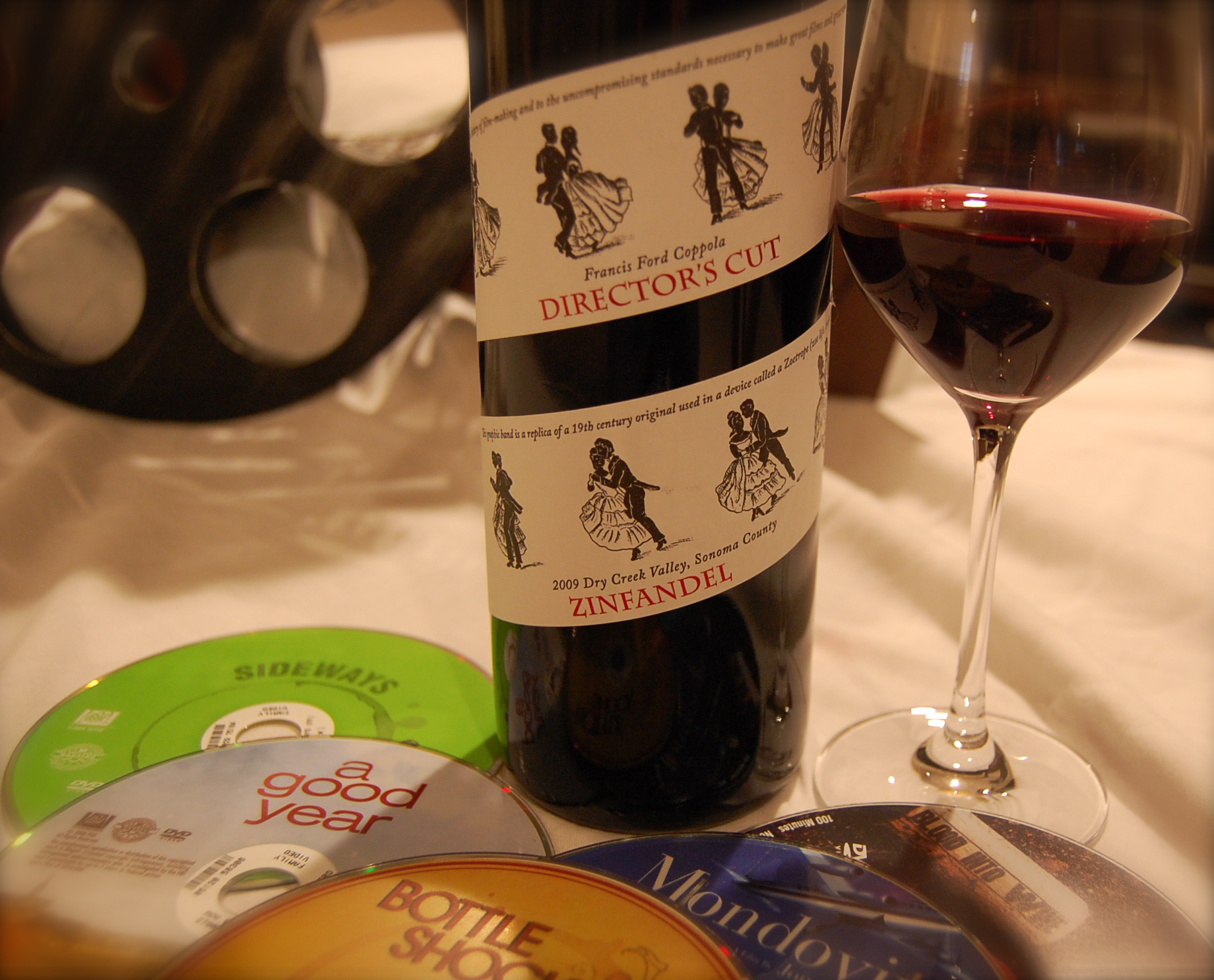
Action! Coppola's Director's Cut Zin

Action! Coppola’s Director’s Cut Zin

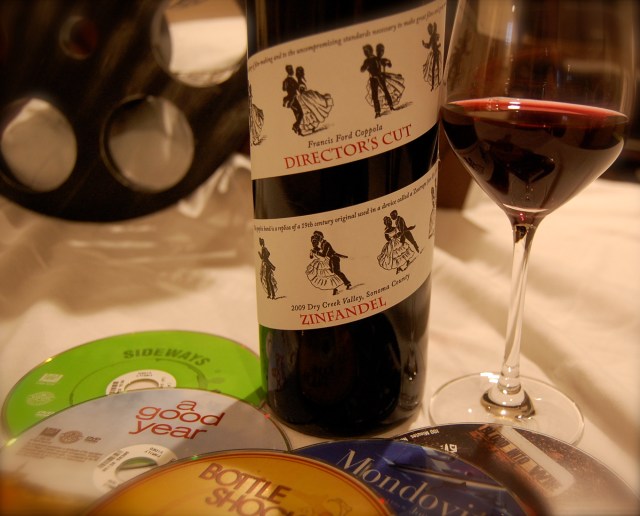
I love movies. I love them almost as much as I love wine. And with this being Oscar weekend, I thought I’d list a few that I enjoyed this past week ~ two documentaries and three dramatic.  I paired one of the movies with a rich and beautiful 09 Francis Ford Coppola Director’s Cut Zinfandel. I’d never tried it before and gave it two thumbs up.

So, for your consideration, and in no particular order:

Blood Into Wine (2010) ~ 90% documentary and 10% great marketing, Blood Into Wine stylishly illustrates Maynard James Keenan and winemaker Eric Glomski’s journey and struggles in the world of making Arizona wine. Keenan, drummer and frontman to some great bands such as Tool, A Perfect Circle and Puscifer, discusses how something ‘clicked’ for him about wine, leading him on a journey of ‘self-discovery’ and compelled him, ‘to know more…and see how far I can take this as an artist.” For Eric Glomski, a background in river ecology and early experiments with apple wine, made it clear how winemaking “helps us understand our relationship with the earth. And how wine is an expression of home.” The doc explains the growing seasons, the trials and tribulations of being a frontier winemaker in a rough northern Arizona terrain. From the political issues of water rights, to Javelina stripping one-third of their Sangiovese crop, to winter frost (which happens in higher elevation AZ vineyards), winemaking in Arizona is not for poseurs. For the entry-level wine drinker, it educates about the process and history of winemaking in a way that is entertaining and cool. Keenan is a rare celebrity winemaker who knows what he’s talking about, admits that he’s still learning and, literally, isn’t afraid to get his hands dirty. His story about his mother and the pride he has for Caduceus Cellars‘ ’07 Nagual de Judith Cab Sav (named in her honor) is very touching. While it occasionally had the subtle feel of a marketing video, that’s okay. I have no problem with promoting awareness and generating buzz for a burgeoning wine region.

Mondovino (2004) ~ This documentary by Jonathan Nossiter examines the conflict between big wine, in this case Mondavi, and the smaller European winemaking families trying to preserve their land and culture. It’s a whirlwind flight from Brazil, into the vineyards of Burgundy, and Sardinia, on to the gilded drawing rooms of Italy, and finally the sprawling colossus of the Mondavi vineyards in Napa. Early on, Nossiter introduces you to Michel Rolland, a wine consultant, who advises an international array of wineries in making their wines to suit a more “uniform, Mondavi style.” He uses the term ‘micro-oxygenation’ which such frequency and at almost every vinery he visits, you’d think it was his middle name. When asked about ‘diversity’ in winemaking, he replies, “That’s why there are so many bad wines.” Ouch. It goes on to illustrate the power of the Mondavi marketing machine and how the smaller ‘generation’ winemakers must, in essence, conform or be cast out. I think the point Nossiter is trying to make is that in order for the smaller wineries to compete at all in an ever expanding market, they have to allow Mondavi and it’s marketing power to take over, which means selling out their own expression, or terroir, to a standardized style of wine. It’s referred to as ‘globalization’ of wine and the narrative raises some very interesting points, to be sure. If there’s no diversity or personal expression/signature in wine, what’s the point?

A Good Year (2006) ~ Hmmm, my best nutshell description: icy Master of the Universe-inherits vineyard-meets and falls for sexy French chick-life dramatically changes. Russell Crowe plays Max Skinner, a British financier who, in the midst of his chaotic life, finds out he is the only living relative of his beloved, yet forgotten, Uncle Henry (Albert Finney). He becomes the default owner of his uncle’s French Chateau and adjoining vineyard. At the start, he sees it as just a piece of real estate, to be cashed in and sold off. What he doesn’t expect is that his life will be transformed (voila!) in a mere 7 days. Told partially through flashbacks to sunnier days of fun and wine with Uncle Henry, it’s nicely romantic but predictable ~ there’s even a mention of… Mondavi (ha). Still, it’s good to see Russell Crowe in something a little lighter and no phones were thrown. There’s a quick, ironic scene where Max makes a Lance Armstrong reference, which is funny, but now for a very different reason.The loose ends tie up a little too neatly but the beautiful shots of the Chateau and vineyard make up for that. The point is more than hit home that, try as you might, you can’t ever really outrun the ties that truly bind; for memories, love and wine will inevitably stand the test of time. Oh, the sexy French chick? Marion Cotillard.

Sideways (2004) ~ Starring the great Paul Giamatti, it’s probably one of the most famous movies about wine so I don’t think I need to go into a plot synopsis. Suffice to say,  it probably cast the most light on the whole Merlot vs. Pinot debate. My favorite scene is when Virginia Madsen’s character, Maya, waxes poetic on what she loves about wine; how wine continues to evolve over time, gaining complexity and how it is, actually, alive. Much like love. Amid the comedy and chaos of the movie, this is the scene that distills what it is to be a true lover of wine.

Bottle Shock (2008) ~ If you can get past the really bad wig that Chris Pine has to wear, Bottle Shock is an interesting look at the fledgling California wine industry in the mid-’70’s. Loosely based on a true story, it follows two tales. The first is the struggle between a failing California winemaker Jim Barrett (Bill Pullman) and his slacker son, Bo (Pine) to produce the perfect wine. The second, British wine educator Steven Spurrier (Alan Rickman), living in Paris, trying to find a bold way to promote his (at the time) unremarkable business. On the advice of an American friend, Spurrier creates an international wine competition to find the best of California to compete with the French. It illustrates the beginning of the globalization of wine and how a snubbed wine region can rise to the occasion and triumph. The message: sometimes you can make something too perfect; and that letting go is when perfection can truly be achieved. Woah. I think I need a drink.

This week, I watched some great wine movies, and enjoyed a new favorite wine. I’m ready for the big night with a chilled bottle of Chandon.

For those of you who, like me, are still waiting for that lost invite to the Governor’s Ball, I hope you enjoy the show.

Cheers!

©TheWineStudent, 2013

But Isn’t Every Day National Drink Wine Day?

Cheers to National Drink Wine Day!

Cheers to National Drink Wine Day!

Hey, it’s National Drink Wine Day. So…Happy National Drink Wine Day to you!

I hope you’ll enjoy thoroughly and responsibly. And I hope you’ll pick something for yourself that embodies the spirit of the day. So take a moment to slow down, savor the bouquet, the funky little nuances in flavor, and the way it makes you feel.

Cheers!

©TheWineStudent, 2013

Phat Tuesday

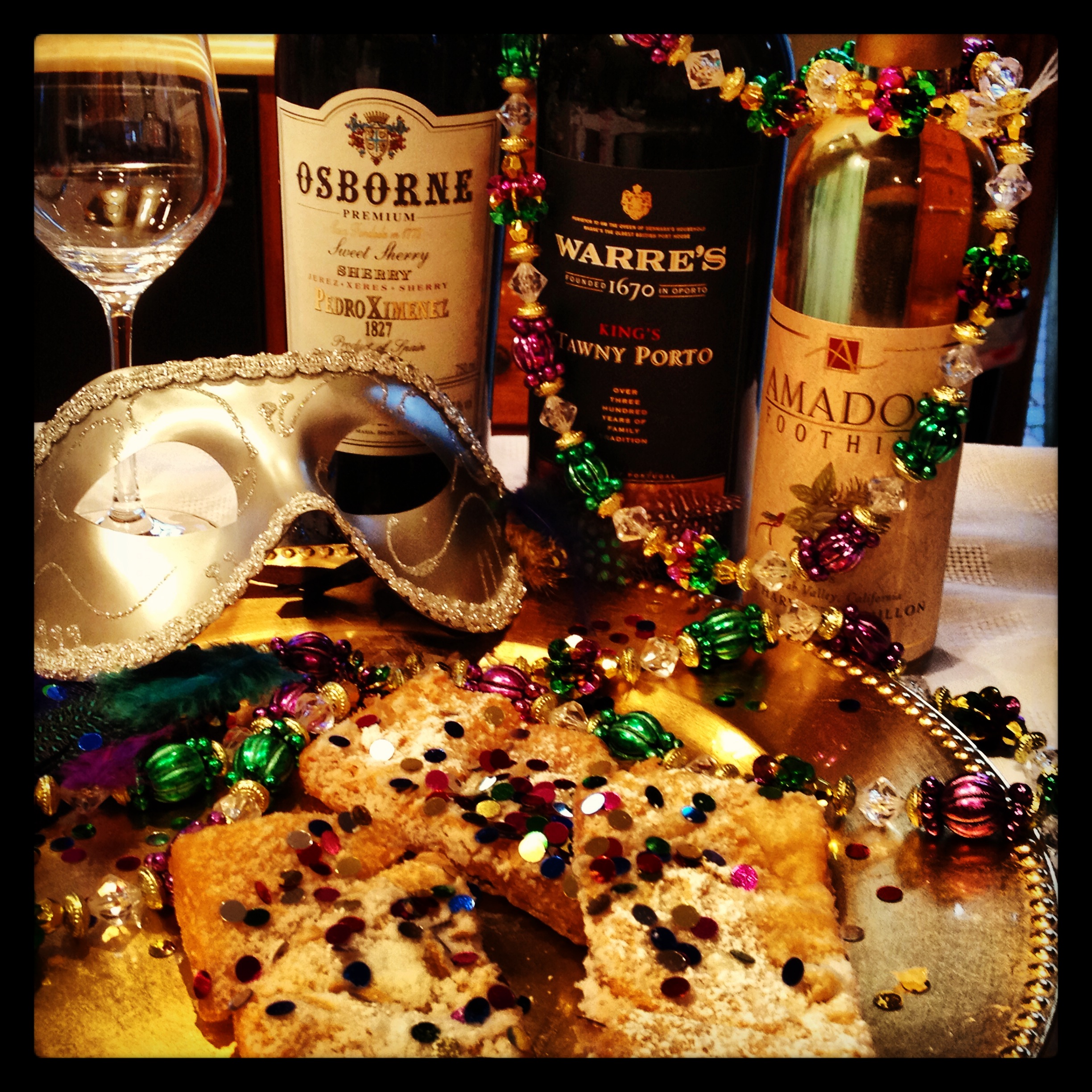
Sweets for the sweetest Mardi Gras!

Sweets for the sweetest Mardi Gras!


Joyeux Mardi Gras! Ah, Fat Tuesday ~ traditionally, it was the day when all good people used up their entire stores of butter, flour and milk to prepare for the Lenten fast. Hence the plethora of doughnuts, fried batter and pancakes. This year, I wanted to try a traditional Fat Tuesday treat: Beignets. I’d never made them before and wasn’t sure what wine to serve with them. Ice wine would be an obvious choice, since it pairs well with anything sweet. Looking in my little collection, I discovered a few alternatives: Warre’s Tawny Porto, Osborne Pedro Ximinez Sherry, and an 08 Amador Foothill Late Harvest Semillon.

I thought about throwing in a rich, red Zinfandel for a thrill but worried that by the end of the tasting, I’d be showing the neighbors my Mardi Gras beads ~ which tends to make things very awkward at the next cul de sac cookout.

I got my dough ready, cut up into rectangles and made sure I had enough powdered sugar. When the oil gets up to temperature, they cook pretty quickly. A warning: when you take these little bits of heaven out of the oil, let them sit a bit. They’re really hot. After I let my lips cool, I did the first pairing with the Late Harvest Semillon. It was refreshing , and the honey-pear essence was a nice counterbalance to the warm, sugar vibe of the beignet. The second offering was the Warre’s Tawny Port, which had a lovely deep cherry scent and flavor that offset the delicious deep-fried taste. The third pairing was with the Osborne Pedro Ximinez Sherry. It poured like molasses and tasted like a little Halloween kiss in my glass. I found myself wanting chocolate. Maybe next time, I’ll use powdered sugar and drizzled chocolate.

As a side-note: When I looked up the term PHAT, it was defined as an acronym for Pretty, Hot and Tempting. That really does describe the beignets, so I thought that it was appropriate for this post’s title. I’m sure if you looked it up on Urban Dictionary, you’d find a very different meaning. So don’t do that. Wait. You just did, didn’t you? Good news for you; tomorrow is Ash Wednesday, so you can atone for that last click.

It was a joyous Fat Tuesday filled with a new favorite treat, and some intriguing, alternate pairings that I might not otherwise have chosen. After all, variety is the spice of life.

Hey, wanna see my Mardi Gras beads?!

Cheers!

©TheWineStudent, 2013
Friends in Need

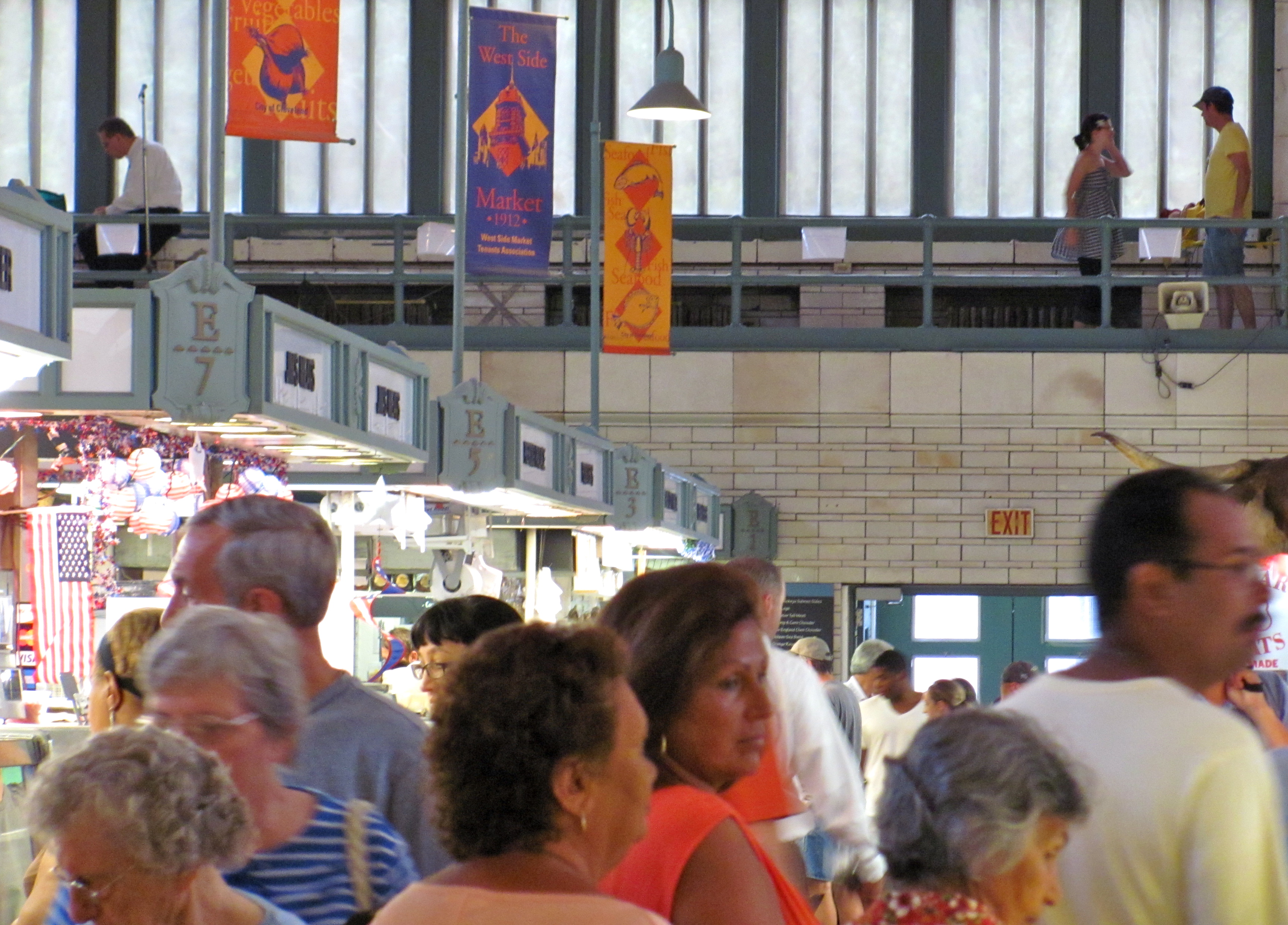
Last week, one of Cleveland’s historical treasures burned. The West Side Market on West 25th was one of those landmarks that I was told I absolutely HAD to visit when I first moved here 5 years ago. Since then, I’ve had the pleasure of shopping, sampling and moving about the busy stalls, interacting with sellers of just about anything you could imagine. There’s an energy there that rejuvenates me every time. When you dine at many of the restaurants within Ohio City, you know that what’s on the menu has come from the market. It’s great to know that the produce, fish and meat you’re getting is fresh and that you’re helping to support the local economy.The West Side Market represents a vital part of Cleveland as well as its heritage; many of the vendors are third and fourth generation.

And it will come back ~ the cafe just announced its reopening but it will be a few weeks before the entire market is back to full function. Many surrounding businesses that depend on the market for their livelihood have stepped up to the plate to offer their support.

Cleveland Clothing is also helping by designing a t-shirt, with 100% of all proceeds going to the Market Vendor Relief Fund of The Michael Symon Foundation.

You can get involved by purchasing a t-shirt or contributing directly to The Market Vendor Relief Fund.

Another way you can help is by keeping an eye out for announcements about the grand reopening in the news; on Facebook and Twitter and make sure to go back to visit and shop.

Helping those in need can always make us feel good. And with Valentine’s Day coming up, sharing the love can make helping that much sweeter.

Cheers!

©TheWineStudent, 2013