Freezer Burn

I wish I could say it was a science experiment but it was really just an accident. I’d done what many of us do when a guest asks for a glass of white wine and you have none chilled: throw it in the freezer for a few minutes.

When I went to retrieve it, the wine had pretty much solidified, and thawing it out was going to take some time. Winesicles, anyone??

So what happens to the wine if, say, it’s left in the freezer for a few hours? Or worse. Overnight?!

Cold Snap

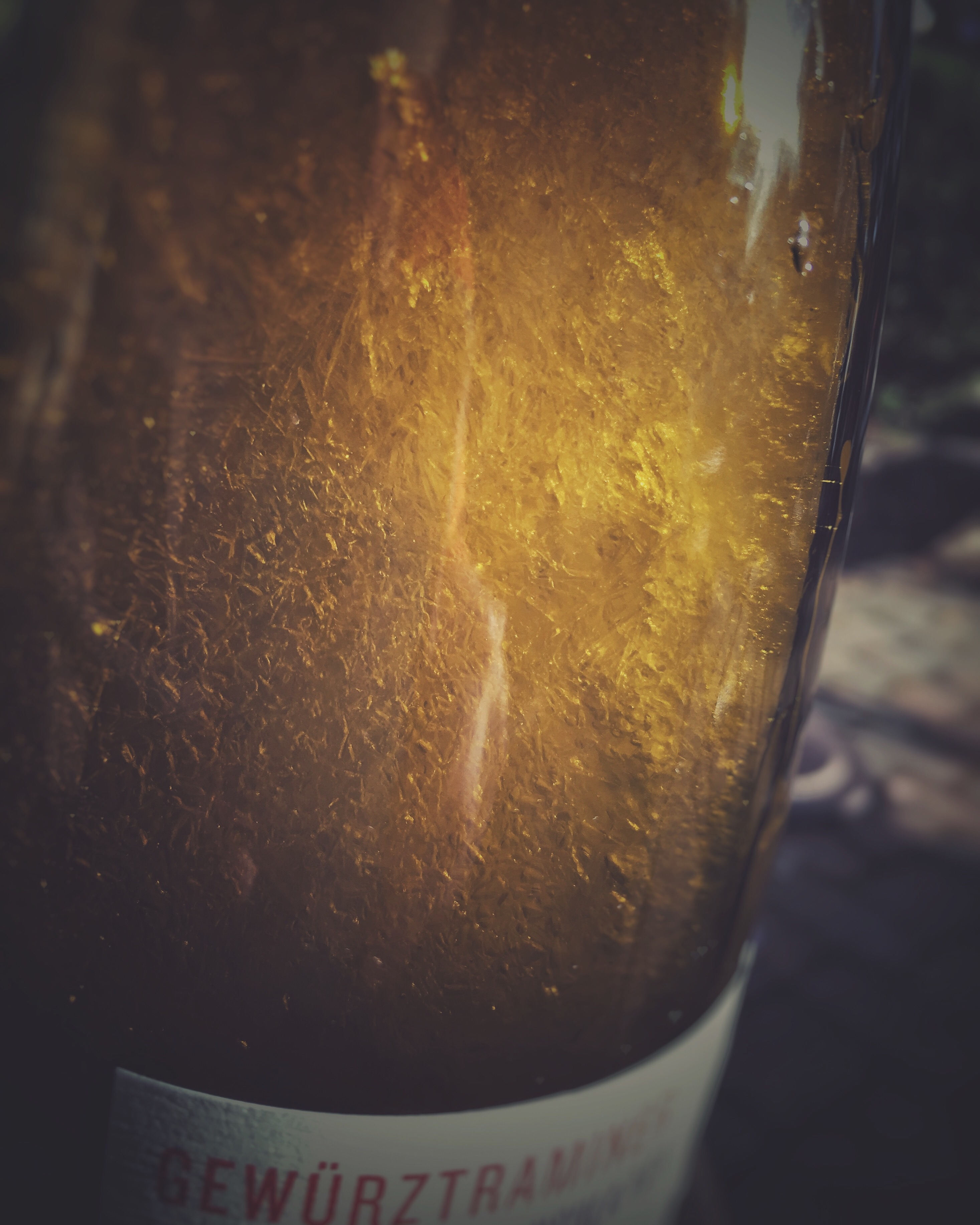
During the process of winemaking, a phenomenon takes place called tartrate or cold stabilization ~ where the wine is purposefully chilled down freezing for a short amount of time during fermentation. This is done to prevent the formation of tartaric acid crystals – wine ‘diamonds’ – after bottling. If cold stabilization doesn’t happen, the chances increase that crystals will form as soon as you place the bottle in the refrigerator or if it’s stored for long periods of time. Sometimes the crystals can look like tiny shards of glass in the bottle or when your pour it in your glass. It doesn’t mean that anything is wrong with the wine if you notice these crystals in the bottle or on the cork; tartaric acid is a naturally occurring function in wine making. After fermentation, some wines have an excess saturation of tartaric acid which solidifies and forms crystals. Chilling it out prevents this from occurring.

Pretty ice crystals... and crunchy, too!

Better Safe Than Sorry

So if wine in the bottle freezes does it go bad? Before we talk about the wine inside, there are some safety issues to consider:

• If your bottle has a cork, freezing might push it out. As the water content of the wine begins to freeze, it can expand and push out the cork especially if there isn’t much space in the bottle.

• Your bottle may burst. As the air surrounding the bottle rapidly cools, the liquid inside rapidly expands and Ka-BOOM! A bottle rocket in your freezer.

NEVER, ever freeze any sparkling wine! The contents are under pressure as it is and freezing will increase the odds of it exploding.

Spin the Bottle

If you want to quick-chill any wine quickly, Somm Brian Smith recommends: “filling a bucket with 50 | 50 mix of ice and water, a little salt, and then take a spoon and spin it around and around the bottle.” The centrifugal force will move the rapidly chilling water around the bottle allowing more of the contents to come in contact with the cold glass. Cool!

Keep in mind that wine that has been frozen doesn’t miraculously become… Ice Wine. Sorry, I know you’re thinking, “It’s iced up, and it’s wine so…” but nope. And honestly, it’s really not worth the risk of popped corks or exploding bottles.

The good news is: for the most part, the wine inside will not be damaged. While freezing can separate the water from other components of the wine, and this has the potential alter the flavor somewhat, it’s generally so subtle that no one will notice.

So chill! That frozen bottle you forgot about might be a little crunchy at first, but as it thaws, it should taste the same as it ever was. Just really, really cold.

Cheers! 🍷

Fright Night ~ Top 3 wine picks for ‘17 Halloween!


What wine pairs well with… horror?! 
If you’re scared enough, pretty much anything will do. But if you’re a brave undead slayer these three picks for 2017 will give you plenty of treats while waiting for Nosferatu to rise from the catacombs. 

2016 HobNob Wicked Red Blend

Blend of: Grenache, Cab Sauvignon, Shiraz, Pinot Noir

Tasting Notes:

🎃 full body ~ lo acid, med tannin

🎃 roasted coffee, mocha, toasted hazelnut, hint of orange zest provides a nice little bite on the finish. 

Pairing:

🎃 BBQ, red meat, dark chocolate

👻 Definitely decant! This wine is very young fully release the hounds of flavour, this wine needs time to open up and breathe.


 2016 Black O’Noir Baco Noir Sue Ann Staff Estate Winery

Tasting Notes:

🎃 medium body~ hi acid, lo tannin

🎃 stewed blueberry, tomato jam, a little smoky

Pairing:

🎃 Aged cheddar

🎃 Charred beef, ribs ~ well done meats rather than rare or medium well.

Higher acidity in this wine means a good pairing with rich, meaty tomato sauce over pasta

🎃 Pizza with extra tomato sauce and spicy pepperoni 

👻 Make sure you decant! Often with young wines, they need decanting for around two hours to open the full bouquet and flavours.

 2014 Ravenswood Besieged Red Blend

Blend of: Petit Syrah, Carignan, Zinfandel, Syrah, Alicante Bouschet, Barbera

Tasting Notes:

🎃 full body ~ fine, soft tannin

🎃 blackberry, rich black cherry, baking spice, fruit forward

Pairing:

🎃 Beef, pork,

🎃 Salmon with chipotle chocolate sauce drizzle

👻 A 2014 shouldn’t need as much decanting but to bring out the full expression of these rich varietals, using a good aerator (if you don’t have time to fully decant) is a great idea. 

Don’t forget the Menagerie pourers!

Have a safe and happy Halloween! 😈🍷

 Cheers! 

The Heartbreak Grape

Image via gettyimages

Image via gettyimages

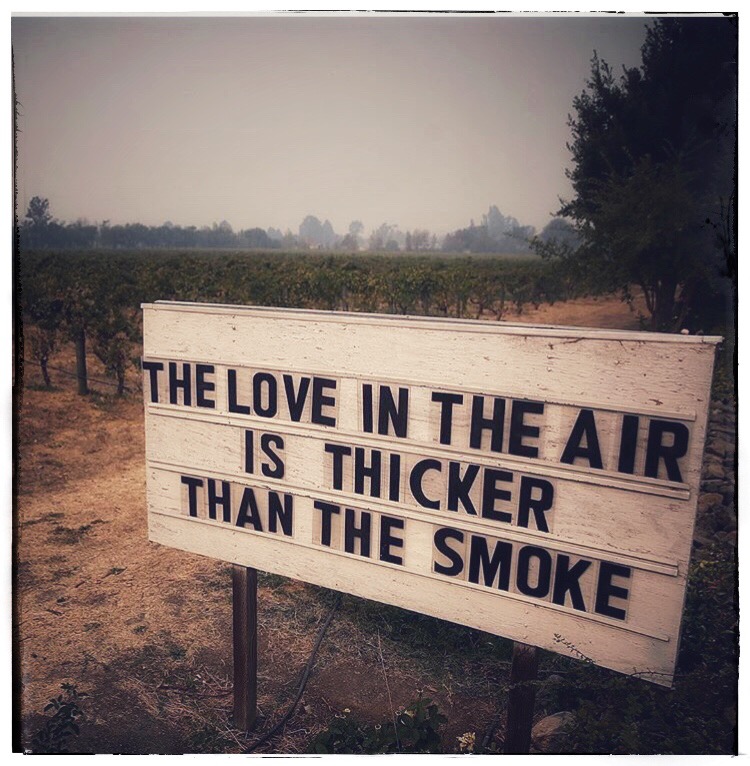
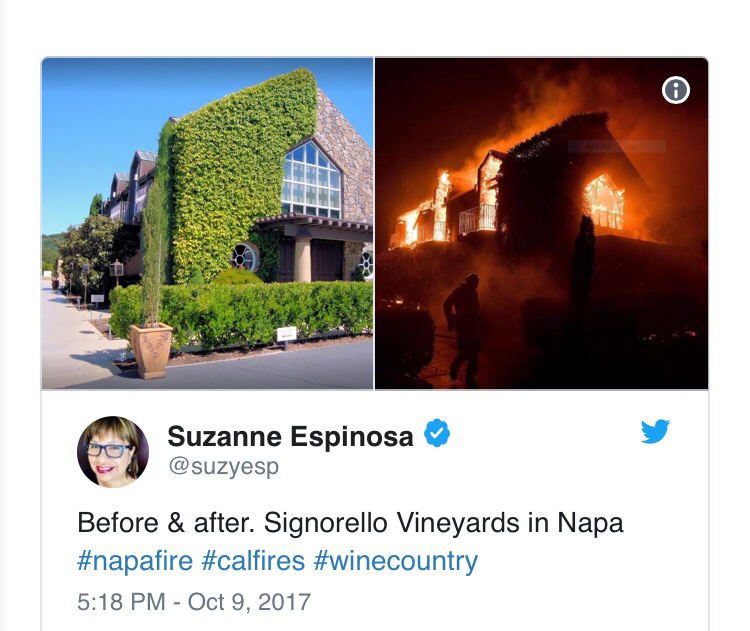
Reading the wine news out of Napa and Sonoma has my heart sinking. The accounts of both the devastation and tireless efforts of the firefighters and rescue teams left me in awe not only about the extent of the damage but at the bravery and tenacity of those helping to save people, homes, vineyards, and businesses. Many have seen the dramatic picture of Signorello Vineyards before and as it was engulfed by flames.

Amid the tragedy, one bright spot seems to be that the vineyards may have curtailed the fires’ growth in some areas. The reason: the wide space of the vineyards tend to hold more dampness than the surrounding forests. According to the Los Angeles Times, “Fire officials have said they considered the relatively open space of vineyards, which hold more moisture than oak forests, to be a natural firebreak that allowed their forces to concentrate on protecting populated areas and structures.” Meaning the fire patterns tended to stop at and go around vineyards.

As well, it was reported in The Sacramento Bee that many of the grapes had been harvested during the heat spike over Labor Day weekend, and were safely in tanks and barrels. Only the most expensive grapes; cabernet sauvignon and petite syrah still remained on the vine. But even if the vines weren’t seared by the flames, the biggest difficulty will be smoke and heat damage.

Smoke from wildfires cause what’s known as smoke taint which results in off-tasting flavors such as ‘bacon’, ‘smoky’, ‘ash’, ‘campfire’. According a 2012 Viticulture and Enology Extension Newsletter by Washington State University, it occurs when the vines and berries absorb chemical compounds from wildfire smoke. “These compounds are released during alcoholic and malolactic fermentation causing the wine to become unpleasantly ‘pharmaceutical’, ‘dirty, ‘ash tray’, ‘medicinal’, ‘camp fire’, or ‘burnt’ and reduces the perception of varietal fruit aroma.”

For the grapes harvested prior to the fire you won’t taste this. But for the cabs, petite syrah and late harvest varietals, it will be something you’ll notice. And the price points on these wines will be markedly higher, given that the remaining grapes will need a lot of TLC to harvest, and to modify the fermentation process. At this point, it’s difficult for the wine community to fully assess the extent of the damage, and when it might be felt by the consumer.

When we watch devastation unfold, it’s normal to feel helpless. But it doesn’t have to. Here’s how you can help:

The Redwood Empire Foodbank ~ providing food to evacuation shelters:

http://refb.org/

https://sonomacountyfirerelief.com/

Malbec Monday ~ Glama Llama 

It’s human nature to gravitate to what is new; the newest car, shoe, or smartphone. But in the world of wine, it pays to revere the old.

How old is old? This 2015 Belasco de Baquedano Llama Old Vine Malbec is about 106 years old. And old vines have plenty of tales to tell. Namely, what the condition of the soil is, how well they have been tended from year to year, how strong their roots are.

Tried and True

Celebrating their 100th birthday in 2010, these vines began with good roots: they are clones (genetically identical cuttings of mother vines, selected for particular characteristics) of  the French black Bordeaux grape. Nestled at the base of the Aconcagua Mountains, warmer days are counterbalanced by cool nights (dipping down almost as much as 45degrees F) which works to heighten the richness and complexity of the  wine’s flavor and aromatics. The grapes are given even further ‘hang time’ to develop flavors, even after sugar levels indicate that ripeness has been achieved.

While there is scant rainfall in this wine growing region, irrigation is provided in its purest form by runoff (comprised of melted snow) from nearby Andes mountains.

Age Before Beauty

Old vine grapes are generally hand harvested, which is more gentle on the vines and grapes. The higher velocity shaking of machine harvesting can be more jarring to the vines. The wine is then aged at least six momths in French oak which gives qualities of subtle toast, nuttiness and softer tannins. The final product is soft yet structured, and luxurious with rich flavors of ripe blackberry, rich plum and spice.

About the Llama

In Argentina, the llama regarded as a sure-footed, strong, support worker animal helping transport  packages and supplies through difficult terrain. Stalwart but stubborn, if you load them up too much, they will not budge. And they might even spit in your eye if you diss them.

With Age Comes

…Wisdom! But also some spectacular wine. So respect the hard working, old vine, it’s toiled through the ages to produce a wonderful bounty for you to enjoy.

Cheers! 🍷

Feel Good Friday: House of Wine Cards

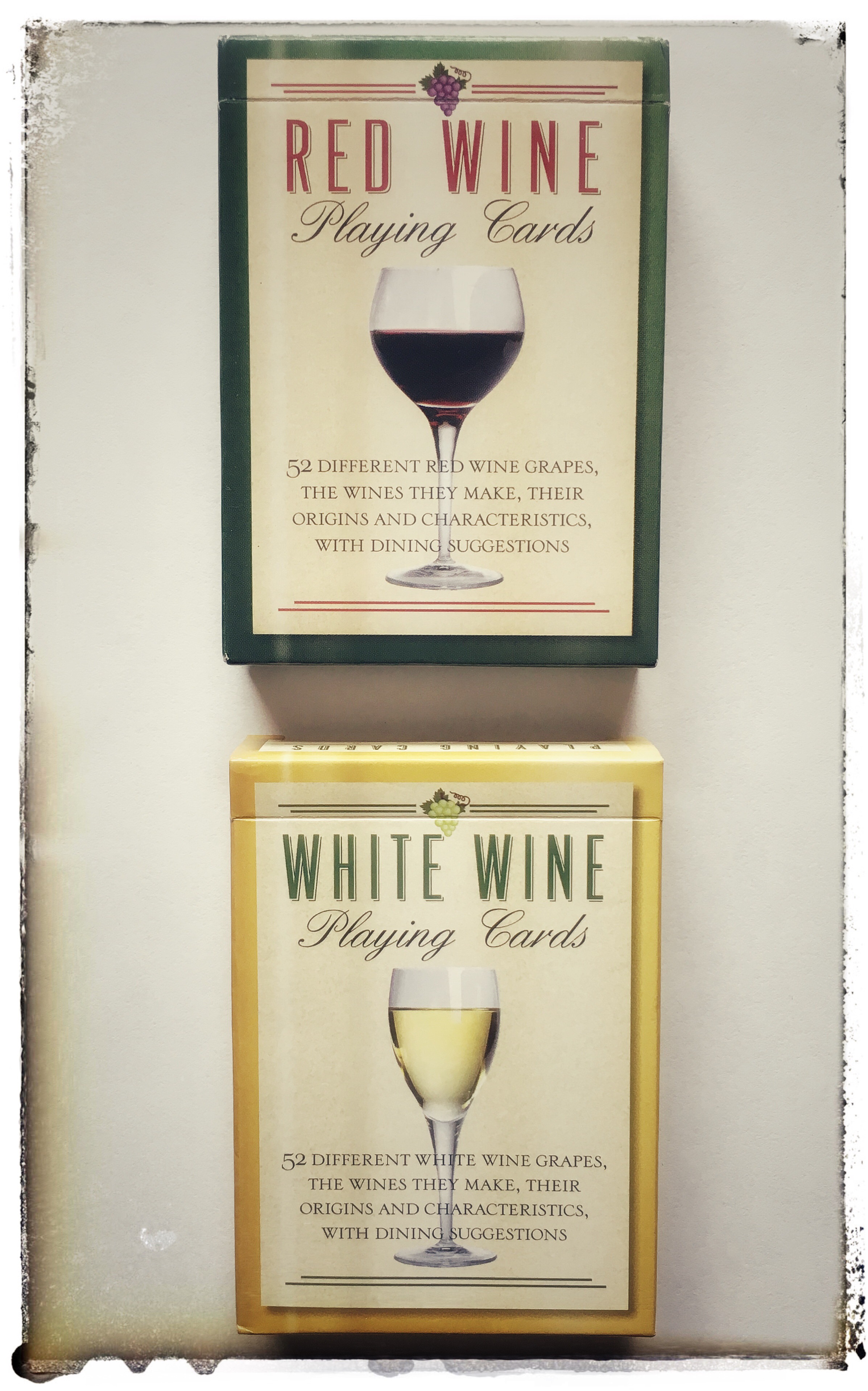
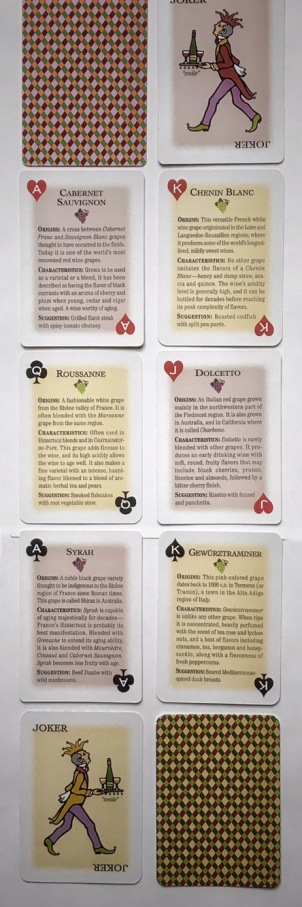
I see your Petit Syrah… and I raise you a Sémillon! I got these cards as a gift and they’re really cool.

fullsizerender-2

Created by Inkstone Design, you can learn about 52 red (or white) grape varietals, the wines they become, and even about foods that pair with each one.


Like flash cards you can play poker with, they’re a fun way to understand a little more about the grapes that end up in your glass.


Got any Cinsault 4’s?? Go fish!!


Cheers! 🍷

©TheWineStudent, 2017

Malbec Monday: Amancaya Gran Reserva 


If I hurry I can get it in under the wire! I’m definitely tardy today– busy days mean that sometimes I can’t get my wine homework done.
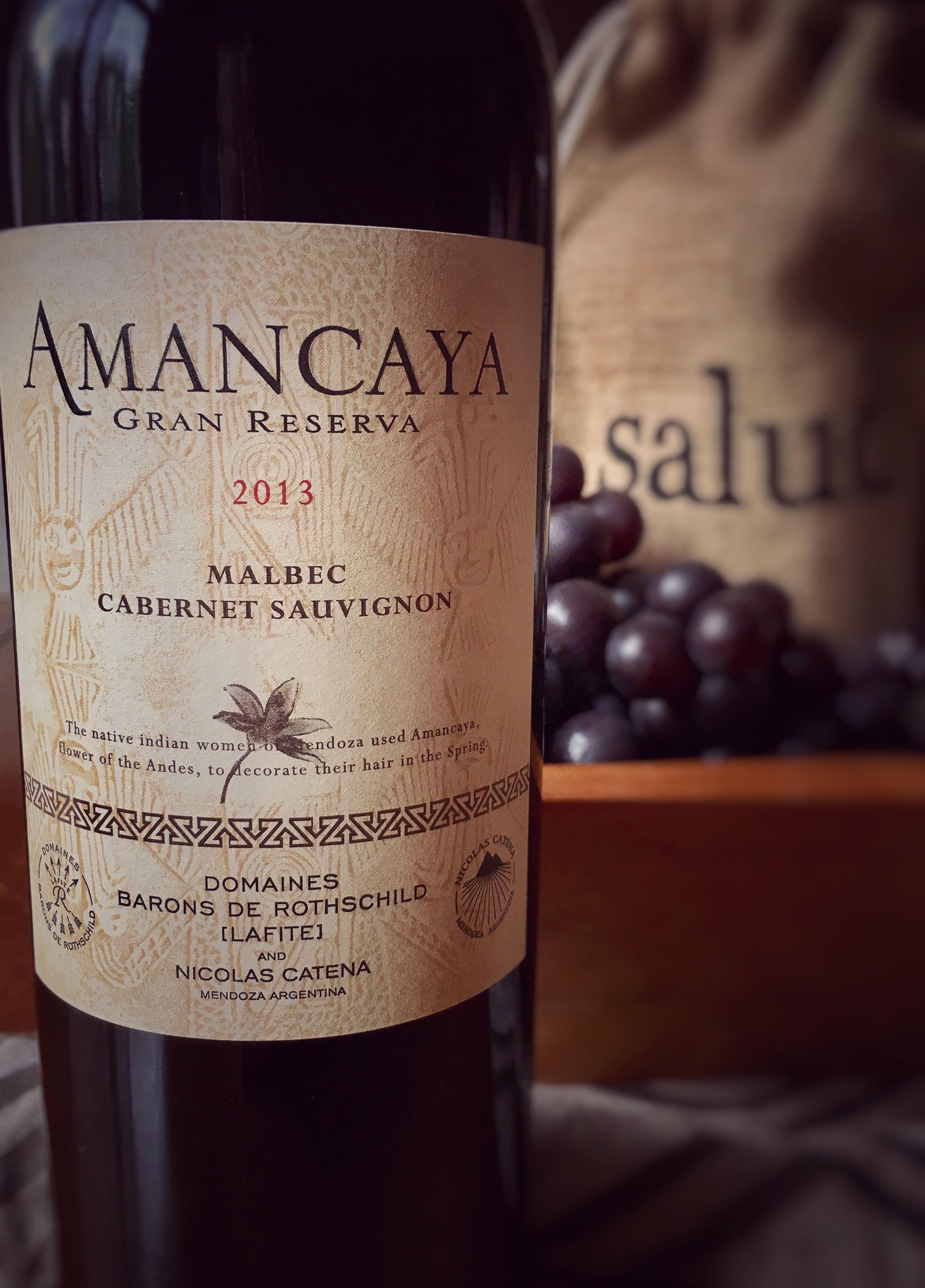
Rushing to find my weekly pick, I discovered a 2013 Amancaya Gran Reserva Malbec | Cabernet Sauvignon.

A collaboration between Nicolás Catena an Domaines Baron de Rothschild (Lafite), this wine was clear, garnet colored, full body offering with medium-hi tannin. It had a delicate nose of cherry and rose and tasted of  bold blackberry, black plum with just a hint of bell pepper. While it was 2013, it began to open up to reveal a bit more complexity; it was a nicely balanced 50/50 blended vintage.

Putting the Grand in Gran Reserva 

Gran Reserva  is a frequent term used on the labels throughout Spain to define both quality and style. In Spanish law there are labelling terms that indicate the minimum periods of ageing the barrel and the bottle. It is traditional practice to age wines for long periods of time in oak barrels and then in the bottle before it’s released. Therefore, Spanish produced vintages are usually older  than those from other countries.

On the label you’ll find one of four terms that indicate the levels of age. In order of increasing age:

  •  Joven~ wines bottled the year following the vintage for immediate release, and indicate wines that haven’t  been aged in oak for the minimum of time to be considered Crianza. $10-15
  • Crianza~ one year in oak– one year in the bottle. $15-20
  • Reserva~  one year in oak– two years in the bottle. $25+
  • Gran Reserva~ two years in oak– three years in the bottle. $35+                             Gran Reserva wines are produced in only exceptional vintages, and the best of these are beautifully complex.

So now when you look for Malbec, you’ll know what to look for on the label to get the most complex and flavourful offering. After all, age ain’t always just a number; it’s time spent in the barrel and bottle.

Cheers! 🍷

Field of Dreams: Uncorked Medina Wine Festival


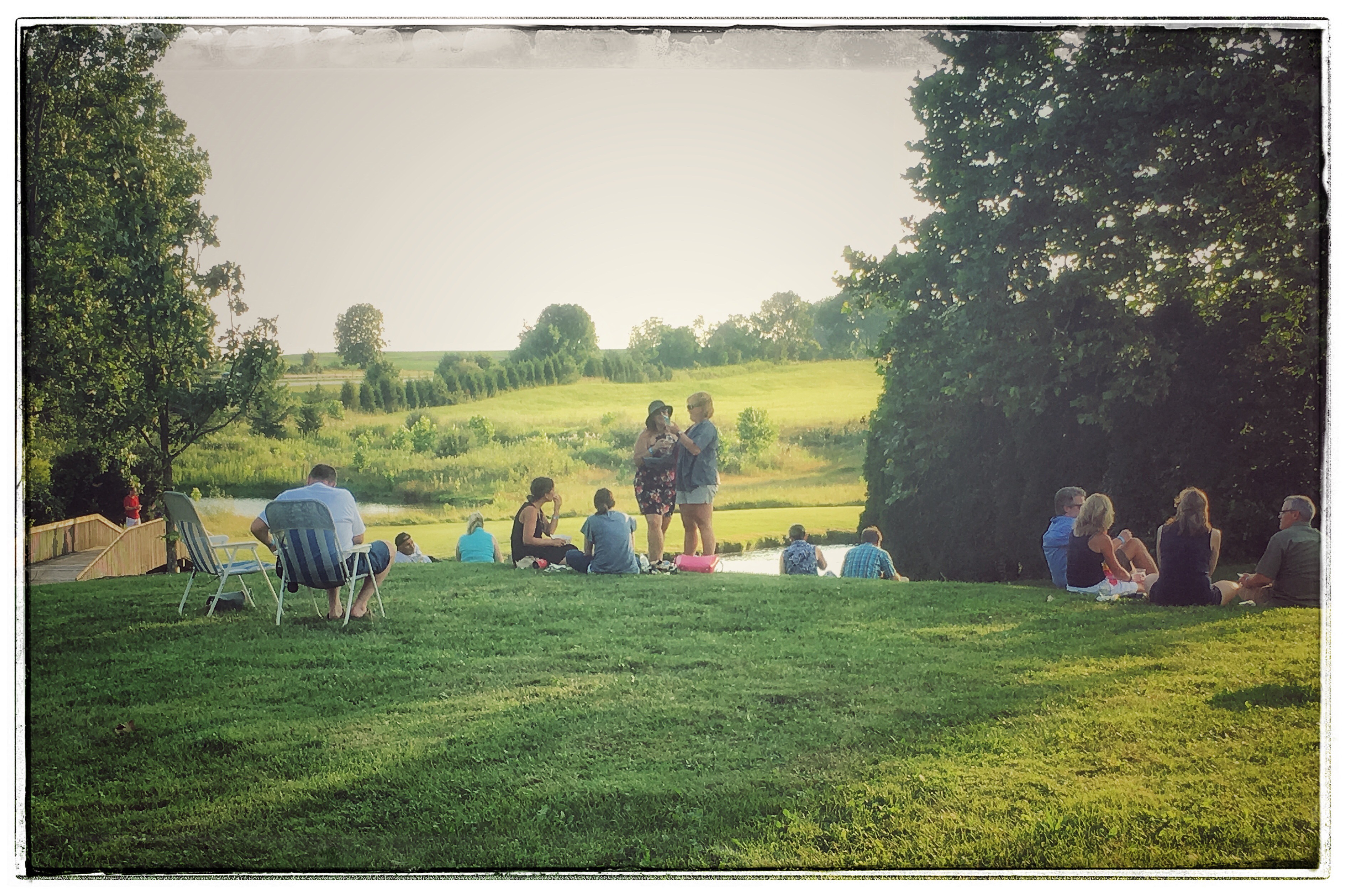
We were looking for a chill vibe to start our weekend,  and we found it in Seville.

The inaugural Uncorked Medina Wine Festival at Buffalo Creek Retreat had everything we were looking for: wine, live jazz, wine, food trucks, craft beers, culinary demonstrations, art, and…wine.

Benefiting Friends of Medina County Parks, Uncorked featured a selection of wines from California as well  many local Ohio wineries including: Gervasi, Troutman Vineyards, Hi and Lo Winery, and the Winery at Wolf Creek.

The event also featured a reservation only,  five-course food and wine pairing Twilight Dinner prepared by chef Anthony Scolaro of 111 Bistro in Medina.  Yum!

The weather was spectacular and HubbyDoug and I strolled the grounds as vocalist Helen Welch provided an awesome soundtrack of jazz standards. It was the perfect cap to a busy week, and a cool welcome to the weekend.

Cheers! 🍷

This slideshow requires JavaScript.


©TheWineStudent, 2017

Mac n Cheese Monday!

Ok, so it’s more about the wine than the mac and cheese but Rosé doesn’t start with M

My girl is home from college and as a budding gourmet, she wanted to experiment with a simple but yummy mac and cheese recipe. So which wine would be interesting? 

A few days ago, HubbyDoug came across a 2016 Alexander Valley Vineyards dry Rosé of Sangiovese. We’ve enjoyed many of AVV’s offerings in the past but a Sangiovese Rosé was what peaked his interest. Who was I to say, “Bah!”? 

Rosé is made from black grapes and its production is similar to red wines, but fermentation is at lower  temperatures, and is taken off grapeskin contact after only 12 to 36 hours so that the wine doesn’t become too deeply colored or tannic. Most red wines maintain skin contact for more than two weeks (for richly flavored wines). 

This wine was amazing with the combination of Jarlsberg and Monterey Jack cheese; it cut through the creamy butter vibe with a refreshing acidity and wonderful light fruity quality. To try to assauge our guilt, we added a nice combination of sweet green peas and broccoli to the mix. 😉

I’ve often enjoyed a crisp, bubbly Prosecco with dishes that are this creamy and rich, but this Rosé was a surprising and wonderful alternative. And for summer, Rosé is a fun change of pace. Think pink!

Cheers! 

I Want Candy! 

It’s too damn hot for Malbec Monday. After breaking a sweat from the minute I started out today, I wasn’t keen on drinking something that would make me ferment any more. So I opted to try a blend that’s not only new to me but it’s chilled! Even better. 

I won this 2015 Pillitteri Gerwürztraminer | Riesling at a charity golf tournament his past weekend and today, nestled there, chilling in my fridge, it looked so sweet it made my mouth water. 

Normally, I’m not a fan of really sweet wine, and I thought the addition of Riesling might tip the scales from medium dry to cloying. But this wine surprised me with a delicate hint of candied rose on the nose, and subtle flavours of orange blossom and white stone fruit (peach) on the palate. This is a light to medium body wine with very refreshing acidity. All of the flavours were nicely balanced, and it would pair nicely with slightly spicy pork and grilled strawberries. Yum!

Gerwürztraminer is a variety that typically produces beautifully perfumed whites and can range from dry, off dry and fuller bodied, high alcohol and lower acidity. In combination with Riesling’s higher acidity, this wine might be able to be aged a little longer, developing lush honey and nut aromas. 

On a scorcher like today,  it had everything I desire; setting the summer sun on fire. 😉

Cheers! 

MmmmmMonastrell Monday! 

Taking a break from my studying, I caught myself in a little daydream; thinking back to not long ago and a trip to Jerome, AZ. 

I’d heard of Caduceus Cellars from my nephew, Aaron, who’s really into the bands Tool and Puscifer. What does this have to do with wine? Caduceus was founded by Maynard James Keenan, frontman and songwriter of Tool, A Perfect Circle and Puscifer. Established in 2004, Caduceus is described as a ‘small production family owned winery’. Unlike some celebrity winemakers, Keenan likes to get his hands dirty in all aspects of the business; from planting and harvesting to winemaking and marketing.  

From our wine flights, HubbyDoug and our friends Carl and Deb picked the 2013 VSC Anubis (50% Cab, 30% Cab Franc, 20%Petit Syrah). My pick: the 2014 VSC Monastrell (100% Cochise County Monastrell). 

Monastrell (aka Mourvèdre) is a thick skinned grape that provides color, fruit and tannic structure especially when blended with Grenache and Syrah; it is the ‘M’ in GSM wines. On its own, it has intense perfume notes and blackberry flavours along with hints of meat. Age brings out more leather and gingerbread aromas and flavour. 

The wine in my glass had a beautiful garnet colour with sage on the nose (what I imagine the scent a desert flower would have). It had light-medium body with neutral oak, and flavors of basil, thyme, juniper with a kick of licorice and olive. It made me think of a fragrant, lush herb garden. Normally with reds, I expect to have more of a jammy, fruit forward experience, anything herbaceous I associate with a crisp Sauvignon Blanc. It wasn’t sweet wine, far from it. But, much like it’s winemaker, its juxtaposition from what I thought it should be, and what it was, I found a true expression of where it was cultivated. 

This Monastrell is hand-picked (by Keenan himself), sorted, submerged cap fermented and puncheon aged for 18 months. Puncheon is an extra large oak barrel (70-100 gallons). The larger size allows for stronger/ stricter controls in the wine’s development due to the higher inner barrel surface – wine ratio. 

I’d only had this varietal before as part of the GSM blend but on its own it was a wonderful surprise to add to my list of exceptional wines with a twist. 

Cheers!