TBT: Dine & Dashe đŸˇđŸ˜ŠđŸˇ

snapseed-16

The perfect ending to a spectacular Monday here in the Cleve (a sunny day right now is always cause for celebrating), my friends, Shelly, Lisa and I attended the February wine dinner at Sarita in Lakewood, OH.

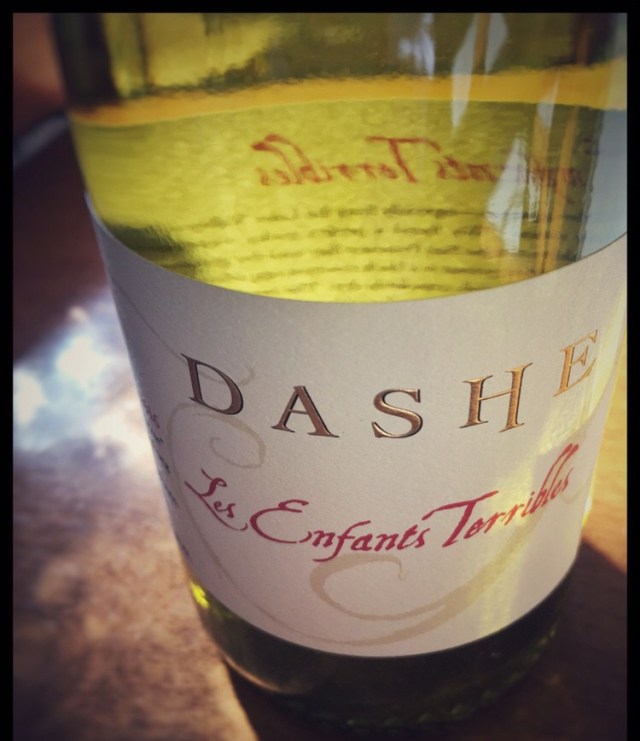
Featuring wines from Dashe Cellars, and presented by Whitney from Vanguard Wines, our evening began with Shrimp Madagascar paired with a 2015 Grenache Blanc. Cool climates and higher elevation help to cultivate this rare varietal. On the nose it made me think of a honey bun; bearing a subtle sweet bread-y scent. The main flavor we tasted was honey but because it was a dry wine, it wasn’t a cloying sweetness. The balanced acidity cut gently into the cream sauce of the shrimp dish.

My favorite wine of the night was the 2016 Chenin Blanc “Black Bart Cuvee”. This wine gets its name, Black Bart, not from the vineyard where it’s grown but the 500 gallon concrete ‘egg’ vessel in which it’s fermented. Concrete helps to highlight the mineral quality of the grapes, and helps to keep the lively freshness. After harvest, the grapes are pressed and fermented four weeks until the desired dryness is realized. This was paired with Scallop Crudo w/ pink grapefruit, avocado and malagueta honey that provided a sweet heat that was incredibly delicious with this wine.

Since 1996, Dashe Cellars, a family-owned winery, has operated in the urban location near Jack London Square in Oakland, CA. Going against convention, and with the conviction that outstanding wines could be found outside the traditional wine route parameter, they use natural winemaking techniques including: small lot fermentation, using indigenous yeasts, and little to no fining/ filtration.

Michael Dashe oversees the harvest and winemaking, and partners with small (including some organic-certified) growers in Mendocino and Sonoma counties to name a few. Working together, they try to achieve a balance of steep hillside vineyards, old vines, and vigor-reduced growing conditions. Steep hillsides force the grapes to struggle a bit and exposes them to better balance of sun, heat and cooling temperatures. Lower yields increase the quality and complexity of the wine. Struggle makes even grapes stronger!

As our evening progressed, we sampled Carignana (similar to Pinot Noir) with braised duck and goat cheese grits; fettuccine, bbq braised ribs (paired with two beloved Zinfandels), and finished it off sampling a selection of dark chocolate truffles and cheeses with a 2014 Late Harvest Zinfandel.

The next wine dinner takes place in April, and I’m really looking forward to experiencing a great selection of different wines, and what Chef Tony Romano will come up with next!


This slideshow requires JavaScript.

Cheers!

ŠThe Wine Student, 2018

Getting Bullish About Hungarian Wine!

At the start of the year, I wrote about some of the wine trends for a brave new year. One trend was exploring wine from areas that are from lesser known yet still traditional such as Croatia, Hungary and Bulgaria and Georgia.

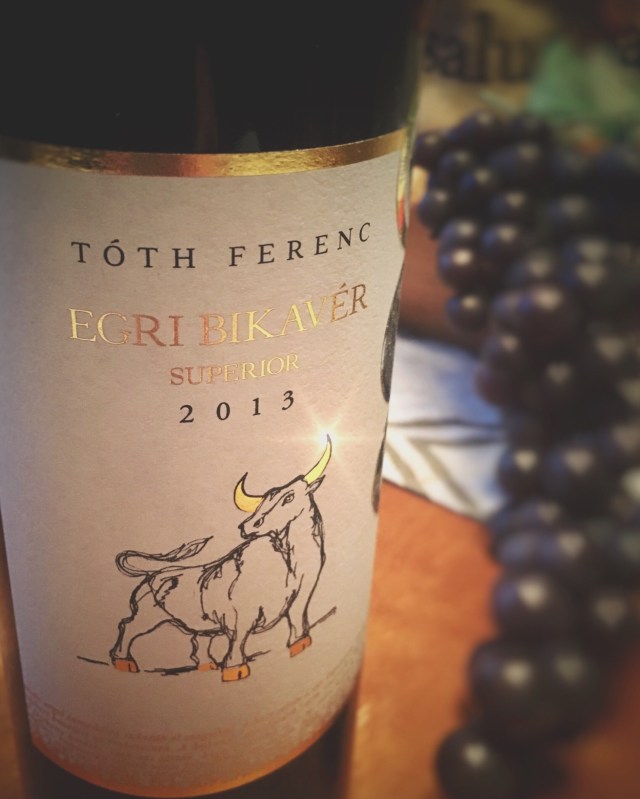
On a trip to Budapest, our friends, Alex and Monica brought us a wonderful gift: a bottle of 2013 TĂłth Ferenc Egri BikavĂŠr Superior.

Also known as “Bull’s Blood”, Egri Bikavér is a very special blended red wine. Hand harvested, and individually aged twenty-five months before the initial blend, this wine boasts velvety tannins, plum and violet essences; sweet spice and bright cherry flavors. This 2013 Tóth Ferenc vintage took gold at Mindus Vini 2016, silver at Finger Lakes 2016, and gold at 12th Annual Bayer Wine Competition.

Hungarian folklore chronicles that in 1552, the fortress of Eger was under attack, with those defending it badly outnumbered. For courage, and to strengthen themselves, they drank copious amounts of local red wine, spilling it all over themselves as they guzzled. When they launched their counterattack, their foes saw the men running towards them with red liquid all down their chests ~ they believed the locals had been drinking bull’s blood, and in terror they turned and fled (who wouldn’t?). Hence the name Bull’s Blood has stayed with Hungarian wine ever since.

Like many wines in France, Italy and Spain, Egri BikavĂŠr comes from a geographically protected region of origin. Common to all wine regions, this indicates that the area where grapes are grown has a defining influence on the style, quality and flavor of the wine.

Egri BikavĂŠr is a blend of different base wines. The base wines themselves are aged separately in barrels for a minimum of six months, then blended and bottled where they age for an additional six months.

Grape varieties used:

• Kékfrankos

• Pinot Noir

• Merlot

• Cabernet Franc

• Cabernet Sauvignon

• Kadarka

KÊkfrankos (Blaufränkisch) ~ is the Hungarian name for the black grape that produces wine with a spice vibe, adding to the essences of blueberry, black pepper and anise. The tannins are relatively smooth and colors are very deep.

Kardarka ~ The original and once favored varietal for Bull’s Blood, it is being replaced by Kékfrankos (Blau) which ripens early and is very resistant to grey rot. If kept in small quantities, and with careful crop management, it produces fuller, tannic wines with essences of sweet spice and black fruit.

Suggested pairings:

• Ox tongue (um….maybe not)

• Fish with mushrooms, tomato, veal stock reduction

• Beef Bourguignon

• Roast lamb with garlic and rosemary

• Goat cheese, mild Brie and Camembert

It’s been said that some of the best things in life are free. And a wonderful gift of wine, especially from friends who’ve visited a distant land, makes that even more true.

Cheers! 🍷

ŠTheWineStudent, 2018

Top Three Valentine’s Themed Wines!

It’s the weekend before the official love day, and whether you’re just celebrating you or love divine with your partner, thoughts ultimately turn to… wine!

Much like at Halloween, I noticed many labels this year sporting a serious Valentine’s vibe.

Here are three that caught my eye.


2014 Queen of Hearts Pinot Noir

Young and fruity, this Pinot has flavors of:

• Red fruit such as: strawberry, cherry and raspberry

• Cola- yes! Like the soft drink, this wine has that bright, effervescent mouthfeel (sans bubbles) that you find in cola. It made this almost refreshing in a way.

• Silky tannins

It pairs well with:

• Pullled pork, seared salmon/tuna

• Roasted chicken or duck

• Cherry flan

LO-VE Wines Garnacha

Originating in Spain, but imported and bottled in Napa, this is a 95% Grenach, 5%Tempranillo. What makes this wine unique:

  • Essences of lavender
  • Strawberry, raspberry
  • Liquorice with a hint of leather

It pairs nicely with:

  • Rich, lusty stews featuring pork or lamb
  • British pub classics such as shepherds pie, bangers and mash
  • Favorite winter go-to’s like mac and cheese

2016 Finca Pasion MiAmor Malbec Ihaven’t profiled this on my Malbec Monday posts so this was nice to find! As with most Malbecs, this features darker fruit characters with some spice and:

• Essences of plum, and a little strawberry

• Blackberry

• Clove and pepper for a little caliente

It’s dinner companions include:

• Beef or venison

• Chili con carne, fajitas, beef burritos

• Pasta bolognese or with meatballs

There are many great choices out there to help set the mood but remember this: If you can’t be with the wine you love, love the wine you’re with!

Have a fun and safe Valentine’s Day! ❤️🍷❤️

ŠTheWine Student, 2018

Malbec Monday!

fullsizeoutput_8733

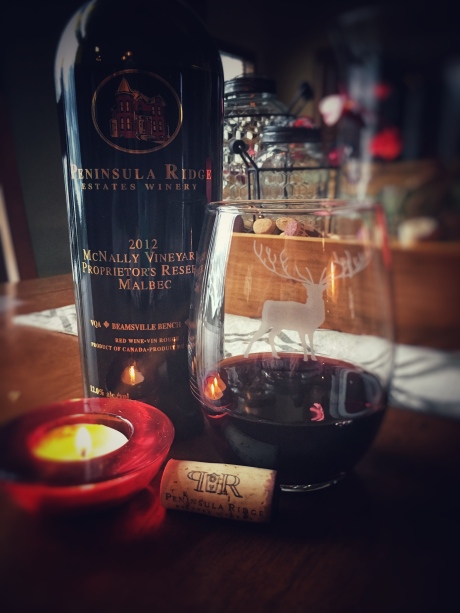
It’s been a while for Malbec Mondays! But with it being a particularly snowy Monday here in the Cleve, I thought I’d check my cellar and to my surprise discovered a pristine 2012 Peninsula Ridge McNally Vineyards Proprietor’s Reserve Malbec. Most Malbec I’ve enjoyed is cultivated within the warmer climates of Mendoza, Argentina.  So I was surprised to find that a more northern winery was including this varietal in its reprtoire.

Peninsula Ridge is located in Southern Ontario, specifically the Niagara escarpment, snuggled within what’s known as the Beamsville Bench region. The Beamsville Bench is a somewhat small but excellent appellation that provides continuous air circulation ~ cooler breezes move in off of Lake Ontario, and circulate just around the foot of the escarpment. This works to keep temperatures moderate and leads to consistent growing conditions. Its slopes are mostly north and east-facing, with smaller streams running off the escarpment that serve as a dependable water source. The soil is a complex variety of gravel, sand, shale, sandstone and limestone, which you might think would give a heavy mineral vibe, and I have noticed that in some other varietals from this region. But this wine was very fruit forward with a low mineral taste.

Malbec is typically noted for flavors of:

  • black berry
  • black plum
  • clove
  • pepper

This Malbec is a terrific example of the above flavor profile. I noticed that it had medium tannins, and a nice creaminess. It is aged in new/ one-year-old American Oak, which gives an overall stronger flavor with increased vanilla and coconut. And it tends to give a creamier texture to the wine. Over time, tannins have a tendency to dissipate which might account for moderate tannin feel in this Pen Ridge offering.

So tonight, I’m staying inside in my pj’s, a good book, a glowing fire and a nice glass of Malbec. Not a bad way to start the week.

Cheers! 🍷💋

ŠThe Wine Student, 2018


Kiss My Glass!


fullsizeoutput_60cc

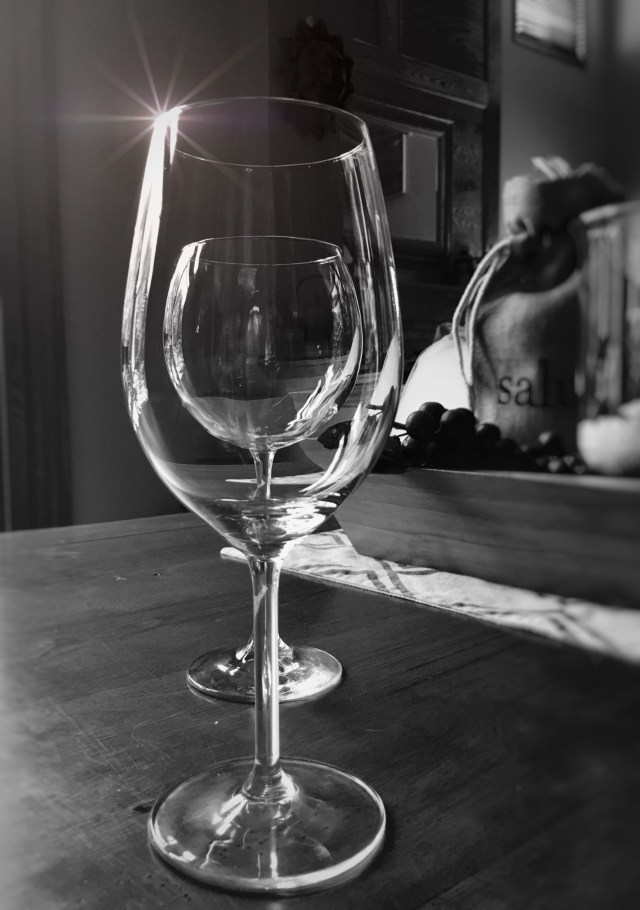
Filling my goblet is relatively easy to do: a big fishbowl for red, a larger tulip shape for white, flute for sparklers and maybe a smaller glass for ice wine. Simple, right? Nope, these days it’s anything but.

We can all agree that wine glasses are both functional and pleasing to the eye. But does the shape really make a difference? And how much of it is marketing? Does a crystal goblet actually make the wine taste better, or is it just our perception of it that makes it a different experience?

The Shape of Things

While the choice of glass is really up to the individual, wine glass shape and design have evolved over time to help showcase the unique qualities of each varietal group.

  • Red wine ~ best served in larger-sized glasses. And not just because I like to drink it in large amounts; a larger glass allows more air to come in contact with a large wine surface and develop the robust aromas and flavors. But not all wine glasses are created equal: Different shapes for different varietals are key. For example, the design of the Pinot Noir glass has a wider bowl and narrower tulip-shaped opening that works to provide a larger surface area to swirl while concentrating the essences towards the nose at the opening. Since Pinots tend to be more delicate in their bouquet and flavors, the design of the glass focuses the bouquet directly to the nose, and the wider bowl allows for better aeration on the swirl to fully coax out its subtle flavors. In contrast, the Cabernet/Bordeaux glass has a less wide bowl with wider opening. Since Cabs tend to have a more robust bouquet and flavor, they generally don’t need as much surface area to bring out the buzz; it’s already there. The Syrah glass is similar to the Cab in the bowl shape but the opening is narrow, concentrating those high notes up toward your nose.
  • White wine ~ medium-sized, tulip-shaped glass is better due to the fresher fruit characteristics that are gathered and then directed towards the top of the glass… and your nose. As with the reds, there are a variety of shapes to showcase white wine. The Oaked Chardonnay glass has a wide bowl and wider opening to allow for maximum swirlage (not a real word). Oaked Chard tends to be a hearty and is best experienced after some A&S (aeration and swirl). Unoaked Chard/ Voignier and Riesling, like Pinot Noir, needs more delicate aeration and the glass reflects this: The bowl is not as wide but the opening is. And the Riesling glass is a little narrower still, emphasizing the fruit aspects, not the alcohol, on the nose and palate.
  • RosĂŠ ~ The RosĂŠ design is s a little smaller but similar in shape to the white glass but with a little curve at the lip. This is to better direct the sweetness of the rosĂŠ towards the front of the tongue, which detects sweet.
  • Sparkling ~ best served in flute glasses. This shape enhances the effect of the bubbles (and the aroma), allowing them to travel through the larger volume of the wine before bursting at the top of the glass. The classic, saucer-shaped version doesn’t work as well since the bubbles are quickly lost with the wider opening, and there is less surface area to pass through.While this style paid homage to Marie Antoinette, it doesn’t serve the wine as well, especially when you want to savour an older, expensive sparkler. Some flutes are designed with small cuts in the bottom to enhance the pearl swirl effect as the bubbles ascend to the top of the glass, which is half the fun of sparkling wines.
  • Fortified wines ~ these are wines such as Port, Sherry and should be served in small glasses to emphasize the fruit qualities rather than the alcohol.
  • Ice wine ~ I’m gong out on a limb here, but I would choose a glass similar to the RosĂŠ; smaller to emphasize the beautiful fruit but tulip shaped with a lip to direct the aromas and sweetness to your nose and then to the sweet spot of your tongue.

The common element of all glasses is that they should have enough room for swirling and nosing. When you put your nose into the glass, you want all the essences directed up to our nose.

Glass vs Crystal ~ Glass is typically how most of us in our early days begin serving wine, and we may not even graduate to crystal until we get a set as a gift. Nowadays, the two can look very similar but the difference is clear:

Crystal

  • Much heavier than glass, yet more fragile than glass.
  • Will capture light in a prism and create a rainbow.
  • Has a more melodic musical tone when you tap it or run a finger along the rim.
  • Is made thinner, and can eliminate the edge of the lip that glass can have. Little or no edge to the lip of the glass directs the flow of the wine to certain areas of the tongue, which is better to fully experience the nuances of the wine.
  • No longer contains lead oxide which was discovered to be a carcinogen ~ now lead-free crystal is standard, so no worries about ingesting harmful chemicals as you sip.
  • Hand washing is preferable.

Glass 

  • Used for centuries longer than crystal.
  • Resurged popularity when lead in crystal was discovered to be toxic.
  • Easier care, more durable, excellent for every day use, can be placed in dishwasher. More cost effective ~ prices range to suit every budget and style.

Schott-Zweisel makes a virtually break-resistant wine glass. Their Forte line is constructed using the Tritan technology where each glass is constructed with a hard, clear titanium material that reinforces the vulnerable zones at the rim, the joint of the bowl and stem, and the joint of the stem and the foot of the glass. This added strength gives the glasses increased durability (especially in my clumsy hands) and longer life.

Which has the bigger influence on your wine experience?

Crystal has more of a ‘stubbly’ texture than regular glass, allowing for more aromas to be released when you swirl. The thin rim of crystal also allows for wine to flow into the mouth hitting the most sensory areas of the tongue. The thick rim of the standard wine glass can distract from the taste of the wine and, according to Winecoolerdirect.com, may emphasize bitterness and flaws.

Keep It Clean ~ No, blowing the dust out of the glass, and saying, “ta dah” is not really recommended for keeping your wine glasses pristine. Unless you’re at my house. Wine’s delicate flavors can be ruined by even the slightest tinge in the glass. That goes for glasses fresh out of the dishwasher. Detergents and salts can leave residue in the glass that’ll kill the beauty of your wine, both in flavor and sparkle. The best way to prepare your glasses is to polish them with a soft, lint-free cloth (linen) before each use, and right out of the dishwasher. It also helps to get rid of the pesky lipstick marks that never really come off in the wash.You’ve seen the old movies where the bartender is polishing the glasses; it’s not just to find something to do before the trouble starts.

In the End, Do What You Like 

If you do even a quick search for wine glasses, you’ll find an abundance designed to suit every varietal, style, and price point. You can get a little lost in all the choices. But I like to think finding the right wine glass is a little like finding the right companion, the key is finding one you really love, and one that feels so good to hold.

Cheers!

ŠTheWineStudent, 2018.

Wines for a Brave New Year!


F8B4C92C-19F5-46CA-870B-0083CFEB5A47

As an icy wind howls and grips most of the Mid-West (and parts of Canada) this weekend, we need to be brave. Part of being brave is keeping an eye on the horizon, and the sunnier skies that will emerge once the storm has done its worst.

When a new year begins, we all have a tendency to want to move beyond the old habits and embrace something new. And that means occasionally moving from the safe, tried-and-true wines we know, towards those we maybe have overlooked.

According to Forbes.com, the biggest trends for 2018 include:

  • Increase in wines from “lesser known but traditional wine regions” including Hungary, Croatia, Bulgaria, and Georgia.
  • Red blends, especially from Bordeaux and Bordeaux SupĂŠrieur.
  • Big bottles ie magnums in both wine shops and restaurants.
  • Increases in premium wine sales ~ no more three buck Chuck at the table.
  • Wine with a conscience : organic, sustainably farmed, natural, and biodynamic wines will be on the rise.
  • In keeping with purposeful wines, experts predict a surge in wine purchases to support the California winemakers rebuilding from the devastating fires in ’17, especially from Napa and Sonoma regions.
  • Revisiting Chilean wines especially Pinot Noir from Casablanca and cool mountain Syrah.
  • Expect to see more rule breaking: drinking whites, sparklers and rosĂŠ in the winter, and bold, full-bodied reds in the summer.
  • Wine in cans ~ more and more producers are selling canned wine with the advent of Can Van Mobile, a canning line that can be assembled within a small or large winery within an hour. And let’s be honest, canned wines are easier to take in your backpack on your picnic than glass bottles.

Vivino’s take on the upcoming 2018 trends is just a little bit different:

  • Sweet, or dessert wine ~ in their 2018 Wine Style Awards, Sauternes took the number one spot, which is surprising since many will eschew sweeter wines for dry.
  •  Zero-sugar movement ~ in stark contrast to sweet wines upswing, wines such as Brut Nature (zero sugar) are also gaining in popularity. More and more health conscious wine drinkers want to cut out the sugar in their choices. Look for Brut Nature, Zero Dosage, or Sauvage on the label, which indicates that sugar is fermented to a level of ‘zero’.
  • Prosecco, Cava and Cremant ~ consumers want to continue the New Year’s party by enjoying sparkling wines all year! Prosecco leads the way, but also opens up the field for Cava (Spanish) and Cremant (sparkling French wine from outside the Champagne region).
  • Uruguayan wine ~ especially Tannat, a concentrated, full-bodied wine that comes in many forms: robust red, spicy rosĂŠ, and even sparkling red.
  • Small Production Wines ~ smaller, not as well known wineries in regions like Oregon (Vivino saw increases of 10 percent), and Washington, especially Gramercy Cellars are gaining in popularity by keeping their production small and quality high. Sometimes these wines are difficult to find, because many in the know buy them up quickly and quietly, but they are worth looking for.

And in North East Ohio, one wine tops the forecast:

  • RosĂŠ ~ Shaun Hardon, Certified Specialist of Wine for Heidelberg Distributing Company in Independence, Ohio said via email that he sees rosé’s star continuing to rise. “I started seeing a growing popularity for rosĂŠ about six years ago but last year was eye opening! Based on what I’ve seen and heard, it looks like the popularity will continue to grow this season. And it is no longer just the bone dry Provence style anymore. I’ve noticed restaurants looking for something a little different from countries other than France.”

It looks like 2018 is going to be very bright indeed. With so many wines, regions and styles to explore, it’s a good thing there are 353 days left!

If you have to venture out this weekend, please be safe!

Cheers! 🍷

ŠTheWineStudent, 2018

Quick post: Saturday Night Special!

Come in from the cold, shake off the snow, and join me for a glass by the fire!

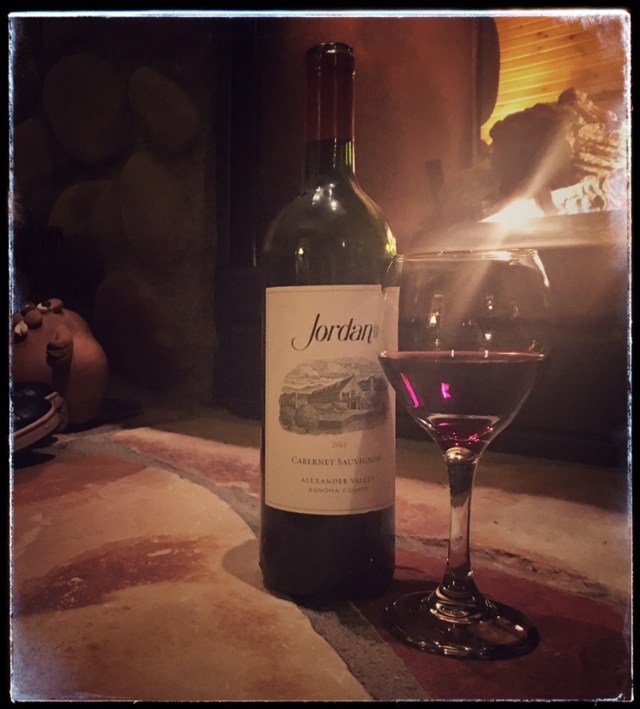
As we sip in our pajamas, and while the remaining hours of ’17, I’m happy to share my 2012 Jordan Winery Cabernet Sauvignon. What are friends for?!

Cheers! 🍷❄️🔥

Holly Jolly

The holidays are the perfect time to spend with the ones you love, and that might even include some people. Ho ho ho!

I know, that was naughty but it stands to reason that especially during this time of year, we all like to add some new and special wines to our collections.

This year, we enjoyed a 2013 Goldeneye Pinot Noir. A gorgeous medium body Pinot, it had lush, full flavors of cherry, blackberry and pomegranate, while remaining grounded with an underscore of earthy mineral and leather. It had an enjoyable long finish, which for me is something I crave in a Pinot but don’t always find. It paired beautifully with our Christmas eve supper of steamed crab and traditional Tourtiere.

From their production notes:

“An extremely dry winter was followed by just enough spring rain to carry us through to a successful harvest. With very few frost days, the fruit set was excellent throughout our estate vineyards. To ensure a perfectly sized, well-balanced crop we were very active in fruit dropping. The remaining clusters were compact, with the abundant small berries that are perfect for high-quality wine. We started harvest 10 days earlier than normal, during a period of ideal temperate weather that allowed us to pick at a leisurely pace, while ensuring optimal ripeness. The resulting wines are marked by a complexity only achieved in cooler years with coursing acidity, beautiful high-toned fruit and nuanced minerality.”

Notes like this are always interesting to read; almost like peaking behind the curtain of what the harvest process involves, and why timing is everything, especially in harvesting a top quality Pinot.

I hope you are enjoying the holidays, and taking time to savor those moments with loved ones, both in and out of the bottle!

Next post: wine to ring in a brave new year. 🥂😁✨

Cheers! 🍷🎁🍷🎄

The Thankful Heart

Emerson once wrote, “Cultivate the habit of being grateful for every good thing that comes to you, and to give thanks continuously.” It’s something I try to do in my daily life but it’s not always easy, especially with running here and there getting things ready for the official start to holiday season.

I think that’s what is nice about opening a bottle of wine; time slows for a second when you open the bottle, pour a glass for yourself and those you’re with. You take a moment, think of a little toast (no matter how profound or cheesy) and then take that first sip together. It’s a nice ritual.

After tasting some wines at the annual Heinen’s Holiday Wine Tasting, here a few of my picks to enhance your holiday ritual! 🥂

And, yes, I will happily share my bottle of Papillon with dessert!

Cultivating the habit of gratitude and thankfulness is easy this time of year. And it’s a good thing to remember beyond the holidays.

I am truly thankful for my family, my friends and to all of you who stop by and check out my blog. ☺️

I hope you all have a happy and healthy Thanksgiving! 🍷🦃❤️

Cheers! 🍾🥂

Field Trip: Wine Dining with Orin Swift Wines

img_4145.jpg

This wine event at Bar Cento in Ohio City couldn’t have fallen on a better night. It was the perfect antidote to the cold November rain that was making me feel dark and drab.

This wine pairing, presented by Chris Victor, National Account Manager for E&J Gallo, and Superior Beverage of Cleveland paired three wonderful wines from the cellars of Orin Swift with an amazing three course menu created by Chef Sean Conroy.

Our first pairing was a 2015 Mannequin Chardonnay with the Amuse Bouche of fall veggies featuring acorn squash, red beet, sweet potato, sultana and Brussels sprouts. The Chardonnay tasted of ripe white peach, jasmine with a nice acidity that was softened bu the creaminess of the food and the sweet of the sultana. We continued with the Chardonnay into the 1st course of halibut, pumpkin, saffron, pine nut, and golden sage. The delicate flavor of the halibut with saffron sauce was nicely balanced with the bright citrusy vibe of the wine.

Next up was the 2015 Papillon Bordeaux Blend that paired well with our 2nd course that included lamb rack, mustard greens, merguez, and eggplant. Yummy! The flavours of ripe blackberry, dark cherry and subtle tannin played beautifully with the mustard greens and horseradish eggplant, coaxing out a flavourful bite spice in the wine.

Our final course was Clafoutis: a baked flan-like dessert of brandied cherries, fresh fig, and DiSaronno Amaretto. Paired with the 2014 Palermo Cabernet Sauvignon, it provided and unexpected, amazing surprise of the evening; I’ve never enjoyed a Cab with dessert before. I’d always thought they were too heavy. But the silky combination of blackberry and cassis didn’t overpower the delicate, flavourful dessert, it enhanced the richness of the cherries and Amaretto. I had always thought that in pairing wine and dessert the rule was sweet for sweet. This pairing proved that rules were made to be broken.

As the evening came to a close, our group’s discussion turned to the 2014 Mercury Head Cabernet Sauvignon and as luck would have it, we were treated to a small sample. Outstanding!

Sometimes, even in the darkest, rainiest night, a little light can shine in: great friends, great food and some amazing wines. And if you’re really lucky, you can find all three in one place.

Cheers! 🍷

This slideshow requires JavaScript.

ŠTheWine Student, 2017