Wine in the Raw

Totally natural. Wild and unfiltered. Just as nature intended. Wine in the raw refers to how some wines are made. It doesn’t mean you have to drink it without your clothes on. But I guess if that’s your thing, by all means.

Circling back to ancient winemaking techniques, natural wines came to prominence again in France and Italy in the 1980’s. And now there is a growing natural wine movement here in North America, dovetailing with farm-to-table philosophy.

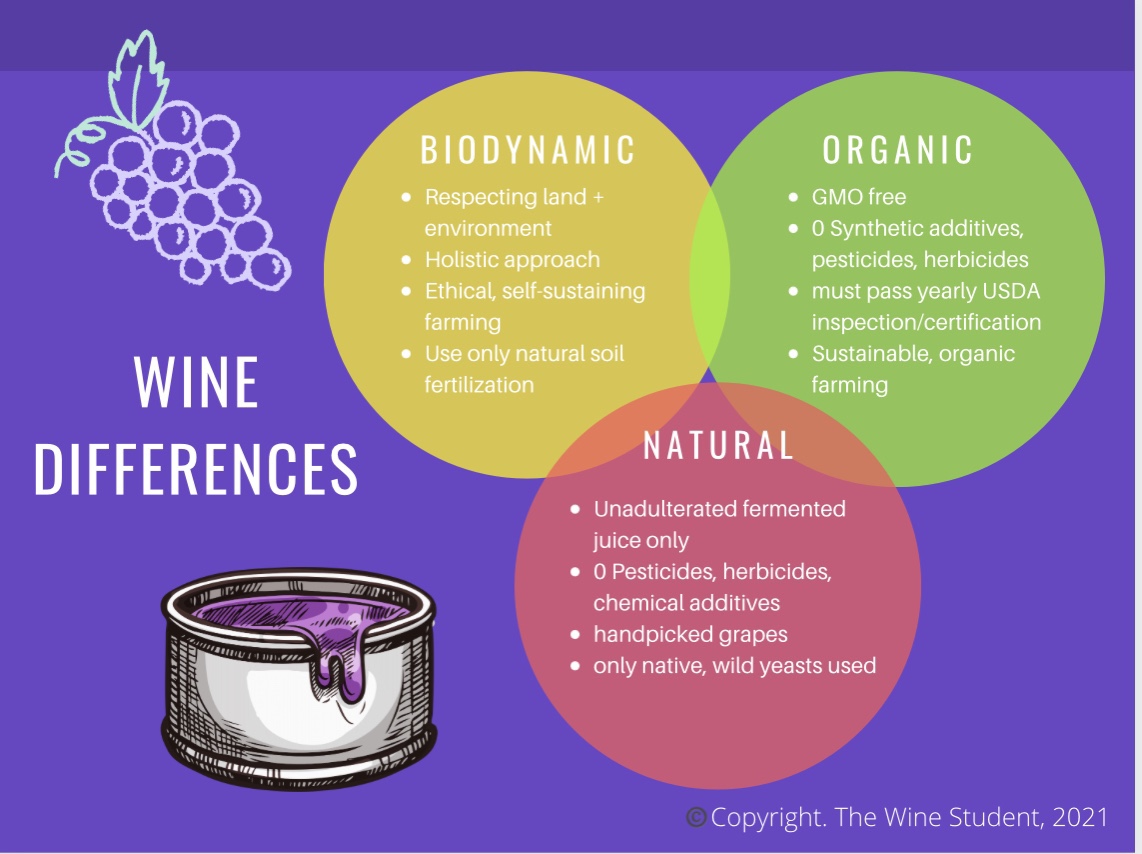
So what’s the difference between natural, biodynamic and organic wine?

Biodynamic winemaking embraces a holistic view that everything in the universe is connected; man, the moon, the planets and the stars. Respecting the environment, and ethical, self-sustaining agriculture, it’s more about the processes before harvest; farming, cultivating and tending to the land and fruit.

Like natural wines, no pesticides or unnatural herbicides are used. Ducks, horses, cows and sheep living on the vineyard provide natural fertilizer, and weed management.
Discarded grape skins are recycled into compost and spread back onto the land to nourish future vintages.

Biodynamic wines are also cultivated and harvested based on the biodynamic calendar – planting and harvesting on moon cycles and daily tasks broken down into the earth’s four elements.
It sounds a little trippy but you have to love the philosophy; great, sustainable wine production that literally gives back to its roots and the environment.

Organic wines are GMO free with no synthetic additives, pesticides or herbicides. Organic winemakers also respect sustainable farming practices and must pass yearly USDA inspection to retain certification.
Certification can be seen on the label and is an assurance that what you’re pouring into the glass is 100% organic.

Like Organic and Biodynamic, natural wines use grapes that haven’t been sprayed with herbicides, and only natural predators are used to manage pests.
Grapes are hand-picked, and only native or wild yeast is used in fermentation. The wine is unfiltered and there are less than 50ppm sulfite additives, if any. Natural wine can be seen as an excellent display of terroir – the true expression of the wine growing region – since what you pick and cultivate on site is precisely what goes into the bottle.

Many natural winemakers prefer ancient techniques such as fermenting in clay or concrete ‘amorphae’ vessels that impart no flavor to the wine. Oak barrels can sometimes be rejected because of the additional flavors they may add to the wine. But, again, that’s a choice. Many natural winemakers want their wines to taste of the grape, and only of the grape.
Some also allow their white wines a little bit of skin contact; just enough to produce an orange hue (more on that in an upcoming post).

Natural wine can have a lower alcohol content and higher acidity. Since it’s unfiltered, it can sometimes look cloudy with natural sediment that floats and then settles at the bottom of the bottle.

Bottle for bottle, natural wines taste…just as lush and lovely as commonly cultivated wines, but not all travel well. As Jake, Wine Steward at Giant Eagle said, “Because they are natural, they don’t always do as well with shipping.Your best bet for natural wines is to buy them directly on site if you can.”

While natural wines can be stored for a few years, it’s best to enjoy them sooner rather than later. They typically require refrigerated storage because of their volatility. The lack of preservatives can make them less able to handle changes in temperature and therefore are more prone to going off.

Be sure to look for the terms ‘minimal intervention’, ‘natural winemaking techniques’ or ‘unfiltered/unfined’ on the label.

I have to admit, it isn’t always easy to find all-natural, unfiltered wines in a local wine shop. I did manage to find one: Newton Unfiltered Chardonnay from Napa Valley, California. And it was one of the last bottles available.
When I looked at the bottle, I was expecting to see something cloudy or with sediment resting gently at the bottom like an unshaken snow globe. This wine was crystal clear.
During maturation, their winemakers hand-stir the wine, as needed, to re-distribute any sediment. The reason is clear: many people seeing sediment or cloudiness in a wine assume that the wine has gone bad, is tainted or off, and are less likely to purchase a wine that looks this way. In the world of wine, looks can be everything.

Newton Vineyard has a decades long commitment to sustainable winery practices and are Napa Green Certified; held to strict requirements including water | energy conservation, reducing greenhouse gas emissions and the winey’s carbon footprint, pollution prevention, and a commitment to social equity.

Going natural might be a little more expensive to buy but consider the amount of time and care taken to cultivate and produce these wines. Great things sometimes take time. And with the growing numbers of wineries adopting sustainable practices, they’re headed in the right direction.

Here are some other notable natural wines to look for.

In these times of growing global environmental awareness and truths, it makes sense to support those who have made a commitment to sustainable wine production.🌱🌿🍇

And you can enjoy them with or without clothes.☺️

Cheers!🍷

©️ Copyright The Wine Student, 2022

Sparkler Series – Part 3 – Paired Off!

Happy New Year!

The general rule of thumb for pairing sparkling wines – fish, cheese, chicken.

But what if you’re not feeling that? What if you’re feeling adventurous and want to be free of all rules?

I say, go for it. For the most part, the sky’s the limit, just keep a few tiny guidelines in mind:

Serve your sparkler well chilled – the bottle opens easier and more safely when it’s cold. Allow a bit of time for the bubbly froth to settle and the delicate aromas to unfold.

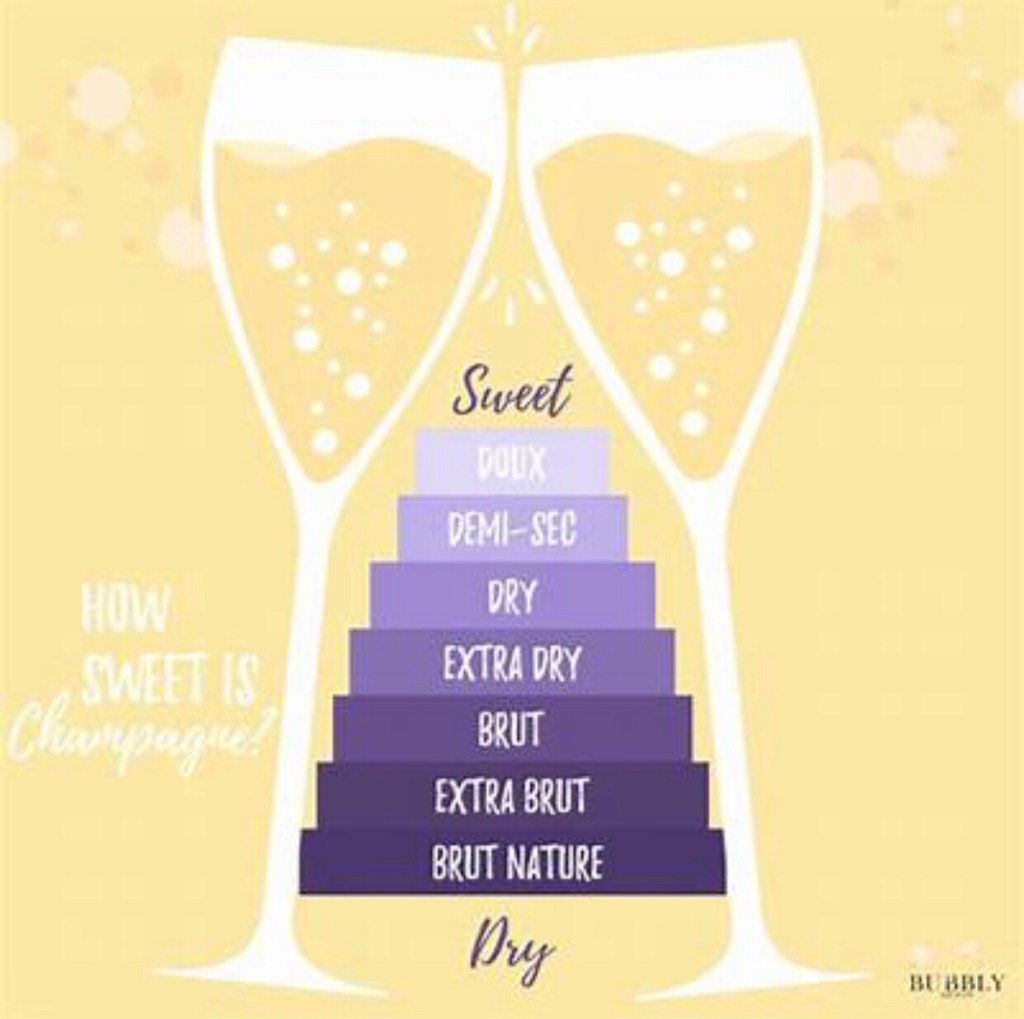
Here’s a great chart from bubblysideoflife.com gives the levels of sweetness to look for when choosing. Not all sparklers are the same.

And the answer is usually right on the label!

Sweetness Levels🥂
[Image via Bubbly Side of Life]

From dry to sweet, when pairing all wines, not just sparkling, you want to:

Match Flavor and Texture – For the most part, you don’t want your food to overpower your wine, or vice versa. You want both to compliment each other; bringing out each other’s best. Intensity of food and wine means its weight, which includes things like, salt, sweet, acidity, spiciness, etc. You want balance. For instance, I don’t enjoy a delicate, low tannin Pinot Noir with a hearty, fatty, juicy steak. The steak, (especially if served with a smoky or spicy sauce) overpowers the delicate flavours of the Pinot Noir, which doesn’t have enough tannins to cut through the robust fattiness of steak. It’s not that the wine is bad, it just doesn’t match with the weight of the food.

A beefy, hearty Cabernet Sauvignon, with it’s higher tannin and alcohol punches within its weight class, and matches the steak sip for bite.

Likewise, pairing a Cab with a delicate white fish, overpowers the flavor and weight of the fish so all you taste is the Cab.

When pairing sparkling wines with food, the same principles apply. Lighter, brighter effervescent wines provide a delicate acidity, and in the case of Champagne, have some richness and aged flavors that give you a different experience. I’ve paired Prosecco with a rich, creamy buttery orecchietti pasta dish that was amazing. The bright, fruitiness and acidity cut through the heavy cream of the dish, cleansing the palate with each sip. So if you’re craving mac and cheese (with any combination of cheeses), do it! Experiment! See what you like!😍

The key is matching the prominent aspects of the food and the wine.

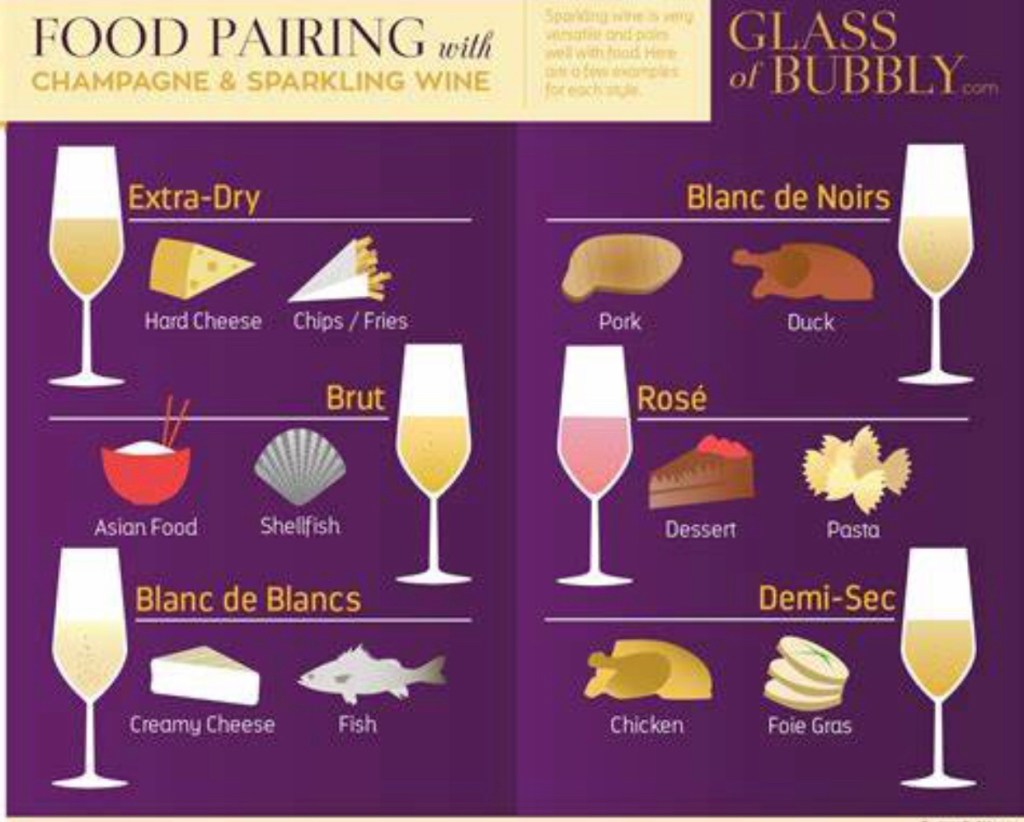
Traditional Pairings [Image via Glass of Bubbly.com]

Sweet with Heat – To avoid feeling the burn, pair spicy fare with a sparkling wine that has some residual sugar in it. Sugar cools down the heat of your dish, creating balance.

⚠️Avoid pairing spicy foods with wines that have high alcohol. These will ramp up the heat, creating a three alarm blaze in your mouth. 🔥Most of us don’t enjoy sweating our way through dinner. 🥵 Going spicy? Choose a sparkler that has Extra-Dry, Dry, Demi-Sec or even Doux on the label.

Acid with Fat – Fatty or fried foods play well with high acid wines like Champagne. The acidity cuts a swath through the fat and fried, salty goodness; cleansing your palate for the next bite!

Try fried chicken or french fries, or put out a bowl of potato chips and watch them disappear!

Smoke ‘n’ Oak – Pair gently charred foods with sparklers aged in oak. Think traditional method Brut or Extra-Brut. And keep the meat on the lighter side; chicken, shrimp. Grilled foods tame the oak intensity and bring out the fruity aspects of the wine.

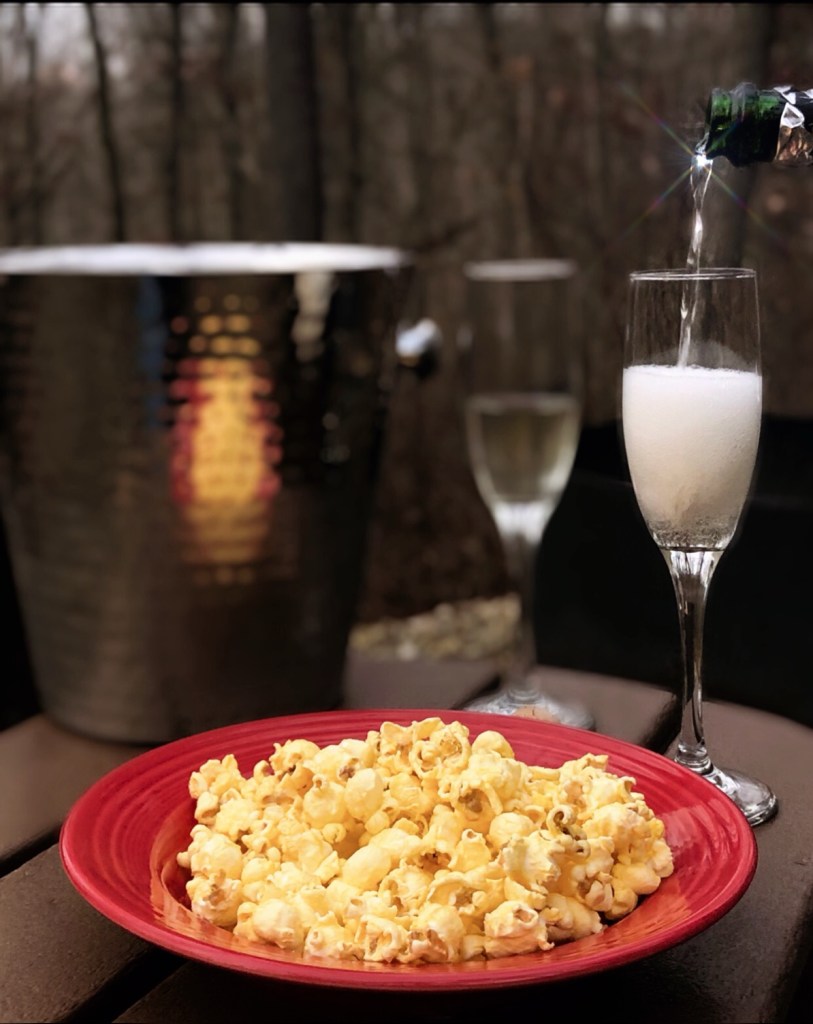
Sweet and Salty – If you love Chicago Mix popcorn (cheddar cheese and caramel blend) you know what’s going on here. Pairing salty foods with a sweet or almost sweet wine makes sweet wine more fruity (and less sweet), and salty foods more savoury. Try… corn dogs! Think about it – you have the gentle smokiness of the sausage inside, combined with the subtle sweetness of the corn bread on the outside, deep fried, and the sauce you put on top (dijon mustard, sweet bbq, ketchup) can change the vibe even more.

I like to keep it classy!😉

Sweet for the Sweet – with dessert, pair a wine that’s at least as sweet, if not sweeter. Sweet wines tend to highlight the sweet aspects of food. If your food is sweeter than your wine, the wine will fade, and seem dull. Again, go for sparkling wines that are higher on the sweet list; Dry, Demi-Sec or Doux.

Pair it with leftover Christmas cookies, Kit Kats, ice cream.🍪🍫🍨

Whatever sparkler you choose, whatever glass you have, whatever food you pair it with, please have yourself have a very happy, safe and healthy New Year!🎉🥳🍾

**Don’t forget to join me tomorrow, Thursday, December 30th, 11:00am on 900CHML’s Bill Kelly Show -with guest host Shiona Thompson!🎙

Thank you so much for visiting and your support!🥰

Cheers!🥂

©️Copyright. The Wine Student, 2021

Sparkler Series – Part 2 – Kiss My Glass!

Last time, we did a deep dive into sparkling wines, looked at a few different ones and how they’re made. Today, we’ll take a little look at how to show off those tiny bubbles. 🥂
Which glass is best? Best is a tricky term. It can simply depend on what you have on hand, and what you like.
But if you want to showcase your sparkling wine, especially if you’ve made an investment in that sparkling wine, it’s good to know some of the differences.
Let’s look at four types:

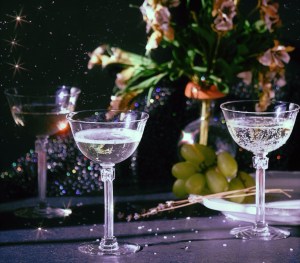
Coupe Glass

Coupe This glass is the most classic version of all to showcase your sparkling wines. It’s the glass that typically has a wide bowl and opening. The much-circulated myth that King Louis XVI had the glass fashioned after Marie Antoinette’s breast, is just that, a myth. The glass was actually designed in 1660’s England by a Benedictine monk. While it can be a pretty and very classic way to serve your sparkling wine (and the best way to make a Champagne fountain), its design is not optimal. Because of the wide bowl and opening, both the effervescence and delicate aromas of the wine dissipate and fade very quickly. You want to enjoy the bubbles for a while. The coupe glass doesn’t allow for that.
Sorry to burst your bubble.

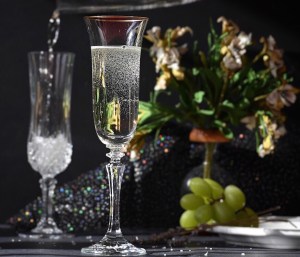
The Flute

FluteWe’ve all seen and held a Champagne flute at least once in our lives. Long and cylindrical, the flute has a much smaller opening and a higher fill line. This can highlight the bubbles as they escape to the surface. Some even have little etches carved at the bottom creating a beautiful necklace effect as the bubbles travel up the sides of the glass. Gorgeous! This design does keep the bubbles intact for prolonged toasting and your 20th try for your perfect Instagram. That’s a plus.
But it’s also a minus because the surface area (and high fill in the glass) doesn’t allow for the wine to aerate, or let the delicate aromas of the sparkler to develop or unfold to its full potential. And if you’ve made an investment purchase, you want to fully taste what you’ve paid so much to enjoy.
Also, have you ever tried to get your nose into a Champagne flute? That’s trouble just waiting to happen.

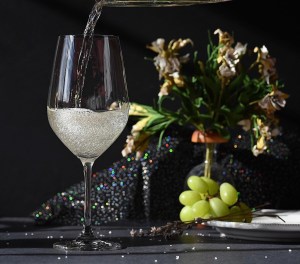
Tulip (Redux) – This glass is ideal for any sparkling wine. It has a round shape that narrows gently at the top. This enables both bubble formation and aromas to fully open allowing for the perfect expression of the wine. And you can get your nose into the glass!

Why do I keep wanting you to stick your nose into the glass? To better appreciate all the aromas and flavors of the wine as you sip!

Tulip /Tapering Glass

Tapering Wine Glass – Similar to the red Burgundy glass, this has a larger bowl than the tulip and a somewhat tapered top. This design allows your sparkler to breathe, and open up; bundling all of the flavors and aromas to your nose and palate, and maximizing the full potential of the wine. And the bubbles still look pretty enough for your selfie.

Whatever style of glass you have, try to make sure it has a stem. I know, stemless is a cool looking trend but sparkling wines are meant to be enjoyed cold. Cold temps keep the fresh, vibrant character of the wine and the bubbles bubbling. The heat from your hand as you hold the stemless glass can warm the wine too quickly, removing the chill and tarnishing some of the sparkle.

Of course, if your wine won’t be in the glass that long, all bets are off – a jelly jar is just fine!😁

Next time – Part 3 – Unique Pairings – What to serve with your sparkler when oysters and fish just aren’t your thing.

*Be sure to join me on 900CHML’s Bill Kelly Show, (w/guest host Shiona Thompson) on Thursday, December 30th at 11:00am!🎙🎉

Cheers!🥂

©️Copyright. The Wine Student, 2021

Sparkler Series – Part 1 – Your Pocket Guide to Sparkling Wines


With the holidays fast approaching, we’re all turning our attention to fun, festive wines to fill our goblets. Even if our evenings may still be a little on the quiet side, enjoyable sparklers are out there to lift your spirits.
But finding the right one can take little prep and planning; there are so many options to choose from. Where to begin? Not to worry! In this 3-part series, we’ll explore several to help you decide which sparkling wines might make your holiday a little brighter.


So what IS the difference between Champagne and other sparkling wines? What glass should I serve it in? I don’t want to serve it with the same old tidbits…what’s unique and fun? These are the burning questions.
We have a bit of ground to cover so… settle in and check out the little video below for a
crash course!👇


Let’s take a closer look at four types of sparkling wines: Champagne, Prosecco, Cava, and Asti.


Champagne:
Champagne can only be called Champagne if it’s made in the Champagne region of France. No other place. Everything else is sparkling wine and as we’ll see, there are many, many bubbling options.
Made in the Traditional Method, and using a blend including Chardonnay, Pinot Noir (and Pinot Meunier), grapes are picked by hand, then quickly and gently pressed in whole bunches to mininmize any skin contact with the juice – leading to unwanted color or tannin in the end product.After press, it goes through a settling process to remove any solids.
Primary Fermentation: is much like still wine at a temperature of 64-68F. The fermentation vessel can be stainless steel tanks, concrete egg vessels, oak vats or barrels. It’s here that many go through malolactic fermentation (where good bacteria convert the hard malic acid (green apple like) to the softer lactic acid (a creamier vibe) which lowers the overall acidity of the wine.
The still wine is then aged, sometimes clarified by filtering, fining or centrifugation. The wine can also be aged on the lees (or dead yeast left over from fermentation). This is what gives the sparkling wine it’s bready or biscuity flavor and creamier mouthfeel. A pink color can be achieved by adding back some red wine, or giving the still wine a small amount of contact with the red grape skins.
After the addition of sugar, nutrients and yeast (liquer de tirage) bottling occurs – here is where the sparkling magic happens! Once bottled, it’s capped with what looks like a bottle cap so that the secondary fermentation can occur. This occurs at a cooler temperature (50-54F) – and a longer process than before. At the end of secondary fermentation, the bubbles have formed, and as the yeast has gobbled up all the sugar, it dies and decomposes. Bottles are then moved to storage where the now sparkling wine will rest on the yeast (lees) for a desired amount of time.

While resting, the bottles are gently and gradually rotated over time until they are in a vertical position – neck of the bottle upside down -to bring any sediment into one smaller area. At this point, the neck of the bottle is placed in a shallow freezing solution of liquid nitrogen and the semi-frozen sediment ‘plug’ is then propelled out of the bottle by the built up pressure. The beauty is that very little liquid is lost, and all of the dead yeast and sticky sediment is gone from the sparkling wine.


The bottle is then topped up with a small mixture of wine and sugar (dosage) to provide the desired amount of residual sugar, which acts to balance the high acidity of the wine.
Bottles are then corked, secured with a wire cage, and ready to ship or cellar.
Traditional method is why there is a higher alcohol content, and it’s why Champagne can be cellared for many years.
A true luxury item, this takes considerable time, skill, and craft to create what goes into your glass, and explains why many are so expensive.
Flavors: citrus, yellow apple, cream, almond, toast.
Brands: Veuve Clicquot, Moet & Chandon, Louis Roederer, and the big daddy, Dom Pérignon. **Keep your eyes open for Blanc de Blanc ~ Champagne made from 100% Chardonnay.


Prosecco:
Like Champagne, Prosecco can only be a true version if it is produced in Veneto region, Italy, the some of the best being from the sub-region of Valdobbiadene. Primary grape is Glera (though it is often blended) and it’s made in the Charmat or single tank method. Here, the base wines are added together with the sugar and yeast in a large stainless steel tank. As the wine goes through it’s secondary fermentation, CO2 is released causing the tank to pressurize. The wines are then filtered, then bottled without aging.
Prosecco generally has a fresher character (with only minor secondary yeast flavors) and should be enjoyed young, within 2-3 years of bottling.
Sweetness levels:
Brut: Dry, little or no detectable sweetness. 0-12 grams of sugar/litre.
Most Champagne is Brut.
Extra Sec (Extra Dry): Some detectable sweetness/sugar. 12-17 grams/litre residual sugar Sec (Dry): Noticeable sweetness/sugar. 17-32 grams/litre
Flavors: green apple, honeydew melon, pear, lager, cream.

Brands: Toresella, Ruffino, Tesoro Della, LaMarca


Cava:
From Spain, and made in the Traditional Method, this is made from three varieties; Xarello, Macabeo, Parellada.
This is a very earthy, rich and complex wine, can be cellared.
Flavors: marzipan, white chocolate, brioche.
Brands: Freixenet, Segura Viudad Brut Reserva, Elyssia.


Asti:
Another notable offering from Italy, Asti is produced in Piedmont using the Moscato Bianco grape. It’s made sparkling by single tank fermentation, giving it a bright and crisp quality, and is sweeter and lower in alcohol than the other three types.
Flavors: tangerine, apricot, peach and pear.
Brands: Martini & Rossi, Spumante, Risata.

This gives you a little more to think about when going to purchase your fun wines for the holidays.


Next post, we’ll explore which is the best glass to truly showcase the look and flavors of your sparkler!🥂


Cheers!🎄 🍾


© Copyright, The Wine Student, 2021.

What We Drink in the Shadows – 3 Wines to Sink Your Teeth Into for Halloween

Daylight is beginning an early decline, the shadows getting longer. A chilling breeze causes the leaves outside to rustle, and your candle to flicker and then blow out. You hear a scratching at the window…

Don’t be frightened…it’s just me with my annual Halloween wine round up! 🎃🍷

If you know your vampire lore, you have to invite me in.🧛🏻‍♀️

But first, click the video below for more fun!👇

This year, we’ll become familiar with three. And since I never play favorites, here they are in no particular order:

🎃Banshee – 2018 Pinot Noir – Sonoma County With a cooler than usual start to their growing season, and moderate temperatures throughout the summer, the fruit yielded an offering with intense flavors and optimal acidity. This wine was then left to its slumber for 9 months in new French oak casks.

Shhhh…. don’t wake the master!

Flavor profile: sweet | tart mix of bright cherry, raspberry, tea and vanilla.

Aromas: pomegranate, tart cherry, earthy pine.

Pairs well with: turkey sausages, wild mushroom risotto, grilled lobster, grilled asparagus.

Price Point: $19.99

🎃Sixth Sense – 2018 Syrah – Lodi, CA

Awaken your senses with this lush warm – climate Syrah. From Michael David Winery (they make a wonderful Petit Petit), this is darker than Cabernet Sauv with lots of antioxidants and lends well to aging (the wine, not you). It will come out of the botttle with a big, bold bite at the start that gently settles into a gentle warming spice on the finish.

So how can you tell if your wine is a warm climate or cool climate offering? Let your sixth sense guide you (or just check the alcohol level on the label). Warmer regions have alcohol levels of more than 14%+, cooler regions less than 14%. This wine checks in at 15%.

Flavor Profile: rich raspberry, plum, coffee bean, tobacco, black olive.

Aromas: blackberry, boysenberry, fig, dark chocolate & allspice.

Pairs well with: grilled or roasted lighter meats – especially pork spare ribs, tender chicken thighs, anything with a little fattiness to rip into the high tannins; fragrant, softer cheeses with lavender, fennel or thyme.

Price Point: $15.99

👻Halloween fun trick: say, “Sixth Sense Syrah” 5x, as fast as you can after drinking a full glass. And please video it and upload to the comments if you dare! Lol

🎃Carnivor – 2019 Zinfandel – Lodi, CA

Sink your teeth into this cozy throuple of Zinfandel | Cab Sauv | Merlot, aged in American and French oak. It summons the dark arts of flavor. Lodi’s climate is more like the Mediterranean; warm days and cool nights to grow intense, ripe grapes with wonderful structure and style. Flavors meld together to hit you like a stake through the heart.

Flavor profile: blackberry, dark cherry, mocha, toasted oak, whisper of smooth caramel.

Aromas: spice and pepper with a little bite of jammy berry.

Pairs well with: Any good cut of red meat, BBQ beef kabobs, beef tenderloin; cheeses such as aged Gruyere, Havarti, Parmesan and Gorgonzola.

It says right on the label that meat was made for this wine so choose anything juicy and red from the meat counter and feel free to char broil. The smokier the better as it will pair beautifully with the robust spiciness of this wine.

Price Point: $11.99

So now you have a few treats to get you going this Halloween season. Whether you’re doing a little socializing or staying in your catacombs with a good scary movie, cheers!🍷🧡

Stay well, stay safe and Happy Halloween!🎃

©️Copyright TheWineStudent, 2021

Chip Shot

I spent this summer in writer’s purgatory. The anticipation of a summer without masks and worrying about COVID quickly gave way to watching tote boards of daily variant numbers rapidly climbing again. To write about wine at that time seemed a bit frivolous given what was happening in the world. I’m a worrier by nature and was concerned for people everywhere.

I began to realize that researching, writing, and photography, for me, had always been a safe space, and very therapeutic. So, slowly, I’ve been looking here and there to get myself back into the swing of things.

Shall I begin with Wine Chips? Why not begin with Wine Chips?

Just so you know, these are not made with wine, which runs all over the place. They are “made with real cheese” and “flavor optimized for wine”. Wine Chips come in four flavors: Smoked Gouda, Blue Cheese, Manchego and Asiago.

Randomly, I chose Smoked Gouda. On the label they recommend pairing with a hearty Cab Sauv. What did I first pair it with? A light Pinot. OOF. BIG mistake. The Pinot, while a nice wine on its own, was way too light against the robust flavor of the chip.

But isn’t the beauty of research that sometimes it needs more than one sample?

My next choice was a $10 Apothic Dark. Go cheap and brooding or go home.

My rationale? The test of a good wine pairing product is whether it can stand up and be counted. A premium wine can usually make any food taste good. This isn’t always so with a cheaper brand. Which doesn’t mean that lesser – priced wines are bad – many times they can rival the big ticket players – & much ballyhoo of wine is actually in the marketing (I’ll save that for another post).

So how did it all stack up?

First, let me describe the chip itself: thick, both in cut and flavor; smoky and cheesy. They do a good job attempting to re-create the weight and mouthfeel of cheese. To give you a reference, it’s comparable in texture to a thicker Sour Cream ‘N’ Onion chip. Creamy with a distinctive flavor, but less salty. I kept thinking how nice these would be as part of a charcuterie featuring a mild prosciutto, soppressata or sliced bratwurst, spiced cashews, figs, and grapes.

This Apothic blend boasts dark fruit notes of black + blueberry with hints of coffee and dark chocolate. It seemed to meld better with the weighty cheesiness of the chip. And the more I paired it, the better it got. And that was a factor of two things: the wine gradually opening up, and the fact that the wine was robust enough to play with this chip.

And in the spirit of full disclosure, there is no spon con here. My review is completely my own; I have not been gifted any product, neither chips nor wine.

As we enjoy this fall as best we can, please take care of yourselves, and each other. ❤️

Next up: my annual Halloween Wine Roundup! 🎃👻🧟‍♂️

Cheers!🍷

©️copyright TheWineStudent, 2021

Wine, Women & Song

To celebrate Women’s History Month in the best way I could think of, I revisited a book about women whose passion is both the grape and the wine. 🍇🍷🎉

In her book, Women of the Vine, Deborah Brenner explores the lives of several women in wine. Each woman shares her own story about how she came to be in wine world; the pitfalls, the triumphs, and candid views on their experiences of discrimination within the industry.

There are only a small handful of books that chronicle the lives, careers, and history of some incredible wine women – those who have gone the distance in a typically male-dominated profession. But this is a rapidly changing landscape as more and more women are finding themselves drawn to the world of wine.

Here are two more great books to look for:

Women Winemakers: Personal Odysseys by Lucia Albino Gilbert & John C. Gilbert

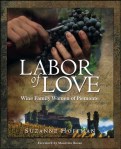
Labor of Love: Women Winemakers of Piedmont by Suzanna Hoffman – a historical perspective of women

And here’s how you can support some wonderful women winemakers! Check out their sites below (and their unique stories) and keep them in mind on your next wine run:

🍇 Theopolis Vineyards

🍷 McBride Sisters

🍇 Aslina Wines

🍷 Imagery Estate Winery

🍇 Groth Vineyards & Winery

🍷 Screaming Eagle

Here’s to all the amazing, strong women in the world: may we know them, may we be them, may we raise them, & may we enjoy their amazing wines! 🥂🎉

Cheers!🍇🍷

©️ copyright 2021 TheWineStudent

Wines for Valentines: Sweet Dreams are Made of These

Who am I to disagree?

Since we’re all staying home right now, Valentine’s Day is going to be, well, a lot quieter. It can still be a sweet day, and I’m all for opening a little bottle to enjoy. And who better to share it with than you? From a distance.

Each Valentine’s I look for bottles that have some fun label art for the holiday. The art can be sweet or sassy, with word ‘love’ or maybe some hearts. This year, most wine companies are keeping things very simple – which makes sense right now. I did manage to discover two that were close to the theme and moderately priced: Love Noir and Red Head Red Blend.

Check out the video below!

Love Noir Pinot Noir 2018– Jammy, with flavors of cherry, and a whisper of espresso, this Pinot has some velvety texture to it. Still a relatively young Pinot, it’s lighter in both color, body and mouthfeel. Aging in American Oak, gives it just a hint of vanilla. And less time in a newer barrel gives it a less smokey or oak-y vibe. Because it’s younger, decanting is important here to bring out all the flavors. Pinots by nature are delicate wines, so you don’t want to cellar them too long.

Recommended pairing: roast pork, chicken artichoke flatbread. I’d throw chocolate anything in the mix for dessert.💋

Price point: $15.99

***

Red Head Red Blend – From L’uva Bella Winery in Lowellville, Ohio, this wine has flavors of bright cherry, blackberry, with a little tang of blueberry. This wine is a ruby color with good legs (meaning viscosity). First sip is a combo of sweet | tart which then settles into a spicy kiss on the finish. This combination makes it an interesting wine especially for those new to drinking red wine.

Again, decanting is important as this wine takes a little while for the flavors to unfold.

Pair it up with some assorted cheeses including spiced havarti and dark chocolate (with some spice) to bring out the heat.🔥

The $11.99 price point definitely makes it a great starter wine.

And I think they’ve changed their branding on this a little. It still has the cool art but it’s now just called ‘Red’.

Keeping things quiet is a good plan for Valentine’s Day this year. Open a bottle, gather your snacks and watch your favorite rom-com. And if you can’t be with all the ones you love, make sure to love the wine you’re with!♥️

Cheers!🍷💝💋

©️copyright 2021 TheWineStudent

Winey Friday: Curmudgeon Red Blend

The other day, I gently brushed off a favorite old collection of stories that I hadn’t seen in a while. The spine cracked open as a puff of dust billowed up. It revealed a tale of adventure and thirst. A thirst that could only be quenched by… wine. The name of this tome: my blog, The Wine Student.

If we’re speaking truths here, I haven’t been very motivated to write lately. With everything happening in the world, I’ve really only wanted to curl up under a blanket and not come out ‘til the coast is clear. And since I’m already in my stretchy pants and sweatshirt… also, I’m a little crabby. You might even say, a little curmudgeonly.

The other day, I found myself in the wine section of my local store (one of the few times I venture out) and I found myself just staring off into space for a split second. But what brought me back to earth was some of the label art in front of me. I started to see a theme: the label art was getting kinda dark.

But maybe it was just me…

And yet, the Curmudgeon spoke to me.
From Parlier, California, this Curmudgeon is actually a friendly blend of 42% Zinfandel, 32% Merlot, & 26% Petit Verdot. Fermented in stainless steel, then aged 3 months in Kentucky bourbon barrels, this wine smelled amazing right at the first pour. Wafting scents of vanilla, and caramel was a nice preview of coming attractions. I let it open up a bit to coax out the flavors of stewed blackberry, dark chocolate, caramel and a hint of smoky spice. Because of the high percentage of Zin in the mix, it was very fruit forward, jammy- a little sweet-ish, then settling into a nice dark, leathery chocolate earthiness.
While I didn’t pair it with anything except crackers – because I’m a curmudgeon today- it was a juicy, rich blend to take the chill off a cold day in January.

Price point was about $14.99

The upside lately – I’ve noticed that the days are gradually getting longer. Which is a wonderful sign. We’re headed in the right direction!

And you know what? I refuse to give in to the darkness. Better days are ahead. Even us curmudgeons have our moments of hope.

Cheers!

Copyright, TheWine Student, 2021

My 2020 Halloween Wine Picks!

Well look who’s ready for a Halloween at home! 🎃🧛🏻‍♀️🍷

With tricks and treats around the corner, this year, you want to stay extra safe. So wash your hands often, wear your mask, and don’t go near the woodshed that belongs to the creepy guy who lives at the end of the dark road…
Like downing one too many tequila shots, nothing good can come of it.

My Halloween this year consists of maybe making a candy chute for trick or treaters, and being distanced from friends and neighbors. But that’s ok. It’s where we’re all at right now.
And wine pairs well with pretty much everything this year has thrown at us.

So… without further delay…my All Hallows wine picks for this unprecedented year.🙃🍷

Click below to see the video👇 and then read the roundup beneath!

The Walking Dead Bloody Red Blend 2017

A very bright blend of 40% Merlot, 10% Malbec, 30% Cab Sauv and 20% Petit Verdot.
Tasting of cranberry, raspberry, and shining cherry, it was very bouncy in my skull goblet.
Aged 10 months in French and American Oak casks, there’s some good body yet it still retains it’s lip-smacking vibe. That is, if you have lips, some zombies, sadly, don’t.

It pairs well with dark meat turkey, which has a fattier component (this helps cut into the bright acidity of the wine), roasted pork, creamy cheeses, and in particular bleu cheese.

It’s a pretty good wine for $14.99, and it has a cool “Living Label” app you can download to watch the dead ‘rise’ on your bottle! Spooky fun!🧟‍♂️

Gnarly Head Old Vine Zinfandel 2018

If you want a luscious, juicy red you can sink your teeth into, this is a great one.
Unleash the cork and you’ll find dark, rich notes of jammy blackberry, mocha, vanilla, and whispers of spice. This is from Lodi, which is known for its spooktacular Zins.

It pairs well with deviled eggs, sinful short ribs, and cheeses with deeper flavors like smoked gouda, and sharp cheddars.

You don’t need to bargain with the devil for this Zin, it’s a steal at $9.99.
Give it a little time in a decanter to really open up the vault of flavors. A treat indeed.

Whatever you find yourself enjoying this Halloween, please stay safe and don’t be afraid! It’s always darkest just before the dawn.💋

Cheers! 🎃🍷🧟‍♂️

©️copyright 2020 TheWineStudent